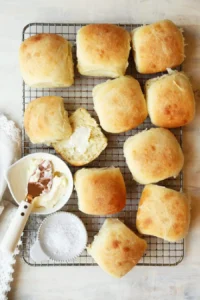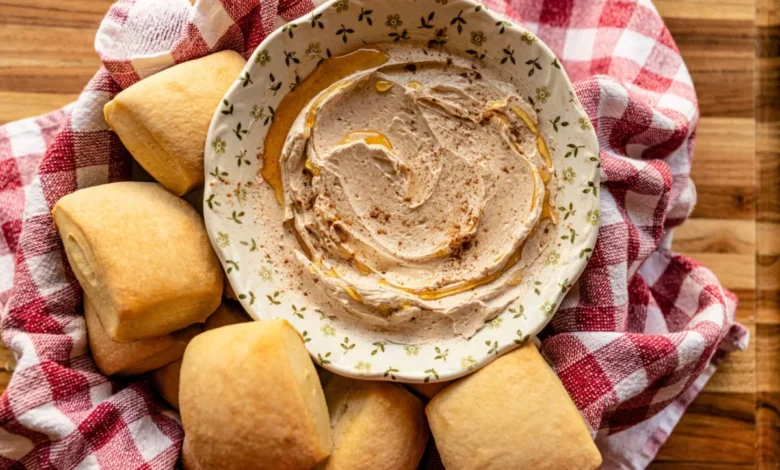
The culinary preparation for Thanksgiving often involves complex scheduling, high-stakes oven management, and intricate recipes that can overwhelm even seasoned home cooks. As the holiday approaches, the focus shifts toward optimizing efficiency without compromising the quality of the traditional spread. A rising trend in modern holiday hosting involves the utilization of simple, high-impact accompaniments that require minimal resources. Chief among these is the whipped honey butter, a staple condiment that has gained significant traction for its ability to be prepared in advance, its low-cost ingredient profile, and its versatility across a variety of bread-based dishes.
The Rise of Simplified Holiday Accompaniments
In recent years, domestic culinary trends have pivoted toward "low-labor, high-reward" components of the holiday meal. As families look to mitigate the stress of Thanksgiving hosting, the demand for recipes that do not occupy valuable oven space or require last-minute attention has increased. According to culinary industry analysts, the integration of compound butters—mixtures of butter with additional ingredients—serves as an effective strategy for hosts to elevate standard dinner rolls, biscuits, and cornbread without adding significant complexity to the cooking timeline.
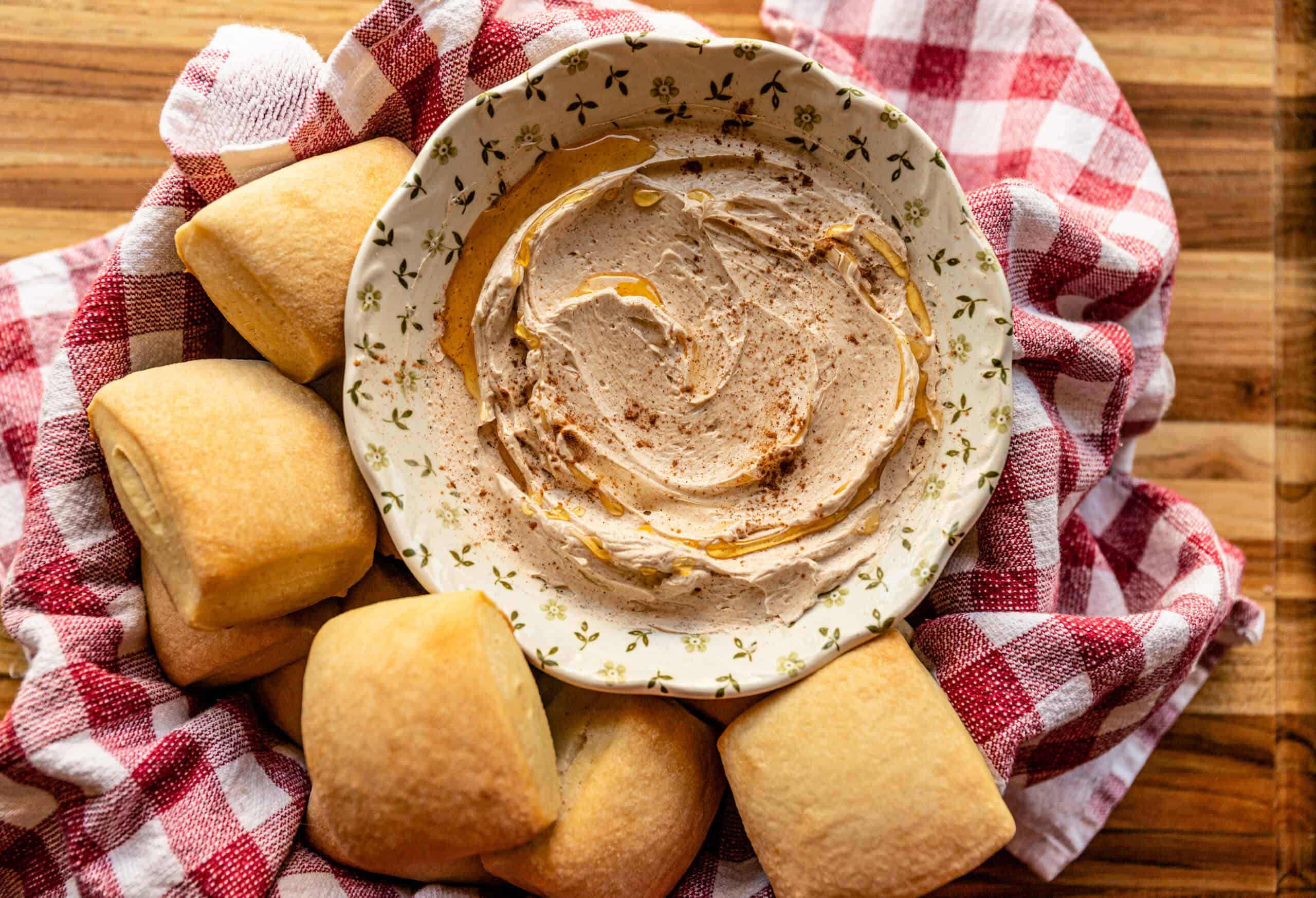
The whipped honey butter, often associated with regional American dining chains such as Texas Roadhouse, has transitioned from a commercial restaurant staple to a standard fixture in home kitchens. This shift is attributed to the accessibility of the core ingredients and the ease of preparation, which typically requires less than five minutes of active labor.
Technical Foundations of Whipped Butter
The transformation of basic butter into a light, aerated condiment is a matter of mechanical process rather than ingredient sophistication. While a simple blend of honey and butter can be achieved through manual stirring, the "whipped" designation requires the incorporation of air through high-speed agitation.
Professional pastry techniques dictate that the process must begin with butter at an optimal temperature—ideally between 65°F and 70°F. If the butter is too cold, it will not properly emulsify with the honey; if it is too warm or near a melting point, the structure of the milk fats will fail to trap the air bubbles necessary for a light, mousse-like consistency. By utilizing a stand mixer fitted with a paddle attachment or a high-powered hand mixer, the fats are agitated, creating a structure that is simultaneously airy and rich. The addition of honey, a hygroscopic ingredient, helps stabilize the mixture while providing a distinct flavor profile that balances the natural salinity of the dairy.

Chronology and Preparation Guidelines
For the logistical planner, the preparation of honey butter offers a distinct advantage: it is a shelf-stable item that improves with controlled storage. Culinary experts recommend the following timeline for optimal results:
- Advance Preparation (Up to 7 Days Prior): The butter can be whipped and stored in an airtight container in a refrigerated environment. This allows the flavors to meld and the texture to stabilize.
- Pre-Service Tempering (60 Minutes Prior): To ensure optimal spreadability, the container should be removed from the refrigerator approximately one hour before the meal. This tempering process is critical, as it prevents the butter from being too dense or brittle when served with warm bread.
- Final Refreshing: If the butter appears to have lost its aeration after prolonged refrigeration, a brief, one-minute re-whip can restore the desired volume and texture.
Variations: The Cinnamon-Infused Profile
While standard honey butter remains a popular choice, the incorporation of cinnamon and powdered sugar—often referred to as the "Texas Roadhouse style"—represents a more decadent variation. The addition of these dry ingredients serves two purposes. First, the cinnamon introduces a warming spice profile that complements the autumnal flavors prevalent in Thanksgiving menus. Second, the powdered sugar acts as both a sweetener and a thickening agent, providing a texture that is slightly firmer and more reminiscent of a confectioner’s spread.
Data from culinary interest surveys suggest that during the fourth quarter of the year, searches for "sweet butter recipes" increase by approximately 40%, indicating a consumer preference for enhanced dairy products during holiday gatherings.

Economic and Logistical Implications
From an economic standpoint, the cost-per-serving of homemade honey butter is significantly lower than that of store-bought specialty spreads. With a base ratio of one-to-one volume of butter to honey, a standard batch requires minimal expenditure, making it an efficient choice for large-scale holiday hosting.
Furthermore, the logistical benefits of this preparation cannot be overstated. By delegating the creation of this side dish to the days leading up to the holiday, hosts effectively reclaim "active time" on the day of the event. When the oven is fully occupied by the turkey, stuffing, and various vegetable sides, the availability of a room-temperature, pre-prepared condiment reduces the bottleneck of kitchen operations.
Expert Perspectives on Holiday Hosting
Hospitality consultants emphasize that the "small details" of a meal are often what guests remember most clearly. "The inclusion of a high-quality, flavored butter signals a level of intentionality that doesn’t necessarily require a high level of technical skill," notes one industry analyst. "It is the intersection of convenience and luxury."

By dividing the finished butter into multiple serving vessels and placing them at various points along the table, hosts can streamline the flow of the meal, preventing the "passing-the-bowl" delay that often disrupts the rhythm of a large dinner party.
Fact-Based Analysis of Ingredients
- Butter: The foundation of the recipe. Unsalted butter is generally preferred to allow the cook full control over the salt levels, though salted butter can be used by omitting the additional pinch of salt.
- Honey: Serves as the primary flavoring agent. Variations in the source of the honey—such as clover, wildflower, or orange blossom—can lead to subtle differences in the final flavor profile.
- Salt: A necessary component to balance the inherent sweetness of the honey. Without it, the butter can become cloying.
- Cinnamon and Powdered Sugar (Optional): Additives that provide the specific, restaurant-style flavor and texture profiles desired in sweet compound butters.
Broader Impact on Holiday Traditions
The continued popularity of DIY condiments underscores a broader shift in home cooking: the democratization of high-end culinary techniques. Tools that were once reserved for professional kitchens—such as stand mixers—are now common household items, enabling individuals to replicate restaurant-grade experiences at home. As the Thanksgiving holiday continues to evolve, the focus on artisanal, homemade touches remains a cornerstone of the celebration.
Whether the preference leans toward the simplicity of pure honey and butter or the spiced complexity of the cinnamon variation, the whipped butter trend provides a practical, efficient, and highly effective solution for the modern host. It serves as a reminder that the most impactful elements of a holiday meal do not always require hours of labor, but rather a focus on quality ingredients and the strategic management of time. Through careful preparation, even the most basic components of the Thanksgiving table can be elevated to meet the standards of a professional banquet, ensuring that every guest—and every dinner roll—is well-served.