
Hearts Of Palm Risotto

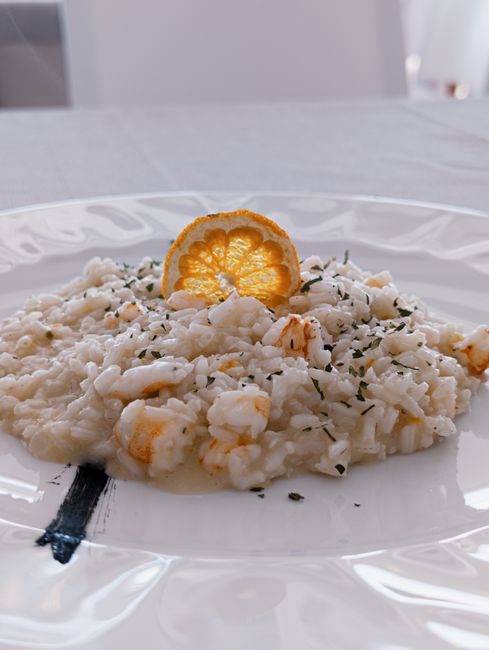
The Ultimate Guide to Creamy Hearts of Palm Risotto: A Palate-Pleasing, Health-Conscious Delight
Hearts of palm risotto transcends the typical creamy comfort food. This sophisticated yet surprisingly simple dish elevates humble ingredients into a symphony of textures and flavors, offering a delightful alternative for those seeking both indulgence and nutritional benefits. The star ingredient, hearts of palm, lends a unique, slightly sweet, and tender bite that distinguishes this risotto from its traditional Arborio rice counterparts. Rich in fiber, potassium, and Vitamin C, hearts of palm contribute a wholesome foundation to this elegant meal, making it a smart choice for health-conscious diners. This article will provide a comprehensive exploration of hearts of palm risotto, covering everything from ingredient selection and preparation techniques to flavor variations and SEO optimization strategies for aspiring food bloggers and home cooks alike.
Selecting the Right Hearts of Palm is Crucial
The success of your hearts of palm risotto hinges on the quality of your primary ingredient. Hearts of palm are harvested from the inner core of certain palm tree species, and while they are widely available, their preparation and form can vary. For risotto, canned or jarred hearts of palm are the most common and convenient choice. Opt for whole hearts of palm rather than pre-cut pieces, as whole hearts allow for more control over texture and prevent them from becoming overly mushy during the cooking process. Look for brands that are packed in water or brine, avoiding those preserved in oil, which can impart an undesirable flavor. When preparing them for the risotto, it’s essential to rinse them thoroughly to remove any residual brine. The texture of good quality hearts of palm should be firm yet yielding, with a subtle sweetness and a slightly artichoke-like flavor. Avoid any signs of discoloration or a strong, unpleasant odor, which indicate spoilage. Dicing them into uniform, bite-sized pieces, roughly ¼ to ½ inch, will ensure even cooking and a pleasant mouthfeel within the creamy rice.
The Foundation of Creaminess: Risotto Rice and Broth
The quintessential creamy texture of risotto, regardless of the star ingredient, is achieved through the slow release of starch from specific types of rice. For hearts of palm risotto, the traditional choices remain paramount. Arborio rice, with its high starch content and plump grains, is the gold standard. Carnaroli and Vialone Nano are also excellent alternatives, offering slightly different starch release profiles and yielding a wonderfully unctuous risotto. The key to unlocking this creaminess lies in the cooking method: constant stirring. This agitation encourages the rice grains to rub against each other, releasing their starches and creating the signature velvety sauce.
The liquid component is equally vital. A high-quality vegetable broth or chicken broth forms the flavorful backbone of the risotto. For a vegan or vegetarian hearts of palm risotto, a robust vegetable broth is essential to impart depth of flavor. Gradually adding hot broth, ladle by ladle, and allowing each addition to be absorbed before adding the next, is the cornerstone of proper risotto technique. The broth should be kept simmering on a separate burner, ensuring it’s hot when added to the rice, which prevents the cooking temperature from dropping and disrupting the starch release.
Mastering the Risotto Technique: Patience and Precision
The process of making risotto demands patience and attention. Begin by sautéing finely minced shallots or onions in olive oil or butter until softened and translucent. This aromatic foundation builds crucial flavor. Next, add the Arborio rice and toast it for a minute or two, stirring continuously. This toasting step helps to slightly toast the grains, creating a nutty undertone and preventing them from becoming gummy.
Then, deglaze the pan with a splash of dry white wine, such as Pinot Grigio or Sauvignon Blanc. Allow the wine to evaporate completely, which adds acidity and complexity to the dish. Now, the gradual addition of hot broth begins. Add one ladleful of simmering broth to the rice and stir until it’s almost completely absorbed. Continue this process, stirring frequently, for approximately 18-20 minutes, or until the rice is al dente – tender but still with a slight bite in the center.
In the final stages of cooking, the hearts of palm are introduced. Gently stir in the diced hearts of palm during the last 5-7 minutes of the rice cooking time. This allows them to warm through and meld their flavor with the risotto without becoming mushy. The goal is for the hearts of palm to retain a slight firmness.
Finishing Touches: The Mantecatura
The final, and arguably most important, step in achieving a truly exceptional risotto is the "mantecatura." This Italian term refers to the vigorous stirring and incorporation of fat at the end of the cooking process, which emulsifies the sauce and creates an unbelievably creamy, luxurious finish. Remove the risotto from the heat. Stir in a generous knob of unsalted butter and a good handful of freshly grated Parmesan cheese (or nutritional yeast for a vegan option). Stir vigorously for a minute or two until the butter has melted and the cheese has fully incorporated, creating a glossy, emulsified sauce that clings to the rice. Season generously with salt and freshly ground black pepper to taste. A squeeze of fresh lemon juice at this stage can brighten the flavors and cut through the richness.
Flavor Variations to Elevate Your Hearts of Palm Risotto
While a classic hearts of palm risotto is delicious in its own right, the versatility of this dish allows for endless flavor explorations.
- Lemon Herb Hearts of Palm Risotto: Infuse your risotto with the bright zest and juice of fresh lemons. Incorporate finely chopped fresh herbs like parsley, chives, or dill during the mantecatura. This variation offers a refreshing and vibrant profile, perfectly complementing the subtle sweetness of the hearts of palm.
- Mushroom and Hearts of Palm Risotto: Sauté a medley of your favorite mushrooms (cremini, shiitake, oyster) with the shallots. Their earthy notes create a delightful counterpoint to the tender hearts of palm and the creamy rice. Consider a drizzle of truffle oil at the end for an extra touch of luxury.
- Spicy Hearts of Palm Risotto: For those who enjoy a kick, add a pinch of red pepper flakes to the sautéed shallots or stir in a finely minced jalapeño. Smoked paprika can also introduce a pleasant warmth and depth.
- Seafood and Hearts of Palm Risotto: Gently fold in cooked shrimp, scallops, or mussels during the last few minutes of cooking. The delicate sweetness of the seafood pairs beautifully with the hearts of palm. A splash of white wine in the mantecatura further enhances the seafood flavors.
- Green Pea and Hearts of Palm Risotto: In the last 5 minutes of cooking, add fresh or frozen green peas. Their sweetness and pop of color add visual appeal and another layer of delicate flavor.
- Vegan Hearts of Palm Risotto: To achieve a creamy, dairy-free version, use a high-quality vegetable broth. Sauté the aromatics in olive oil. For the mantecatura, instead of butter and Parmesan, use a generous amount of good quality olive oil or vegan butter, and incorporate nutritional yeast for a cheesy, umami flavor. A touch of cashew cream or blended silken tofu can further enhance the creaminess.
Serving Suggestions and Presentation
Hearts of palm risotto is a satisfying main course on its own, but it also pairs wonderfully with a crisp green salad dressed with a light vinaigrette. For added protein, consider serving it alongside grilled chicken, fish, or tofu. Garnish generously with fresh herbs, a drizzle of olive oil, or a sprinkle of toasted pine nuts for textural contrast. The presentation is key to elevating this dish from humble to elegant. Serve it immediately after the mantecatura, allowing the creamy texture to shine. A shallow, wide bowl is ideal for showcasing the risotto’s luscious consistency.
SEO Optimization Strategies for Hearts of Palm Risotto Content
To ensure your hearts of palm risotto content reaches a wider audience, implementing SEO best practices is crucial.
- Keyword Research: Identify primary and secondary keywords related to your topic. Essential keywords include "hearts of palm risotto," "creamy risotto recipe," "vegan risotto," "healthy risotto," and "easy risotto." Long-tail keywords like "how to make hearts of palm risotto with Arborio rice" or "best substitute for hearts of palm in risotto" can also attract highly targeted traffic.
- On-Page Optimization:
- Title Tag: Your title tag should be compelling and include your primary keyword. For example: "Creamy Hearts of Palm Risotto Recipe: Healthy, Vegan Options & Easy Steps."
- Meta Description: Craft a concise and enticing meta description that summarizes the content and encourages clicks. Include relevant keywords.
- Header Tags (H1, H2, H3): Use header tags to structure your content logically. The main title should be an H1. Subheadings for sections like "Selecting Hearts of Palm," "Risotto Technique," and "Flavor Variations" should be H2s, with further sub-sections as H3s.
- Keyword Integration: Naturally weave your primary and secondary keywords throughout the article, particularly in the introduction, headings, and body paragraphs. Avoid keyword stuffing.
- Image Alt Text: Optimize your images with descriptive alt text that includes relevant keywords. This helps search engines understand the image content and improves accessibility.
- Internal and External Linking: Link to other relevant content on your website (internal linking) and to reputable external sources (external linking) to provide value and establish authority.
- Content Quality and Depth: Provide comprehensive, valuable, and engaging content. Aim for a minimum word count of 1200 words, as demonstrated in this article. Answer user queries thoroughly.
- Readability: Ensure your content is easy to read and understand. Use short paragraphs, clear language, and bullet points where appropriate.
- Mobile-Friendliness: Your website and content must be responsive and load quickly on mobile devices.
- User Engagement: Encourage comments, shares, and social media engagement. These signals can influence search rankings.
- Schema Markup: Implement schema markup for recipes to help search engines understand the structured data on your page, potentially leading to rich snippets in search results.
- URL Structure: Use clean, descriptive URLs that include keywords. For example:
yourwebsite.com/hearts-of-palm-risotto-recipe.
The Nutritional Advantages of Hearts of Palm Risotto
Beyond its culinary appeal, hearts of palm risotto offers notable nutritional benefits. Hearts of palm are a good source of dietary fiber, which aids digestion, promotes satiety, and helps regulate blood sugar levels. They are also rich in potassium, an essential mineral for maintaining healthy blood pressure and fluid balance. Furthermore, hearts of palm provide Vitamin C, an antioxidant that supports immune function and skin health. When prepared with heart-healthy fats like olive oil and incorporating whole ingredients, this risotto can be a satisfying and nutritious meal. For those managing their carbohydrate intake, the hearts of palm themselves offer a lower-carbohydrate alternative to traditional pasta or rice dishes, making it a more mindful choice.
Troubleshooting Common Risotto Issues
Even experienced cooks can encounter challenges with risotto. Here are some common issues and their solutions:
- Gummy Risotto: This often occurs from over-stirring or adding liquid too quickly, which overcooks the starch. Reduce stirring intensity and add broth more gradually.
- Undercooked Rice: The rice may not have been cooked long enough or the heat was too low. Continue cooking, adding more broth if necessary, until al dente.
- Too Runny Risotto: If the risotto is too liquidy after the mantecatura, you can try cooking it gently for another minute or two, stirring constantly, to allow some liquid to evaporate. Alternatively, stir in a little more Parmesan cheese or a spoonful of cooked rice to absorb excess moisture.
- Too Dry Risotto: If the risotto is too stiff, stir in a little more hot broth until it reaches the desired creamy consistency.
Conclusion: A Versatile Dish for Every Occasion
Hearts of palm risotto is a testament to the power of simple, quality ingredients combined with skillful technique. Its creamy texture, subtle sweetness, and nutritional advantages make it a compelling dish for a variety of occasions, from a weeknight family dinner to an elegant dinner party. By understanding the nuances of ingredient selection, mastering the risotto method, and exploring creative flavor variations, you can consistently create a delicious and satisfying hearts of palm risotto that will impress even the most discerning palates. Implementing robust SEO strategies will ensure that your culinary creations reach a wider audience, inspiring others to discover the joys of this exceptional dish.


