Cheap And Easy Meals For College Students
Cheap and Easy Meals for College Students: Surviving on a Budget Without Sacrificing Taste
College life demands a delicate balancing act, and for many students, navigating a limited budget while maintaining nutritional needs and avoiding monotonous culinary experiences is a significant challenge. The intersection of "cheap" and "easy" is the holy grail for student cooking, representing a pathway to both financial solvency and a happier stomach. This comprehensive guide aims to equip college students with practical, actionable strategies and versatile recipe ideas that prioritize affordability, minimal preparation time, and satisfying flavor. We will delve into the core principles of budget-friendly student cooking, explore essential pantry staples, and then offer a diverse range of meal categories, from breakfast to snacks, all designed to be accessible to the novice cook and gentle on the wallet.
The foundation of cheap and easy student eating lies in smart shopping and strategic meal planning. Before even stepping foot into a grocery store, understanding your current food inventory is paramount. A quick scan of your refrigerator, freezer, and pantry can prevent duplicate purchases and inspire meals based on ingredients already on hand. Next, create a weekly meal plan. This doesn’t need to be an elaborate culinary roadmap; a simple list of intended meals for each day, or even a few key dishes to rotate throughout the week, can drastically reduce impulse buying and food waste. Prioritize meals that utilize similar ingredients to maximize value. For instance, if you buy a large bag of onions for one recipe, plan for others that incorporate them.
When it comes to grocery shopping, embracing the discount aisle and store brands is your best friend. Many generic brands offer comparable quality to their name-brand counterparts at a significantly lower price. Don’t shy away from bulk purchasing for non-perishables like rice, pasta, oats, and canned goods, especially if you have storage space and can split the cost with roommates. Fresh produce can be a budget killer; opt for in-season fruits and vegetables, which are typically cheaper and more flavorful. Frozen fruits and vegetables are excellent alternatives, retaining their nutritional value and offering longer shelf lives. Legumes – dried beans and lentils – are exceptionally budget-friendly and a fantastic source of protein and fiber, making them a cornerstone of cheap and easy student meals.
Cultivating a well-stocked pantry of versatile staples is crucial for whipping up quick and affordable meals. These are the building blocks that allow for endless culinary creativity without constant grocery runs. Essential dry goods include: pasta (various shapes for different dishes), rice (long-grain white or brown for a healthier option), oats (rolled oats are incredibly versatile for breakfast and baking), canned beans (black beans, kidney beans, chickpeas are protein powerhouses), canned tomatoes (diced, crushed, and paste for sauces and soups), lentils (red and brown for quick-cooking soups and stews), flour, sugar, salt, and pepper. Don’t forget oils (vegetable or olive oil for cooking) and vinegars (white or apple cider for dressings and marinades).
For refrigerator staples, focus on longevity and versatility: eggs (a complete protein source and incredibly adaptable), milk (dairy or non-dairy alternatives), butter or margarine, cheese (a block of cheddar or mozzarella can be grated and used in many dishes), and onions and garlic are aromatics that elevate any meal. Shelf-stable items like broth (chicken or vegetable) and condiments (ketchup, mustard, soy sauce, hot sauce) add flavor and depth without breaking the bank.
Now, let’s dive into specific meal categories, offering practical and budget-conscious ideas.
Breakfast: Fueling Your Day on a Dime
Breakfast is often the most overlooked meal for college students, leading to skipped meals or unhealthy grab-and-go options. However, starting the day with a nutritious and affordable breakfast can significantly impact energy levels and concentration.
-
Oatmeal Extravaganza: Rolled oats are incredibly inexpensive and can be prepared in minutes. Water or milk serves as the liquid base. To enhance flavor and nutritional value without adding significant cost, consider adding frozen berries (which are often cheaper than fresh), a sprinkle of cinnamon, a drizzle of honey or maple syrup, or a spoonful of peanut butter. Overnight oats, prepared the night before, require no cooking and are perfect for busy mornings. Simply combine oats with milk (or yogurt), and your desired add-ins in a jar, refrigerate, and enjoy.
-
Egg-cellent Options: Eggs are a budget student’s best friend. Scrambled eggs with a sprinkle of cheese and a side of toast are a classic. Omelets are equally simple and can be filled with leftover vegetables, cheese, or even a bit of canned beans. Hard-boiled eggs are an excellent make-ahead option for a quick protein boost on the go. Prepare a batch at the beginning of the week to have readily available.
-
Yogurt Parfait Power: Plain yogurt (Greek yogurt offers more protein but can be pricier; regular plain yogurt is a good compromise) can be layered with budget-friendly fruits (frozen berries, sliced bananas) and a sprinkle of granola or oats for a satisfying and customizable breakfast.
-
Peanut Butter Toast Upgrade: While simple peanut butter on toast is a staple, elevate it with sliced banana, a sprinkle of chia seeds (if you have them), or a light drizzle of honey. Whole wheat toast offers more fiber and sustained energy.
Lunch: Portable, Affordable, and Satisfying
Lunch breaks in college are often short, and the temptation to buy expensive meals on campus is high. Mastering easy, portable lunches is key to saving money and ensuring you get a decent meal.
-
Sandwich and Wrap Wonders: The humble sandwich is a timeless budget meal. Opt for whole wheat bread and fill it with affordable protein like canned tuna mixed with a little mayo, sliced hard-boiled eggs, or even leftover cooked chicken or beans. Get creative with fillings like shredded carrots, lettuce, or a smear of hummus. Wraps are a great alternative, keeping fillings secure and offering a different texture.
-
Soup & Salad Sensations: Canned soups can be a quick fix, but they can also be high in sodium and low in nutrients. Elevate them by adding extra vegetables (frozen corn, peas, or diced carrots), a can of beans for protein, or serving with a whole-grain roll. For salads, focus on a base of inexpensive greens like romaine lettuce and load up with canned chickpeas, kidney beans, chopped hard-boiled eggs, or leftover cooked chicken. A simple vinaigrette made with oil, vinegar, salt, and pepper is far cheaper than bottled dressings.
-
Leftover Reinvention: This is arguably the most budget-friendly and time-saving lunch strategy. Cook a larger portion of dinner than you need and repurpose the leftovers for lunch the next day. Pasta dishes, chili, curries, and stir-fries all transform well.
-
Rice Bowl Bonanza: A base of rice (cooked in bulk) can be topped with a variety of affordable ingredients. Think canned black beans and salsa, scrambled eggs and soy sauce, or even leftover cooked vegetables and a drizzle of your favorite sauce.
Dinner: Hearty, Flavorful, and Budget-Conscious
Dinner is where students often feel the most pressure to create something substantial and appealing. These ideas prioritize affordability without compromising on taste or satisfaction.
-
Pasta Perfection: Pasta is a college student’s MVP. Beyond basic marinara, explore options like:
- Tuna Noodle Casserole: A classic for a reason. Canned tuna, cooked pasta, a can of cream of mushroom soup (or a homemade béchamel sauce for a healthier option), and some frozen peas, baked until bubbly.
- Aglio e Olio: Simple yet elegant. Cooked spaghetti tossed with olive oil, minced garlic, red pepper flakes, and parsley. Add a can of cannellini beans for added protein.
- One-Pot Pasta: Many recipes exist where all ingredients, including uncooked pasta, are simmered together in one pot, minimizing cleanup. Think a creamy tomato and spinach pasta or a lemon herb chicken and pasta.
-
Bean and Lentil Powerhouses: Legumes are incredibly versatile and offer excellent protein for minimal cost.
- Chili con Carne (or Sin Carne): A large pot of chili made with ground meat (or extra beans and lentils for a vegetarian version), canned tomatoes, kidney beans, and spices can be a week’s worth of meals. Serve over rice or with cornbread.
- Lentil Soup: A hearty and filling soup made with brown or green lentils, carrots, celery, onions, and vegetable broth. It’s incredibly nutritious and very forgiving.
- Black Bean Burgers: Homemade black bean burgers are significantly cheaper and often tastier than store-bought. Mash cooked black beans with breadcrumbs, spices, and an egg, then pan-fry or bake.
-
Rice-Based Wonders: Rice is a blank canvas for a multitude of budget-friendly meals.
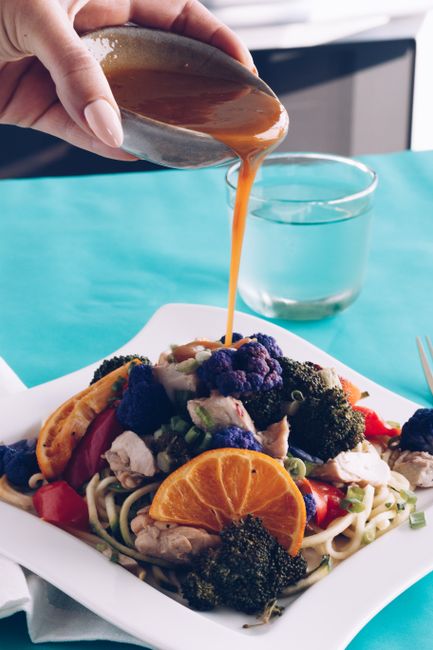
- Stir-Fry: Use whatever vegetables you have on hand (fresh or frozen) and a protein source like chicken thighs (often cheaper than breast), tofu, or even just extra vegetables and a can of beans. A simple sauce made with soy sauce, ginger, garlic, and a touch of honey or sugar ties it all together. Serve over rice.
- Fried Rice: A fantastic way to use up leftover rice. Sauté cooked rice with scrambled eggs, vegetables (frozen peas and carrots are ideal), and soy sauce.
-
Chicken and Egg Combos:
- Sheet Pan Chicken and Roasted Vegetables: Chicken thighs or drumsticks are often more affordable and flavorful than breasts. Toss them on a baking sheet with chopped root vegetables like potatoes, carrots, and onions, season generously, and roast until cooked through. Minimal cleanup, maximum flavor.
- Shakshuka: A Middle Eastern and North African dish of eggs poached in a spiced tomato and pepper sauce. It’s incredibly flavorful, uses inexpensive ingredients, and is a comforting one-pan meal. Serve with crusty bread for dipping.
Snacks: Smart Choices to Beat the Cravings
Snacking between meals is common, but opting for pre-packaged, processed snacks can quickly drain a budget. Focus on whole, unprocessed options that offer sustained energy.
- Fruits and Vegetables: Apples, bananas, oranges, carrots, and celery sticks are relatively inexpensive and provide essential vitamins and fiber.
- Nuts and Seeds: While a bit of an upfront cost, a small bag of nuts or seeds can last for a while and provides healthy fats and protein. Portion them out to avoid overconsumption.
- Popcorn: Air-popped popcorn is incredibly cheap and a satisfyingly crunchy snack. Season it with salt, pepper, or nutritional yeast for a cheesy flavor.
- Hard-Boiled Eggs: As mentioned for breakfast, these are also excellent portable snacks.
- Yogurt with Fruit: A small container of plain yogurt with some frozen berries or sliced banana is a quick and healthy option.
Tips for Success and Sustainability:
- Master a Few Core Techniques: Learning to sauté, roast, and boil effectively will unlock a world of recipe possibilities.
- Embrace Spice and Herbs: A small investment in a few basic spices (chili powder, cumin, paprika, garlic powder) and dried herbs can transform bland ingredients into delicious meals. Fresh herbs can be grown on a windowsill.
- Invest in a Few Basic Kitchen Tools: A good knife, a cutting board, a sturdy pot and pan, and a baking sheet will serve you well throughout your college years.
- Batch Cooking: Dedicate a few hours on the weekend to cook larger batches of staples like rice, beans, or roasted vegetables. This saves time and effort during the week.
- Don’t Be Afraid of Frozen: Frozen fruits and vegetables are picked at their peak ripeness and flash-frozen, preserving nutrients. They are often cheaper than fresh and last much longer.
- Utilize Your Freezer: Freeze leftover portions of meals, bread nearing its expiration date, or bulk purchases of meat or produce.
- Share with Roommates: If you have roommates, consider pooling resources for bulk buys of pantry staples or sharing the cooking of larger meals to reduce individual costs and effort.
- Reduce Food Waste: Proper storage, creative use of leftovers, and mindful purchasing are crucial for maximizing your food budget.
By adopting these strategies and experimenting with the suggested meal ideas, college students can effectively navigate their culinary landscape on a budget. Cheap and easy doesn’t have to mean boring or unhealthy. With a little planning, resourcefulness, and a willingness to experiment, students can enjoy delicious, satisfying meals that support their academic pursuits and their financial well-being. The skills learned in the college kitchen can extend far beyond graduation, fostering a lifelong appreciation for cost-effective and enjoyable home cooking.