
Baked Pork Chops And Rice

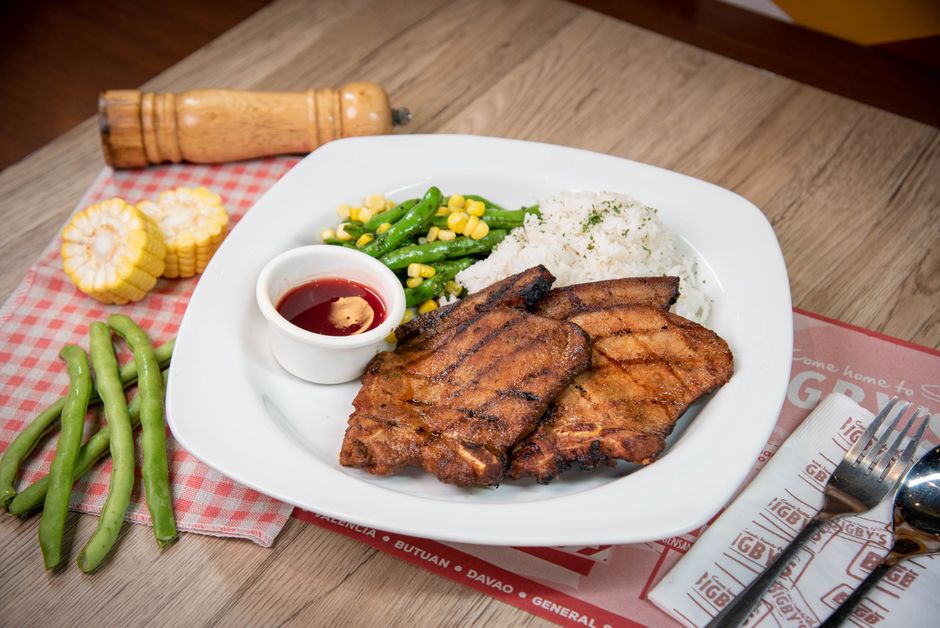
The Ultimate Guide to Baked Pork Chops and Rice: A Flavorful and Effortless Meal
Baked pork chops and rice represent a cornerstone of comforting, home-style cooking, offering a satisfying and remarkably adaptable meal. This combination transcends simplicity, allowing for a depth of flavor and texture that appeals to a wide range of palates. The inherent versatility of both pork chops and rice means that this seemingly basic dish can be elevated with diverse seasonings, marinades, and cooking techniques, transforming it from an everyday staple into a gourmet experience. The ease of preparation also contributes to its enduring popularity, making it an ideal choice for busy weeknights or casual entertaining. This comprehensive guide delves into the intricacies of achieving perfectly baked pork chops and fluffy, flavorful rice, exploring essential techniques, ingredient choices, and creative variations to help home cooks master this beloved dish.
Selecting the right pork chops is paramount to achieving optimal results. The most common cuts for baking are bone-in or boneless pork chops, typically ranging from ½ inch to 1 ½ inches thick. Bone-in chops often boast superior flavor and moisture retention due to the presence of the bone, which acts as an insulator during cooking. However, boneless chops offer a quicker cooking time and are generally easier to eat. When choosing, look for pork with a good amount of marbling – those thin streaks of fat interspersed within the muscle. Marbling contributes significantly to juiciness and flavor, preventing the pork from becoming dry. The color of the pork should be a healthy pink. Avoid chops that appear gray or have excessive moisture pooling in the packaging, as this can indicate the meat is not fresh. For baked pork chops, consider cuts like the rib chop, loin chop, or sirloin chop. The rib chop, with its distinctive T-bone shape, is prized for its tenderness and rich flavor. The loin chop, often larger, is also tender and lean. Sirloin chops, while slightly leaner, can still yield excellent results when cooked properly. The thickness of the chop plays a crucial role in cooking time; thicker chops require a longer baking period but are less likely to overcook. For consistent results, aim for chops that are relatively uniform in thickness. Properly storing pork chops is also essential. Refrigerate raw pork chops in their original packaging or in an airtight container for no more than 1-2 days before cooking. Freezing is an option for longer storage, typically for up to 4-6 months.
The foundation of flavorful baked pork chops lies in their preparation and seasoning. Before baking, it is highly recommended to bring the pork chops to room temperature. This allows for more even cooking, preventing the exterior from becoming overcooked while the interior remains underdone. Allow the chops to sit on the counter for 20-30 minutes before cooking. Patting the pork chops thoroughly dry with paper towels is another critical step. This removes surface moisture, which hinders the development of a desirable sear or crust, even in the oven. A dry surface allows for better caramelization of the natural sugars in the meat, leading to more intense flavor. Seasoning is where personal preference truly shines. A basic yet effective seasoning blend includes salt, black pepper, and garlic powder. However, the possibilities are vast. Consider adding smoked paprika for a smoky depth, onion powder for savory notes, dried herbs like thyme, rosemary, or sage for aromatic complexity, or a pinch of cayenne pepper for a hint of heat. For a more robust flavor profile, consider a marinade. Marinades not only infuse the pork with flavor but also help tenderize the meat. Common marinade ingredients include olive oil, soy sauce or Worcestershire sauce, lemon juice or vinegar (for acidity), garlic, herbs, and spices. A simple marinade could consist of olive oil, Dijon mustard, minced garlic, and dried herbs. For a sweeter profile, honey or maple syrup can be incorporated. Ensure the pork chops are marinated for at least 30 minutes, or up to several hours in the refrigerator, depending on the acidity of the marinade. If marinating for an extended period, ensure the marinade does not contain excessive amounts of acidic ingredients like pure lemon juice or vinegar, as prolonged exposure can lead to a mushy texture.
Baking the pork chops requires attention to temperature and time to achieve a moist and tender result. Preheat your oven to a moderate temperature, typically between 375°F and 425°F (190°C to 220°C). A higher temperature promotes browning and a quicker cook, while a slightly lower temperature allows for more gentle cooking. For most bone-in or boneless chops around 1 inch thick, a temperature of 400°F (200°C) is a good starting point. Place the seasoned or marinated pork chops in a single layer on a baking sheet or in an oven-safe skillet. If using a baking sheet, lining it with parchment paper or aluminum foil can facilitate cleanup. Using an oven-safe skillet, such as cast iron, allows for a beautiful sear on the stovetop before transferring to the oven, adding another layer of flavor and texture. The cooking time will vary based on the thickness of the chops and the oven temperature. As a general guideline, ½-inch thick chops will take approximately 15-20 minutes, while 1-inch thick chops will require 20-30 minutes, and 1 ½-inch thick chops may need 30-40 minutes. The most accurate way to determine doneness is to use a meat thermometer. Pork is safely cooked when it reaches an internal temperature of 145°F (63°C) in the thickest part of the chop, away from the bone. It is crucial to avoid overcooking, which can render the pork dry and tough. Carryover cooking will continue to raise the internal temperature by a few degrees after the chops are removed from the oven, so it’s often best to remove them when they are a couple of degrees shy of your target temperature. Resting the pork chops after baking is an essential step that cannot be overlooked. Tent the cooked chops loosely with aluminum foil and let them rest for 5-10 minutes. This allows the juices to redistribute throughout the meat, resulting in a more succulent and flavorful final product.
Perfectly cooked rice serves as the ideal accompaniment to baked pork chops, absorbing their delicious juices and providing a comforting base for the meal. The type of rice chosen significantly impacts the final texture and flavor. Long-grain white rice, such as Basmati or Jasmine, is a popular choice for its fluffy, separate grains. Medium-grain rice, like Arborio, is better suited for creamy risottos but can also work here if a slightly stickier texture is desired. Brown rice offers a nuttier flavor and firmer texture, requiring a longer cooking time and more liquid. For this dish, long-grain white rice is generally recommended for its neutral flavor and ability to absorb sauces. The ratio of rice to liquid is critical. A standard ratio for long-grain white rice is 1 part rice to 2 parts liquid (water or broth). Using broth instead of water will infuse the rice with additional flavor. Chicken, vegetable, or even beef broth can be used, depending on the desired flavor profile. Before cooking, rinsing the rice under cold water is a recommended step. This removes excess starch, which can contribute to clumpy rice. Place the rinsed rice in a saucepan and add the liquid. For enhanced flavor, consider adding a pinch of salt and a bay leaf to the cooking liquid. Bring the liquid to a boil over medium-high heat. Once boiling, reduce the heat to low, cover the saucepan tightly, and simmer for approximately 15-20 minutes, or until the liquid is absorbed and the rice is tender. Avoid lifting the lid during the cooking process, as this allows steam to escape, disrupting the cooking cycle. Once cooked, remove the saucepan from the heat and let it stand, covered, for another 5-10 minutes. This steaming period allows the grains to finish cooking and become perfectly fluffy. Fluff the rice gently with a fork before serving.
Elevating baked pork chops and rice involves incorporating additional flavors and textures. One popular variation involves preparing a simple pan sauce. After baking and resting the pork chops, deglaze the skillet used for cooking (if oven-safe) by adding a small amount of broth, wine, or even water to the hot pan. Scrape up any browned bits from the bottom of the pan, which are packed with flavor. Simmer this liquid, reducing it slightly, and season to taste with salt, pepper, and any desired herbs or spices. A knob of butter can be stirred in at the end for added richness and a glossy finish. Another approach is to create a flavorful topping for the pork chops. Caramelized onions offer a sweet and savory counterpoint to the pork. Sauté thinly sliced onions in butter or oil over low heat for an extended period until they are deeply golden brown and tender. This process can take 30-45 minutes. Garlic butter, a simple mix of softened butter, minced garlic, and herbs, can be spread over the pork chops during the last few minutes of baking for an extra boost of flavor. For a touch of acidity and freshness, a topping of chopped fresh herbs, such as parsley or chives, can be sprinkled over the finished dish. Incorporating vegetables directly into the rice or baking pan is another excellent way to enhance the meal. Peas, carrots, corn, or finely diced bell peppers can be added to the rice during the last few minutes of cooking, or roasted alongside the pork chops. This transforms the dish into a more complete and balanced meal. Consider preparing a savory rice pilaf by sautéing aromatics like onions and garlic in butter before adding the rice and broth. Toasted nuts, such as slivered almonds or chopped pecans, can add a delightful crunch and nutty flavor to both the rice and as a garnish.
The nutritional profile of baked pork chops and rice makes it a balanced meal. Pork is a good source of lean protein, essential for muscle repair and growth, as well as various B vitamins, including thiamine, niacin, and riboflavin, which are vital for energy metabolism. Iron and zinc are also present, contributing to immune function and oxygen transport. White rice, while primarily a source of carbohydrates for energy, can be fortified with iron and B vitamins. When choosing leaner cuts of pork and controlling portion sizes, this meal can fit into a healthy eating plan. The use of whole grains like brown rice can further enhance the fiber content, promoting digestive health and satiety. By incorporating plenty of vegetables and minimizing the use of excessive fats or sodium in seasonings and sauces, baked pork chops and rice can be a wholesome and satisfying option. The key to maximizing its health benefits lies in mindful ingredient selection and preparation methods. Opting for baked or grilled pork over fried versions significantly reduces saturated fat intake. Utilizing a variety of herbs and spices instead of high-sodium seasonings also contributes to a healthier meal.
When considering SEO optimization for this article, several key strategies are employed. The title itself, "The Ultimate Guide to Baked Pork Chops and Rice: A Flavorful and Effortless Meal," is designed to be highly searchable, incorporating primary keywords like "baked pork chops" and "rice." Throughout the text, these keywords are naturally integrated into headings, subheadings, and body paragraphs. Related terms such as "pork chops recipe," "easy dinner ideas," "comfort food," "chicken and rice," "pork loin," "pork tenderloin," and "rice pilaf" are also woven into the content to capture a broader range of search queries. The detailed exploration of ingredients, cooking techniques, and variations provides depth and authority, signaling to search engines that this is a comprehensive resource. The inclusion of nutritional information and tips for healthy preparation further adds value and targets users interested in specific dietary aspects. The article’s structure, with clear paragraphs and logical progression, enhances readability for both users and search engine crawlers. The emphasis on actionable advice and practical tips makes the content engaging and useful, increasing the likelihood of user interaction and shares, which positively impact SEO. The use of descriptive language and a thorough breakdown of the cooking process aims to answer user intent effectively, ensuring that readers find the information they are looking for. By covering every aspect of the dish, from selection to variations and nutritional value, the article establishes itself as a go-to resource, driving organic traffic and improving search engine rankings for relevant keywords. The inherent simplicity and popularity of the dish mean that many users will be searching for solutions and guidance on how to prepare it perfectly, and this article aims to be that definitive solution. The clear, step-by-step instructions and explanations ensure that even novice cooks can achieve successful results, further enhancing user satisfaction and encouraging repeat visits.


