
Slow Cooker Bone Broth

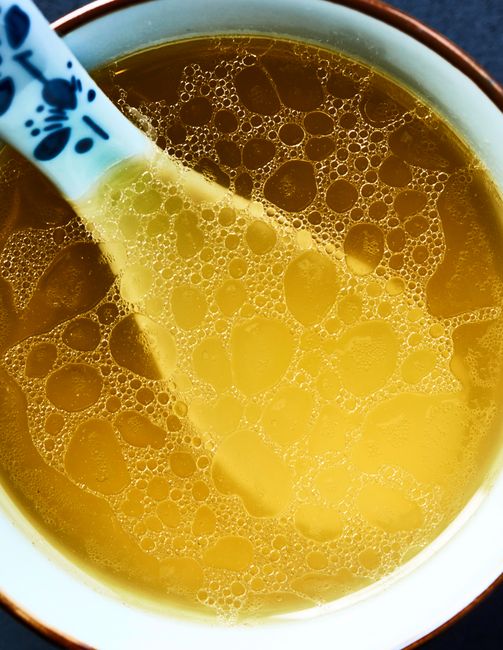
Slow Cooker Bone Broth: A Comprehensive Guide to Nutrient-Rich Homemade Elixir
The resurgence of interest in traditional foods has brought bone broth to the forefront as a powerhouse of nutrition and a versatile kitchen staple. Making bone broth at home, particularly using the convenience of a slow cooker, unlocks a deeply nourishing and cost-effective way to supplement your diet. This article delves into the specifics of creating exceptional slow cooker bone broth, covering everything from ingredient selection to optimal cooking times and troubleshooting common issues, all while optimizing for search engine discoverability.
The fundamental principle behind bone broth is the extraction of minerals, collagen, and amino acids from animal bones and connective tissues through a long, slow simmering process. Unlike a quick stock, which primarily focuses on flavoring, bone broth prioritizes the nutrient density derived from the collagen and marrow. Slow cooking, especially in a Crock-Pot or similar appliance, is ideal because it maintains a low, consistent temperature over an extended period, facilitating maximum nutrient release without degrading delicate compounds. The low-and-slow method is crucial for breaking down the collagen into gelatin and extracting the full spectrum of beneficial elements.
Selecting the right bones is paramount to producing a flavorful and nutrient-rich bone broth. For beef bone broth, prioritize marrow bones, knuckle bones, and oxtail. These cuts are rich in marrow, which contributes a desirable richness and mouthfeel, as well as gelatin-producing cartilage. Grass-fed and organic sources are often recommended, not only for their perceived superior nutrient profile but also to minimize potential exposure to hormones and antibiotics often found in conventionally raised animals. Similarly, for chicken bone broth, consider using whole chickens or chicken backs, necks, and feet. Chicken feet are exceptionally high in collagen due to their skin and connective tissues, making them a secret weapon for gelatinous broth. For pork, shoulder bones or trotters are excellent choices. The fresher the bones, the better the resulting broth will be. Many butchers will happily provide bones, often for free or at a nominal cost. Inquire about bones from pasture-raised animals for the highest quality.
The preparation of bones before simmering significantly impacts the final broth. Roasting the bones is a crucial step that enhances flavor and color. Place the bones on a baking sheet and roast them in a preheated oven at around 400-450°F (200-230°C) for 30-60 minutes, or until they are deeply browned. This caramelization process, known as the Maillard reaction, develops complex, savory notes that a simple boil cannot achieve. While optional, roasting is highly recommended for superior taste and appearance. After roasting, drain off any excess fat if desired, though some prefer to leave it in for added richness.
Aromatic vegetables, often referred to as mirepoix when using the classic onion, carrot, and celery combination, are essential for building flavor complexity in bone broth. These vegetables, when simmered, release their essential oils and natural sugars, contributing to a well-rounded taste profile. For a standard batch, use roughly one to two onions, two to three carrots, and two to three celery stalks. Chop them into large chunks; precise cuts are unnecessary as they will be strained out later. Other optional aromatics include garlic cloves (halved or smashed), bay leaves, whole peppercorns, and fresh herbs like parsley stems, thyme, and rosemary. The quality of these vegetables also matters; organic options will yield cleaner flavors. Avoid cruciferous vegetables like broccoli or cauliflower, as their sulfur compounds can impart an unpleasant bitterness to the broth.
The addition of an acidic element to the simmering liquid aids in the extraction of minerals from the bones. Apple cider vinegar is the most popular choice due to its mild flavor and perceived health benefits. Use one to two tablespoons of raw, unfiltered apple cider vinegar per pound of bones. Other acidic options include lemon juice or red wine vinegar, though apple cider vinegar is generally preferred for its neutral impact on taste. The acid helps to break down the connective tissues, releasing valuable minerals like calcium, magnesium, and phosphorus into the broth. This is a critical step for maximizing the nutritional output of your bone broth.
The process of making slow cooker bone broth is straightforward. After preparing and adding the bones, vegetables, and acidic element to the slow cooker, cover them with filtered water. Ensure the bones and vegetables are fully submerged. Do not overfill the slow cooker, as this can lead to uneven cooking and a less concentrated broth. The goal is a rich, nutrient-dense liquid, not a diluted soup. For optimal extraction, allow the broth to simmer for an extended period. The general recommendation for slow cooker bone broth is a minimum of 24 hours, and often up to 72 hours. The exact duration depends on the type of bones used and the desired richness. Beef bones typically benefit from longer cooking times than chicken bones. A low setting on the slow cooker is essential to maintain a gentle simmer, not a rolling boil, which can emulsify the fat and create a cloudy broth.
During the simmering process, some foam and scum may rise to the surface, particularly in the initial hours. Skim this off with a fine-mesh sieve or a slotted spoon. This step removes impurities and contributes to a clearer, cleaner-tasting broth. While not strictly necessary for nutritional value, it enhances the aesthetic appeal and palatability. Some practitioners believe that skimming removes beneficial components, but for most home cooks aiming for a palatable and visually appealing broth, this is a worthwhile step.
Once the simmering is complete, the next crucial step is straining the broth. Carefully remove the solids from the slow cooker using a slotted spoon. Then, line a fine-mesh sieve with cheesecloth (several layers are recommended for maximum clarity) and place it over a large bowl or pot. Ladle the hot broth through the sieve, allowing it to drain completely. Press down gently on the solids to extract any remaining liquid, but avoid excessive force, which can push fine particles through the sieve. The solids can then be discarded or composted.
After straining, you will likely have a significant amount of fat on the surface of the broth. For a leaner broth, allow the strained liquid to cool in the refrigerator for several hours or overnight. The fat will solidify on the surface and can be easily skimmed off with a spoon. If you prefer a richer broth, you can leave some of the fat in. The amount of fat will vary depending on the types of bones used. Marrow bones will contribute considerably more fat than leaner cuts.
The final step is storage. Bone broth can be stored in airtight containers in the refrigerator for up to 4-5 days. For longer storage, freezing is the most effective method. Bone broth freezes exceptionally well. You can portion it into ice cube trays for convenient small servings, or into larger containers or freezer bags for bigger quantities. Properly frozen bone broth can maintain its quality for several months.
Troubleshooting common issues is part of mastering bone broth production. If your broth is cloudy, it’s likely due to boiling too vigorously, overcrowding the slow cooker, or not skimming impurities. Using lower heat and skimming diligently will help prevent this. If the broth lacks flavor, consider using a higher ratio of bones to water, roasting the bones thoroughly, or adding more aromatic vegetables. A watery broth may indicate insufficient simmering time or too much water added initially. Conversely, if your broth is too fatty, diligent skimming after chilling is the solution.
The nutritional benefits of slow cooker bone broth are extensive. It is an excellent source of collagen, which breaks down into gelatin, a protein that supports skin elasticity, joint health, and gut integrity. The minerals extracted, such as calcium, magnesium, and phosphorus, are vital for bone health and numerous bodily functions. Bone broth also provides amino acids like glycine, proline, and glutamine, which play roles in inflammation reduction, tissue repair, and immune function. Glycine, in particular, is known for its calming properties and its role in detoxification. Glutamine is crucial for the health of the intestinal lining.
Bone broth’s versatility in the kitchen extends far beyond its health benefits. It can be used as a base for soups, stews, and sauces, adding depth of flavor and nutritional value. It can be sipped on its own as a warm, comforting beverage, especially during cold weather or when feeling unwell. It can also be used to cook grains like rice or quinoa, infusing them with extra flavor and nutrients. Its gelatinous nature makes it an excellent natural thickener for gravies and sauces, eliminating the need for processed thickeners.
When considering SEO for this topic, keywords such as "slow cooker bone broth," "homemade bone broth," "nutrient-rich broth," "collagen broth," "gelatinous broth," "beef bone broth recipe," "chicken bone broth recipe," "health benefits of bone broth," and "how to make bone broth" are highly relevant. Incorporating these terms naturally within the text, particularly in headings, subheadings, and the initial paragraphs, will improve search engine rankings. The detailed, step-by-step nature of this guide, coupled with practical troubleshooting tips, caters to users actively searching for comprehensive information on making bone broth. The emphasis on ingredients, preparation, and cooking times provides actionable advice, which search engines favor.
The sustainability aspect of making bone broth also warrants mention. Utilizing bones that might otherwise be discarded from meat preparation is a resourceful and economical practice. It reduces food waste and provides a nutrient-dense food source from commonly overlooked ingredients. This aligns with a growing consumer interest in mindful consumption and zero-waste cooking.
In conclusion, mastering slow cooker bone broth is a rewarding culinary endeavor that yields a profoundly nourishing and adaptable ingredient. By understanding the importance of bone selection, proper preparation, extended simmering, and careful straining, home cooks can consistently produce a high-quality, nutrient-dense elixir that supports overall well-being and enhances the flavor of countless dishes. The accessibility of slow cooker technology makes this traditional practice more achievable than ever for busy individuals and families seeking to incorporate the benefits of bone broth into their diets. This comprehensive guide aims to empower users to create exceptional bone broth, optimize their results, and harness its full potential.


