
Best Ever Carne Asada Marinade

The Ultimate Guide to the Best Ever Carne Asada Marinade
Achieving truly exceptional carne asada goes beyond simply grilling a piece of marinated beef. It’s a symphony of flavors, a delicate balance of citrus, savory, and aromatic elements that transforms a humble cut of steak into a culinary masterpiece. This article will delve deep into the science and art behind the best carne asada marinade, exploring the essential components, their roles, and how to harness them for unparalleled taste and tenderness. Forget pre-made sauces and mediocre grilling; this is your comprehensive blueprint for carne asada perfection.
At its core, a superior carne asada marinade serves two primary functions: to tenderize the meat and to infuse it with a complex and irresistible flavor profile. The tenderizing aspect is crucial, especially when working with cuts that might otherwise be tough or chewy. Acids, whether from citrus fruits or fermented ingredients, play a vital role here. They begin to break down the tough connective tissues in the muscle fibers, resulting in a more succulent and palatable bite. However, it’s a delicate dance; too much acid or too long a marination time can actually "cook" the exterior of the meat, creating a mushy texture rather than tenderizing it. Therefore, understanding the interplay between acidic ingredients and marination duration is paramount.
Flavor infusion is where the magic truly happens. A great marinade doesn’t just sit on the surface; it penetrates the meat, imparting layers of taste that develop and meld during the cooking process. This involves a strategic combination of salty, sweet, sour, bitter, and umami elements. Salt is fundamental for enhancing existing flavors and drawing out moisture to facilitate deeper penetration of other marinade components. Citrus provides brightness and cuts through richness. Aromatics, like garlic and herbs, contribute pungent and herbaceous notes. Spices offer warmth and complexity, while fats, such as olive oil, help to carry fat-soluble flavors into the meat and prevent it from drying out during grilling.
Let’s dissect the foundational ingredients that form the bedrock of an exceptional carne asada marinade. Citrus is non-negotiable. Limes are the undisputed champions here, their tartness and distinct citrusy aroma being intrinsically linked to authentic carne asada. The juice of fresh limes is essential; bottled lime juice simply doesn’t deliver the same vibrant punch. Some recipes incorporate orange juice as well, which adds a subtle sweetness and a touch of complexity without overpowering the lime. The natural sugars in orange juice can also aid in caramelization during grilling, contributing to those coveted browned edges. The acidity of both lime and orange juice works synergistically to tenderize the meat.
Garlic is another indispensable component. Its pungent, savory flavor is a cornerstone of many marinades, and carne asada is no exception. Freshly minced garlic offers a much more potent and nuanced flavor than garlic powder, though both can be used. The allicin compounds in garlic, released when crushed or minced, are not only flavorful but also possess antimicrobial properties, which can be beneficial when marinating raw meat. The intensity of garlic can vary, so adjusting the quantity to your personal preference is always a good idea.
Herbs are where regional variations and personal touches come into play. Cilantro is the quintessential herb for carne asada, its fresh, slightly peppery, and citrusy notes harmonizing beautifully with the other marinade ingredients. Use fresh cilantro leaves and tender stems for the best flavor. Parsley can also be incorporated for added freshness, though it’s less traditional. Oregano, particularly Mexican oregano, adds a more earthy and robust herbaceousness that complements the grilled meat.
Spices are the architects of depth and warmth. Cumin is a must-have, its smoky, earthy, and slightly nutty notes providing a crucial layer of complexity. Black pepper, freshly ground, adds a pleasant bite and pungency. For a touch of heat, a pinch of cayenne pepper or a finely diced jalapeño or serrano pepper can be incorporated. Smoked paprika offers a subtle smokiness and a beautiful reddish hue to the marinade, enhancing its visual appeal.
The role of oil in a carne asada marinade is often underestimated. Olive oil, particularly extra virgin olive oil, is a popular choice. Its mild flavor won’t compete with the other ingredients, and its healthy fats help to emulsify the marinade, ensuring a more even coating on the meat. Crucially, oil helps to carry fat-soluble flavor compounds from the spices and herbs into the meat, enhancing the overall taste. It also creates a barrier that can prevent the meat from drying out during the high-heat cooking process.
Salt is the universal flavor enhancer. Without adequate salt, even the most well-balanced marinade will taste bland. Kosher salt or sea salt are preferred over iodized table salt, as they have a cleaner flavor and are less likely to impart a metallic taste. The amount of salt will depend on the quantity of meat and the other salty ingredients in the marinade, such as soy sauce.
Beyond these core components, several "secret weapon" ingredients can elevate your carne asada marinade from great to legendary. Soy sauce, for instance, introduces a significant umami boost and a subtle saltiness. It’s a common addition in many modern interpretations of carne asada marinade and contributes a rich, savory depth. Worcestershire sauce is another umami powerhouse, adding a complex blend of vinegar, molasses, anchovies, and spices that creates a savory, tangy, and slightly sweet profile. Its unique flavor profile is difficult to replicate and adds a sophisticated layer to the marinade.
A touch of sweetness can balance the acidity and saltiness. Honey or brown sugar can be used sparingly. The sugars help with caramelization, creating those desirable crispy edges on the grilled meat. However, be mindful of the quantity; too much sugar can lead to excessive charring and a burnt flavor.
For a truly authentic and exceptionally tender result, consider incorporating a tenderizing agent beyond citrus. Beer, particularly a lager or pilsner, can add a subtle malty sweetness and carbonation that aids in tenderization. The hop flavors are generally mild and complement the other marinade ingredients. Some adventurous cooks even use ingredients like pineapple juice (due to its high bromelain enzyme content) or papaya puree, which are potent tenderizers. However, these require extreme caution and significantly shorter marination times to avoid turning the meat into a mushy mess.
When assembling your best ever carne asada marinade, the order and method of combining ingredients matter. Begin by combining your liquid ingredients: citrus juices, soy sauce, Worcestershire sauce, and any beer or other liquids. Then, whisk in your aromatics like minced garlic and finely chopped cilantro or other herbs. Next, incorporate your spices, ensuring they are evenly distributed. Finally, drizzle in your oil, whisking constantly to emulsify the marinade. This systematic approach ensures that all components are well-integrated and ready to work their magic on the meat.
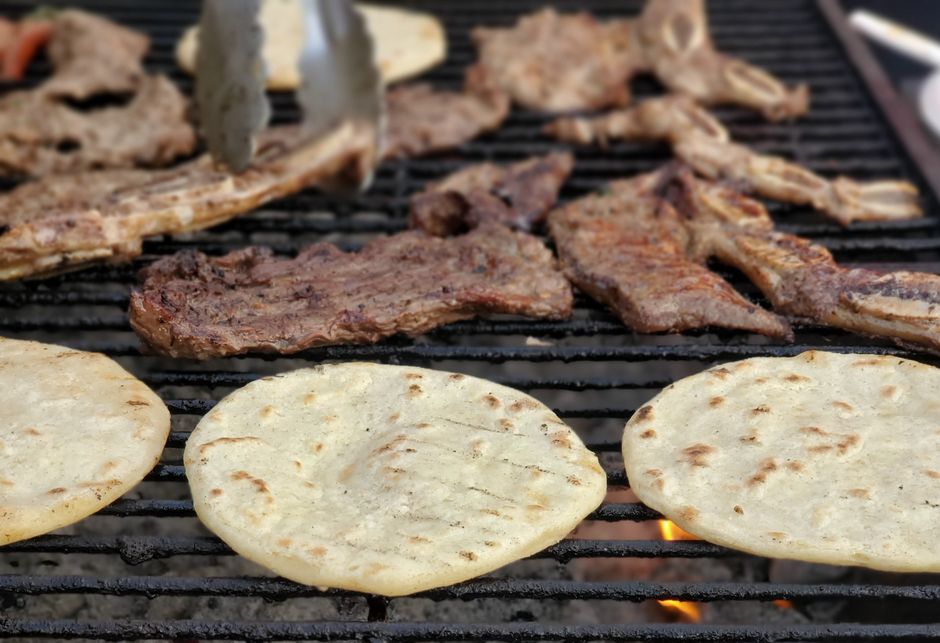
The choice of meat for carne asada is as important as the marinade itself. While you can marinate almost any beef cut, flank steak, skirt steak, and flap meat are traditionally favored for their texture and ability to absorb marinade. These cuts have a good amount of fat interspersed within the muscle fibers, which renders during cooking, adding moisture and flavor. Flank steak is leaner and has a more pronounced grain, making it ideal for slicing against the grain after cooking. Skirt steak is known for its rich, beefy flavor and is often more tender than flank steak. Flap meat is a less common but equally delicious option, offering a good balance of flavor and texture. Regardless of the cut, look for good marbling – those thin streaks of fat running through the meat.
The duration of marination is a critical factor that often gets overlooked. While a minimum of 30 minutes is recommended for some flavor infusion, for optimal tenderness and flavor penetration, marinating for at least 2-4 hours is ideal. Many experts recommend marinating overnight (8-12 hours) for the deepest flavor and most tender results, especially with leaner cuts. However, it’s crucial to avoid over-marinating, particularly with highly acidic marinades, as this can degrade the meat’s texture. Always marinate meat in the refrigerator.
When it comes to grilling, high heat is your friend for carne asada. A scorching hot grill sears the exterior of the meat, creating those desirable caramelized bits while keeping the interior juicy and tender. Remove the meat from the marinade, letting any excess drip off, but do not rinse it. Sear the meat for a few minutes per side, depending on the thickness of the cut and your desired level of doneness. The internal temperature for medium-rare carne asada is typically around 130-135°F (54-57°C).
Resting the meat after grilling is a non-negotiable step for succulent carne asada. Once removed from the grill, tent the meat loosely with foil and let it rest for at least 5-10 minutes. This allows the juices to redistribute throughout the meat, preventing them from all running out when you slice into it.
Finally, slicing is key to enjoying your perfectly marinated and grilled carne asada. Always slice the meat against the grain. You can identify the grain by looking for the direction of the muscle fibers. Slicing against them shortens these fibers, making the meat much easier to chew and more tender.
The "best ever" carne asada marinade is subjective and can be influenced by personal taste and regional traditions. However, by understanding the fundamental principles of tenderization and flavor development, and by strategically combining high-quality ingredients, you can craft a marinade that consistently delivers exceptional results. Experiment with the proportions of citrus, aromatics, spices, and the inclusion of umami-rich ingredients like soy sauce or Worcestershire to discover your personal favorite rendition. The journey to the best carne asada is one of exploration and refinement, built upon a solid foundation of culinary understanding.


