
Best Meal Prep Containers

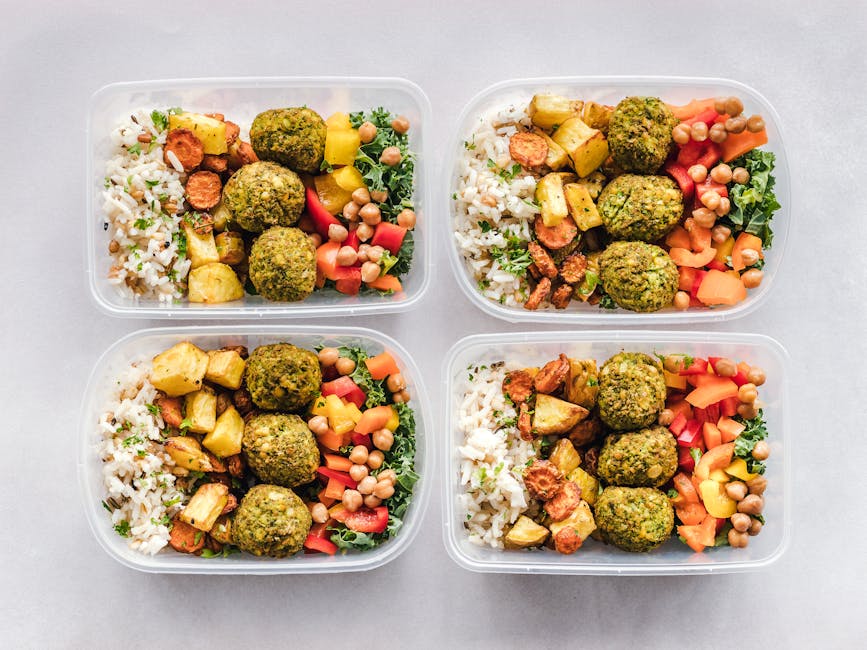
The Ultimate Guide to the Best Meal Prep Containers: Organize, Simplify, and Eat Healthier
Meal prepping has surged in popularity as a powerful strategy for managing nutrition, saving time, and reducing food waste. At the heart of any successful meal prep routine lies the quality and functionality of the containers used. Choosing the right meal prep containers is not merely about storage; it’s about creating a seamless system that supports your health goals and simplifies your busy life. This comprehensive guide will delve into the critical factors to consider when selecting the best meal prep containers, explore the diverse range of materials and features available, and highlight top-rated options to help you make an informed decision. Understanding these elements will empower you to build an efficient and enjoyable meal prep practice, transforming your approach to eating and ultimately contributing to a healthier lifestyle.
The efficacy of meal prepping hinges significantly on the containers you utilize. Poorly chosen containers can lead to spills, food spoilage, difficulty reheating, and an overall frustrating experience. Conversely, the right containers can safeguard your food, maintain its freshness, facilitate easy transport, and ensure enjoyable consumption. Key considerations when evaluating meal prep containers include durability, leak-proof capabilities, portion control features, microwave and dishwasher safety, freezer compatibility, material type (glass vs. plastic), and overall capacity. Each of these aspects plays a crucial role in determining how well a container will serve its intended purpose and integrate into your daily routine.
Durability is a paramount concern for any meal prep container. Frequent use, washing, and transport can quickly degrade flimsy containers. Opt for robust materials that can withstand the rigors of daily life. For plastic containers, look for BPA-free, food-grade polypropylene (PP) or high-density polyethylene (HDPE). These plastics are generally more resilient and less prone to cracking or warping. Glass containers, while inherently more durable in terms of resisting scratches and stains, are susceptible to breakage if dropped. However, tempered glass offers increased resilience against thermal shock and impact. The longevity of your meal prep containers directly impacts their cost-effectiveness over time. Investing in durable options upfront will save you money and the hassle of frequent replacements.
Leak-proof design is non-negotiable for transporting meals, especially those containing liquids or sauces. A poorly sealed container can lead to messy spills in your bag, car, or at your workplace, negating the convenience of meal prepping. Look for containers with secure locking mechanisms, such as snap-on lids with silicone seals or airtight clasps. Gasket seals made of silicone are particularly effective at creating a watertight barrier. The lid should fit snugly and securely onto the base, preventing any accidental leakage. Testing the leak-proof capabilities of your chosen containers, perhaps with water before committing to food, is a wise precautionary step.
Portion control is a cornerstone of effective meal prepping for those managing dietary goals, such as weight loss or muscle gain. Containers with built-in dividers are invaluable for separating different food components, preventing them from becoming soggy or mixed together. These dividers also facilitate accurate portioning, ensuring you consume the intended amount of carbohydrates, proteins, and vegetables. Compartmentalized containers are available in various configurations, from simple two-compartment designs to more elaborate three or four-compartment options. The size and depth of the compartments should be sufficient to hold your desired meal portions.
Microwave and dishwasher safety are essential for convenience and hygiene. Meal prep often involves reheating food, so containers must be able to withstand microwave temperatures without melting, warping, or leaching harmful chemicals. Similarly, easy cleaning is crucial. Dishwasher-safe containers minimize manual scrubbing, saving time and effort. Always check the manufacturer’s instructions regarding microwave and dishwasher use to ensure you are operating within safe parameters. Some materials may require specific washing cycles or placement in the dishwasher to maintain their integrity.
Freezer compatibility extends the utility of your meal prep containers, allowing you to prepare meals in advance and store them for longer periods. This is particularly beneficial for bulk prepping. Containers designed for freezer use should be made from materials that remain flexible and resist becoming brittle at low temperatures. Again, BPA-free plastics and tempered glass are generally suitable for freezing. Ensure the lids seal tightly to prevent freezer burn, which can degrade food quality and flavor. Thawing food directly in the container can also be a convenient feature, provided the material is safe for both freezing and subsequent reheating.
The choice between glass and plastic meal prep containers is often a primary decision point for consumers. Both materials offer distinct advantages and disadvantages.
Glass Meal Prep Containers:
- Pros: Non-reactive, meaning they won’t absorb odors or stains. Excellent for reheating as they are microwave-safe and often oven-safe (check manufacturer specifications). Offers a premium feel and visual appeal. Environmentally friendlier as they can be recycled and last longer than many plastics.
- Cons: Heavier than plastic, making them less ideal for very active lifestyles or when minimizing weight is a priority. Prone to breakage if dropped, although tempered glass significantly reduces this risk. Can be more expensive upfront.
Plastic Meal Prep Containers:
- Pros: Lightweight and durable, making them ideal for on-the-go lifestyles. Generally more affordable than glass. Less prone to breakage.
- Cons: Can sometimes stain or absorb odors, especially with strong-colored foods like tomato sauce or turmeric. May not be as aesthetically pleasing as glass. Concerns about BPA and other chemicals in some plastics, necessitating the choice of BPA-free and food-grade options. Some plastics may warp or degrade with prolonged high-heat exposure in microwaves.
When selecting plastic containers, prioritize those explicitly labeled as BPA-free and food-grade. The material type often dictates the overall performance and safety of the container.
Beyond material, several features can elevate the functionality of your meal prep containers. Stackable designs are invaluable for maximizing storage space in your refrigerator and pantry. Nesting containers, where smaller containers fit inside larger ones when not in use, are also excellent for compact storage. Venting lids, often featuring a small adjustable tab, are crucial for microwave reheating. These vents allow steam to escape, preventing pressure buildup and ensuring more even heating without making the food soggy. Some containers come with cutlery or separate snack compartments, offering an all-in-one solution for a complete meal.
Capacity is another practical consideration. Meal prep containers come in a wide range of sizes, from small snack containers to large, family-sized portions. The ideal capacity depends on your individual dietary needs and the types of meals you prepare. For single servings, containers ranging from 24 to 40 ounces are common. For larger meals or meal prepping for multiple people, capacities of 50 ounces or more may be necessary. Many manufacturers offer sets with varying capacities, allowing for flexibility.
Considering the vast array of options available, here are some highly-rated and popular choices that exemplify the best meal prep containers on the market:
Top Meal Prep Container Recommendations:
-
Pyrex Glass Food Storage Containers with Lids: A perennial favorite for a reason. Pyrex offers excellent durability with tempered glass bases, making them both oven and microwave safe. The airtight lids provide secure sealing, preventing leaks. They are also dishwasher safe and come in a variety of shapes and sizes, often sold in convenient multi-packs. Their non-porous nature ensures no lingering odors or stains.
-
Rubbermaid Brilliance BPA-Free Food Storage Containers: For those prioritizing plastic, Rubbermaid Brilliance stands out. These containers are constructed from crystal-clear, BPA-free plastic that resists stains and odors. They boast a vented lid for splatter-resistant microwaving and a highly secure latch system for leak-proof transport. Their modular design allows for efficient stacking and organization.
-
Bento Boxes (Various Brands like Monbento, Bentgo): For those who appreciate organized compartments, bento boxes are a game-changer. Brands like Monbento and Bentgo offer stylish and functional bento boxes, often with multiple tiers and integrated cutlery. They are typically made from durable, BPA-free plastic and are designed for easy transport and a visually appealing presentation of your meal. Ideal for separating different food types and maintaining their textures.
-
OXO Good Grips POP Containers (for Dry Goods): While not traditional "meal prep" containers in the sense of wet meals, OXO POP containers are indispensable for storing dry ingredients used in meal prep, such as grains, pasta, nuts, and seeds. Their airtight seal keeps contents fresh, and their rectangular shape optimizes pantry space. Their clear design allows for easy visibility of contents.
-
WeeKitt Meal Prep Containers: These often come in large bulk packs (e.g., 50 or 100 containers) and are a popular choice for individuals who meal prep extensively. Made from BPA-free polypropylene, they are microwave, dishwasher, and freezer safe. They typically feature two or three compartments for portion control and a secure, albeit sometimes less robust, lid. Excellent value for money for high-volume preppers.
-
HomePro Meal Prep Containers: Similar to WeeKitt, HomePro offers a cost-effective solution for bulk meal prepping. These containers are generally BPA-free, microwave-safe, and feature multiple compartments. They are a reliable option for those who need a large quantity of containers at an affordable price point.
-
KEEZLIFE Glass Meal Prep Containers: A strong competitor in the glass container space. KEEZLIFE containers often feature snap-lock lids with silicone seals, offering superior leak protection. Their tempered glass bases are microwave, oven, and freezer safe, providing versatility. The aesthetic appeal and durability of glass are significant advantages.
When making your final selection, consider the specific needs of your meal prep routine. If you frequently transport salads with dressing, a truly leak-proof and compartmentalized container is essential. If you primarily reheat leftovers, microwave-safe glass might be the best fit. If you have a large family and are prepping multiple meals at once, bulk plastic options could be more economical. Reading customer reviews can provide valuable insights into the real-world performance and durability of different brands and models. Pay attention to comments regarding lid security, staining, and how well the containers hold up after repeated washing.
The investment in quality meal prep containers is an investment in your health, your time, and your overall well-being. By carefully considering durability, leak-proof capabilities, material, safety features, and capacity, you can equip yourself with the tools necessary to create a streamlined and satisfying meal prep system. These containers are not just vessels; they are the foundation upon which a healthier and more organized lifestyle can be built, making the process of eating well an achievable and enjoyable reality.


