
Baked Homemade Macaroni And Cheese

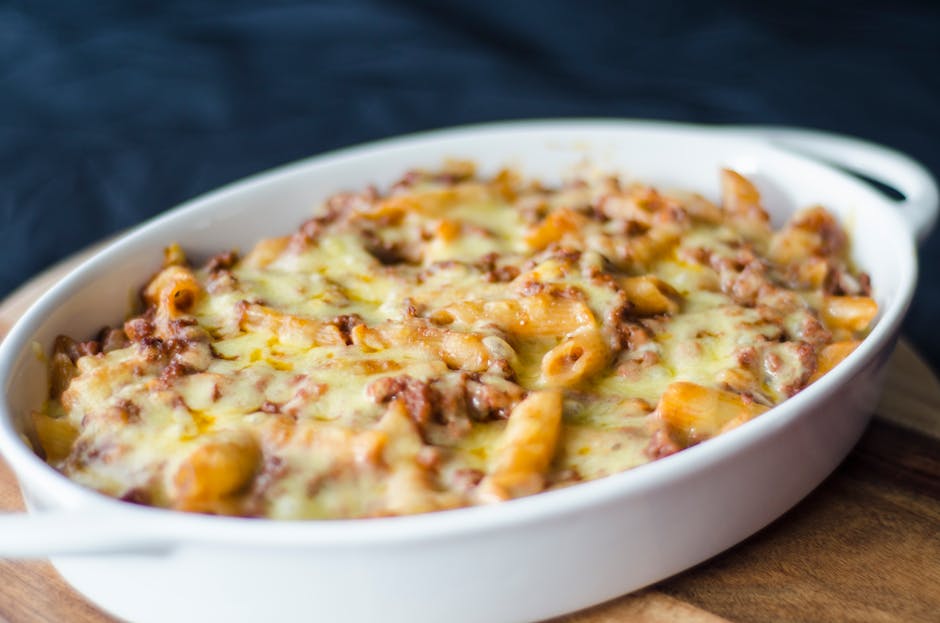
The Ultimate Guide to Oven-Baked Homemade Macaroni and Cheese: Achieving Cheesy Perfection
Achieving the perfect oven-baked homemade macaroni and cheese is a culinary rite of passage, a comfort food masterpiece that transcends generations. This article will provide a comprehensive, SEO-friendly guide to mastering this beloved dish, covering everything from ingredient selection and preparation to baking techniques and troubleshooting. We will delve into the science behind creamy sauces, the art of achieving a golden-brown crust, and the myriad of customization options available to elevate your mac and cheese from good to legendary. Understanding the fundamental components is paramount: pasta, cheese, and the béchamel sauce. The right pasta shape, the ideal cheese blend, and a well-executed sauce are the cornerstones of superior baked macaroni and cheese.
Pasta selection is a critical first step. While elbow macaroni is the traditional choice, its rounded shape can sometimes lead to a less cohesive dish. For optimal sauce adherence and a pleasant bite, consider shapes with nooks and crannies. Cavatappi, with its spiral design, or shells, offering generous cups for molten cheese, are excellent alternatives. Penne, rigatoni, or fusilli also perform admirably. The key is a pasta that can hold onto the sauce and provide textural contrast. Avoid overcooking the pasta; it should be cooked to al dente, as it will continue to soften in the oven. This ensures each bite offers a delightful chew rather than a mushy experience. Rinsing the pasta after draining is a common mistake that washes away precious starch, which aids in sauce binding. Instead, drain thoroughly and proceed directly to combining with the sauce.
The cheese is undoubtedly the heart and soul of mac and cheese. A single cheese can be good, but a blend is what truly unlocks complexity and superior meltability. Sharp cheddar is the undisputed king, providing a tangy, robust flavor. However, combining it with other cheeses introduces nuances. Gruyère offers a nutty, slightly sweet profile and melts beautifully. Fontina contributes a creamy, buttery richness. Monterey Jack or Colby Jack provide mild, creamy meltability without overpowering the other flavors. For a touch of luxury and a more luxurious mouthfeel, a small amount of cream cheese can be incorporated, though this should be done judiciously to avoid an overly processed taste. Avoid pre-shredded cheeses whenever possible. They often contain anti-caking agents that can hinder smooth melting and result in a greasy texture. Grating your own cheese from blocks will yield a far superior, silkier sauce. Experimentation is encouraged; consider adding a touch of Parmesan for a salty kick, or even a smoked gouda for an added layer of depth.
The béchamel sauce, a fundamental element of many creamy pasta dishes, serves as the binder and flavor carrier for baked macaroni and cheese. It’s a simple emulsion of butter, flour, and milk. The ratio is crucial: a roux of equal parts butter and flour, cooked for a minute or two to remove the raw flour taste, is then whisked with milk until smooth and thickened. Whole milk is recommended for its fat content, contributing to a richer sauce. Skim milk can result in a thinner, less satisfying sauce. The thickness of the béchamel should be judged by its ability to coat the back of a spoon. Too thin, and your mac and cheese will be watery; too thick, and it will be gummy. Seasoning the béchamel is an opportunity to build flavor. Salt and freshly ground black pepper are essential. A pinch of nutmeg is a classic addition to béchamel, subtly enhancing the creaminess without imparting a dominant spice flavor. Some chefs advocate for a whisper of garlic powder or onion powder, but these should be used sparingly to avoid detracting from the cheese’s prominence.
The assembly process is where all the carefully selected components come together. The cooked pasta is drained and immediately tossed with the warm béchamel sauce, ensuring every strand is coated. Then, the grated cheese blend is incorporated, stirring until it’s melted and incorporated into the sauce. This mixture is then transferred to a baking dish. It’s important to butter or grease the baking dish to prevent sticking and ensure easy serving. The depth of the baking dish can influence the baking time and crust formation. A shallower dish will bake faster and likely develop a more pronounced crust. A deeper dish will require longer baking and may result in a creamier interior with less crispy edges.
The topping is crucial for achieving that coveted golden-brown crust. A simple layer of grated cheese is a classic choice. For added texture and crunch, breadcrumbs are often employed. Panko breadcrumbs, with their larger, airy texture, offer a superior crunch compared to standard breadcrumbs. Toasting the panko breadcrumbs beforehand, either in a dry skillet or with a touch of melted butter, will further enhance their crispness. Another popular topping involves a combination of cheese and breadcrumbs, creating a layered textural experience. Some daring individuals even incorporate crushed crackers, like Ritz or saltines, for a savory, buttery crunch. The key to a perfect crust is a hot oven and sufficient baking time, allowing the toppings to crisp and the cheese to bubble and brown.
Baking temperatures and times are critical variables. A common temperature range for baked mac and cheese is 375°F to 400°F (190°C to 200°C). At lower temperatures, the dish may take longer to cook through and the crust might not develop adequately. Higher temperatures risk burning the top before the interior is heated through. Baking time typically ranges from 20 to 30 minutes, but this can vary based on the oven, the depth of the baking dish, and the moisture content of the dish. A visual cue for doneness is bubbling around the edges and a golden-brown top. It’s often beneficial to let the mac and cheese rest for 5-10 minutes after removing it from the oven. This allows the sauce to set slightly, preventing it from being too liquidy when served.
Troubleshooting common issues can elevate your mac and cheese game significantly. Greasiness is a frequent concern. This can occur if too much high-fat cheese is used, or if the cheese is overcooked. Using a blend that includes some lower-fat cheeses, and being mindful of the total amount of cheese, can help. Ensuring the béchamel is properly emulsified and not over-reduced also plays a role. A grainy sauce can be a result of the béchamel breaking or the cheese not melting smoothly. Using good quality cheese and whisking the béchamel consistently during cooking can prevent this. If the sauce is too thin, it might be due to insufficient roux thickening, overcooked pasta releasing too much water, or using a milk with lower fat content. Gradually adding more cheese or a little more thickened béchamel can rectify this. If it’s too thick, a splash of milk or reserved pasta water can help loosen it. Burning the top is usually a sign of too high an oven temperature or baking for too long without proper monitoring. Covering the dish loosely with foil for part of the baking time can prevent excessive browning.
Customization options are where personal expression shines in mac and cheese. The addition of cooked meats like bacon, ham, shredded chicken, or pulled pork can transform it into a heartier meal. Vegetables like broccoli, peas, spinach, or caramelized onions can add color, flavor, and nutrients. Spicy elements like jalapeños, hot sauce, or cayenne pepper can provide a welcome kick. Different herbs and spices, such as chives, parsley, paprika, or smoked paprika, can further enhance the flavor profile. For a gluten-free version, use gluten-free pasta and a gluten-free flour blend for the béchamel. For a dairy-free alternative, explore plant-based milk, vegan cheeses, and a dairy-free butter substitute.
The science behind achieving a smooth, creamy cheese sauce involves emulsification. The fat in the cheese, when heated, combines with the starch from the béchamel to create a stable emulsion. Overheating or using ingredients that disrupt this emulsion (like too much liquid without enough thickening) can lead to separation and a greasy texture. The type of cheese also impacts meltability; higher moisture and fat content generally leads to smoother melting. Aging of cheese can also play a role, with aged cheeses often having a more complex flavor but potentially a different melting behavior.
In conclusion, mastering oven-baked homemade macaroni and cheese is a rewarding culinary endeavor. By understanding the principles of pasta cooking, cheese selection, béchamel preparation, assembly techniques, and baking nuances, you can consistently create a dish that is both comforting and exquisitely delicious. Experiment with different cheese blends, explore unique toppings, and don’t be afraid to personalize the recipe to your own tastes. The journey to perfect mac and cheese is one of continuous learning and delicious discovery.


