
Southern Candied Sweet Potatoes
Southern Candied Sweet Potatoes: A Delectable Deep Dive into a Classic Comfort Food
Southern candied sweet potatoes, a cornerstone of holiday tables and Sunday dinners across the American South, represent a masterful fusion of earthy sweetness and indulgent decadence. This seemingly simple dish, a vibrant orange testament to culinary tradition, transcends mere side dish status, often becoming the star of its own show. At its core, the recipe revolves around the inherent sweetness of the humble sweet potato, amplified and transformed by a rich, glossy glaze. The process, while straightforward, demands attention to detail, transforming humble tubers into melt-in-your-mouth morsels that are both comforting and sophisticated. Understanding the nuances of ingredient selection, preparation techniques, and the science behind the caramelization process is key to achieving this iconic Southern delight.
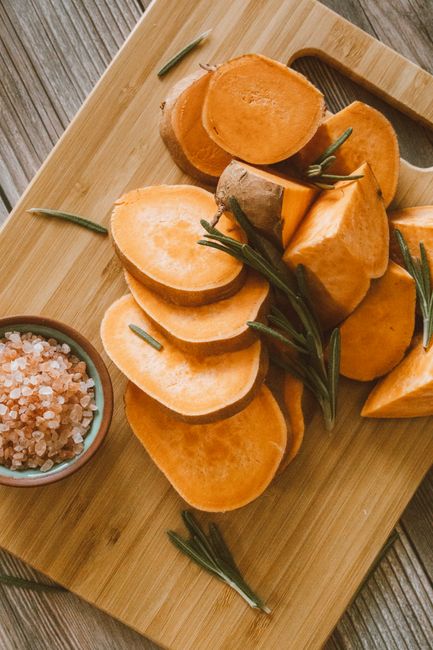
The selection of sweet potatoes is paramount to the success of this dish. Opt for firm, smooth-skinned sweet potatoes, ideally those with a deep orange flesh. Varieties like the Beauregard or Jewel are excellent choices, possessing a natural sweetness and a desirable creamy texture when cooked. Avoid sweet potatoes that are bruised, soft, or have visible blemishes, as these can indicate spoilage or an inferior flavor profile. The size of the sweet potatoes matters less than their quality, though uniformly sized potatoes will cook more evenly. Before preparation, thoroughly wash the sweet potatoes, removing any soil. Peeling is a matter of personal preference. Some traditionalists leave the skins on for added texture and nutrients, while others prefer the smoother mouthfeel achieved by peeling. If peeling, use a sharp vegetable peeler or a paring knife to remove the skin, taking care to minimize waste. Once peeled (or not), the sweet potatoes are typically cut into uniform pieces, usually ½-inch to 1-inch thick rounds or wedges. This consistency in size ensures that all pieces cook through at roughly the same rate, preventing some from becoming mushy while others remain undercooked.
The heart of southern candied sweet potatoes lies in its namesake glaze, a symphony of sugar, butter, and often a touch of warming spice. The traditional glaze starts with a generous amount of butter, melted in a skillet or baking dish. Unsalted butter is generally preferred, allowing for greater control over the final saltiness of the dish. To the melted butter, granulated sugar is added, forming the base of the caramel. Brown sugar is also a popular addition, contributing a deeper, more complex molasses note and a richer color to the glaze. The ratio of butter to sugar is crucial; too little butter will result in a dry, brittle candy, while too much can make the dish overly greasy. A common starting point is a 1:2 or 1:3 ratio of butter to sugar, though this can be adjusted to taste and desired level of sweetness.
Once the butter and sugar are combined, heat is applied, usually over medium heat on the stovetop or in a preheated oven. The objective is to melt the sugar and begin the caramelization process. As the sugar melts and heats, it transforms from crystalline granules into a viscous liquid. This is where careful observation is key. Overheating can lead to burnt sugar, imparting a bitter, acrid flavor that is impossible to salvage. The glaze should ideally reach a rich amber color, indicating that the caramelization is complete and the sugars have developed their full flavor potential. Some recipes incorporate a liquid element, such as water or milk, to help dissolve the sugar and create a smoother glaze. However, excessive liquid can dilute the flavor and prolong the cooking time.
Beyond the fundamental butter and sugar, a selection of enhancers elevates southern candied sweet potatoes to their iconic status. Vanilla extract is almost universally included, its warm, aromatic notes complementing the sweetness without overpowering it. A touch of cinnamon is another common addition, its fragrant spice awakening the palate and adding a layer of complexity that pairs beautifully with the sweet potato’s earthiness. Nutmeg, allspice, or even a pinch of ground ginger can also be incorporated for a more nuanced spice profile. For those seeking an extra layer of richness and a subtle tang that cuts through the sweetness, a splash of orange juice or even a touch of bourbon can be added to the glaze. The acidity from the orange juice helps to balance the sweetness, while the bourbon adds a sophisticated depth of flavor.
The assembly of the dish typically involves arranging the prepared sweet potato pieces in a single layer within a baking dish. This ensures even cooking and allows the glaze to coat each piece effectively. The warm glaze is then poured evenly over the sweet potatoes, ensuring all surfaces are coated. Some cooks prefer to toss the sweet potato pieces in the glaze before placing them in the baking dish, which can lead to a more uniform coating. The baking process is where the magic truly happens. The dish is typically baked in a preheated oven, usually between 350°F and 375°F (175°C to 190°C). The initial baking phase allows the sweet potatoes to soften and absorb the flavors of the glaze. As the cooking progresses, the sugars in the glaze will bubble and caramelize further, creating the signature sticky, glossy finish.
The duration of the baking process varies depending on the size of the sweet potato pieces and the oven temperature, but it generally ranges from 45 minutes to over an hour. During this time, it is beneficial to baste the sweet potatoes with the glaze a few times. This involves spooning the melted glaze from the bottom of the dish over the top of the sweet potato pieces. Basting ensures that the glaze adheres well and contributes to the development of a rich, caramelized crust. As the sweet potatoes approach doneness, they will become tender when pierced with a fork, and the glaze will thicken to a syrupy consistency. The edges of the sweet potatoes may even begin to brown slightly, adding a delightful contrast in texture and flavor.
Variations on the classic southern candied sweet potato recipe abound, each offering a unique twist on this beloved dish. Pecans are a quintessential addition, their nutty crunch providing a welcome textural counterpoint to the tender sweet potatoes and sticky glaze. Halved or chopped pecans are typically scattered over the sweet potatoes during the last 15-20 minutes of baking, allowing them to toast and become fragrant without burning. Marshmallows, another popular addition, are often added during the final few minutes of baking. Their soft, airy texture and sweet melt-in-your-mouth quality create a decadent, almost dessert-like quality. For those who prefer a bit of savory contrast, a sprinkle of chopped bacon or a dash of cayenne pepper can be incorporated into the glaze or sprinkled over the top before baking. These additions introduce a smoky, salty, or spicy element that balances the inherent sweetness of the dish.
The culinary science behind southern candied sweet potatoes is rooted in the Maillard reaction and caramelization. The Maillard reaction, a complex series of chemical reactions between amino acids and reducing sugars, occurs when food is heated, producing browning and a rich array of flavors. This happens as the sweet potatoes bake and their natural sugars interact with the added sugars in the glaze. Caramelization, the browning of sugars when heated, is directly responsible for the glossy, intensely sweet, and slightly nutty flavor of the glaze. The butter in the glaze contributes fat, which helps to conduct heat evenly, prevents sticking, and adds richness. The salt, even in small amounts, acts as a flavor enhancer, balancing the sweetness and bringing out the nuanced flavors of the other ingredients.
Serving southern candied sweet potatoes at their best requires understanding optimal temperature and presentation. While delicious served warm, they are also often enjoyed at room temperature, especially at large gatherings like holiday feasts where dishes are prepared in advance. Reheating should be done gently to avoid drying out the sweet potatoes or burning the glaze. A low oven temperature or a brief stint in a microwave, covered to retain moisture, can suffice. Visually, the dish is stunning. The vibrant orange of the sweet potatoes, glistening with a rich, amber glaze, dotted with toasted pecans or melted marshmallows, is an inviting spectacle. Garnishing with a sprig of fresh parsley or a dusting of cinnamon can enhance its visual appeal.
The SEO appeal of "southern candied sweet potatoes" lies in its strong search volume and inherent appeal. Keywords such as "candied yams recipe," "sweet potato casserole," "holiday side dish," "best sweet potato recipe," "easy candied sweet potatoes," and "traditional southern recipes" are highly relevant and likely to be searched by individuals looking to recreate this classic dish. The article’s comprehensive approach, covering ingredients, preparation, variations, and the underlying culinary principles, ensures it addresses a wide range of user queries. The detailed explanation of the cooking process and the science behind it adds value and authority, further enhancing its search engine ranking potential. The emphasis on "southern" clearly targets a specific regional cuisine, attracting users interested in authentic Southern cooking. By meticulously detailing each step and offering insights into ingredient selection and technique, this article aims to be the definitive resource for anyone seeking to master the art of southern candied sweet potatoes. The inclusion of specific ingredient suggestions and cooking temperatures provides actionable information, crucial for SEO success. The exploration of variations broadens the appeal and targets users with diverse culinary preferences, all while remaining within the core topic. The inherent popularity of sweet potatoes as a staple ingredient, especially during the fall and winter months, further boosts search interest, making this topic a prime candidate for high search rankings and engagement. The detailed breakdown of the recipe aims to provide answers to common questions users might have when searching for this dish, from the type of sweet potato to the ideal baking temperature and time. This proactive approach to fulfilling user intent is a cornerstone of effective SEO. The clear and descriptive language used throughout the article, coupled with the logical flow of information, makes it easily digestible for both novice and experienced cooks, further contributing to its potential to rank well in search results.




