
Smoked Corn On The Cob

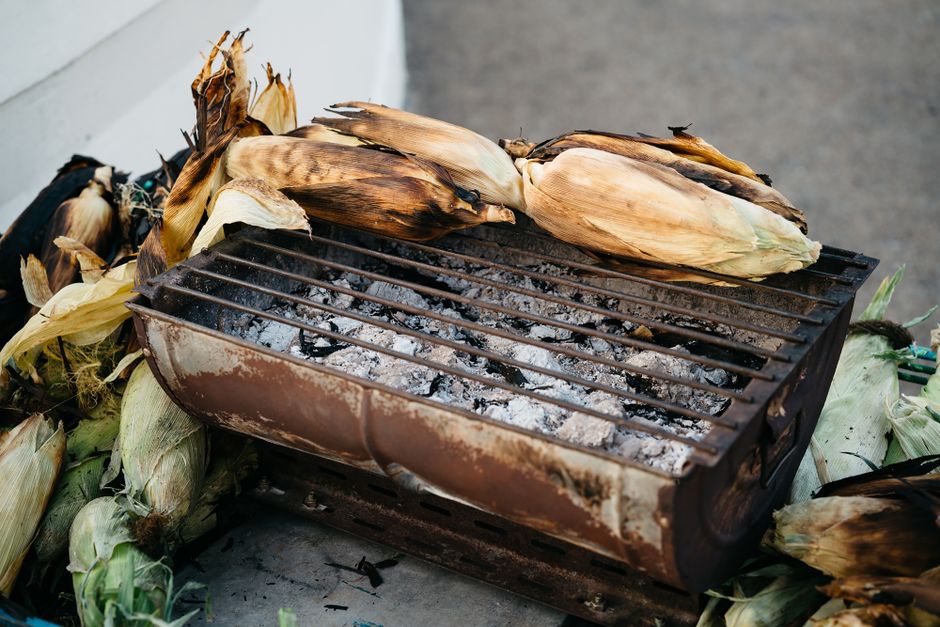
Smoked Corn on the Cob: The Ultimate Guide to Wood-Fired Sweetness
Smoking corn on the cob transforms a simple summer staple into a gourmet delight. The low and slow cooking process imbues the kernels with a deep, complex flavor profile, enhanced by the subtle smoky nuances of the chosen wood. This method not only infuses an unparalleled taste but also tenderizes the corn, resulting in an incredibly succulent and satisfying bite. Unlike grilling or boiling, smoking allows for a more even cook and a richer, more developed sweetness that is impossible to achieve through other methods. The moisture within the corn, combined with the gentle heat and smoke, creates a naturally buttery texture without the need for excessive added fats, making it a healthier and more flavorful alternative.
The fundamental principle behind smoked corn on the cob lies in the application of indirect heat and wood smoke. Unlike direct grilling, where the heat source is directly beneath the food, smoking utilizes a temperature-controlled environment where the corn is exposed to smoke and heat radiating from the side or rear of the smoker. This indirect approach prevents burning while allowing the smoke to permeate the kernels over an extended period. The low temperature, typically between 225°F and 275°F (107°C to 135°C), is crucial for achieving the desired smoky infusion without drying out the corn. The sugars within the corn caramelize beautifully at these temperatures, further intensifying its natural sweetness and creating a delightful char on the outer layers.
The choice of wood significantly impacts the final flavor of your smoked corn. Different wood varieties impart distinct smoky notes, ranging from mild and sweet to robust and pungent. For a classic and versatile smoky flavor that complements the corn’s sweetness without overpowering it, hardwoods like hickory and applewood are excellent choices. Hickory provides a strong, savory smoke that pairs wonderfully with the corn’s natural sugars, creating a balanced profile. Applewood, on the other hand, offers a milder, fruitier smoke with hints of sweetness, lending a more delicate smoky character. Pecan wood is another popular option, delivering a rich, nutty, and slightly sweet smoke that is incredibly versatile. For a bolder, more intense smoky experience, mesquite is an option, though it should be used judiciously as its strong flavor can sometimes dominate the corn. Other woods to consider include cherry, which imparts a sweet, fruity, and slightly floral smoke, and maple, offering a subtle sweetness and a mild, pleasant smoky aroma. Experimentation is key to discovering your personal favorite wood combination.
Preparing the corn for smoking is a straightforward process that can be adapted to personal preference. The most common methods involve smoking the corn either husked or in its husk. Smoking the corn without its husk allows for direct exposure to the smoke, leading to a more intense smoky flavor and the potential for some light charring if desired. To prepare it this way, shuck the corn completely, remove all silks, and then brush it with a light coating of oil, butter, or even a flavored compound butter. This fat helps to conduct heat, prevent sticking, and contribute to a richer flavor. Seasoning can be applied at this stage, using salt, pepper, chili powder, paprika, or any other spice blend you enjoy. Consider using a binder like olive oil or melted butter to help the seasonings adhere to the kernels.
Alternatively, smoking the corn in its husk offers a different, often more tender and moist result. The husk acts as a natural steaming packet, retaining moisture and creating a soft, succulent texture. To prepare corn in its husk, pull back the husks but do not remove them entirely. Remove the silks thoroughly, as they can become tough and unpalatable when smoked. Once the silks are removed, you can optionally slather the kernels with butter or a flavored oil and seasonings. Then, pull the husks back up to enclose the corn. Some cooks prefer to soak the husks in water for about 30 minutes prior to smoking to prevent them from burning too quickly. Others choose to wrap the entire cob, including the husks, in aluminum foil, which further enhances the steaming effect and ensures maximum moisture retention.
The smoking process itself requires a dedicated smoker or a grill set up for indirect heat. For charcoal smokers and grills, arrange the hot coals on one side of the grill, creating a hot zone and a cool zone. Place the wood chunks or chips on or near the hot coals to generate smoke. For gas grills, turn on one or two burners to create indirect heat and use a smoker box filled with wood chips placed over the active burner. Electric smokers are the simplest to use, as they maintain a consistent temperature and smoke output with minimal intervention. Regardless of the smoker type, the objective is to maintain a stable temperature between 225°F and 275°F.
Place the prepared corn on the grill grate in the indirect heat zone. If smoking in the husk, ensure the husks are not directly over the heat source. If smoking without the husk, position the corn to allow for even smoke exposure and rotation. The smoking time will vary depending on the size of the corn cobs and the temperature of your smoker, but typically ranges from 1.5 to 3 hours. The corn is done when the kernels are tender and have absorbed a noticeable smoky flavor. A good indicator of doneness is to carefully peel back a small section of the husk (if applicable) or a few kernels and test for tenderness. The kernels should yield easily to gentle pressure and have a slightly softened appearance.
Basting the corn periodically during the smoking process can elevate its flavor and moisture content. Use melted butter, a flavored oil, or even a light barbecue sauce as a basting liquid. This not only adds a layer of flavor but also helps to keep the corn from drying out. Apply the basting liquid with a brush every 30-45 minutes, ensuring even coverage. This step is particularly beneficial when smoking corn without its husk, as it provides a direct application of moisture and flavor.
Once the corn is tender and infused with smoke, it’s ready to be served. The beauty of smoked corn on the cob lies in its versatility. It can be enjoyed as a simple, stand-alone side dish, or it can be a star ingredient in more elaborate creations. Serve it hot off the smoker, slathered with additional butter, salt, and pepper. For a more elevated presentation, consider serving it with a dollop of seasoned sour cream, a sprinkle of finely chopped chives or cilantro, or a drizzle of your favorite barbecue sauce. The smoky sweetness pairs exceptionally well with grilled meats, poultry, and fish, making it an indispensable accompaniment to any summer barbecue or outdoor feast.
Beyond its role as a side, smoked corn can be incorporated into a variety of dishes. Remove the kernels from the cob and add them to salads, chilis, soups, or even quesadillas for a burst of smoky flavor. Creamed smoked corn is a decadent indulgence, where the smoky kernels are simmered in a rich cream sauce and seasoned to perfection. Smoked corn succotash, featuring a medley of corn, beans, and other vegetables, offers a flavorful and hearty vegetarian option. The versatility extends to dips and appetizers; a smoky corn salsa or a smoked corn and black bean dip are sure to be crowd-pleasers.
When selecting corn for smoking, opt for fresh, in-season ears. Look for bright green husks that are tightly wrapped around the cob, and plump, well-formed kernels. The sweetness of corn is at its peak shortly after harvesting, so using fresh corn will yield the best results. Avoid corn that appears dry or has visible blemishes. The sugar content in corn naturally converts to starch over time, diminishing its sweetness. Therefore, purchasing corn from local farmers’ markets or growing your own ensures the freshest, sweetest ingredients for your smoking endeavors.
Troubleshooting common issues encountered during the smoking process is essential for consistently delicious results. If your corn is not absorbing enough smoke flavor, ensure your smoker is producing a consistent stream of smoke. This might involve adding more wood chips or chunks to the heat source, or ensuring the temperature is within the optimal range. If the corn is becoming too dry, consider smoking it in its husk or wrapping it in foil for a portion of the cooking time. Basting more frequently with butter or oil can also help. If the husks are burning too quickly, soak them in water beforehand or ensure they are not directly exposed to intense heat. Patience is a virtue when smoking; resist the urge to open the smoker lid too frequently, as this releases heat and smoke, prolonging the cooking time and potentially affecting the smoke penetration.
For an extra layer of flavor, consider pre-seasoning your corn. A simple rub of salt, pepper, and paprika applied before smoking can make a significant difference. For a spicy kick, add a pinch of cayenne pepper or chili powder to your rub. Garlic powder and onion powder are also excellent additions that complement the smoky sweetness of the corn. Experiment with different herb combinations, such as thyme or rosemary, for a more complex flavor profile. Compound butters, infused with herbs, garlic, or even a touch of honey, can be slathered on the corn before or after smoking for an intensely flavorful experience.
The type of smoker or grill used can influence the smoking process and the final outcome. A dedicated offset smoker allows for greater control over temperature and smoke production, producing a consistently flavorful result. Kettle grills, when set up for indirect heat, can also produce excellent smoked corn, requiring more attention to temperature management. Electric smokers offer convenience and ease of use, particularly for beginners, but may offer a less intense smoky flavor compared to traditional wood smokers. Regardless of the equipment, understanding the principles of indirect heat and smoke generation is paramount.
Safety is an important consideration when working with smokers and grills. Always ensure your equipment is stable and on a level surface. Keep a fire extinguisher or water source nearby, especially when using charcoal. Never leave a lit smoker or grill unattended. Allow the equipment to cool down completely before cleaning. When handling hot corn or smoker components, always use heat-resistant gloves or tongs. Proper ventilation is also crucial when smoking, especially in enclosed spaces.
Smoked corn on the cob represents a culinary evolution of a humble vegetable, transforming it into a dish that is both sophisticated and comforting. The low-and-slow cooking method, combined with the aromatic allure of wood smoke, creates a unique and unforgettable taste experience. Whether enjoyed as a simple side or a featured ingredient, smoked corn offers a delightful depth of flavor and a wonderfully tender texture that celebrates the essence of summer. The ability to customize the wood, seasonings, and finishing touches allows for endless variations, ensuring that every batch of smoked corn is a personalized masterpiece. Mastering this technique opens up a world of smoky, sweet possibilities, elevating any meal with its unparalleled deliciousness. The interactive nature of preparing and serving smoked corn also makes it an ideal choice for gatherings and cookouts, fostering a communal enjoyment of its exceptional flavor.


