
All Natural Pink Frosting

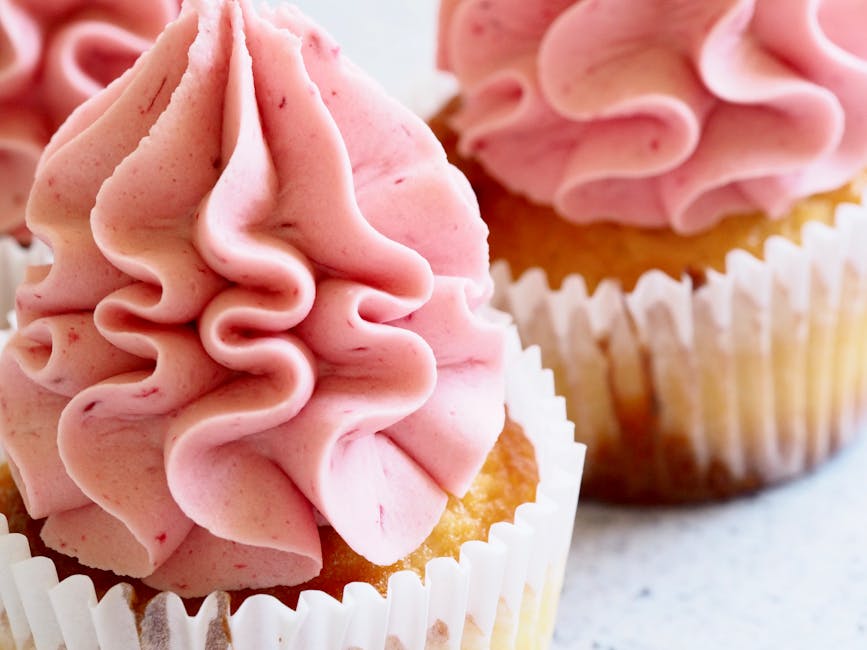
Naturally Pink Frosting: A Comprehensive Guide to Vibrant, Wholesome Sweetness
Achieving a beautiful, natural pink frosting without artificial dyes is not only possible but also a delightful journey into wholesome baking. This comprehensive guide explores the diverse spectrum of natural ingredients that can impart stunning pink hues, from the delicate blush of berries to the deeper, earthy tones of certain root vegetables. Understanding the science behind natural pigments, the preparation techniques for maximizing color, and the flavor profiles these ingredients contribute is key to mastering this art. This article will delve into various methods, troubleshoot common issues, and offer practical advice for bakers seeking vibrant, naturally colored frostings for cakes, cupcakes, cookies, and more. We will cover everything from the best fruit bases to less conventional yet effective options, ensuring a rich understanding for both novice and experienced bakers.
The foundation of naturally pink frosting lies in the pigments present in fruits, vegetables, and other natural food sources. Anthocyanins are a group of water-soluble pigments that are responsible for the red, purple, and blue colors in many fruits and vegetables. These pigments are pH-sensitive, meaning their color can change depending on the acidity of the surrounding medium. For example, in acidic conditions, anthocyanins tend to appear redder, while in more alkaline conditions, they can shift towards blue or purple. This pH sensitivity is a crucial factor to consider when developing pink frostings, as the other ingredients in the frosting base (like butter, cream cheese, or sugar) will influence the final hue. Other pigments, such as betalains found in beets, offer a more stable, less pH-dependent pink color. Understanding these chemical properties allows for more predictable and vibrant results.
Berries are arguably the most popular and versatile natural source for pink frosting. Strawberries, raspberries, and cherries offer bright, appealing pink shades with complementary fruity flavors. To utilize berries, several preparation methods can be employed. Fresh berries can be pureed and strained to remove seeds, yielding a smooth liquid. This liquid can then be incorporated directly into frosting bases. However, adding too much liquid can alter the frosting’s consistency, making it too thin. Therefore, a more concentrated approach is often preferred. Berry powders, created by dehydrating berries and grinding them into a fine powder, offer intense color and flavor without compromising texture. These powders are readily available commercially or can be made at home with a dehydrator. Another effective method is reducing berry purees by simmering them on low heat until the liquid has evaporated significantly, concentrating the color and flavor. This reduction can then be cooled and added to frosting. For a particularly vibrant pink, consider using less ripe berries, as they tend to have higher anthocyanin concentrations.
Cherries, particularly Bing cherries, can produce a beautiful, deep pink to almost crimson frosting. Their sweetness can also reduce the need for added sugar. Like other berries, cherry puree can be reduced for a more intense color. Freezing and then thawing cherries can also help break down their cell walls, releasing more pigment when pureed. For a more subtle pink, consider using dried cherries that have been rehydrated and then pureed. The flavor profile of cherry frosting is rich and slightly tart, pairing well with vanilla, almond, or chocolate cake bases.
Beyond berries, other fruits can contribute to a natural pink hue. Dragon fruit, specifically the pink-fleshed variety, is an excellent source of vibrant pink color. Its mild, slightly sweet flavor makes it a neutral addition to most frosting recipes. Pureed dragon fruit, strained for a smooth consistency, can be directly incorporated. The color from dragon fruit is generally stable and less susceptible to pH changes than berry pigments. Pomegranate seeds, when juiced and reduced, can yield a strong pink to red color. The juice is tart, so it might require a slight adjustment in the overall sweetness of the frosting.
For a more robust and stable pink, beets are an exceptional choice. Their earthy sweetness can be masked or complemented by other flavors, making them a surprisingly effective frosting ingredient. The key to using beets effectively is to select young, vibrant beets for the most intense color. Roasting or boiling beets until tender and then pureeing them into a smooth paste is the most common method. Roasting tends to bring out a sweeter flavor, while boiling can be quicker. It is crucial to strain the beet puree thoroughly to remove any fibrous pulp that could affect the frosting’s texture. A small amount of beet puree can go a long way, so start with a modest amount and gradually add more until the desired pink intensity is achieved. Beet juice, extracted from raw or cooked beets, is another option, but it can be thinner and might require more reduction to achieve concentrated color.
Another, albeit less common, natural pink coloring agent is rosehip powder. Derived from the fruit of rose plants, rosehips are rich in vitamin C and offer a subtle pink hue with a slightly floral, tart flavor. Rosehip powder can be incorporated directly into frosting, similar to berry powders, and is a good option for those seeking a delicate color and a unique flavor profile. However, the color intensity from rosehips is generally less pronounced than that of berries or beets.
When formulating naturally pink frosting, consider the type of frosting base you are using. Buttercream, cream cheese frosting, and whipped cream frosting all react differently to the addition of natural colorants.
For buttercream, the fat content provides a good base for fat-soluble pigments. However, the high sugar content and butter can sometimes dilute the color. Using concentrated berry reductions or beet puree is highly recommended. For a richer color, consider using a portion of the dairy in the frosting as cream cheese, as the slight acidity can enhance the redness of berry pigments.
Cream cheese frosting is naturally slightly acidic, which can boost the vibrancy of berry-based pinks. The tanginess of cream cheese also pairs exceptionally well with the fruity notes of berries. When adding berry puree or reduction, ensure it is well-cooled to prevent the cream cheese from melting and compromising the frosting’s structure.
Whipped cream frosting is the most delicate and prone to texture issues when adding liquid colorants. Using dehydrated berry powders or very well-reduced fruit purees is essential to avoid thinning the whipped cream. For a stable pink whipped cream, consider incorporating a small amount of pink pitaya powder.
Troubleshooting common issues is vital for success. Color fading can occur due to heat exposure or prolonged storage, especially with berry pigments. If your frosting is not as vibrant as desired, consider adding a touch more of your chosen natural colorant. For instance, a small additional amount of beet puree can often revive a fading pink. Conversely, over-coloring can lead to an artificial or off-putting flavor. Always start with a small amount and build up gradually. It’s easier to add more color than to remove it.
Texture changes are another frequent concern. Adding too much liquid from fruit purees can result in a runny frosting. This can be rectified by adding more powdered sugar or by chilling the frosting to allow it to firm up. If the colorant itself is fibrous, like un-strained beet puree, it can create a gritty texture. Thorough straining is paramount. For berry powders, ensure they are finely ground.
The flavor contribution of natural colorants is a significant aspect to manage. While berries and cherries naturally complement sweet frostings, beets require more careful balancing. Pairing beet-frosted cakes with flavors like chocolate, ginger, or spices can effectively mask the earthy undertones. Lemon zest or a splash of vanilla extract can also help to brighten and neutralize beet flavor.
Storage of naturally colored frostings is also important. Artificial dyes are generally more stable. Naturally pink frostings, especially those made with berries, are best refrigerated and used within a few days for optimal color and flavor. Exposure to light and air can also cause natural pigments to degrade over time. Storing frosted baked goods in an airtight container in the refrigerator is recommended.
For bakers looking for a more intense, less fleeting pink, consider combining natural colorants. For example, a base of beet puree can provide a stable pink foundation, which can then be enhanced with a touch of strawberry powder for added vibrance and a hint of berry flavor. This layered approach allows for greater control over both color and taste.
When sourcing natural colorants, choose high-quality ingredients. Organic fruits and vegetables are often preferred, as they are less likely to have pesticide residues. For berry powders, look for brands that clearly list the ingredients and avoid those with added sugars or fillers.
The versatility of naturally pink frosting extends beyond traditional cakes and cupcakes. It can be used to color cookies, macarons, meringue, and even fruit dips. The key is to understand the interaction between the colorant and the base ingredient and to adjust quantities accordingly. For instance, in a light meringue, a minimal amount of a concentrated colorant will be sufficient to achieve a delicate pink hue without altering the meringue’s airy texture.
In conclusion, mastering naturally pink frosting opens up a world of wholesome and visually appealing baking. By understanding the properties of natural pigments, employing effective preparation techniques, and thoughtfully considering flavor pairings and frosting bases, bakers can confidently create stunning pink confections without relying on artificial additives. This journey emphasizes a connection to natural ingredients and a deeper appreciation for the artistry of baking. The vibrant spectrum of naturally pink frostings awaits, offering a testament to the beauty and deliciousness that can be achieved with nature’s palette.


