
Easy Pizza Sauce I

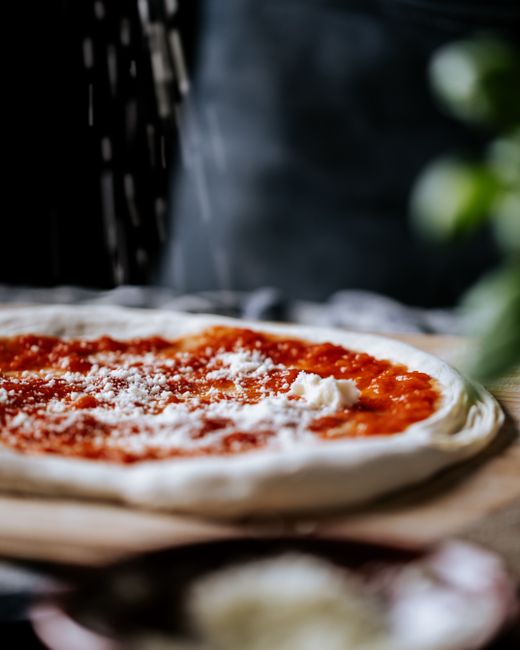
The Easiest Homemade Pizza Sauce Recipe: A Culinary Game-Changer
This article provides a step-by-step guide to creating an incredibly simple yet remarkably flavorful homemade pizza sauce. This recipe prioritizes ease of preparation without compromising on taste, making it an ideal choice for weeknight meals, beginner cooks, or anyone seeking a quick and delicious pizza topping. Forget store-bought alternatives laden with preservatives and artificial ingredients; this easy pizza sauce will elevate your homemade pizza from good to exceptional. The foundation of this recipe lies in its minimal ingredient list, allowing the natural sweetness of tomatoes to shine through, complemented by essential aromatics and a touch of seasoning. Its versatility extends beyond pizza, making it a suitable base for pasta dishes, calzones, or even as a dipping sauce for appetizers. The primary objective is to demystify pizza sauce making, proving that creating a superior sauce from scratch is not only achievable but also significantly more rewarding. We will meticulously break down each component, explain its role in the sauce’s flavor profile, and offer tips for customization and storage.
The core ingredient for this easy pizza sauce is high-quality canned crushed tomatoes. Opt for a brand that uses San Marzano tomatoes if possible, as their lower acidity and sweeter, more intense flavor translate into a superior sauce. Look for crushed tomatoes with no added salt or sugar, giving you complete control over the seasoning. The texture of crushed tomatoes provides a rustic, appealing consistency that is neither too thin nor too chunky, perfect for spreading on pizza dough. Avoid whole peeled tomatoes and blending them yourself, as this can introduce unwanted air into the sauce, leading to a metallic taste, and achieving the right texture can be inconsistent. Diced tomatoes, while an option, tend to release more liquid and can result in a less cohesive sauce. The beauty of this recipe lies in its simplicity, and selecting excellent quality crushed tomatoes is the most impactful step in ensuring a delicious outcome. A standard 28-ounce can of crushed tomatoes forms the base for approximately four to six pizzas, depending on the desired sauce coverage. When choosing your brand, read the ingredient list carefully. Simplicity is key: tomatoes, citric acid (a natural preservative), and perhaps a touch of salt should be the only entries.
Aromatics are crucial for building depth of flavor in any sauce, and this easy pizza sauce is no exception. Finely minced garlic is the star, providing a pungent and savory foundation. The amount of garlic can be adjusted to personal preference, but a good starting point is two to three cloves. Ensure the garlic is minced very finely to distribute its flavor evenly throughout the sauce and to avoid any overpowering bites. Yellow onion, finely minced, also contributes a subtle sweetness and complexity. While some might opt to sauté the onion and garlic first, this recipe embraces simplicity by incorporating them raw. The heat from the simmering process will gently cook the aromatics, softening their bite and releasing their flavors into the tomato base. The onion adds a foundational sweetness that balances the acidity of the tomatoes. The finer the mince, the more seamlessly the flavors will meld. For those who prefer an even milder onion flavor, consider using shallots instead, which offer a more delicate and slightly sweeter profile.
Seasoning is where personalization truly comes into play, allowing you to tailor the easy pizza sauce to your specific tastes. Dried oregano is the quintessential pizza sauce herb, offering an earthy, slightly bitter, and peppery note that is instantly recognizable. Use good quality dried oregano; its potency will significantly impact the final flavor. Dried basil is another essential herb, providing a sweet, aromatic, and slightly minty counterpoint to the oregano. While fresh basil can be added at the very end of cooking for a brighter, more vibrant flavor, dried basil is more practical for a sauce that needs to hold its flavor over time and during baking. A pinch of red pepper flakes is optional but highly recommended for those who enjoy a subtle kick. Start with a quarter teaspoon and increase if desired. The heat from the red pepper flakes adds a pleasant warmth that complements the sweetness of the tomatoes. Salt and freshly ground black pepper are, of course, fundamental. Start with a half teaspoon of salt and a quarter teaspoon of black pepper, tasting and adjusting as you go. Remember, the salt will also enhance the natural sweetness of the tomatoes and the flavors of the other ingredients.
The method for creating this easy pizza sauce is remarkably straightforward, requiring minimal active cooking time. Begin by combining the crushed tomatoes, minced garlic, and minced onion in a medium saucepan. Add the dried oregano, dried basil, red pepper flakes (if using), salt, and black pepper to the saucepan. Stir all the ingredients thoroughly to ensure they are evenly distributed. Place the saucepan over medium heat and bring the mixture to a gentle simmer. Once simmering, reduce the heat to low, cover the saucepan, and allow the sauce to cook for at least 20 to 30 minutes. This simmering period is crucial for allowing the flavors to meld and develop. The longer it simmers, the more the flavors will deepen. Stir occasionally to prevent the sauce from sticking to the bottom of the pan. For an even richer flavor, you can simmer the sauce for up to an hour, uncovered, to allow some of the excess moisture to evaporate and the sauce to thicken further. The goal is to achieve a consistency that is spreadable but not watery. The aroma that will fill your kitchen during this process is a testament to the deliciousness to come.
For those seeking an even quicker version, a no-cook option is entirely viable for this easy pizza sauce. In a bowl, combine the crushed tomatoes, minced garlic, dried oregano, dried basil, red pepper flakes (if using), salt, and black pepper. Stir vigorously until all ingredients are well incorporated. This no-cook method yields a brighter, fresher tasting sauce. The garlic will have a slightly sharper bite, and the herbs will retain more of their initial vibrancy. While it lacks the depth of a simmered sauce, it is exceptionally convenient and still vastly superior to most store-bought options. The key to a successful no-cook sauce is the quality of the ingredients; fresh, potent herbs and good quality tomatoes will make all the difference. This no-cook version is perfect for impromptu pizza nights or when time is of the essence. The acidity of the tomatoes will begin to mellow the raw garlic over time, even without heat.
Customization and variation are where this easy pizza sauce truly shines, allowing you to adapt it to a multitude of culinary preferences. For a touch of sweetness, add a teaspoon of sugar or a drizzle of honey during the simmering process. This is particularly helpful if your crushed tomatoes have a higher acidity. A tablespoon of tomato paste can be added for a more concentrated tomato flavor and a thicker consistency. If you prefer a more herbaceous sauce, increase the amounts of oregano and basil or experiment with adding other dried herbs like thyme or marjoram. A pinch of dried rosemary can add a distinct piney aroma. For a richer, more complex flavor, a splash of red wine can be incorporated during the simmering stage; allow it to reduce before proceeding. Some cooks also enjoy adding a bay leaf to the sauce during simmering and removing it before serving for a subtle depth. Nutritional yeast can be added for a slightly cheesy, umami flavor, making it a good vegan option. Consider adding a pinch of smoked paprika for a smoky undertone, perfect for pizzas with barbecue flavors. The versatility is truly endless.
Storing this easy pizza sauce is just as simple as making it. Once cooled, the sauce can be transferred to an airtight container and refrigerated for up to one week. The flavors will continue to meld and deepen as it sits. For longer storage, the sauce freezes exceptionally well. Portion the cooled sauce into freezer-safe containers, zip-top bags, or ice cube trays for convenient, single-serving portions. Frozen pizza sauce will maintain its quality for up to three months. Thaw frozen sauce overnight in the refrigerator or gently reheat it on the stovetop. If the sauce seems too thick after thawing, you can thin it out with a tablespoon or two of water. Properly stored, this homemade sauce will be ready whenever the pizza craving strikes. Ensure the container is completely sealed to prevent freezer burn. If using freezer bags, press out as much air as possible before sealing.
This easy pizza sauce recipe is a fundamental building block for creating incredible homemade pizzas. Its simplicity belies its flavor potential, proving that delicious food doesn’t need to be complicated. By using high-quality ingredients and following these straightforward steps, you can consistently produce a sauce that will impress your family and friends. The joy of homemade pizza lies in its customization, and this sauce provides the perfect canvas for your culinary creativity. Don’t underestimate the power of a good sauce; it is the unsung hero of any great pizza. Mastering this easy pizza sauce is a significant step towards becoming a pizza-making pro. It eliminates a common barrier to homemade pizza – the fear of making the sauce from scratch – and opens up a world of flavor possibilities. Its adaptability makes it a staple in any kitchen. The satisfaction of pulling a pizza from your oven, knowing you’ve made every component from scratch, is unparalleled. This recipe is designed for accessibility and deliciousness, making it a true game-changer.


