From Kitchen Porter to Michelin Stars: How Callum Leslie Redefines North Yorkshire’s Culinary Landscape

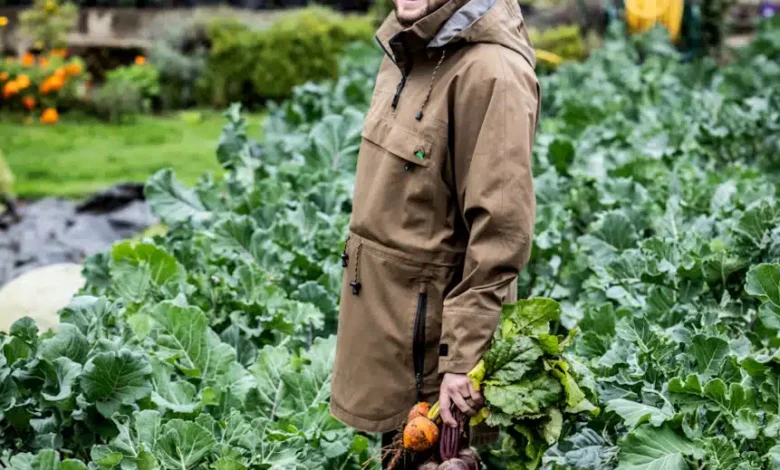
The trajectory of modern British fine dining is increasingly defined by chefs who look inward to their immediate landscapes rather than outward to international imports. Among this vanguard is Callum Leslie, Executive Chef of the Michelin-starred Black Swan at Oldstead and its relaxed sibling, The Abbey Inn. Leslie’s journey—from washing dishes in commercial kitchens to steering the culinary vision of one of the United Kingdom’s most celebrated gastronomic destinations—offers a masterclass in resilience, respect for raw materials, and hyper-local stewardship. Working alongside notable figures such as Tommy Banks and Head Chef Alice Power, Leslie has helped cement Oldstead’s reputation as a powerhouse of sustainable, hyper-seasonal British gastronomy.
Early Beginnings and Formative Years in Britain’s Elite Kitchens
Callum Leslie’s entry into the professional culinary world began far from the pass, starting out as a kitchen porter before gradually working his way up the brigade. These foundational years exposed him to the rigorous standards of some of Britain’s most esteemed culinary institutions, including Midsummer House in Cambridge and Restaurant Sat Bains in Nottingham. Operating at this elite level instilled in Leslie a profound appreciation for discipline, precision, and ingredient provenance.
Reflecting on those early experiences, Leslie frequently emphasizes that his time in these demanding environments taught him to look beyond the immediate logistics of daily produce deliveries. He notes that behind every ingredient lies months, and often years, of meticulous dedication from farmers, growers, and artisans. This realization became the bedrock of his culinary philosophy: that the physical work executed on the kitchen pass must honor the human effort invested in cultivating the raw product. After absorbing the techniques of contemporary British fine dining, Leslie made the pivotal decision to return to his Yorkshire roots, joining The Black Swan at Oldstead as a Junior Sous Chef in 2019.
The Evolution of Oldstead and Hyper-Local Gastronomy
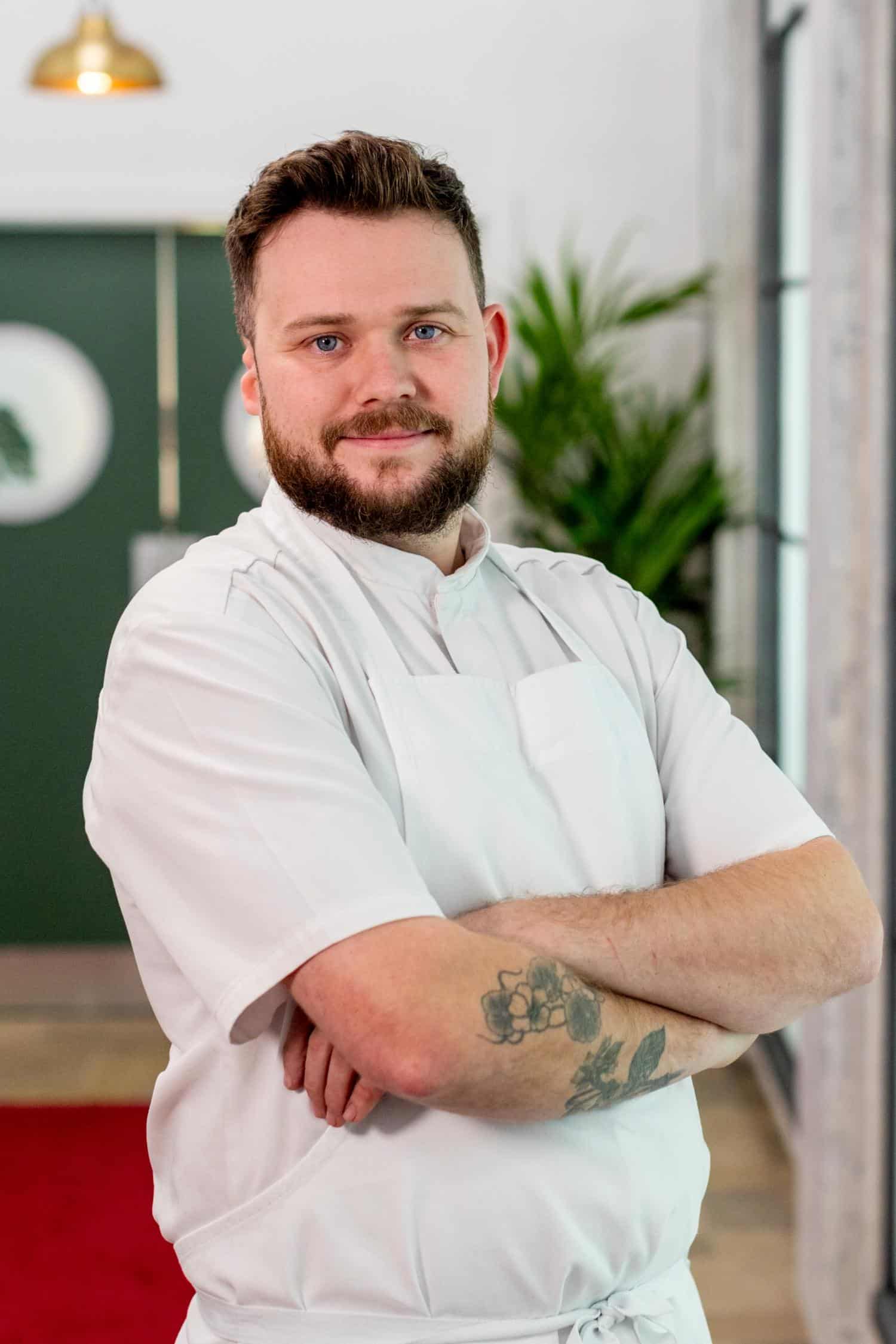
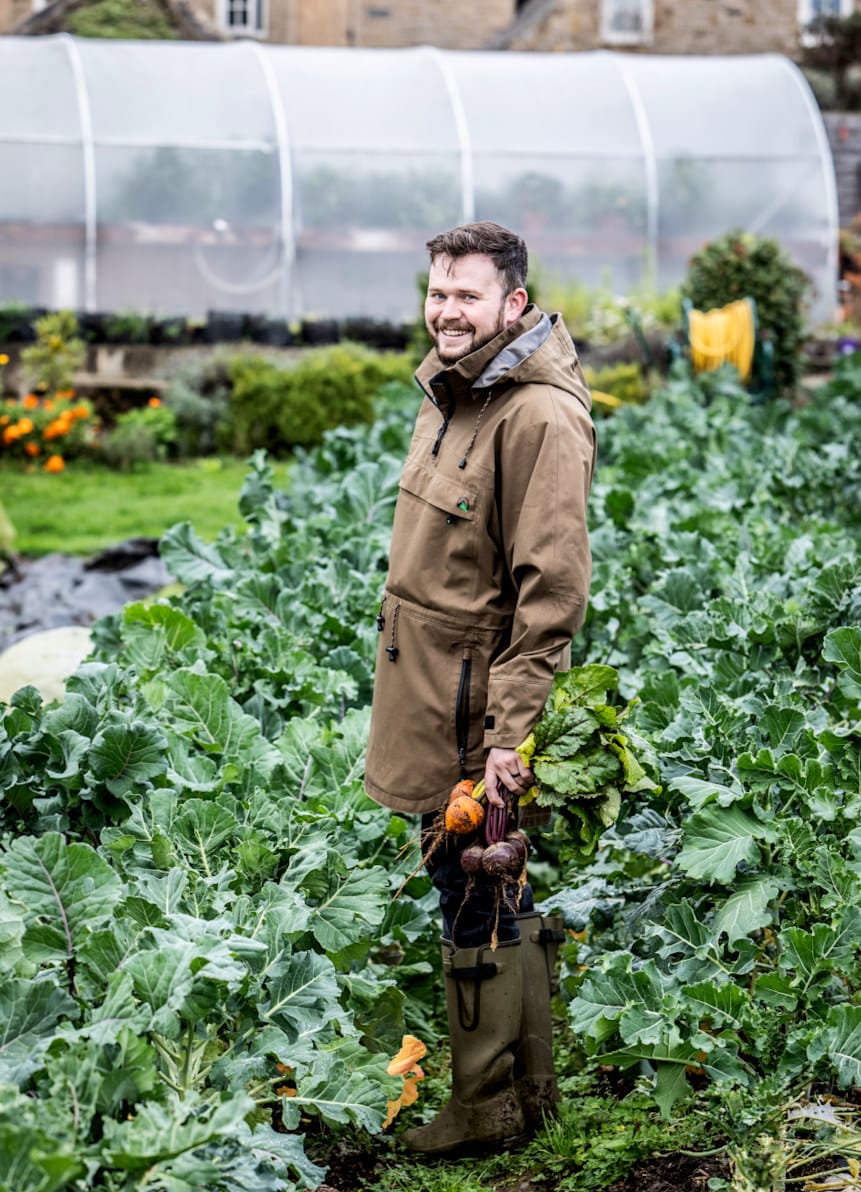
Since arriving at Oldstead over five years ago, Leslie has steadily risen through the ranks to assume the role of Executive Chef. In this capacity, he oversees both the flagship Michelin-starred Black Swan and the picturesque Abbey Inn. His tenure has coincided with a broader industry shift toward hyper-local sourcing, a movement where restaurants reduce their carbon footprint by relying heavily on estate-grown crops, foraged woodland items, and localized supply chains.
At The Black Swan, the menu is dictated entirely by the rhythms of the North Yorkshire countryside. This deep integration with the land is not merely an aesthetic choice; it requires an intricate logistical network spanning farming, foraging, and preservation. Leslie works in close collaboration with a dedicated multidisciplinary team, including Head of Fermentation Chris Maslin and Head of Foraging and Preserving Richard Jack. Together, they transform seasonal gluts into year-round pantry staples through ancient and modern techniques such as pickling, drying, freezing, and controlled fermentation.
Culinary Innovation and Pushing Boundaries
The intersection of science, tradition, and agriculture at Oldstead regularly yields unexpected results. Leslie and his team frequently challenge conventional perceptions of flavor profiles, most notably with dishes like their autumn mushroom ice cream. By foraging wild mushrooms from the local woodlands and subjecting them to a specialized drying process, the kitchen intensifies the fungi’s natural sugars, unlocking a depth of flavor that complements dessert courses.
Similarly, Leslie’s seasonal highlights reflect a reverence for game and wild produce. His affinity for wild mallard—available exclusively during its limited autumn-to-winter season from September through January—underscores a philosophy that embraces the fleeting nature of true seasonality. Rather than relying on out-of-season imports flown in from global markets, Leslie champions the limitation, treating scarce ingredients with maximum reverence while they are available.
Balancing Fine Dining with Pub Tradition
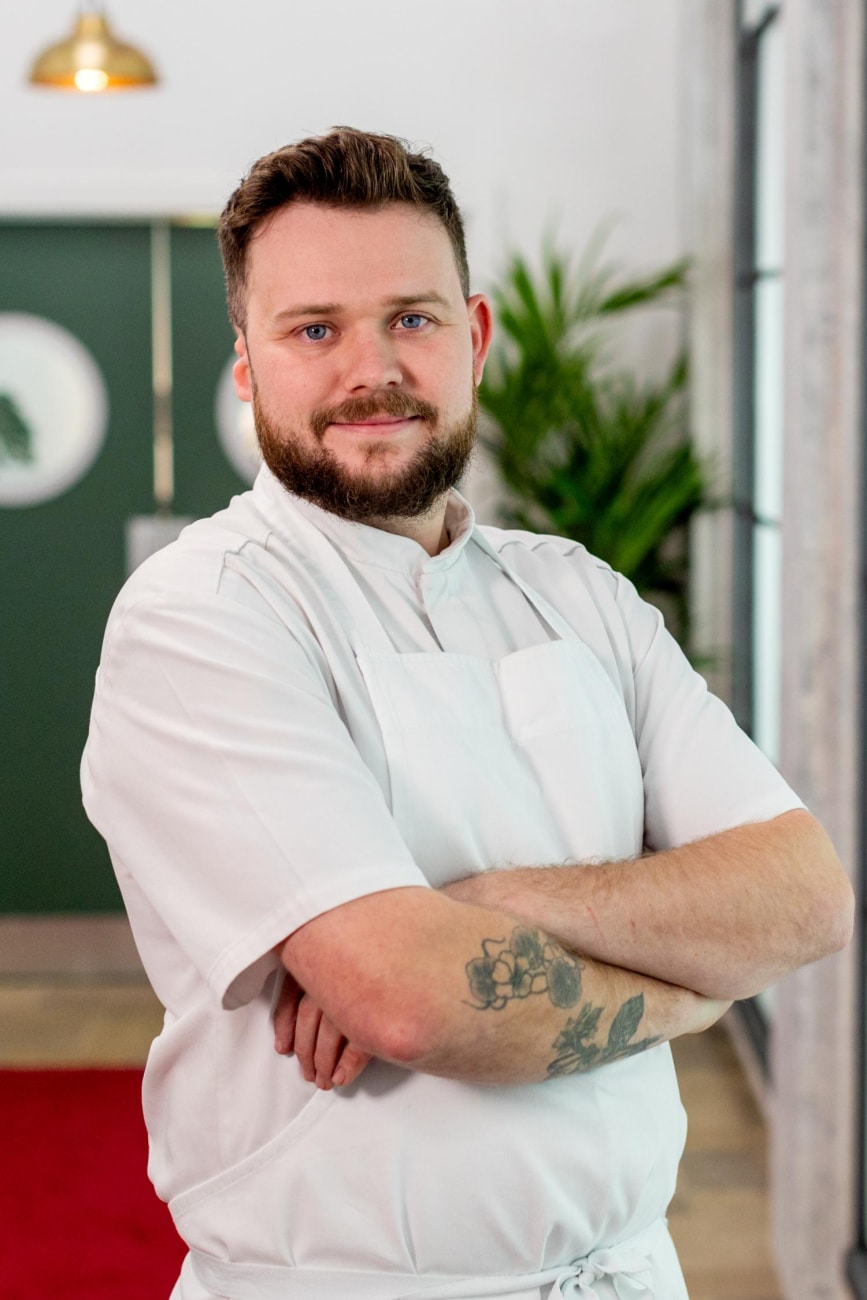
A significant challenge for modern executive chefs overseeing multiple venues is maintaining brand integrity across vastly different hospitality formats. Leslie successfully navigates this by managing both the ultra-refined tasting menu format at The Black Swan and the accessible, community-focused gastro-pub environment at The Abbey Inn.
While The Black Swan operates within a tightly controlled, highly immersive tasting menu structure designed to showcase avant-garde culinary precision, The Abbey Inn channels the historic charm and generosity of a traditional British country pub. Growing up surrounded by pub culture, Leslie infuses the Abbey Inn menu with a sense of familiarity and comfort, proving that rigorous culinary standards can be successfully translated into relaxed, everyday dining without sacrificing quality or ethical sourcing principles.
Storytelling, Media, and Scientific Narratives
In recent years, fine dining has embraced storytelling as a critical component of the guest experience, moving beyond mere consumption to engage diners in the narrative of sustainability and ecological awareness. Leslie’s appearance on the BBC competitive cooking series Great British Menu, where he presented his thoughtfully conceived dish “Priestley’s Carbon Cycle,” highlighted the seamless integration of science, regional history, and gastronomy.
According to Leslie, however, narrative must always be anchored in culinary substance. Storytelling should never serve as a superficial gimmick; rather, it must truthfully reflect the landscape, the agricultural effort, and the people responsible for bringing the ingredients to the plate. This commitment to authenticity ensures that every course served at Oldstead possesses genuine meaning and purpose.
Mentorship and Cultivating the Next Generation of Chefs
As the culinary industry grapples with chronic labor shortages and retention challenges, leadership and mentorship have emerged as vital responsibilities for executive chefs. Over the past five years, The Black Swan has operated a dedicated apprenticeship program in Oldstead, designed to train young hospitality professionals entering the workforce.
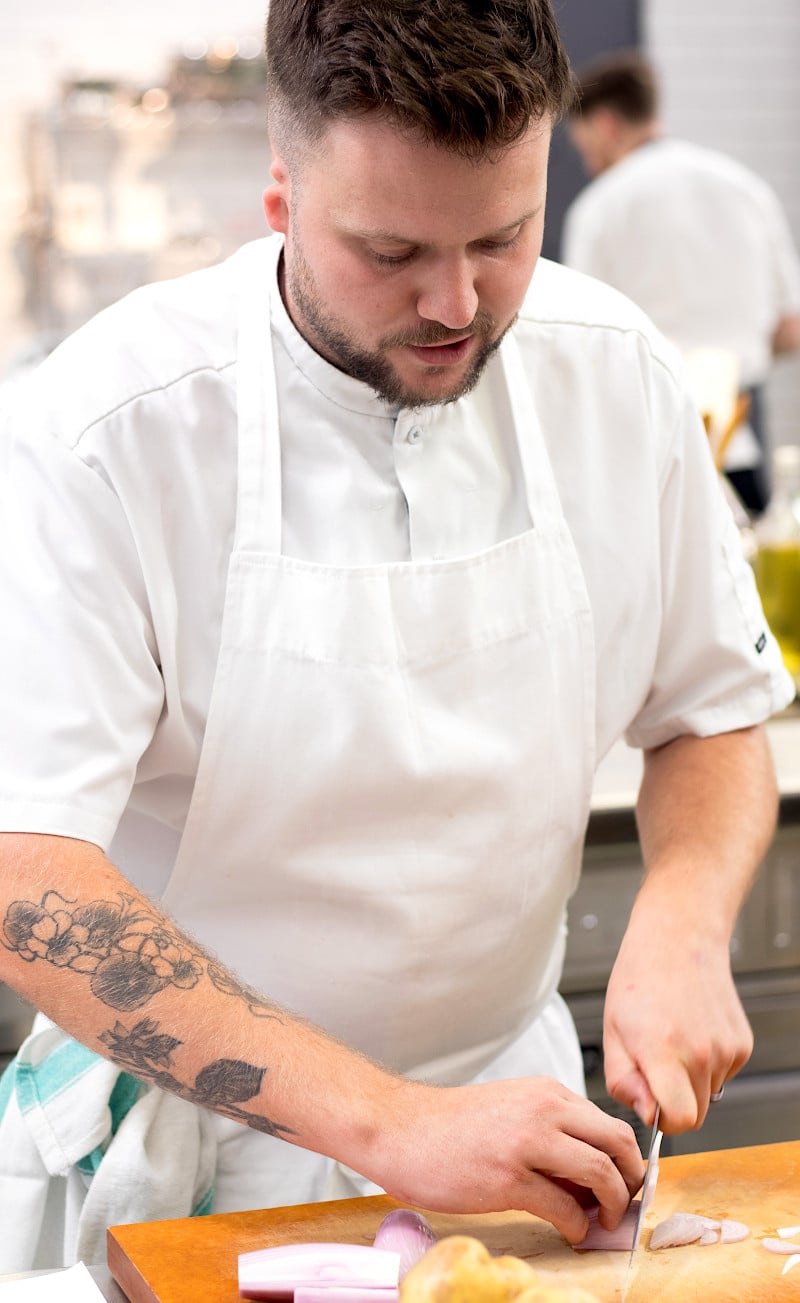
When evaluating incoming culinary talent, Leslie places paramount importance on attitude over raw technical skill. While knife skills, temperature control, and recipe execution can be taught over time, traits such as genuine passion, resilience, dedication, and personal pride must come from within. By fostering a collaborative and supportive kitchen culture, Leslie aims to build a sustainable pipeline of talent capable of meeting the rigorous demands of modern Michelin-starred kitchens.
Practical Takeaways for the Home Cook
Despite the perceived gap between professional laboratory-style kitchens and domestic cooking, Leslie maintains that home cooks can significantly elevate their results by adopting a single professional habit: rigorous planning and organization.
In professional environments, the daily prep list is essential for efficiency, timing, and execution. By applying this same structured approach at home—thinking ahead about meals, writing comprehensive ingredient lists, and organizing workstations before cooking begins—home cooks can reduce stress, streamline the process, and achieve a higher standard of culinary execution.
Implications and Future Outlook for The Black Swan
The continued success of Callum Leslie and the team at Oldstead reflects a broader, highly resilient trend within the British hospitality sector: the elevation of rural, sustainable gastronomy to global prominence. By anchoring economic activity within the local agricultural and foraging community, establishments like The Black Swan demonstrate that high-end dining can actively contribute to regional ecology and food security.
While Leslie remains tight-lipped about upcoming projects currently in development at Oldstead, the ongoing evolution of the estate suggests that the team will continue to push the boundaries of fermentation, hyper-local sourcing, and immersive dining experiences. As the hospitality industry looks toward a more resource-conscious future, the model forged in North Yorkshire—combining strict environmental stewardship with uncompromised culinary excellence—serves as a compelling blueprint for the next generation of chefs.