
Kelewele Spicy Fried Plantains

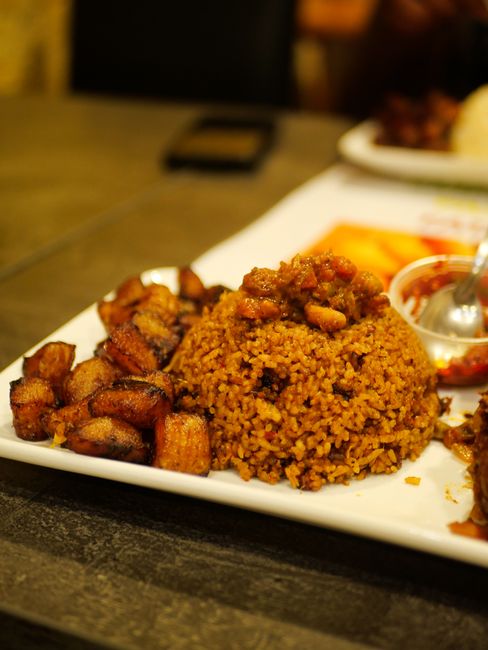
Kelewele: The Fiery, Fragrant, and Flavorful West African Street Food Sensation
Kelewele, a beloved street food originating from Ghana and popular across West Africa, is a simple yet profoundly satisfying dish that transforms ripe plantains into a culinary masterpiece. This isn’t your average fried fruit; kelewele is characterized by its vibrant, caramelized exterior, a tender, sweet interior, and a kick of fragrant spices that elevate it from a mere snack to a truly memorable experience. The magic of kelewele lies in its perfect balance of sweet, spicy, and savory, a testament to the ingenuity of West African cuisine. Its popularity extends beyond Ghana, with variations and enthusiastic appreciation found in Togo, Nigeria, and other neighboring countries, solidifying its status as a regional delicacy. The preparation, while seemingly straightforward, involves precise techniques and a thoughtful combination of ingredients to achieve that signature texture and flavor profile. This article delves deep into the world of kelewele, exploring its origins, the quintessential ingredients, the step-by-step preparation process, variations, serving suggestions, and its burgeoning presence in global culinary scenes, all while optimizing for relevant search terms to ensure its discoverability for food enthusiasts worldwide.
The genesis of kelewele is deeply rooted in the street food culture of Ghana, where it emerged as an accessible and delicious way to utilize ripe plantains. Plantains, a staple crop in many tropical regions, are naturally sweeter and more starchy than their banana cousins when fully ripe, making them ideal for frying and caramelization. The resourceful nature of Ghanaian culinary traditions likely led to the development of kelewele, transforming an everyday ingredient into a celebrated dish. The "kelewele" name itself is believed to be an Akan word, reflecting its Ghanaian origins. Over time, the recipe has been refined and adapted, but the core elements remain constant: ripe plantains, oil for frying, and a potent blend of spices. Its popularity as a street food is undeniable; you’ll often find vendors on bustling street corners, their grills emitting the intoxicating aroma of frying plantains and spices, drawing in hungry patrons with the promise of a flavorful treat. The communal aspect of street food in Ghana also plays a role in kelewele’s enduring appeal, often enjoyed with friends and family.
The heart of kelewele lies in its carefully selected ingredients. The star, of course, is the ripe plantain. For kelewele, it’s crucial to use plantains that have reached their peak ripeness, characterized by a predominantly black or very dark brown skin, with some yellow or even brown patches. This level of ripeness ensures the plantains are soft, sweet, and their natural sugars have intensified, leading to a beautiful caramelization during frying. Underripe plantains will be too starchy and firm, resulting in a less sweet and less appealing texture. Conversely, overripe plantains can become too mushy. The ideal plantain for kelewele strikes a delicate balance between sweetness and structural integrity.
Beyond the plantain, the spice blend is what truly defines kelewele’s unique character. While there can be regional variations, a classic kelewele spice mix typically includes:
- Ginger: Freshly grated ginger provides a pungent, zesty warmth that cuts through the sweetness of the plantain and adds a distinct aromatic complexity.
- Garlic: Minced garlic contributes a savory depth and a subtle bite, enhancing the overall flavor profile.
- Cayenne Pepper or Scotch Bonnet Peppers: This is where the "spicy" in kelewele truly comes into play. Finely chopped fresh scotch bonnet peppers (or a generous pinch of cayenne pepper for less intense heat) provide a fiery kick that is both exhilarating and addictive. The amount can be adjusted to personal preference, from a gentle warmth to a scorching inferno.
- Nutmeg: A small amount of grated nutmeg adds a warm, slightly sweet, and aromatic note that complements the other spices beautifully.
- Cinnamon: Similar to nutmeg, cinnamon contributes a comforting sweetness and fragrant spice, deepening the complexity of the flavor.
- Salt: A pinch of salt is essential to balance the sweetness and enhance all the other flavors, preventing the dish from tasting one-dimensionally sweet.
Some recipes may also include a touch of onion powder or cloves for further aromatic enhancement, but the core combination of ginger, garlic, chili, nutmeg, and cinnamon is usually considered foundational. The spices are typically mixed with a little oil to form a paste, which is then used to generously coat the plantain pieces before frying. This ensures an even distribution of flavor and helps the spices adhere to the plantain during the cooking process.
The preparation of kelewele, while requiring attention to detail, is a rewarding process. It begins with the plantains.
Step 1: Selecting and Preparing the Plantains: As mentioned, the ripeness of the plantains is paramount. Once selected, the plantains need to be peeled. The skin of very ripe plantains can be a bit sticky, so a sharp knife is useful here. After peeling, the plantains are cut into bite-sized pieces. The most traditional and visually appealing cut for kelewele is into rectangular prisms or cubes, roughly 1-inch in size. This shape allows for maximum surface area for caramelization and even cooking. Some prefer slightly thicker slices, while others opt for thinner ones, but the key is uniformity for consistent frying.
Step 2: Crafting the Spice Paste: In a bowl, combine the freshly grated ginger, minced garlic, finely chopped scotch bonnet peppers (or cayenne), ground nutmeg, ground cinnamon, and salt. Add a tablespoon or two of vegetable oil (or any neutral cooking oil) to create a thick, spreadable paste. It’s important to have all the spices measured out and ready before you start coating the plantains, as the process of frying is quite rapid.
Step 3: Coating the Plantains: Place the cut plantain pieces into a separate bowl. Pour the prepared spice paste over the plantains. Using your hands (gloves are recommended if using very hot peppers) or a spoon, gently toss the plantain pieces to ensure they are evenly coated with the spice mixture. The paste should adhere to the plantain, creating a flavorful rub. Allow the plantains to marinate in the spice mixture for at least 10-15 minutes to allow the flavors to meld and penetrate the fruit. Some enthusiasts prefer a longer marination period, even up to 30 minutes, for a more intense flavor infusion.
Step 4: Frying the Kelewele: Heat a generous amount of neutral cooking oil (such as vegetable, canola, or peanut oil) in a deep frying pan or wok over medium-high heat. The oil should be hot enough for the plantains to sizzle immediately upon contact, but not so hot that they burn on the outside before cooking through. A good temperature is around 350°F (175°C). Carefully add the spiced plantain pieces to the hot oil in batches, ensuring not to overcrowd the pan. Overcrowding will lower the oil temperature and result in greasy, unevenly cooked kelewele.
Fry the plantain pieces, turning them occasionally, until they are golden brown and caramelized on all sides. This typically takes about 5-8 minutes per batch, depending on the size of the pieces and the oil temperature. The sugars in the ripe plantains will caramelize beautifully, creating a slightly crispy, sweet, and deeply flavorful exterior.
Step 5: Draining and Serving: Once the kelewele is golden brown and cooked through, use a slotted spoon to remove the pieces from the hot oil. Transfer them to a plate lined with paper towels to absorb any excess oil. Allow them to cool slightly before serving. The aroma at this stage is truly intoxicating, a blend of sweet plantain, warm spices, and the subtle heat of chili.
Kelewele is incredibly versatile and can be enjoyed in numerous ways. Its most common and perhaps most satisfying presentation is as a standalone snack or appetizer. The warm, spicy, and sweet crunch is irresistible on its own.
As a Side Dish: Kelewele makes a fantastic accompaniment to a variety of savory dishes. It pairs exceptionally well with grilled or stewed meats, such as Ghanaian jollof rice, grilled tilapia, or chicken stews. The sweetness of the plantain offers a delightful contrast to the savory flavors of the main course.
With Sauce: While delicious unadorned, kelewele can be elevated further with dipping sauces. A simple tomato-based sauce, a spicy peanut sauce, or even a cooling yogurt-based dip can add another dimension of flavor. In some regions, it’s served with a side of sliced raw onions and tomatoes, offering a fresh, crisp counterpoint to the fried plantain.
In Meals: In some culinary traditions, kelewele is incorporated into larger meals, served alongside other staples like rice or fufu. Its satisfying texture and flavor make it a welcome addition to any plate.
The appeal of kelewele is not confined to its place of origin. As global culinary horizons expand and interest in West African cuisine grows, kelewele has gained traction in international food scenes. It’s increasingly featured on the menus of African restaurants in major cities around the world, introducing its unique flavor profile to new audiences. Food bloggers and home cooks alike are experimenting with and sharing their versions of kelewele, further contributing to its growing popularity. This global recognition is a testament to its inherent deliciousness and the universal appeal of well-executed sweet and spicy flavors. The "kelewele recipe" search term is a strong indicator of this rising interest, with many seeking to recreate this West African delight in their own kitchens.
The health aspects of kelewele are worth noting, though it’s primarily enjoyed as an indulgence. Plantains themselves are a good source of carbohydrates, dietary fiber, and various vitamins and minerals, including Vitamin C, Vitamin B6, potassium, and magnesium. However, the frying process does involve oil, and the spice content, particularly the chili peppers, can be beneficial due to the capsaicin, which is known for its metabolism-boosting properties and potential anti-inflammatory effects. Enjoying kelewele in moderation, as part of a balanced diet, allows for the appreciation of its unique nutritional contributions alongside its undeniable culinary merits.
In conclusion, kelewele is far more than just fried plantains; it is a vibrant and deeply flavorful West African street food that embodies a perfect harmony of sweet, spicy, and savory notes. Its simplicity of ingredients belies the complexity of its taste and texture, achieved through the careful selection of ripe plantains and a meticulously balanced spice blend. From its humble origins as a street food staple in Ghana to its growing recognition on the global culinary stage, kelewele continues to captivate palates with its unique and addictive flavor. Whether enjoyed as a standalone snack, a flavorful side dish, or a component of a larger meal, kelewele offers a delicious and authentic taste of West African culinary heritage, making it a must-try for any adventurous food lover. The enduring popularity of "spicy fried plantains" and "Ghanaian kelewele" ensures that this beloved dish will continue to be sought after and celebrated for years to come.


