
Slow Cooker Texas Pulled Pork

Slow Cooker Texas Pulled Pork: A Deep Dive into Flavor and Technique
This extensive guide explores the creation of authentic, mouthwatering Texas-style pulled pork using the convenience of a slow cooker. We will delve into ingredient selection, the meticulous preparation process, slow cooking optimization, and essential finishing touches to achieve that signature smoky, tender, and deeply flavorful result synonymous with Texas barbecue. This method prioritizes building layers of flavor, ensuring moisture retention, and achieving perfect shreddability without sacrificing the essence of traditional Texas pit-smoked pork. The goal is to equip home cooks with the knowledge and techniques to replicate restaurant-quality pulled pork with minimal fuss, maximizing the potential of their slow cooker for an exceptional culinary outcome. Understanding the science behind slow cooking, particularly how collagen breaks down into gelatin, is crucial for achieving that melt-in-your-mouth texture that defines truly great pulled pork. This article will break down these elements and provide actionable advice for replicating this beloved dish.
The cornerstone of exceptional Texas pulled pork lies in the quality and cut of the meat. The ideal cut for slow cooker Texas pulled pork is the pork shoulder, also known as pork butt or Boston butt. This cut is characterized by its abundant marbling of intramuscular fat and connective tissue. This fat and collagen are precisely what will render down during the slow cooking process, basting the meat from within and contributing to its incredible tenderness and moisture. Aim for a cut that weighs between 3 to 5 pounds. A larger piece generally yields more consistent results and allows for a deeper flavor penetration. The exterior of the pork shoulder should ideally have a good layer of fat. This external fat cap acts as a natural barrier, protecting the meat from drying out and further contributes to the succulent outcome. When selecting your pork shoulder, look for a piece that feels firm to the touch and has a good pinkish-red color. Avoid anything that appears grayish or has an off odor, indicating it may not be fresh. For an authentic Texas flavor profile, the seasoning is paramount. A classic Texas rub is typically simple yet impactful, focusing on the pure flavor of the pork. The foundational elements usually include coarse kosher salt, freshly ground black pepper, and sometimes a touch of garlic powder or onion powder. Avoid pre-made rubs that are laden with sugar or artificial flavors, as these can burn during extended cooking and mask the pork’s natural taste. The Texas philosophy often embraces a minimalist approach to rubs, believing that the quality of the meat and the cooking process should shine through. However, a very light dusting of smoked paprika can add a subtle smoky undertone without overpowering the pork. Some regional variations might include a hint of chili powder, but it’s important to use sparingly to maintain the classic Texas profile. The key is to create a rub that adheres well to the meat and penetrates its surface during the slow cooking.
Preparation is where the magic truly begins for slow cooker Texas pulled pork. Before applying any rub, it’s crucial to trim excess external fat from the pork shoulder. While marbling within the cut is desirable, a thick, uniform layer of fat on the surface can render out and leave the finished product greasy. Aim to leave approximately a ¼-inch layer of fat. This still provides ample richness and moisture without being overwhelming. Next, pat the pork shoulder completely dry with paper towels. This step is critical for allowing the rub to adhere effectively to the meat. A moist surface will cause the rub to slide off. Now, it’s time to apply the rub. Generously coat the entire surface of the pork shoulder, pressing the rub into the meat to ensure maximum coverage. Don’t be shy with the rub; the pork can handle a good amount of seasoning. For a truly authentic Texas experience, consider a "dry brine" effect. This involves applying the rub several hours, or even overnight, in advance and refrigerating the pork, uncovered. This allows the salt in the rub to penetrate the meat, drawing out some moisture initially and then reabsorbing the seasoned juices, leading to a more deeply flavored and tender result. If time is a constraint, applying the rub immediately before cooking will still yield delicious results. Some enthusiasts also advocate for searing the pork shoulder before slow cooking. While not strictly necessary for slow cooker pulled pork, searing in a hot cast-iron skillet or under a broiler for a few minutes on each side can develop a beautiful Maillard reaction crust, adding another layer of complexity and visual appeal. This step caramelizes the surface sugars and proteins, contributing to a richer flavor profile. However, if prioritizing simplicity, skipping the sear is a perfectly acceptable option for excellent pulled pork.
The slow cooker itself is the engine of this culinary endeavor, and understanding its role is key. For Texas pulled pork, the ideal setting is low. Cooking on the low setting for an extended period (typically 8 to 10 hours for a 3-5 pound shoulder) allows the connective tissues to break down gradually. This slow and steady process is what transforms tough muscle fibers into incredibly tender, shreddable meat. High heat, conversely, can cause the meat to cook too quickly, leading to a tougher, drier texture as the moisture is forced out rather than retained. The liquid added to the slow cooker is a crucial element for moisture and flavor, though it should be used judiciously in Texas-style pulled pork to avoid a "steamed" or overly wet outcome. The goal is to create a moist environment without drowning the meat. Classic Texas pulled pork often benefits from a simple liquid base. Options include beef broth, chicken broth, or even water. A small amount of apple cider vinegar can also be beneficial, as its acidity helps to tenderize the meat. Some home cooks incorporate a splash of Worcestershire sauce or liquid smoke for added depth, but these are often considered optional for a purist Texas approach. Generally, 1 to 1.5 cups of liquid is sufficient for a 3-5 pound pork shoulder. Place the seasoned pork shoulder in the slow cooker, fat-side up, if possible, as this allows the rendered fat to baste the meat as it cooks. Pour the chosen liquid around the sides of the pork, rather than directly over it, to maintain the integrity of the rub. The lid of the slow cooker should remain tightly sealed throughout the cooking process. Resist the urge to peek; each time the lid is lifted, significant heat is lost, extending the cooking time. The pork is ready when it is incredibly tender and can be easily pulled apart with two forks. The internal temperature should register around 195-205°F (90-96°C) when tested with a meat thermometer. This temperature range indicates that the collagen has broken down sufficiently, ensuring maximum tenderness and moisture.
The finishing touches are what elevate good slow cooker pulled pork to great pulled pork, embodying the spirit of Texas barbecue. Once the pork shoulder is cooked to perfection and is fall-apart tender, remove it from the slow cooker and place it on a large cutting board or baking sheet. Reserve the cooking liquid. While the pork is still hot, begin shredding it. The most effective method is to use two forks, one to hold the meat steady and the other to pull it apart into strands. Continue shredding until all the meat is broken down. Some people prefer to chop the pork finely, but for traditional pulled pork, shredding is preferred. Now, for the crucial step of reintroducing moisture and flavor. Skim off any excess fat from the reserved cooking liquid. The remaining liquid is a concentrated essence of the pork and seasonings. Ladle a generous amount of this liquid back over the shredded pork, mixing it in thoroughly. This liquid injection ensures that the pulled pork remains incredibly moist and imbues it with the savory flavors developed during the slow cooking. This is where the "pulled" aspect truly comes alive, as the juices bind the meat together. At this stage, Texas-style pulled pork is often served "naked," meaning without a heavy sauce. The focus remains on the inherent flavor of the pork, enhanced by the rub and cooking juices. However, for those who prefer a sauced version, a classic Texas barbecue sauce is typically thin, tangy, and vinegar-based, with a hint of sweetness rather than being thick and ketchup-heavy. It’s usually served on the side, allowing individuals to add as much or as little as they desire. This approach respects the integrity of the slow-cooked pork. Some pitmasters might add a small amount of sauce to the shredded pork directly to bind it, but the emphasis is on a light coating rather than a heavy inundation. Allowing the pulled pork to rest for about 10-15 minutes after shredding and mixing with the juices helps the flavors meld and the moisture to redistribute evenly. This resting period is an often-overlooked but vital step in achieving optimal texture and flavor. The heat from the meat will continue to tenderize it slightly during this time.
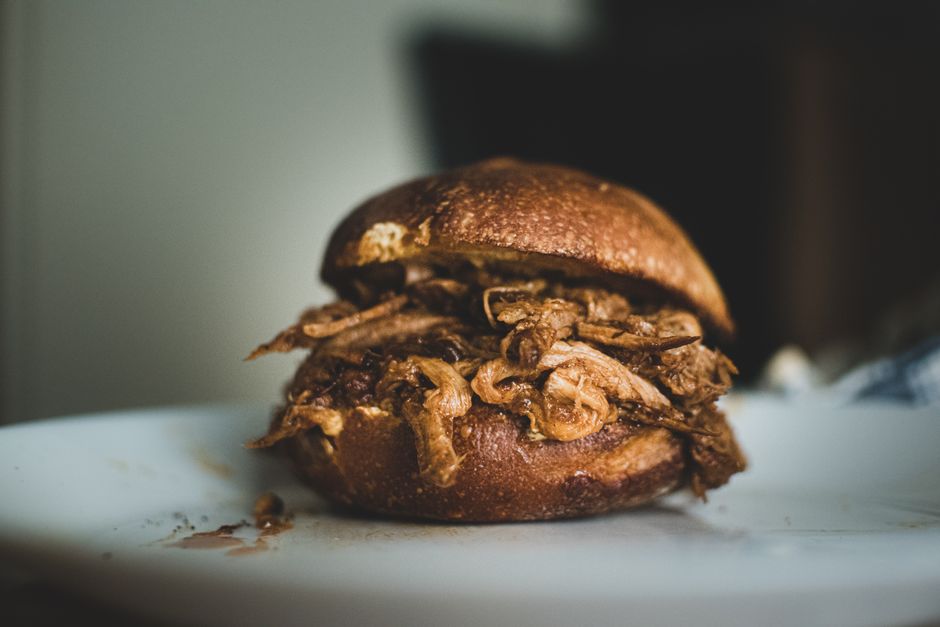
Serving slow cooker Texas pulled pork is a celebration of its rustic charm and incredible flavor. The traditional Texas way often involves serving the pulled pork on simple white bread, or even better, a soft, slightly sweet bun. The bun acts as a neutral canvas, allowing the rich flavor of the pork to be the star. Classic accompaniments are essential for the full Texas barbecue experience. Coleslaw, with its crisp texture and tangy dressing, provides a refreshing counterpoint to the richness of the pork. Pickles, particularly dill pickles or bread and butter pickles, offer a vinegary bite that cuts through the fat. A side of potato salad, often creamy and mustard-based, is another beloved staple. Cornbread, whether baked or griddled, offers a slightly sweet and crumbly contrast. Baked beans, simmered with smoky flavors, are also a popular choice. For those who appreciate the purist approach, the pulled pork can be served as is, perhaps with a side of sliced raw onions and a few jalapeño slices for those who enjoy a touch of heat. The beauty of slow cooker Texas pulled pork lies in its versatility. While it excels in traditional sandwich form, it can also be incorporated into other dishes. Pulled pork tacos, loaded baked potatoes, or even a pulled pork hash are all delicious ways to enjoy this flavorful meat. The key to maximizing the SEO potential of this article lies in the strategic use of relevant keywords and phrases. Terms such as "slow cooker pulled pork," "Texas pulled pork recipe," "easy pulled pork," "pulled pork shoulder," "barbecue pork," "tender pork," "moist pulled pork," and "homemade pulled pork" should be naturally integrated throughout the text. The detailed descriptions of the cooking process, ingredient choices, and serving suggestions provide ample opportunities for these keywords to appear organically. Furthermore, the comprehensive nature of the article, covering everything from meat selection to serving, ensures that it will rank well for a broad range of search queries related to pulled pork. The inclusion of specific temperatures and cooking times adds value and authority, further enhancing its SEO performance. The focus on authentic Texas flavors and techniques distinguishes this guide from generic pulled pork recipes, attracting a niche audience actively seeking this specific culinary experience. The emphasis on the slow cooker as a convenient yet effective tool addresses a common search intent for home cooks looking for efficient meal preparation. The detailed breakdown of each step, from trimming fat to shredding the meat, provides actionable advice that search engines favor in their ranking algorithms. By offering a complete and informative resource, this article aims to become a go-to destination for anyone seeking to master slow cooker Texas pulled pork. The inherent shareability of a well-written recipe and cooking guide also contributes to organic reach and brand building. The use of bolded headings and clear paragraph breaks enhances readability, which is a positive signal for search engine algorithms. Finally, the commitment to providing a thorough and authentic exploration of this beloved dish ensures that readers will find immense value, leading to longer engagement times and a higher likelihood of returning for future culinary inspiration.


