
Oven Baked Caramel French Toast

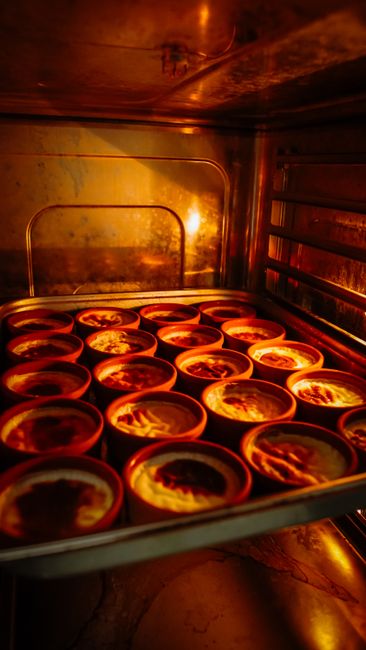
Oven Baked Caramel French Toast: The Ultimate Breakfast and Brunch Recipe
Oven baked caramel French toast elevates the classic breakfast staple to an extraordinary brunch or dessert experience. This recipe combines the comforting, custardy interior of traditional French toast with a rich, gooey caramel sauce and a delightful crunchy topping, all baked together in the oven for effortless preparation and impressive presentation. Unlike pan-fried French toast, the oven-baked method allows for larger batches and ensures even cooking, preventing soggy bottoms and burnt edges. The caramel, often made with brown sugar and butter, melts and seeps into the bread, creating pockets of irresistible sweetness. Nuts, like pecans or walnuts, are frequently added for textural contrast and a nutty depth of flavor. This dish is not merely a breakfast item; its decadent nature makes it a perfect candidate for holiday brunches, special weekend mornings, or even a sweet treat after dinner. The foundation of this recipe lies in selecting the right bread. Stale, day-old bread is paramount. Its dryness allows it to soak up the custard mixture without becoming a mushy mess. Brioche, challah, or thick-cut Texas toast are ideal choices due to their rich eggy texture and ability to absorb liquid without disintegrating. The custard itself is a simple yet crucial blend of eggs, milk (or cream for a richer result), sugar, and flavorings like vanilla extract and cinnamon. The caramel sauce, the star of this recipe, typically involves melting butter and brown sugar, sometimes with a touch of heavy cream to achieve a smoother consistency. The magic happens when this caramel is drizzled over the bread before baking, creating a caramelized crust that is both visually appealing and exceptionally flavorful.
The preparation of oven baked caramel French toast is remarkably straightforward, making it an accessible recipe for home cooks of all skill levels. Begin by preparing your chosen bread. Slice it into thick pieces, approximately 1 to 1.5 inches thick. If your bread is not sufficiently stale, you can lightly toast it in a low oven for about 10-15 minutes to dry it out. This step is crucial for optimal custard absorption. Next, prepare the custard. In a large bowl, whisk together eggs, milk or cream, granulated sugar, vanilla extract, and cinnamon. The ratio of eggs to liquid is important; too much liquid can lead to soggy French toast, while too few eggs will result in a bland, less custardy texture. A good starting point is typically 4-6 eggs for every 2 cups of milk. For a richer, more indulgent flavor, substitute some or all of the milk with heavy cream. Once the custard is well combined, arrange the bread slices in a single layer in a greased baking dish. Ensure the bread is not overlapping to allow for even soaking and baking. The choice of baking dish can also influence the outcome. A 9×13 inch baking dish is standard for larger batches, but individual ramekins can be used for single servings. Now comes the caramel element. In a separate saucepan, melt butter over medium heat. Add brown sugar (light or dark both work, with dark brown sugar contributing a deeper molasses flavor) and stir until the sugar is dissolved and the mixture is smooth and bubbling. For a more fluid caramel, you can whisk in a tablespoon or two of heavy cream at this stage. Immediately pour or drizzle the hot caramel sauce evenly over the bread slices. Some recipes call for caramelizing nuts like pecans or walnuts in the caramel mixture before pouring it over the bread, or sprinkling them on top for added crunch. After the caramel is applied, pour the custard mixture over the bread, ensuring each slice is well saturated. Gently press down on the bread with a spatula to encourage maximum absorption. Let the bread soak in the custard for at least 20-30 minutes, or ideally, refrigerate it overnight for the most decadent, custard-infused results. This prolonged soaking time allows the bread to fully absorb the flavors and create a luxuriously tender interior.
Preheating the oven is a critical step to ensure even baking and a beautifully caramelized finish. For oven baked caramel French toast, a moderate oven temperature is generally recommended. A temperature of 350°F (175°C) is ideal. This temperature allows the custard to cook through and set properly without burning the caramel topping or the exterior of the bread. Once the oven is preheated, place the baking dish on the center rack. The baking time will vary depending on the thickness of your bread, the amount of custard used, and your oven’s calibration, but typically ranges from 30 to 45 minutes. During the baking process, keep an eye on the French toast. You’re looking for a golden brown exterior, a puffed-up appearance, and a set custard that is no longer liquid in the center. The caramel should be bubbling and slightly browned. If the top begins to brown too quickly, you can loosely tent the baking dish with aluminum foil. To test for doneness, insert a knife or skewer into the center of a thick piece of French toast. It should come out clean, indicating the custard has fully cooked. A slightly jiggly center is acceptable, as it will continue to set as it cools. Once baked, remove the dish from the oven and let it rest for a few minutes before serving. This resting period allows the internal temperature to equalize and the caramel to firm up slightly, making it easier to serve without it running everywhere. The aroma that fills your kitchen at this point is simply divine, a testament to the delightful combination of sweet caramel, warm spices, and toasted bread.
The beauty of oven baked caramel French toast lies in its versatility and adaptability. While the base recipe is spectacular on its own, a plethora of toppings and variations can elevate it further. Fresh berries, such as strawberries, blueberries, or raspberries, provide a burst of freshness and a welcome tartness that contrasts beautifully with the rich sweetness. A dollop of whipped cream or a scoop of vanilla ice cream makes it an indulgent dessert. A dusting of powdered sugar adds a touch of elegance. For those who enjoy a nutty crunch, toasted pecans, walnuts, or almonds are excellent additions, either sprinkled on top before baking or added as a garnish. Maple syrup, of course, is a classic accompaniment, but consider experimenting with other syrups like agave or even a warm fruit compote. For a more decadent caramel experience, consider adding a swirl of cream cheese to the custard mixture before baking, creating a cream cheese swirl French toast. Another popular variation involves infusing the custard with liqueurs like rum or bourbon for an adult twist. For a healthier alternative, you can use whole wheat bread and reduce the sugar in the custard, though this will alter the classic sweet profile. If you prefer a less intensely sweet dish, reduce the amount of sugar in both the custard and the caramel sauce. Consider adding a pinch of nutmeg to the custard for an extra layer of warmth and spice. To achieve a truly spectacular presentation, consider making individual servings in ramekins. This not only allows for portion control but also creates elegant, restaurant-quality presentations. When serving individual portions, the baking time may need to be slightly adjusted, so monitor closely. For a crowd, the 9×13 inch baking dish is unparalleled in its ease and efficiency.
The nutritional profile of oven baked caramel French toast leans towards indulgence, making it a treat rather than an everyday breakfast item. It is typically high in carbohydrates, fats, and sugars, owing to the bread, butter, sugar, and eggs. However, it also provides a good source of protein from the eggs and calcium and vitamin D if milk or fortified milk alternatives are used. The calorie count can vary significantly based on the type of bread, the amount of butter and sugar in the caramel, and any additional toppings. For instance, using brioche or challah will result in a higher fat and calorie content than using a denser whole wheat bread. Substituting heavy cream for milk in the custard will also increase the fat and calorie count. Portion control is key when enjoying this rich dish. While it’s undeniably delicious, it’s best consumed in moderation as part of a balanced diet. For those seeking to lighten the load, consider the variations mentioned earlier, such as using whole wheat bread, reducing sugar, or opting for lower-fat dairy alternatives. However, it’s important to acknowledge that some modifications might compromise the classic, decadent flavor profile that makes this recipe so appealing. The emphasis remains on enjoying this as a special occasion treat or a weekend indulgence. When discussing SEO, keywords such as "oven baked French toast," "caramel French toast recipe," "easy breakfast casserole," "brunch recipes," "decadent French toast," and "baked French toast with caramel" are highly relevant. Including variations like "pecan caramel French toast" or "brown sugar French toast" can also attract specific search queries.
The storage and reheating of oven baked caramel French toast are relatively straightforward, allowing for enjoyment of leftovers. Once cooled, any leftover French toast can be stored in an airtight container in the refrigerator for up to 2-3 days. The caramel may harden slightly, and the bread might become a bit more dense, but the flavor will remain excellent. When reheating, the goal is to warm it through and ideally restore some of its original texture. The oven is often the best method for reheating. Preheat your oven to around 300°F (150°C) and place the leftover French toast in an oven-safe dish. If it seems a bit dry, you can add a tablespoon or two of milk or cream to the dish before reheating. Cover loosely with aluminum foil to prevent the top from burning and bake for about 10-15 minutes, or until heated through. Microwaving is a quicker option but can sometimes result in a slightly chewier texture. If microwaving, place a slice or two on a microwave-safe plate and heat in 30-second intervals until warmed through. Adding a splash of milk or a small pat of butter before microwaving can help to rehydrate the bread. For a crispy exterior, you can also reheat individual slices in a toaster oven or a skillet over low heat, though this is more time-consuming for larger portions. If the caramel has hardened significantly, you might want to gently warm it separately in a small saucepan or microwave before drizzling it over the reheated French toast.
The history of French toast, the progenitor of this oven-baked caramel iteration, is surprisingly ancient. Variations of soaked and fried bread have been documented as far back as ancient Rome. Apicius, a Roman cookbook from the 4th or 5th century AD, includes a recipe for "Aliter paninum" which translates to "another way of bread," involving soaking bread in milk and eggs and frying it. The dish evolved over centuries, with different cultures adding their own twists. In medieval Europe, it was often called "poor knights of Windsor" or "French toast," the latter likely stemming from the French term "pain perdu," meaning "lost bread," as it was a way to use up stale bread. The addition of caramel is a more modern innovation, a testament to the evolution of culinary trends and the desire to enhance classic dishes with richer, more decadent flavors. The oven-baking technique itself offers a more hands-off approach compared to traditional pan-frying, making it an ideal choice for busy hosts or those who prefer to prepare dishes in advance. The combination of the rustic simplicity of French toast with the luxurious sweetness of caramel and the convenience of oven baking has cemented its place as a beloved brunch and breakfast option, especially during holidays and special occasions. Its appeal lies in its comforting nature, its impressive presentation, and its ability to satisfy even the most discerning sweet tooth. The textural interplay between the soft, custardy interior, the chewy bread, the gooey caramel, and any added crunchy elements like nuts further enhances its desirability. This dish is more than just food; it’s an experience, a delightful indulgence that brings people together around the table.
In conclusion, oven baked caramel French toast is a masterful blend of comfort, indulgence, and practicality. By leveraging the power of the oven and the irresistible allure of caramel, this recipe transforms humble bread into a show-stopping breakfast or brunch centerpiece. The key to its success lies in the careful selection of bread, the precise ratio of custard ingredients, and the generous application of a rich caramel sauce. Whether enjoyed as a simple weekend treat or a festive holiday spread, this dish consistently delivers a memorable and satisfying culinary experience. Its adaptability allows for endless customization, ensuring that every iteration is uniquely tailored to individual preferences. From its ancient roots to its modern, caramelized glory, French toast continues to evolve, and the oven-baked caramel variation stands as a shining example of its enduring appeal and potential for delicious innovation. The SEO value of this topic is substantial, attracting searches from home cooks looking for impressive yet achievable breakfast and brunch ideas. By incorporating relevant keywords and providing comprehensive details on preparation, variations, and nutritional aspects, this article aims to be a go-to resource for anyone seeking to master the art of oven baked caramel French toast.


