
Pear And Blue Cheese Salad

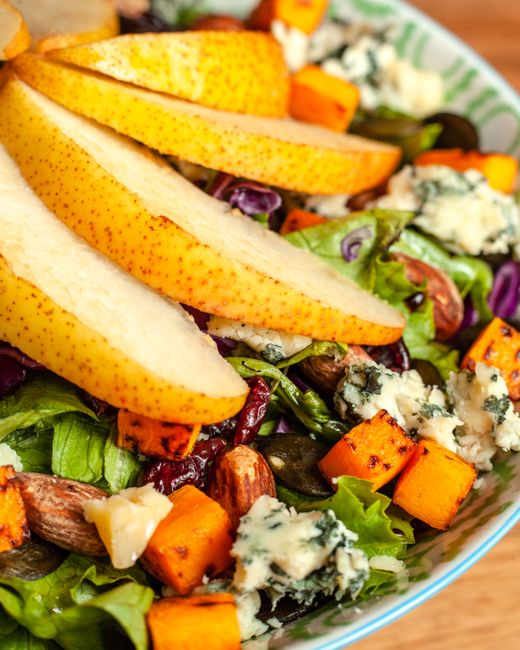
Pear and Blue Cheese Salad: A Culinary Synthesis of Sweet, Savory, and Tangy Flavors
The pear and blue cheese salad represents a masterful interplay of contrasting yet complementary flavors and textures, a culinary creation that elevates simple ingredients into a sophisticated and satisfying dish. At its core, the salad’s appeal lies in the inherent sweetness of ripe pears, their crisp yet yielding flesh providing a refreshing counterpoint to the sharp, pungent, and often creamy notes of blue cheese. This juxtaposition is not accidental; it’s a deliberate culinary strategy that appeals to a broad palate, offering a complexity that transcends the ordinary. The sweetness of the fruit acts as a natural foil to the saltiness and sometimes bitter undertones of the cheese, creating a harmonious balance that is both intriguing and delicious. Beyond the primary components, the salad’s versatility allows for an array of textural and flavor enhancements, transforming it from a simple side to a standalone appetizer or light meal. The choice of greens, nuts, dressings, and even the specific variety of pear and blue cheese all contribute to the final character of the dish, making each iteration a unique exploration of taste. Understanding these individual elements and their synergistic potential is key to crafting an exceptional pear and blue cheese salad, one that is not only visually appealing but also delivers a memorable gustatory experience. This article will delve into the intricacies of selecting and preparing each component, exploring variations, and providing insights into achieving optimal flavor profiles for this celebrated salad.
The foundation of any exceptional pear and blue cheese salad begins with the quality of its key ingredients: the pears and the blue cheese. The selection of pears is paramount, as their ripeness and varietal characteristics significantly influence the salad’s overall sweetness, texture, and subtle flavor notes. Anjou pears, with their mild sweetness and firm texture that holds its shape well, are a popular choice, offering a reliable and accessible option. Bosc pears, distinguished by their elongated shape and russeted skin, possess a slightly more robust sweetness and a firmer texture, making them excellent for salads where a distinct pear presence is desired. Comice pears, often considered the "dessert pear," are exceptionally juicy and sweet with a soft, buttery texture, best suited for salads where a melt-in-your-mouth quality is appreciated. However, it’s crucial to ensure Comice pears are not overly ripe, as they can become mushy. Bartlett pears, while sweet and juicy, tend to soften considerably when ripe and can break down easily in a salad; they are best used with caution or when a very soft texture is intended. The ideal pear for this salad should be ripe but not overly soft, offering a pleasant crispness that provides a textural contrast to the creamy cheese and other potential accompaniments. Inspecting pears for unblemished skin, a firm feel (with a slight give), and a sweet aroma at the stem end are good indicators of optimal ripeness. Avoid pears with significant bruising or soft spots.
The choice of blue cheese is equally critical, dictating the salad’s pungent character and creamy or crumbly texture. Stilton, a classic English blue cheese, offers a rich, complex flavor profile with a distinctly earthy and nutty undertone, often possessing a firm yet crumbly texture. Roquefort, a sheep’s milk blue cheese from France, is known for its intense, tangy, and sharp flavor with a moist, crumbly texture, providing a powerful, distinctive taste. Gorgonzola, an Italian blue cheese, comes in two primary forms: Dolce (sweet) and Piccante (spicy). Gorgonzola Dolce is milder and creamier, while Gorgonzola Piccante is firmer and more pungent, offering a more robust blue cheese experience. Danish Blue, a cow’s milk blue cheese, is generally milder and creamier than Stilton or Roquefort, making it a more approachable option for those new to blue cheese. The desired intensity of the blue cheese flavor will guide the selection. For a subtle hint of blue, a milder variety like Gorgonzola Dolce or Danish Blue might be preferred. For a more assertive and complex flavor profile, Stilton or Roquefort would be excellent choices. The texture of the blue cheese also plays a role; crumbly blues offer distinct pockets of flavor and texture, while creamier varieties can meld more seamlessly into the dressing or coat other ingredients.
The interplay between the sweetness of the pear and the saltiness of the blue cheese is amplified by the selection of salad greens. A robust, slightly bitter green can provide an excellent counterpoint to both the sweet fruit and the pungent cheese. Arugula, with its peppery bite, is a classic pairing, its distinct flavor cutting through the richness of the cheese and complementing the sweetness of the pear. Mixed greens, offering a variety of textures and subtle flavors, can also work well, providing a balanced base. Baby spinach, with its mild flavor and tender texture, offers a softer foundation, allowing the pear and blue cheese to take center stage. Romaine lettuce, known for its crispness and refreshing quality, can add a satisfying crunch to the salad. For a more sophisticated presentation and flavor, consider incorporating radicchio or Belgian endive, both of which contribute a pleasant bitterness and a crisp texture that harmonizes beautifully with the other components. The visual appeal is also enhanced by the varied colors of different greens, making the salad more enticing.
Beyond the core ingredients, the inclusion of nuts introduces essential textural contrast and complementary flavors. Toasted walnuts are a perennial favorite, their slightly bitter, earthy notes and satisfying crunch providing an excellent foil to the sweetness of the pear and the tang of the blue cheese. Pecans, with their sweeter, buttery flavor and delicate crunch, offer a different but equally appealing nutty element. Toasted almonds, particularly slivered or sliced, add a delicate crispness and a subtle nutty aroma. For a more adventurous palate, toasted pistachios can introduce a vibrant color and a unique, slightly sweet flavor. The act of toasting nuts is crucial; it intensifies their flavor and enhances their crispness, transforming them from raw ingredients into flavorful components that elevate the entire salad. A light toasting in a dry skillet or a brief period in a moderate oven will suffice. Over-toasting can lead to bitterness, so vigilance is key.
The dressing for a pear and blue cheese salad is a critical element that ties all the flavors together, enhancing their individual qualities and creating a cohesive whole. A simple vinaigrette is often the most effective, allowing the primary ingredients to shine. A classic balsamic vinaigrette provides a sweet and tangy base that complements both the pear and the blue cheese. The acidity of the balsamic vinegar cuts through the richness of the cheese, while its inherent sweetness echoes the fruit. A red wine vinaigrette offers a slightly sharper acidity, which can be desirable when working with a more assertive blue cheese. For a creamier dressing, a honey-mustard vinaigrette can be a delightful choice. The sweetness of the honey balances the pungency of the mustard and the tang of the vinegar, while the creamy emulsification coats the ingredients beautifully. Adding a touch of Dijon mustard provides a subtle but essential kick. The emulsification process, where oil and vinegar are combined to create a stable mixture, is key to a well-balanced dressing. Whisking vigorously or using an immersion blender can achieve this. The ratio of oil to vinegar is typically 3:1, but this can be adjusted to personal preference. Seasoning the dressing with salt and freshly ground black pepper is essential for bringing out the full flavor of the ingredients.
The versatility of the pear and blue cheese salad allows for numerous creative additions and variations, catering to diverse tastes and occasions. Adding thinly sliced red onion or shallots can introduce a subtle allium bite that complements the other flavors without overpowering them. Dried cranberries or cherries, with their chewy texture and concentrated sweet-tart flavor, can add bursts of fruity intensity and a pleasing chewiness. Candled pecans or walnuts offer an elevated level of sweetness and crunch, transforming the salad into a more decadent dish. For a protein boost, grilled chicken or turkey, sliced thinly, can transform the salad into a substantial main course. Smoked salmon, with its rich, savory flavor, provides a luxurious and sophisticated addition. Prosciutto, thinly sliced and slightly crisped, offers a salty, savory element that pairs exceptionally well with both pear and blue cheese. The incorporation of fresh herbs can add an aromatic dimension. Fresh thyme, with its earthy, slightly floral notes, is a natural pairing. Fresh mint can provide a refreshing counterpoint, particularly when the salad is served in warmer weather.
The preparation of the pear and blue cheese salad requires attention to detail to ensure optimal flavor and texture. Pears should be sliced or diced just before assembling the salad to prevent browning, especially if not using a variety that resists oxidation. A squeeze of lemon or lime juice can also help maintain their vibrant color and freshness. Blue cheese can be crumbled or cut into small cubes, depending on its texture and personal preference. To ensure even distribution of flavor, the blue cheese should be scattered throughout the salad. Nuts should be toasted and cooled before adding. The greens should be thoroughly washed and dried; excess moisture can dilute the dressing and make the salad soggy. The dressing should be added just before serving to prevent the greens from wilting. The salad can be assembled in stages; for example, the greens, nuts, and pear can be tossed together, and then the blue cheese and dressing can be added, or all components can be gently tossed together at once. The key is to handle the ingredients gently to maintain their integrity.
The SEO implications of this salad revolve around common search queries related to its core components and flavor profile. Keywords such as "pear salad," "blue cheese salad," "pear and blue cheese dressing," "arugula pear salad," "walnut and blue cheese salad," "sweet and savory salad," "appetizer salad," and "light lunch salad" are highly relevant. Including variations like "Gorgonzola pear salad" or "Stilton and pear salad" can capture more specific searches. The use of descriptive adjectives like "tangy," "sweet," "savory," "crisp," and "creamy" in the article’s content will also improve search engine visibility. Rich media, such as high-quality images of the finished salad, can further enhance engagement and SEO. Focusing on the health benefits of the ingredients, such as the fiber in pears and the potential probiotics in blue cheese, could also be a consideration for broader keyword targeting, though this article prioritizes culinary aspects. The emphasis on recipe-related terms like "how to make," "recipe," "ingredients," and "steps" will attract users looking for practical guidance.
In conclusion, the pear and blue cheese salad is a testament to the power of balanced flavor profiles and textural harmony. Its inherent appeal lies in the skillful orchestration of sweet, savory, tangy, and sometimes bitter elements, enhanced by the satisfying crunch of nuts and the refreshing crispness of well-chosen greens. The meticulous selection of pears and blue cheese, the thoughtful preparation of each component, and the judicious application of a complementary dressing are all crucial to achieving a truly exceptional culinary outcome. This salad transcends its simple categorization, offering itself as a versatile and elegant option for a variety of dining occasions, from a sophisticated appetizer to a satisfying light meal. Its enduring popularity is a testament to its deliciousness and its ability to consistently delight the palate with its complex yet approachable flavor combination.


