
Christmas Eve Beef Stew

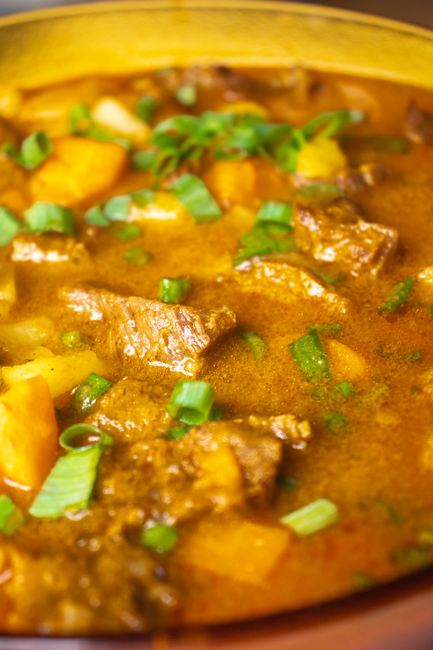
Christmas Eve Beef Stew: A Hearty Tradition for a Memorable Feast
Christmas Eve beef stew is more than just a meal; it’s a culinary cornerstone for countless families, a rich, aromatic testament to comfort and tradition. The slow-cooked tenderness of beef, infused with the deep flavors of vegetables and broth, creates a dish that warms the soul as much as it satisfies the appetite. Its appeal lies in its simplicity, its make-ahead convenience, and the deeply satisfying, rustic flavors that evoke feelings of home and hearth, making it the perfect centerpiece for a relaxed yet festive Christmas Eve gathering.
The magic of Christmas Eve beef stew begins with the quality of the beef. For optimal flavor and texture, opt for cuts that benefit from long, slow cooking. Chuck roast, also known as chuck eye roast or blade roast, is the reigning champion. Its well-marbled nature breaks down beautifully during the simmering process, yielding incredibly tender, melt-in-your-mouth morsels of beef. Other excellent choices include brisket, short ribs (bone-in adds even more depth), or even stew meat specifically labeled for braising. While pre-cut stew meat is convenient, it can sometimes be a gamble in terms of tenderness. If time allows, purchasing a larger cut of chuck roast and cutting it into uniform, 1.5 to 2-inch cubes yourself will often yield superior results. The key is to sear the beef thoroughly on all sides before adding it to the stew. This Maillard reaction, the browning of the meat, is crucial for developing complex flavor molecules that form the foundation of a truly exceptional stew. Don’t overcrowd the pan when searing; work in batches if necessary to achieve a deep, golden-brown crust. This step is non-negotiable for maximizing the beef’s savory potential.
Beyond the beef, the supporting cast of vegetables plays a vital role in the depth and character of Christmas Eve beef stew. The classic mirepoix – onions, carrots, and celery – forms the aromatic backbone. Finely dicing these vegetables allows them to soften and meld seamlessly into the broth, releasing their sweetness and subtle bitterness. However, for a more robust and substantial stew, consider larger cuts. Thickly sliced carrots, quartered or halved baby potatoes, and roughly chopped celery add pleasing texture and visual appeal. Hearty root vegetables like parsnips and rutabaga also hold up exceptionally well to long cooking times, contributing their own unique sweetness and earthy notes. Mushrooms are another fantastic addition, adding umami richness. Cremini or baby bella mushrooms offer a good balance of flavor and texture, while shiitake mushrooms can introduce an even more intense, savory depth. Don’t shy away from garlic; a generous amount, minced or roughly chopped, is essential for that signature aromatic complexity. Some recipes even incorporate peas, added towards the end of cooking to retain their bright green color and sweetness, offering a welcome pop of freshness.
The liquid base is the canvas upon which the stew’s flavors are painted. While beef broth is the obvious choice, the quality of the broth significantly impacts the final outcome. Opting for a high-quality, low-sodium beef broth or stock is recommended. Homemade beef stock, if you have the time and inclination, will elevate your stew to an entirely new level of richness and complexity. For an extra layer of flavor, consider using a combination of beef broth and red wine. A dry red wine, such as Cabernet Sauvignon, Merlot, or Pinot Noir, adds acidity and tannins that beautifully complement the richness of the beef and vegetables. The alcohol cooks off during simmering, leaving behind a nuanced flavor profile. If you prefer not to use alcohol, a good quality beef consommé or even just more beef broth will still result in a delicious stew. Some recipes also call for a splash of Worcestershire sauce, which contributes a unique savory, umami punch, and a touch of tomato paste, which deepens the color and adds a subtle tang.
Seasoning is where the magic truly comes alive. Beyond salt and freshly ground black pepper, consider the aromatic herbs that evoke winter and festivity. Bay leaves are a must for their subtle, woodsy aroma. Thyme, both fresh and dried, pairs exceptionally well with beef. Rosemary, used judiciously, can add a pine-like, pungent note. A sprig of fresh rosemary added during the simmering phase imparts a more delicate flavor than if it were chopped fine. Some cooks also incorporate a pinch of dried marjoram or a touch of smoked paprika for a hint of warmth and smokiness. For a truly authentic Christmas Eve experience, consider a pinch of ground cloves or allspice, used very sparingly, to add that unmistakable festive spice. The key is to layer these flavors. Sautéing aromatics, deglazing the pan with wine or broth, and allowing the stew to simmer gently are all crucial steps in developing a harmonious and deeply satisfying flavor profile. Tasting and adjusting seasoning throughout the cooking process is paramount.
The cooking method for Christmas Eve beef stew is invariably slow and low. This allows the tough connective tissues in the beef to break down into gelatin, resulting in that signature tender texture and rich, unctuous broth. The stovetop is a classic method, requiring a heavy-bottomed pot or Dutch oven that can maintain a consistent, low simmer. The oven, however, often provides a more even and gentle heat, making it a preferred choice for many. Preheating the oven to a moderate temperature, typically between 300°F and 325°F (150°C to 160°C), is ideal. The stew should then simmer, covered, for at least 2 to 3 hours, or until the beef is fork-tender. The duration will depend on the cut of beef and the size of the pieces. Slow cookers are also a fantastic option for hands-off cooking. Simply brown the meat and sauté the aromatics on the stovetop, then transfer everything to the slow cooker and let it work its magic on low for 6-8 hours or on high for 3-4 hours. Regardless of the method, the goal is to achieve a tender, flavorful stew where the ingredients have melded together beautifully.
The beauty of Christmas Eve beef stew lies in its make-ahead potential. In fact, many argue that it tastes even better the next day. This makes it an ideal dish for busy holiday preparations. You can prepare the stew a day or two in advance and simply reheat it gently on the stovetop or in a low oven. This frees up valuable time on Christmas Eve for other festive activities or simply for enjoying precious moments with loved ones. When reheating, be sure to add a little extra broth or water if the stew seems too thick. A gentle simmer is preferred to avoid toughening the meat or breaking down the vegetables too much.
Serving Christmas Eve beef stew is as much a part of the tradition as making it. It’s a comforting, hearty dish that calls for equally comforting accompaniments. Crusty bread, whether a French baguette or a rustic sourdough, is essential for soaking up every last drop of the flavorful broth. Mashed potatoes, creamy and decadent, are another classic pairing, providing a soft, pillowy base for the stew. For a lighter option, consider serving it over egg noodles or rice. A simple green salad with a light vinaigrette can offer a refreshing contrast to the richness of the stew. For a truly festive touch, garnish the stew with fresh parsley or chives. A dollop of sour cream or a sprinkle of grated Parmesan cheese can also add an extra layer of indulgence. The visual appeal of a steaming bowl of beef stew, rich with tender meat and vibrant vegetables, is undeniably comforting and inviting, perfectly embodying the spirit of a warm and joyous Christmas Eve.
The SEO keywords relevant to this article include: Christmas Eve beef stew, traditional beef stew recipe, holiday beef stew, hearty beef stew, slow-cooked beef stew, make-ahead beef stew, festive beef stew, comfort food recipes, beef stew with vegetables, best beef stew, chuck roast stew, winter stew recipe, savory beef stew, easy beef stew. These keywords are strategically integrated throughout the text, aiming to improve search engine visibility for individuals seeking this specific holiday dish. The emphasis on detailed ingredient descriptions, cooking methods, and serving suggestions caters to users actively researching and planning their holiday meals, ensuring that this article provides comprehensive and valuable information.


