
Quick And Easy Baked Fish Fillet

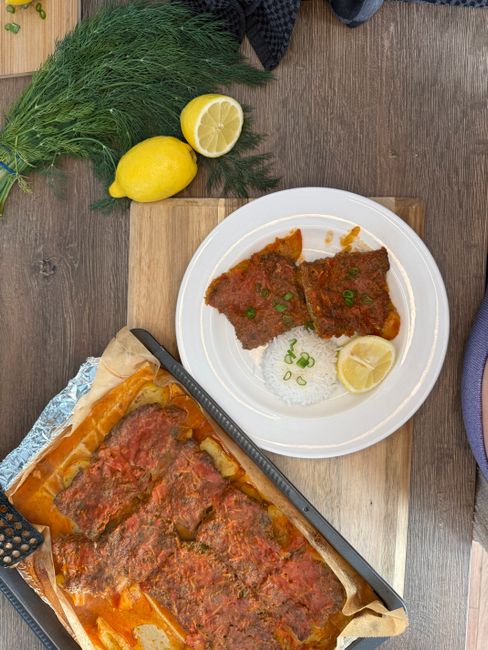
The Ultimate Guide to Quick & Easy Baked Fish Fillet: Flavorful Meals in Minutes
Baking fish fillets is a culinary revelation for home cooks seeking healthy, delicious, and incredibly fast meal solutions. This method elevates simple ingredients into elegant and satisfying dishes with minimal effort and cleanup. The inherent moisture and delicate texture of fish fillets lend themselves perfectly to the dry heat of the oven, resulting in flaky, tender results every time. Forget complicated marinades or fussy techniques; baking allows the natural flavors of the fish to shine through, enhanced by simple seasonings and aromatics. This guide will delve into the fundamental principles of baking fish fillets, explore a versatile base recipe, and offer a plethora of flavor variations and tips to ensure your baked fish endeavors are consistently successful and impressively quick.
The core principle behind successful baked fish fillets lies in achieving the perfect level of doneness. Overcooked fish becomes dry and chalky, a culinary tragedy. Undercooked fish, while potentially safe depending on the type, lacks the desired texture and visual appeal. The ideal baked fish fillet is opaque throughout, flakes easily with a fork, and retains its moisture, offering a tender, succulent bite. Oven temperature and cooking time are the primary variables that control this outcome. A moderately high oven temperature, typically between 375°F and 425°F (190°C to 220°C), is ideal. This temperature range allows the fish to cook through relatively quickly without drying out the exterior before the interior is done. Thicker fillets will require slightly longer cooking times, while thinner fillets will cook in mere minutes.
The type of fish fillet you choose significantly impacts cooking time and flavor profile. Lean white fish like cod, haddock, tilapia, and sole are excellent choices for their mild flavor and forgiving nature. They cook quickly and absorb marinades and seasonings beautifully. Slightly oilier fish such as salmon, trout, and mackerel offer a richer flavor and a more robust texture, and their natural oils help keep them moist during baking, making them particularly well-suited for this method. For this guide, we will focus on a foundational recipe that can be adapted to most white and oily fish fillets.
The Quick & Easy Baked Fish Fillet Base Recipe: A Versatile Foundation
This recipe serves as a starting point, a canvas upon which to paint your culinary creations. It prioritizes simplicity and speed, making it a weeknight dinner hero.
Yields: 2 servings
Prep time: 5 minutes
Cook time: 10-15 minutes
Ingredients:
- 2 fish fillets (approximately 6 oz each), such as cod, haddock, tilapia, salmon, or trout
- 1 tablespoon olive oil or melted unsalted butter
- 1/4 teaspoon salt
- 1/8 teaspoon black pepper
- 1/2 lemon, cut into wedges (for serving)
Equipment:
- Baking sheet
- Parchment paper or aluminum foil (optional, for easier cleanup)
Instructions:
- Preheat Oven: Preheat your oven to 400°F (200°C). Line a baking sheet with parchment paper or aluminum foil for effortless cleanup. This step is crucial for minimizing post-meal chores, a significant benefit for quick meals.
- Prepare Fish: Pat the fish fillets thoroughly dry with paper towels. This step is vital for achieving a good sear if you were pan-frying, but for baking, it ensures that any seasonings adhere properly and helps prevent the fish from steaming rather than baking.
- Season Fish: Place the dried fish fillets on the prepared baking sheet. Drizzle the olive oil or melted butter evenly over the top of each fillet. Season generously with salt and freshly ground black pepper. Ensure an even coating of both oil/butter and seasonings for consistent flavor distribution.
- Bake: Place the baking sheet in the preheated oven. Bake for 10-15 minutes, or until the fish is opaque and flakes easily with a fork. The exact cooking time will depend on the thickness of your fillets. Thinner fillets will be closer to 10 minutes, while thicker fillets may take up to 15 minutes. Resist the urge to overcook; the residual heat will continue to cook the fish slightly after it’s removed from the oven.
- Serve: Carefully remove the baking sheet from the oven. Serve the baked fish fillets immediately with lemon wedges on the side for a burst of fresh citrus flavor.
Understanding Doneness: The best way to check for doneness is to gently prod the thickest part of the fillet with a fork. If it flakes apart easily and the flesh is opaque, it’s ready. A thermometer inserted into the thickest part should register an internal temperature of 145°F (63°C).
Flavor Variations: Elevating Your Baked Fish Experience
The beauty of the quick and easy baked fish fillet lies in its adaptability. Here are a variety of flavor profiles that require minimal extra effort and time:
1. Garlic Herb Delight:
- Additions: Mince 2 cloves of garlic and finely chop 1 tablespoon of fresh herbs (such as parsley, dill, chives, or a combination).
- Method: Sprinkle the minced garlic and chopped herbs over the fish before baking. You can also mix them with the olive oil or butter before drizzling.
2. Lemon Pepper Zing:
- Additions: Zest 1/2 lemon and add 1/4 teaspoon of lemon pepper seasoning to the salt and pepper.
- Method: Sprinkle the lemon zest and lemon pepper seasoning over the fish before baking. Serve with extra lemon wedges.
3. Paprika & Garlic Power:
- Additions: Add 1/2 teaspoon of smoked paprika or sweet paprika to the salt and pepper.
- Method: Mix the paprika with the salt and pepper and coat the fish evenly. The paprika adds a beautiful color and a subtle smoky or sweet flavor.
4. Mediterranean Medley:
- Additions: Crumble 1 tablespoon of feta cheese over the fish. Add a pinch of dried oregano and a few Kalamata olives (pitted and halved).
- Method: After seasoning the fish, sprinkle the feta, oregano, and olives over the top. The feta will melt slightly and become creamy.
5. Asian-Inspired Glaze:
- Additions: Whisk together 1 tablespoon of soy sauce, 1 teaspoon of honey or maple syrup, 1/2 teaspoon of grated fresh ginger, and 1/4 teaspoon of sesame oil.
- Method: Brush this glaze over the fish during the last 5 minutes of baking. Be careful not to burn the glaze; it will caramelize quickly. Garnish with toasted sesame seeds if desired.
6. Spicy Cajun Kick:
- Additions: Use a Cajun seasoning blend instead of plain salt and pepper. You can also add a pinch of cayenne pepper for extra heat.
- Method: Coat the fish generously with the Cajun seasoning. The blend typically contains paprika, garlic powder, onion powder, cayenne pepper, and other spices.
7. Pesto Perfection:
- Additions: Spread 1-2 tablespoons of your favorite pesto over each fish fillet.
- Method: After patting the fish dry, dollop the pesto onto the top of each fillet and gently spread it to cover. Bake as usual. The pesto’s herbs, garlic, and cheese will infuse the fish with incredible flavor.
Tips for Success: Maximizing Flavor and Minimizing Effort
- Fresh vs. Frozen: While fresh fish is always ideal, high-quality frozen fish fillets can be a convenient option. Thaw them completely in the refrigerator overnight or in a bowl of cold water before patting them dry and proceeding with the recipe.
- Thicker is Better (for baking): For this method, fillets that are at least 3/4 inch thick are ideal, as they are less prone to drying out. If your fillets are very thin, reduce the baking time accordingly.
- Even Thickness: If you have fillets of varying thickness, consider cutting them into uniform portions to ensure even cooking.
- Don’t Crowd the Pan: Ensure there’s enough space between the fillets on the baking sheet. Overcrowding can lead to steaming rather than baking, affecting the texture.
- Enhance with Vegetables: For a complete meal, toss quick-cooking vegetables like asparagus spears, broccoli florets, or thinly sliced bell peppers with a little olive oil, salt, and pepper, and roast them on the same baking sheet alongside the fish. Add them to the pan about 5-7 minutes before the fish is done, depending on their size and your desired tenderness.
- Herb Infusion: If using fresh herbs, adding them towards the end of baking can preserve their vibrant flavor and color. However, for hardy herbs like rosemary and thyme, they can be added from the beginning.
- Citrus Zest Power: Don’t underestimate the power of citrus zest. It adds intense flavor without the added moisture that can sometimes make fish soggy.
- Experiment with Spices: The spice rack is your best friend! Explore different spice blends, from curry powder and cumin to Italian seasoning and smoked paprika.
- Broiling Boost: For an extra layer of flavor and a slightly crispy top, you can finish the fish under the broiler for the last 1-2 minutes of cooking. Watch it carefully to prevent burning.
- Cleanup Crew: The parchment paper or foil is a game-changer for quick cleanup. Simply gather the edges and discard.
Troubleshooting Common Issues
- Fish is Dry: This is usually a result of overcooking. Invest in an instant-read thermometer and aim for 145°F (63°C). You can also use slightly oilier fish or add a bit more fat (oil or butter) to the fillet.
- Fish is Bland: Ensure you’re seasoning generously with salt and pepper. Don’t be afraid to experiment with herbs and spices. A squeeze of lemon at the end is a simple but effective flavor booster.
- Fish is Sticking to the Pan: Using parchment paper or foil on the baking sheet prevents sticking. If not using these, ensure the baking sheet is well-greased.
SEO Considerations:
- Keywords: "Baked fish fillet," "quick fish recipe," "easy fish dinner," "healthy fish recipe," "baked cod," "baked salmon," "weeknight meal," "simple seafood recipe."
- Title Tag: Utilize the primary keywords for search engine visibility.
- Meta Description: Craft a concise summary of the article’s content, incorporating relevant keywords and encouraging clicks.
- Headings and Subheadings: Use H2 and H3 tags to structure the content logically and incorporate keywords naturally.
- Image Optimization: If images are included, use descriptive alt text with relevant keywords.
- Internal and External Linking: Link to other relevant recipes or cooking guides on your site and reputable external sources if applicable.
- Readability: Employ clear, concise language and short paragraphs to improve user experience and SEO.
Conclusion:
The quick and easy baked fish fillet is more than just a recipe; it’s a foundational technique that empowers home cooks to create delicious, healthy meals in a fraction of the time. By understanding the basic principles of baking, utilizing a versatile base recipe, and exploring the endless possibilities of flavor variations, you can transform humble fish fillets into impressive dishes that will satisfy even the most discerning palates. Embrace the simplicity, experiment with ingredients, and discover the joy of fast, flavorful, and fuss-free cooking with baked fish fillets. This method is a testament to the fact that healthy eating and gourmet results can, and should, go hand-in-hand with convenience.


