
Sweet Potato Bread I

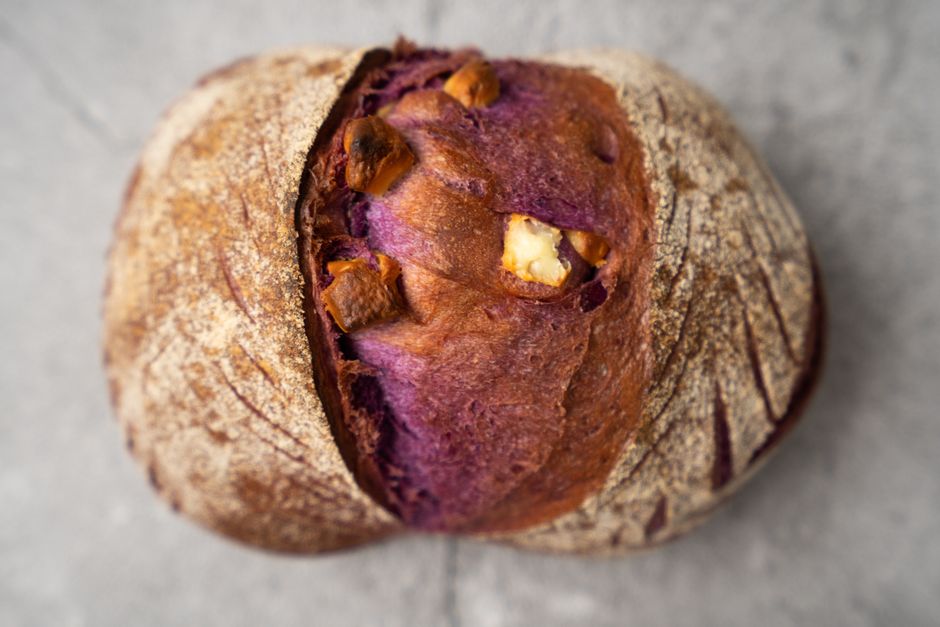
The Ultimate Guide to Sweet Potato Bread: From Baking Basics to Flavor Variations
Sweet potato bread, a moist, tender, and subtly sweet quick bread, has gained immense popularity for its comforting flavor profile and impressive nutritional benefits. This versatile baked good, often enjoyed for breakfast, brunch, or as a satisfying snack, offers a unique blend of earthy sweetness from mashed sweet potatoes, enhanced by warm spices and a tender crumb. Its foundation lies in the natural sugars present in sweet potatoes, which contribute moisture and a delightful chewiness, eliminating the need for excessive added sugar in many recipes. The vibrant orange hue of the sweet potato also lends an appealing visual element to the finished loaf. Beyond its taste and texture, sweet potato bread is a powerhouse of nutrients. Sweet potatoes themselves are rich in beta-carotene, a precursor to vitamin A, crucial for vision health, immune function, and skin health. They also provide dietary fiber, promoting digestive wellness and contributing to a feeling of fullness, and a good source of vitamin C, potassium, and manganese. Incorporating sweet potato bread into your diet is a delicious way to boost your intake of these essential vitamins and minerals.
The fundamental recipe for sweet potato bread typically involves a base of all-purpose flour, leavening agents like baking soda and/or baking powder, sugar (though often reduced due to the natural sweetness of the potatoes), fat (butter or oil), eggs, and of course, mashed sweet potato. The process of making sweet potato bread is relatively straightforward, categorizing it as a quick bread, meaning it relies on chemical leaveners rather than yeast for rising. This eliminates the lengthy kneading and proofing times associated with traditional yeast breads, making it an accessible baking project for all skill levels. The key to a successful sweet potato bread lies in the preparation of the sweet potato. It must be thoroughly cooked and mashed until smooth, free of any stringy bits, to ensure an even distribution throughout the batter and prevent an undesirable texture. Roasting or baking the sweet potatoes often yields a more concentrated flavor and drier texture, which can be beneficial for the bread’s structure. Boiling can also be used, but care must be taken to drain excess water. Once mashed, the sweet potato is incorporated into the wet ingredients, which typically include eggs, melted butter or oil, and sometimes milk or buttermilk for added richness and moisture. The dry ingredients, a mixture of flour, sugar, leavening agents, salt, and warming spices like cinnamon, nutmeg, and cloves, are then gently combined with the wet ingredients until just incorporated. Overmixing can develop the gluten in the flour, resulting in a tougher, less tender loaf, so a light hand is crucial. The batter is then poured into a prepared loaf pan and baked until a toothpick inserted into the center comes out clean. The aroma that fills the kitchen as sweet potato bread bakes is undeniably comforting, a testament to its homely appeal.
Mastering the basic sweet potato bread recipe opens the door to a world of delicious variations and enhancements. The inherent flavor of sweet potato provides a neutral yet subtly sweet canvas for a multitude of additions. Nuts, such as chopped pecans or walnuts, offer a delightful textural contrast and a nutty depth of flavor that complements the sweetness of the bread. Dried fruits, like raisins, cranberries, or chopped dates, introduce bursts of chewy sweetness and add visual interest. Chocolate chips, whether dark, milk, or white, transform the bread into a decadent treat, perfect for satisfying a sweet craving. For a more complex flavor profile, consider incorporating spices beyond the standard cinnamon and nutmeg. A pinch of ginger or allspice can add warmth and a subtle kick. Orange zest or lemon zest can brighten the flavor and add a zesty counterpoint to the sweetness. Maple syrup can be used as a partial or complete substitute for granulated sugar, enhancing the autumnal flavors and adding its own unique caramel notes. For those seeking a healthier option, whole wheat flour can be substituted for a portion of the all-purpose flour, increasing the fiber content. Brown sugar can also be used in place of granulated sugar for a richer, molasses-infused sweetness. The addition of cream cheese or sour cream to the batter can contribute to an even moister and more tender crumb, adding a subtle tang that balances the sweetness. These variations are not merely about adding ingredients; they are about thoughtfully layering flavors and textures to create a personalized and exceptional sweet potato bread experience.
Storage and shelf life are important considerations for any baked good, and sweet potato bread is no exception. Once cooled completely, sweet potato bread can be stored at room temperature in an airtight container for up to three to four days. The natural moisture from the sweet potato helps keep it moist for a reasonable period. For longer storage, it can be wrapped tightly in plastic wrap and then aluminum foil, or placed in a freezer-safe bag or container, and frozen for up to three months. Thawing frozen sweet potato bread is best done at room temperature. Reheating can be done gently in a toaster oven or a low-temperature oven to restore its warmth and freshness. It’s important to ensure the bread is completely cooled before storing to prevent condensation from forming inside the container, which can lead to sogginess and spoilage. If you live in a particularly warm or humid climate, refrigerating the bread might be a consideration, although this can sometimes lead to a slightly firmer texture. However, for optimal flavor and texture, room temperature storage for immediate consumption is generally preferred. Properly stored, sweet potato bread remains a delightful treat for an extended period, allowing you to enjoy its comforting flavors whenever the craving strikes.
The nutritional profile of sweet potato bread can vary significantly based on the ingredients used, particularly the type and amount of sugar and fat. However, a standard recipe, particularly one that emphasizes whole ingredients and mindful sugar content, offers a compelling nutritional advantage over many other quick breads and baked goods. As mentioned, the star ingredient, sweet potato, is an excellent source of beta-carotene, which the body converts to vitamin A. This vitamin is vital for vision, immune function, and cell growth. The fiber content in sweet potatoes contributes to digestive health and can help regulate blood sugar levels, making sweet potato bread a more satiating option. It also provides essential minerals like potassium, important for blood pressure regulation, and manganese, which plays a role in bone health and metabolism. When whole wheat flour is incorporated, the fiber and nutrient content increases further, offering a broader spectrum of vitamins and minerals. While most recipes include some form of added sugar, opting for natural sweeteners like maple syrup or reducing the overall sugar content can significantly improve the health quotient. Similarly, choosing healthy fats like olive oil or avocado oil over butter, or using it sparingly, can contribute to a more heart-healthy profile. Eggs provide protein and essential amino acids. Even in its most indulgent forms, sweet potato bread can be a source of complex carbohydrates, providing sustained energy. It’s a testament to the fact that delicious baked goods can also contribute positively to your dietary intake, offering a more nutrient-dense alternative to many conventional sweet treats.
Beyond the classic loaf, sweet potato bread can be reimagined into a variety of delightful formats and applications. Muffins, for instance, offer a convenient and portion-controlled way to enjoy the flavors of sweet potato bread. The baking time for muffins is significantly shorter than for a loaf, making them a quick and easy option for breakfast or snacks. They are also excellent for customization; a sprinkle of streusel topping or a drizzle of cream cheese glaze can elevate them further. Mini loaf pans can be used to create individual-sized sweet potato breads, perfect for gifting or for smaller households. These can be beautifully decorated and tied with ribbon for a charming present. Sweet potato bread can also be transformed into a delightful bread pudding. Cubed day-old sweet potato bread, soaked in a custard mixture of milk, eggs, sugar, and spices, then baked, creates a warm, comforting dessert that highlights the bread’s inherent moistness and flavor. Pancakes and waffles made with a sweet potato bread-inspired batter can offer a unique and flavorful twist on breakfast classics. Even savory applications are possible. By reducing the sugar and increasing spices like rosemary and thyme, and perhaps adding cheese, sweet potato bread can be adapted into a savory quick bread, excellent served alongside soups or stews. These diverse applications demonstrate the inherent versatility of the sweet potato bread base, allowing it to transcend its traditional loaf form and be enjoyed in countless delicious ways. The core flavors and textures translate beautifully across these different culinary creations.
The baking process itself for sweet potato bread is a mindful exercise that emphasizes temperature control and oven dynamics. Preheating the oven to the specified temperature, typically between 325°F (160°C) and 375°F (190°C), is crucial for ensuring even baking and proper rise. A slightly lower temperature for a longer duration often results in a more evenly cooked interior and a less likely chance of the exterior burning before the inside is done. The use of a metal loaf pan is generally preferred for its ability to conduct heat efficiently, promoting a golden-brown crust. However, glass or silicone pans can also be used, though baking times might need slight adjustments. Testing for doneness is a critical step. A wooden skewer or toothpick inserted into the thickest part of the loaf should come out clean, with no wet batter clinging to it. A few moist crumbs are acceptable and often indicate a perfectly moist loaf. If the top of the bread is browning too quickly before the interior is cooked, loosely tenting the loaf with aluminum foil can prevent over-browning while allowing the baking to continue. The cooling process is equally important. Allowing the bread to cool in the pan for 10-15 minutes before inverting it onto a wire rack to cool completely is essential. This allows the bread to set and prevents it from becoming gummy or misshapen. Rushing the cooling process can lead to a bread that is difficult to slice and has an undesirable texture. Patience during the cooling phase ensures the best possible outcome for your sweet potato bread.
Sweet potato bread’s appeal is deeply rooted in its comforting seasonality, often evoking feelings of autumn and cozy gatherings. However, its delightful flavors and textures make it a welcome addition to any time of year. The natural sweetness and warming spices lend themselves perfectly to fall festivities, holiday brunches, and chilly evenings. Yet, the moistness and subtle flavor profile make it equally enjoyable during spring and summer months, perhaps with the addition of brighter fruit flavors like berries or citrus zest. Its nutritional benefits also make it a sound choice year-round for a healthier alternative to more processed baked goods. The adaptability of sweet potato bread allows it to bridge the gap between indulgent treat and wholesome snack. Whether you are a seasoned baker or a novice in the kitchen, the creation of sweet potato bread offers a rewarding experience. The aroma that emanates from the oven, the satisfying heft of the finished loaf, and the sheer enjoyment of its tender, moist crumb are all part of the allure. From its simple beginnings as a way to utilize a pantry staple, sweet potato bread has evolved into a beloved classic, a testament to the power of simple ingredients transformed through the art of baking. Its enduring popularity speaks to its universal appeal, a comforting taste of home that can be enjoyed by all.


