
Mini Lemon Meringue Pies

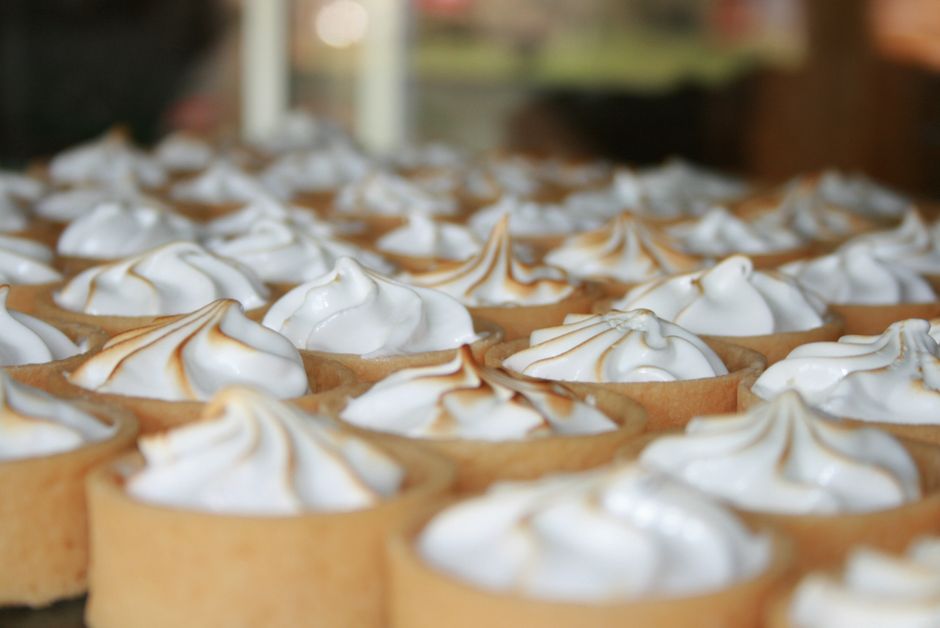
Mini Lemon Meringue Pies: A Comprehensive Guide to Perfect Miniatures
Mini lemon meringue pies offer a delightful and elegant dessert option, combining the tangy zest of lemon curd with the ethereal sweetness of toasted meringue, all nestled within a crisp, buttery crust. These individual servings are ideal for parties, potlucks, or simply a sophisticated treat. Achieving perfection in miniature requires attention to detail at each stage, from the crust to the filling to the crowning meringue. This comprehensive guide will explore the essential elements of crafting outstanding mini lemon meringue pies, focusing on techniques, ingredient selection, and troubleshooting to ensure consistently delicious results.
The foundation of any exceptional pie, regardless of size, is its crust. For mini lemon meringue pies, a sturdy yet tender shortcrust pastry is paramount. The goal is a crust that holds its shape during baking, provides a satisfying textural contrast to the creamy filling, and doesn’t become soggy. A classic pâte brisée, characterized by its high fat-to-flour ratio and minimal water, is an excellent choice. To achieve flakiness, the key is to keep the ingredients cold. Use chilled butter, cut into small cubes, and ice-cold water. Processing the dough in a food processor or by hand, until it just comes together, prevents overworking the gluten, which can lead to a tough crust. Chilling the dough for at least 30 minutes, and ideally an hour, allows the gluten to relax and the fat to firm up, contributing to both tenderness and flakiness.
When shaping mini pie crusts, using individual tartlet pans or muffin tins is the most practical approach. For tartlet pans, roll the chilled dough to about 1/8 inch thickness and carefully press it into the molds, ensuring the dough comes up the sides evenly. Trim any excess dough with a sharp knife or a rolling pin. If using a muffin tin, you can cut circles of dough slightly larger than the muffin cup openings and press them into the cups. Pricking the bottom of each crust with a fork (docking) before blind baking is crucial. This allows steam to escape, preventing the crust from puffing up excessively. Blind baking involves lining the unbaked crust with parchment paper or foil and filling it with pie weights, dried beans, or rice. Bake until the edges are lightly golden, then remove the weights and parchment and bake for a few more minutes until the bottom is also lightly golden and dry. This pre-baking step ensures the crust is fully cooked and will not become soggy from the wet lemon filling.
The lemon filling is where the signature tartness and brightness of these pies come into play. A well-balanced lemon curd is essential, offering a vibrant citrus flavor without being overwhelmingly sour. The primary ingredients are egg yolks, sugar, lemon juice, lemon zest, and butter. The egg yolks provide richness and act as a thickening agent. Sugar balances the acidity of the lemon juice. Freshly squeezed lemon juice and finely grated lemon zest are non-negotiable for the most authentic and intense lemon flavor. Avoid bottled lemon juice, as it lacks the fresh, bright notes. The butter is added at the end, off the heat, to give the curd a glossy finish and a smooth, luscious texture.
To make the lemon filling, combine egg yolks and sugar in a heatproof bowl set over a saucepan of simmering water (a double boiler). Whisk constantly until the mixture thickens and coats the back of a spoon, taking care not to scramble the eggs. Gradually whisk in the lemon juice and zest. Continue to cook, stirring frequently, until the curd reaches a consistency that will coat a spoon, typically around 170-175°F (77-79°C). Remove the bowl from the heat and whisk in the cold butter, a few cubes at a time, until it is fully incorporated and the curd is smooth and glossy. Strain the curd through a fine-mesh sieve into a clean bowl to remove any cooked egg bits or zest fragments, ensuring a silky-smooth texture. Allowing the curd to cool slightly before filling the pre-baked crusts is important. Pouring hot curd into a warm crust can lead to a softer bottom.
The meringue topping is arguably the most visually appealing and texturally exciting element of a lemon meringue pie. It adds a cloud-like sweetness that beautifully complements the tart lemon. For mini pies, a Swiss or Italian meringue is generally preferred over a French meringue because of their stability and less granular texture. Swiss meringue involves gently heating egg whites and sugar over a double boiler until the sugar is dissolved and the mixture is warm to the touch, then whipping it to stiff, glossy peaks. Italian meringue involves pouring hot sugar syrup into whipping egg whites, creating an exceptionally stable and glossy meringue. For ease and a pleasant texture in mini pies, a well-made French meringue (whipping egg whites with sugar) can also be successful, provided the eggs are at room temperature and the bowl and whisk are impeccably clean and free of any grease.
When topping mini lemon meringue pies, the meringue should be applied while the lemon filling is still warm but not hot. This helps the meringue adhere better. Using a piping bag fitted with a star tip allows for beautiful, decorative swirls that catch the light and brown evenly. Alternatively, a spoon can be used to create elegant peaks and valleys. Ensure the meringue completely seals the edges of the filling, preventing shrinkage and the formation of a weeping layer between the meringue and the filling, often referred to as "weeping." This sealing is crucial for aesthetic appeal and structural integrity.
Browning the meringue is the final, critical step. This can be achieved either by baking the assembled pies in a moderate oven (around 350°F or 175°C) for 10-15 minutes, or by using a kitchen torch. Baking offers a more even browning, but requires careful monitoring to prevent over-browning or burning. A kitchen torch provides more control and allows for immediate gratification of perfectly torched peaks. Whichever method is chosen, the goal is a beautiful, golden-brown exterior that contrasts with the pristine white meringue within.
Troubleshooting common issues is an integral part of mastering mini lemon meringue pies. "Weeping" meringue, where a syrupy liquid forms between the filling and the meringue, is often caused by undercooked meringue, too much sugar in proportion to the egg whites, or improper sealing of the filling. Ensuring the meringue is cooked to stiff peaks and that it completely covers the filling can mitigate this. A soggy crust is typically a result of under-baking the crust initially or not blind baking it sufficiently. Thorough blind baking until the crust is visibly dry and golden is the solution. A curd that is too thin might be due to insufficient cooking time or not enough thickening agents. Conversely, an overly thick curd might be overcooked or have too much thickener. The key is precise cooking and temperature control.
Ingredient quality plays a significant role in the final outcome. Using fresh, high-quality lemons will yield a more vibrant and authentic flavor than using pre-bottled juices. Fresh eggs are always preferable for both the curd and the meringue. Using good quality butter will contribute to a richer flavor in both the crust and the curd. When it comes to sugar, granulated sugar is standard for both the curd and the meringue.
For those seeking variations, consider adding a touch of culinary finesse. A hint of vanilla extract can be added to the lemon curd for subtle depth. For a more sophisticated twist, a small amount of limoncello can be incorporated into the curd. The crust can also be elevated by adding finely ground almonds or lemon zest directly into the dough. The meringue can be flavored with a touch of almond extract or a sprinkle of finely grated nutmeg just before browning for an aromatic nuance.
The presentation of mini lemon meringue pies can transform them from a simple dessert into a showstopper. Serving them on individual dessert plates with a dusting of powdered sugar or a delicate garnish of fresh mint leaves adds an elegant touch. The visual appeal of the golden-brown meringue atop the vibrant yellow curd is inherently attractive, and focusing on clean lines and precise meringue peaks enhances this.
Storage of mini lemon meringue pies is also an important consideration. They are best enjoyed fresh, as the meringue can begin to soften and weep over time. If they need to be made ahead, it is often recommended to prepare the crusts and lemon filling separately. The meringue can be made closer to serving time, or the pies can be assembled and baked/torched just before serving. If storing assembled pies, it’s best to cover them loosely with plastic wrap and refrigerate, but be aware of potential condensation affecting the meringue.
The science behind the meringue’s structure involves the protein denaturation of egg whites. When whipped, the proteins unfold and create a network that traps air. Sugar not only sweetens but also stabilizes this network by interfering with the protein-glycogen bonds, preventing over-whipping and allowing for a smoother, more resilient meringue. For Swiss and Italian meringues, the heat further denatures the proteins and dissolves the sugar completely, leading to a more stable and glossy result.
Ultimately, the creation of perfect mini lemon meringue pies is a rewarding culinary endeavor that combines fundamental baking techniques with a touch of artistry. By understanding the role of each ingredient, mastering the techniques for crust, filling, and meringue, and being prepared to troubleshoot common issues, bakers of all levels can consistently produce these beloved miniature desserts. The balance of tangy citrus and sweet, airy meringue, encased in a buttery crust, makes them a timeless and universally appreciated treat.


