
Healthier Creamy Rice Pudding

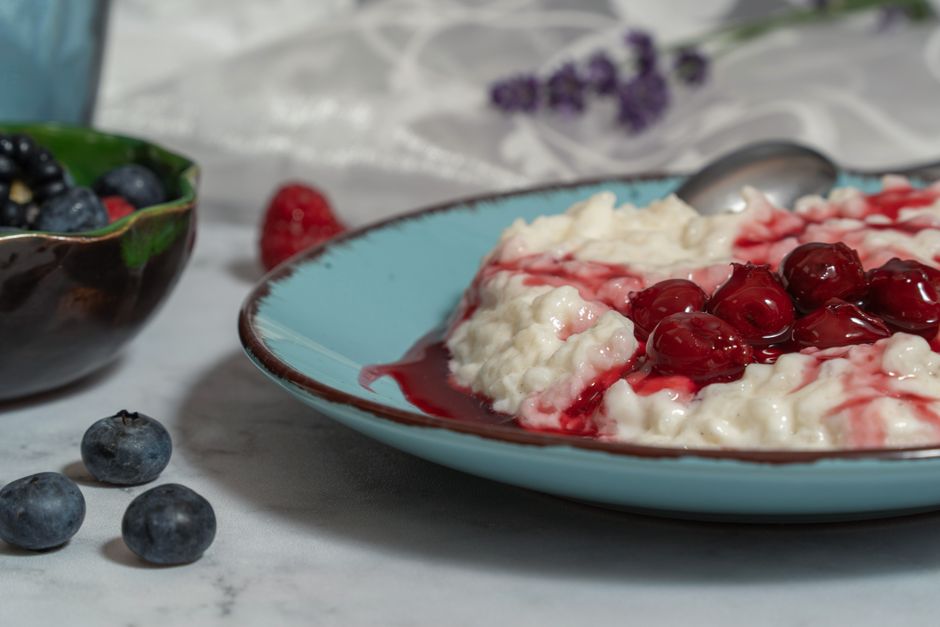
The Healthier Creamy Rice Pudding Revolution: Indulge Without the Guilt
Embarking on a journey to create a healthier creamy rice pudding is not about sacrificing flavor or texture; it’s about smart ingredient choices and mindful preparation techniques that elevate this beloved comfort food into a genuinely nourishing treat. Traditional rice pudding, while delicious, often relies on copious amounts of refined sugar and full-fat dairy, contributing to its high calorie and saturated fat content. This article will guide you through a comprehensive approach to crafting a rice pudding that satisfies your cravings for creamy sweetness while aligning with your wellness goals. We will explore the science behind creating that characteristic creamy texture using lighter alternatives, delve into natural sweetener options, and discuss the benefits of incorporating nutrient-dense ingredients. Whether you are managing your sugar intake, seeking a lower-fat dessert, or simply aiming for a more wholesome indulgence, this guide will equip you with the knowledge and recipes to create a truly guilt-free, luscious rice pudding.
The foundation of any exceptional rice pudding is the rice itself. While arborio rice is a popular choice for its creamy starch release, opting for short-grain brown rice presents a significant nutritional upgrade. Brown rice, unlike its refined white counterpart, retains its bran and germ, making it a powerhouse of fiber, B vitamins, magnesium, and selenium. The increased fiber content is crucial for satiety, helping you feel fuller for longer and potentially reducing overall calorie consumption. Furthermore, the complex carbohydrates in brown rice are digested more slowly, leading to a more stable blood sugar response compared to the rapid spike often associated with white rice. To maximize creaminess with brown rice, a longer simmering time is essential to allow the grains to break down and release their natural starches. This slow cooking process also allows for better absorption of the liquid, contributing to a richer texture. Alternatively, for those seeking a quicker option or a slightly different mouthfeel, medium-grain white rice can still be utilized, but the emphasis on sugar reduction and fat modification becomes even more paramount. Regardless of the rice variety chosen, rinsing it thoroughly before cooking helps remove excess surface starch, preventing a gummy consistency and allowing for a more controlled starch release during simmering.
The creamy texture in traditional rice pudding is predominantly achieved through whole milk, heavy cream, and often condensed milk. To create a healthier rendition, we must intelligently substitute these rich dairy components. Unsweetened almond milk or cashew milk are excellent plant-based alternatives, offering a lower calorie and fat profile while contributing a subtle nutty flavor. Their neutral taste allows the inherent sweetness of the pudding and other flavorings to shine through. For a richer mouthfeel without the heavy fats of cream, consider using evaporated skim milk. This concentrated dairy product offers a creamier texture than regular skim milk and is a good source of calcium and vitamin D, with a significantly reduced fat content compared to heavy cream. Coconut milk, particularly light coconut milk, can also be employed. While it offers a distinct tropical flavor, its fat content can be higher than other plant-based milks, so moderation is key. Another innovative approach to achieving creaminess involves incorporating pureed silken tofu or Greek yogurt. Silken tofu, when blended, becomes incredibly smooth and imparts a subtle richness and protein boost. Non-fat or low-fat Greek yogurt, with its thick consistency and probiotic benefits, can be stirred in towards the end of cooking, adding tanginess and a luxurious creaminess. The key is to experiment with these dairy and non-dairy alternatives to find the perfect balance of flavor and texture that aligns with your dietary preferences and goals.
The sweetness of traditional rice pudding is typically derived from granulated white sugar, which provides empty calories and can trigger blood sugar spikes. Fortunately, a plethora of natural sweeteners can be used to achieve delicious sweetness without the downsides. Maple syrup, with its lower glycemic index compared to refined sugar, offers a nuanced caramel-like flavor that complements rice pudding beautifully. Opt for pure maple syrup, Grade A Dark Color, Robust Taste, for the most intense flavor. Dates, when puréed into a paste, provide a wonderfully rich, caramel sweetness and a boost of fiber and essential minerals. A simple date paste can be made by soaking pitted dates in warm water until softened, then blending them until smooth. Stevia, a zero-calorie sweetener derived from the stevia plant, is incredibly potent and can be used in very small quantities. It’s important to find a high-quality, pure stevia extract to avoid any bitter aftertaste. Monk fruit sweetener is another zero-calorie option with a clean, sweet profile. Combining sweeteners can also be beneficial. For example, a small amount of maple syrup can be used in conjunction with a touch of stevia or monk fruit to achieve the desired sweetness level with fewer overall calories and carbohydrates. When using natural sweeteners, it’s crucial to taste and adjust as you go, as their sweetness intensity can vary. Remember that the rice itself will contribute a subtle sweetness as it cooks, so start with a conservative amount of sweetener and add more as needed.
Beyond the core ingredients of rice, liquid, and sweetener, a healthier creamy rice pudding can be significantly enhanced with nutrient-dense additions that boost flavor and nutritional value. Spices are your allies in this endeavor. Cinnamon, a powerful antioxidant, not only adds warmth and depth but has also been linked to blood sugar regulation. Nutmeg and cardamom offer aromatic complexity and digestive benefits. A pinch of ground ginger can introduce a subtle spicy note and aid digestion. For an extra dose of healthy fats and protein, consider incorporating chia seeds or flax seeds. When cooked, they absorb liquid and contribute to a thicker, more pudding-like consistency, while also providing omega-3 fatty acids and fiber. Toasted nuts, such as almonds or walnuts, can be added as a topping for a satisfying crunch and an infusion of healthy fats and protein. Vanilla extract is essential for rounding out the flavors and enhancing the perceived sweetness. Opt for pure vanilla extract over imitation for a more authentic and robust flavor. For a vibrant color and an antioxidant boost, consider stirring in a small amount of unsweetened applesauce or puréed pumpkin. These additions can also contribute to a smoother texture and a subtle natural sweetness. The goal is to transform the rice pudding from a mere sweet treat into a balanced dessert that offers tangible nutritional benefits, making it a more conscious and satisfying choice.
The cooking process itself can be optimized for health and flavor. The slow simmering method, crucial for brown rice, allows for a gentle breakdown of starches, leading to a naturally creamy texture that requires less added fat. When using plant-based milks, be mindful of their lower protein content compared to dairy milk. This can sometimes lead to a less viscous pudding. To counteract this, consider using a natural thickener. A small amount of cornstarch or arrowroot powder, mixed with a little cold liquid to form a slurry before being added to the simmering pudding, can effectively thicken the mixture without significantly impacting its health profile. The key is to use these thickeners sparingly to avoid an overly gummy or starchy texture. Overcooking can also be detrimental, leading to a watery or broken pudding. Patience and attention are paramount during the simmering process. Stirring frequently, especially towards the end of cooking, prevents the pudding from sticking to the bottom of the pot and ensures even heat distribution, promoting optimal starch release and creaminess. Once the pudding has reached your desired consistency, remove it from the heat. The pudding will continue to thicken as it cools, so aim for a slightly looser consistency than you think you need.
Portion control is an integral aspect of any healthy eating strategy, and rice pudding is no exception. Even a healthier version can contribute to excess calorie intake if consumed in oversized portions. Serving your healthier creamy rice pudding in smaller, individual bowls or ramekins can help you mindfully manage your intake. This visual cue reinforces the idea of a satisfying, single serving. Consider topping your pudding with fresh fruit, such as berries or sliced peaches. These additions not only provide natural sweetness and fiber but also introduce vitamins, minerals, and antioxidants, further enhancing the nutritional value of your dessert. A light dusting of cinnamon or a few slivered almonds can add visual appeal and a satisfying textural contrast without adding significant calories. Making ahead of time is also a practical strategy. Prepare a batch of your healthier rice pudding and portion it into individual containers. This allows for easy access to a wholesome dessert throughout the week, preventing impulsive choices when hunger strikes. Store your pudding in an airtight container in the refrigerator for up to 3-4 days. When ready to serve, you can enjoy it chilled or gently warm it on the stovetop or in the microwave, adding a splash of your chosen milk if it has thickened too much during refrigeration.
Exploring variations of healthier creamy rice pudding opens up a world of flavor possibilities. A "Lemon-Blueberry Bliss" version could incorporate lemon zest and a handful of fresh blueberries stirred in during the last few minutes of cooking. The bright citrus notes and antioxidant-rich berries create a refreshing and visually appealing dessert. For a "Chai Spice Dream," infuse your milk with whole chai spices like cinnamon sticks, star anise, and cardamom pods during the simmering process, then strain them out before serving. This imparts a warm, complex flavor profile. A "Chocolate Avocado Indulgence" offers a decadent yet surprisingly healthy twist. Blend ripe avocado with unsweetened cocoa powder, a natural sweetener, and your milk of choice until smooth. While not a traditional rice pudding, this creamy, chocolatey dessert offers healthy fats and is a fantastic dairy-free option. Another adaptation could involve using quinoa instead of rice for a "Quinoa Cream Dream." Quinoa, a complete protein, offers a slightly different texture but can be cooked and prepared similarly to create a nourishing pudding. The key to successful adaptation lies in understanding the fundamental principles of starch release, natural sweetness, and flavor balancing.
The benefits of embracing a healthier creamy rice pudding extend beyond mere dietary compliance. It represents a shift towards mindful eating, where indulgence is not associated with guilt but with nourishment. By making informed ingredient choices, you are actively contributing to your overall well-being. The increased fiber intake from brown rice and natural sweeteners promotes digestive health and helps regulate blood sugar levels. The reduction in refined sugars and saturated fats can positively impact cardiovascular health and weight management. Furthermore, by creating this healthier alternative at home, you gain complete control over the ingredients, avoiding artificial additives, preservatives, and excessive amounts of sugar and unhealthy fats commonly found in store-bought versions. This empowers you to create a dessert that is not only delicious but also a valuable addition to a balanced and healthy lifestyle. The versatility of this healthier rice pudding allows it to be enjoyed as a satisfying breakfast, a light dessert, or a nourishing snack, proving that comfort food can indeed be good for you. The journey to a healthier creamy rice pudding is an ongoing exploration of flavor, texture, and nutrition, offering a delicious and sustainable way to satisfy your sweet cravings.


