The Evolution of the Potato Chip Cookie as a Staple of the Sweet and Salty Confectionery Market

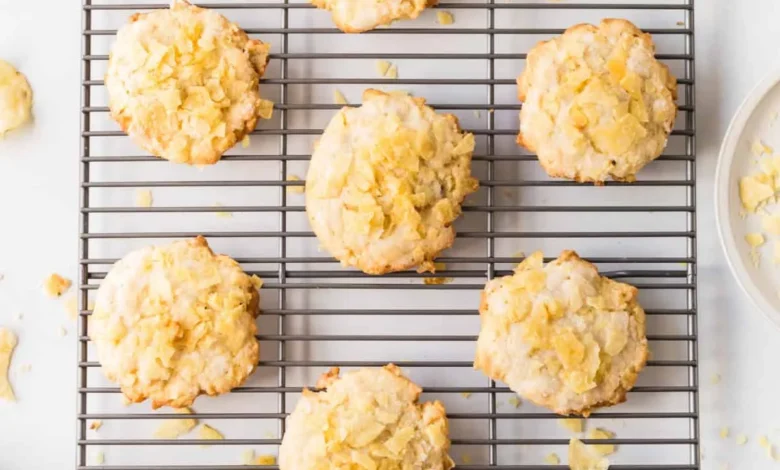
The potato chip cookie represents a significant intersection in the American culinary landscape, merging the traditional buttery profile of a shortbread or drop cookie with the industrial crunch of the salted potato chip. While the combination may initially appear to be a modern novelty, it is rooted in a long history of "pantry baking" and the scientific pursuit of the "bliss point"—the precise ratio of salt, sugar, and fat that maximizes human palatability. As artisanal and home baking trends continue to evolve, the potato chip cookie has emerged as a prime example of how contrasting textures and flavors can elevate a standard dessert into a complex gastronomic experience.
The Intersection of Salt and Sugar: A Culinary Overview
The fundamental appeal of the potato chip cookie lies in the physiological response to the sweet-and-salty flavor profile. Culinary experts note that salt serves as a universal flavor enhancer; when paired with sugar, it suppresses bitterness while accentuating the perception of sweetness. This duality, often referred to in the industry as "swalty," has become a dominant force in the snack food sector.

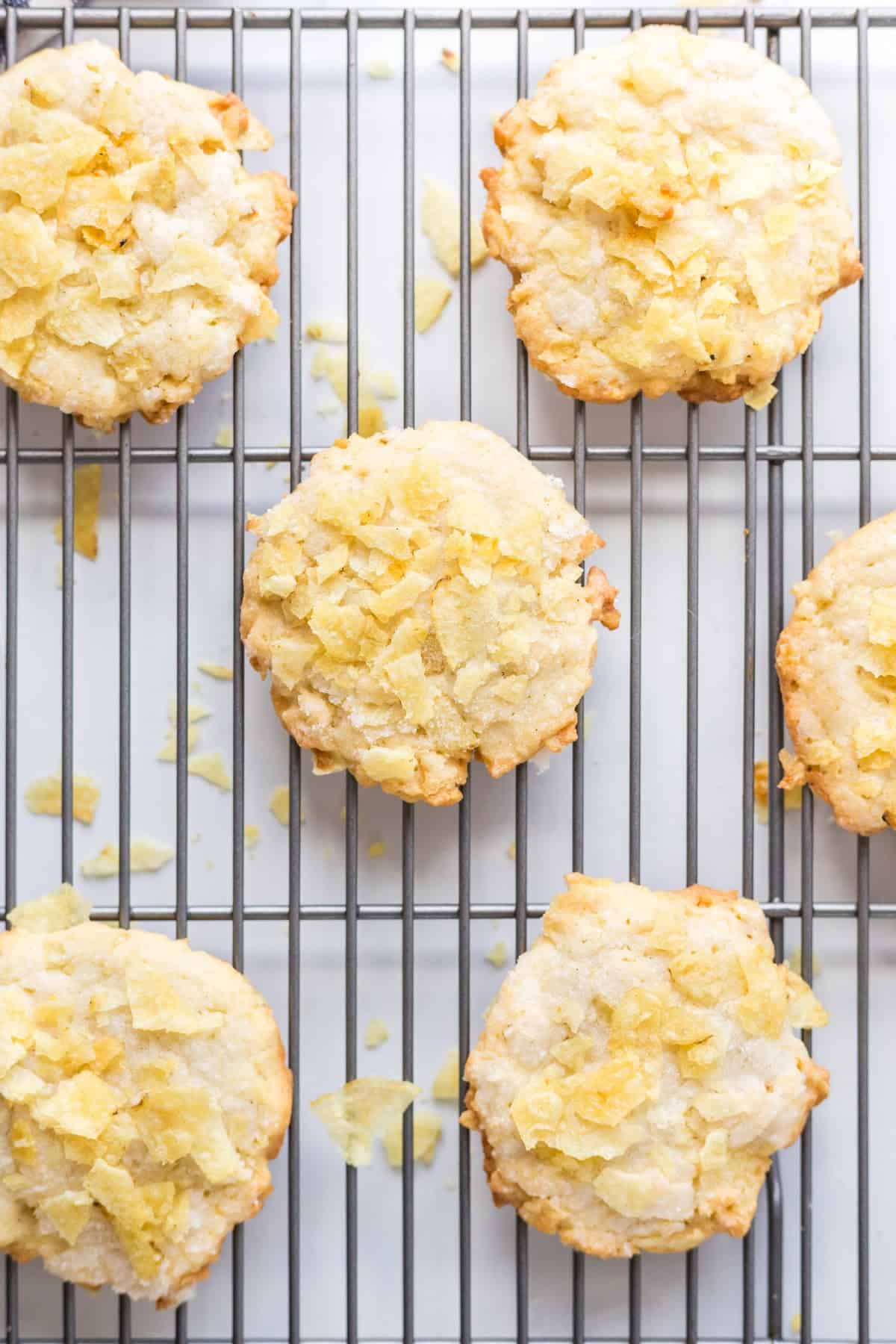
In the context of the potato chip cookie, the chip provides more than just a sodium hit. It introduces a structural element that traditional inclusions, such as chocolate chips or nuts, cannot replicate. The thin, fried starch of the chip creates a laminated effect within the dough, resulting in a cookie that features crisp edges and a tender, multi-textured center. According to data from culinary researchers, the inclusion of a salty, crunchy element in a high-fat dough increases the "craveability" index of the product, often leading to higher consumption rates compared to purely sweet counterparts.
Historical Context: From Mid-Century Innovation to Modern Gourmet
The chronology of the potato chip cookie can be traced back to the mid-20th century, a period characterized by the rise of convenience foods and domestic experimentation. Following the invention of the potato chip in 1853 by George Crum, the snack became a household staple in the United States by the 1930s. During the Great Depression and subsequent war years, home bakers began incorporating unconventional pantry items into their recipes to stretch ingredients and add variety.
By the 1950s and 1960s, "Kitchen Sink" or "Everything" cookies began appearing in community cookbooks, often featuring crushed potato chips, pretzels, or cereal. However, the specific "Potato Chip Cookie" as a standalone category gained significant traction in the early 21st century. The trend was further solidified in the 2010s with the rise of artisanal bakeries in urban centers like New York and Los Angeles. Establishments such as Milk Bar popularized the "Compost Cookie," which utilized potato chips as a primary ingredient, thereby validating the concept within the high-end pastry world. Today, the recipe is viewed as a nostalgic "old-fashioned" favorite that has been revitalized for a modern audience seeking "retro-fusion" flavors.
The Technical Architecture of the Potato Chip Cookie
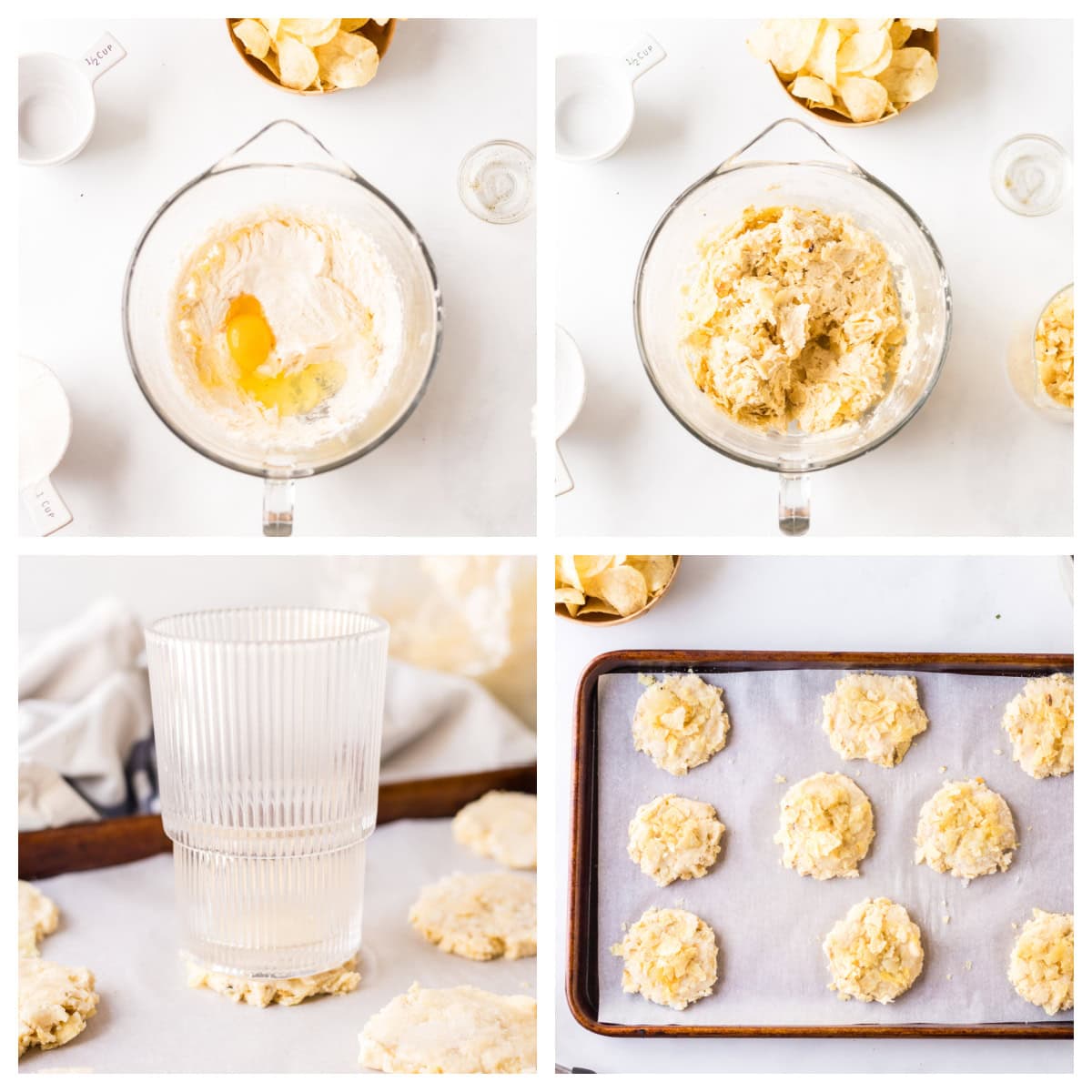
The production of a high-quality potato chip cookie requires a specific technical approach to ensure the integrity of the textures. Unlike standard cookie doughs, the moisture content and temperature of the potato chip cookie dough are critical variables.
Data derived from standard preparation protocols indicates that the process typically involves:
- Preparation Time: 15 minutes of active mixing and folding.
- Chilling Requirement: A mandatory 2-hour rest period at temperatures below 40°F (4°C).
- Baking Duration: 12 minutes at 350°F (175°C).
The chilling phase is a vital step in the cookie’s chemical development. Cold dough ensures that the butter remains solid until it reaches the oven, preventing excessive spreading. Furthermore, the rest period allows the flour to fully hydrate and the flavors of the crushed chips to permeate the fat-rich dough. This results in a cookie that is "not cakey," according to culinary specifications, but rather a balance of soft and crisp.
The Science of the Bliss Point: Why Contrast Drives Consumption
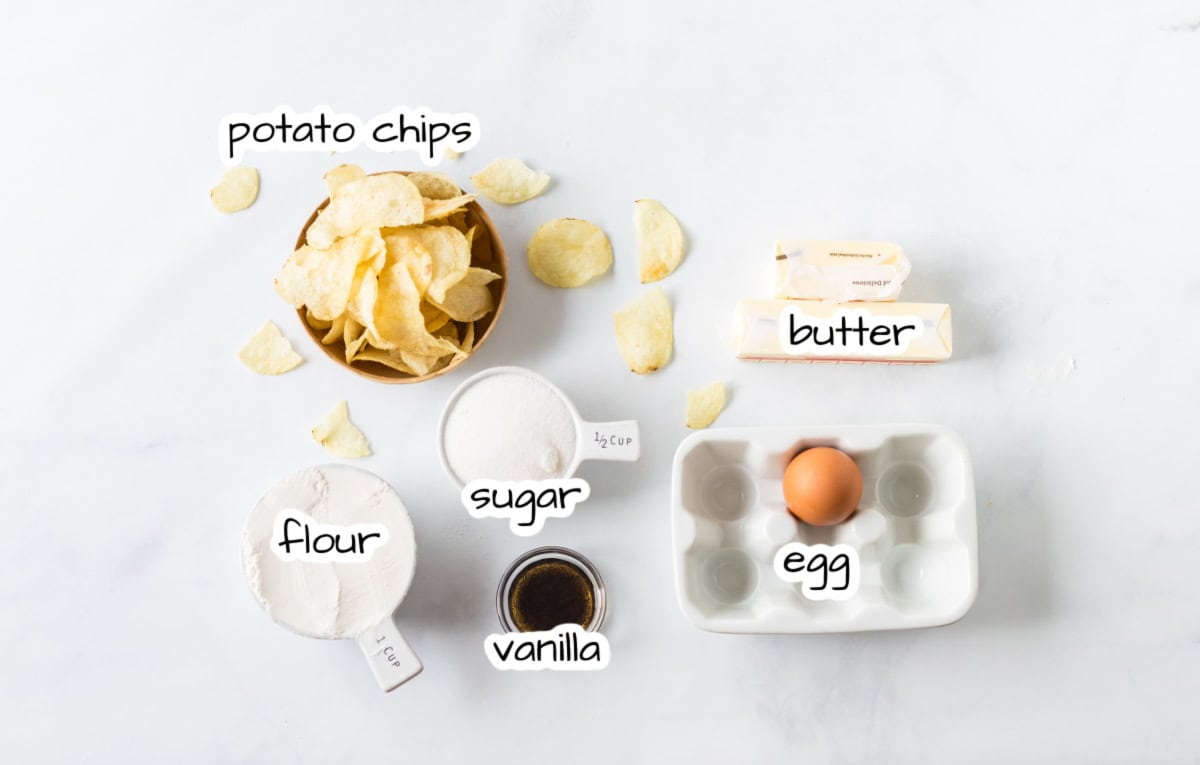
Market analysts and food scientists often point to the "Bliss Point" theory when explaining the success of such recipes. Developed by Howard Moskowitz, the theory suggests that there is a specific level of saltiness and sweetness that the brain finds most rewarding. The potato chip cookie hits this mark by utilizing a high-fat base (butter) and a dual-carbohydrate system (sugar and potato starch).
The potato chip itself acts as a vehicle for "dynamic contrast." This refers to the sensory delight found in foods with a complex texture, such as a shell that is crunchy on the outside and soft on the inside. In this recipe, the thin, crispy varieties of chips are preferred over kettle-cooked or thick-cut versions because they integrate more seamlessly into the dough, providing "little crunchy bits" without disrupting the overall cohesion of the cookie.
Nutritional Breakdown and Consumer Considerations
From a nutritional standpoint, the potato chip cookie occupies a specific niche in the dessert market. Based on a standard yield of 36 cookies, the nutritional profile per serving is as follows:
- Calories: 96 kcal
- Total Fat: 6g (Saturated Fat: 3g)
- Cholesterol: 16mg
- Sodium: 28mg
- Carbohydrates: 10g
- Sugar: 3g
- Protein: 1g
While the inclusion of potato chips might suggest a high sodium content, the actual sodium per cookie remains relatively low at 28mg, primarily because the chips are distributed throughout the batch. The potassium content (66mg) is slightly higher than that of a standard sugar cookie due to the potato base. These metrics suggest that while the cookie is an indulgent snack, it fits within the caloric parameters of a standard confectionery treat, making it accessible to a broad consumer base.
Production Standards: The Role of Ingredient Selection
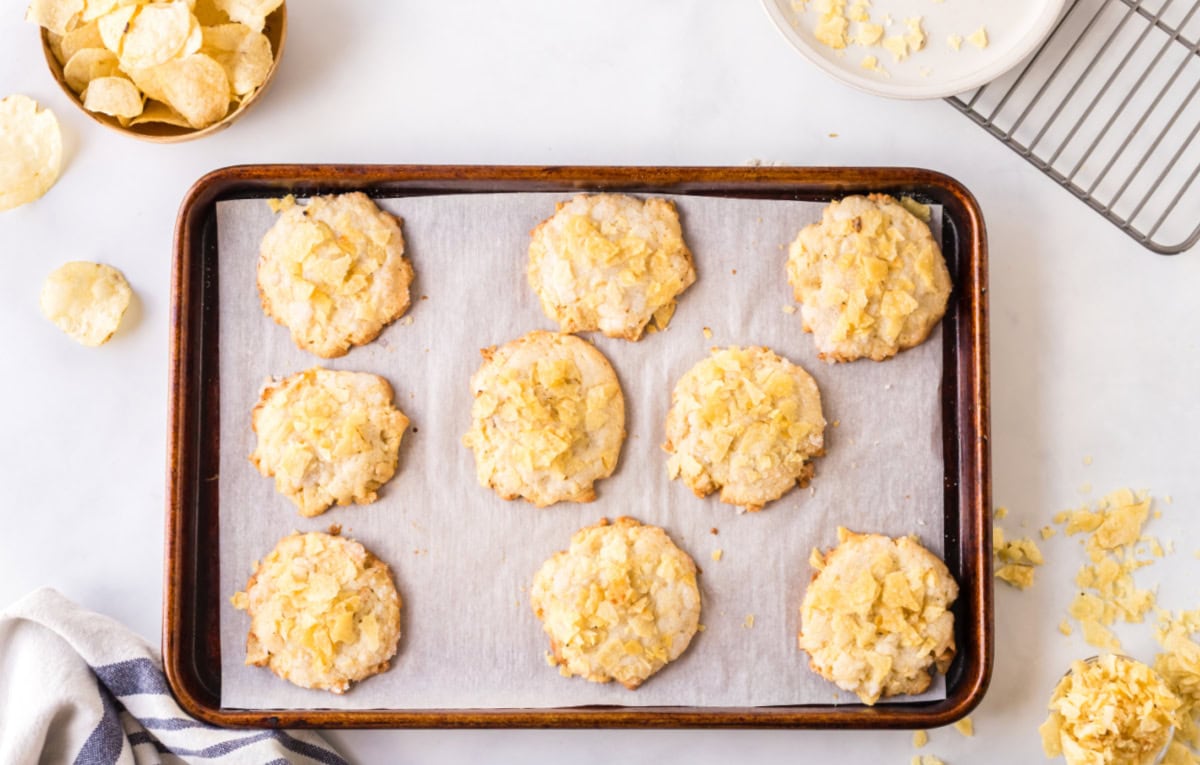
Professional bakers emphasize that the choice of potato chip is the most critical factor in the success of the final product. Industry standards dictate the use of classic, plain salted potato chips. Flavored chips—such as barbecue, sour cream and onion, or salt and vinegar—are generally discouraged as their chemical seasonings can overpower the delicate buttery notes of the dough and create an unpleasant aftertaste when baked.
The chips must be crushed to a specific consistency: small enough to be distributed evenly, but large enough to retain their structural "crunch." This manual processing ensures that the chips do not turn into a fine powder, which would merely thicken the dough rather than provide the desired textural contrast.
The Broader Impact on the Artisanal Baking Industry
The proliferation of the potato chip cookie has broader implications for the baking industry and consumer behavior. It represents a shift toward "low-brow, high-brow" fusion, where common snack aisle items are treated with the same respect as premium chocolate or vanilla beans. This trend has encouraged a more experimental approach among home bakers and professional pastry chefs alike.
Furthermore, the recipe addresses contemporary interests in food waste reduction and pantry utilization. The ability to use the "bottom of the bag" chip crumbs—which are often discarded—aligns with a more sustainable approach to kitchen management. This utility, combined with the recipe’s nostalgic appeal, ensures its continued relevance in a competitive market.
Official Responses and Culinary Analysis
Culinary analysts suggest that the potato chip cookie’s popularity is a reaction to the oversaturation of overly sweet desserts. "The modern palate is increasingly sophisticated," notes one industry report. "Consumers are no longer satisfied with one-dimensional sweetness. They are looking for the hit of salt, the crunch of a fried starch, and the richness of butter all in one bite."
The success of this recipe has paved the way for other "unexpected" inclusions, such as the marshmallow fluff cookie or the palmier, which also play with structural complexity. As the baking industry continues to innovate, the potato chip cookie stands as a testament to the enduring power of simple ingredients used in smart, contrasting combinations. It remains a unique, slightly nostalgic, and highly effective example of American culinary ingenuity.