The Secret Behind the Phenomenon of Texas Roadhouse Rolls and the Rising Trend of Restaurant Copycat Recipes

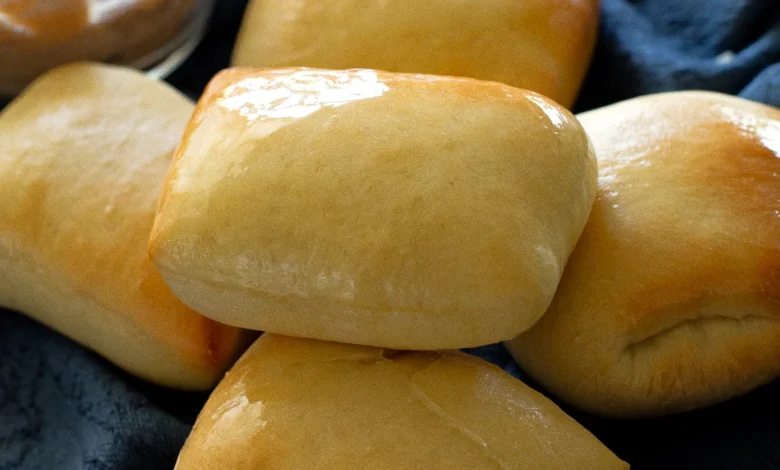
The culinary landscape of the American casual dining sector has long been dominated by signature items that transcend the menu to become cultural icons, with few examples as prominent as the Texas Roadhouse roll. Characterized by a soft, pillowy texture and accompanied by a signature honey cinnamon butter, these rolls have evolved from a complimentary appetizer into a primary driver of brand loyalty and a frequent subject of intensive home-culinary replication. As consumers increasingly seek to recreate restaurant-quality experiences within their own kitchens, the technical specifications and cultural history of these rolls offer a window into the broader "copycat recipe" movement that has reshaped digital food media over the last decade.
The Foundation of a Culinary Icon
Texas Roadhouse, a steakhouse chain founded by Kent Taylor in 1993 in Clarksville, Indiana, built its brand identity on the concept of "legendary food" and "legendary service." Central to this identity was the decision to provide unlimited, fresh-baked rolls to every table. Unlike many competitors who transitioned to par-baked or frozen bread products to reduce labor costs and ensure consistency, Texas Roadhouse maintained a commitment to scratch-made dough prepared on-site.
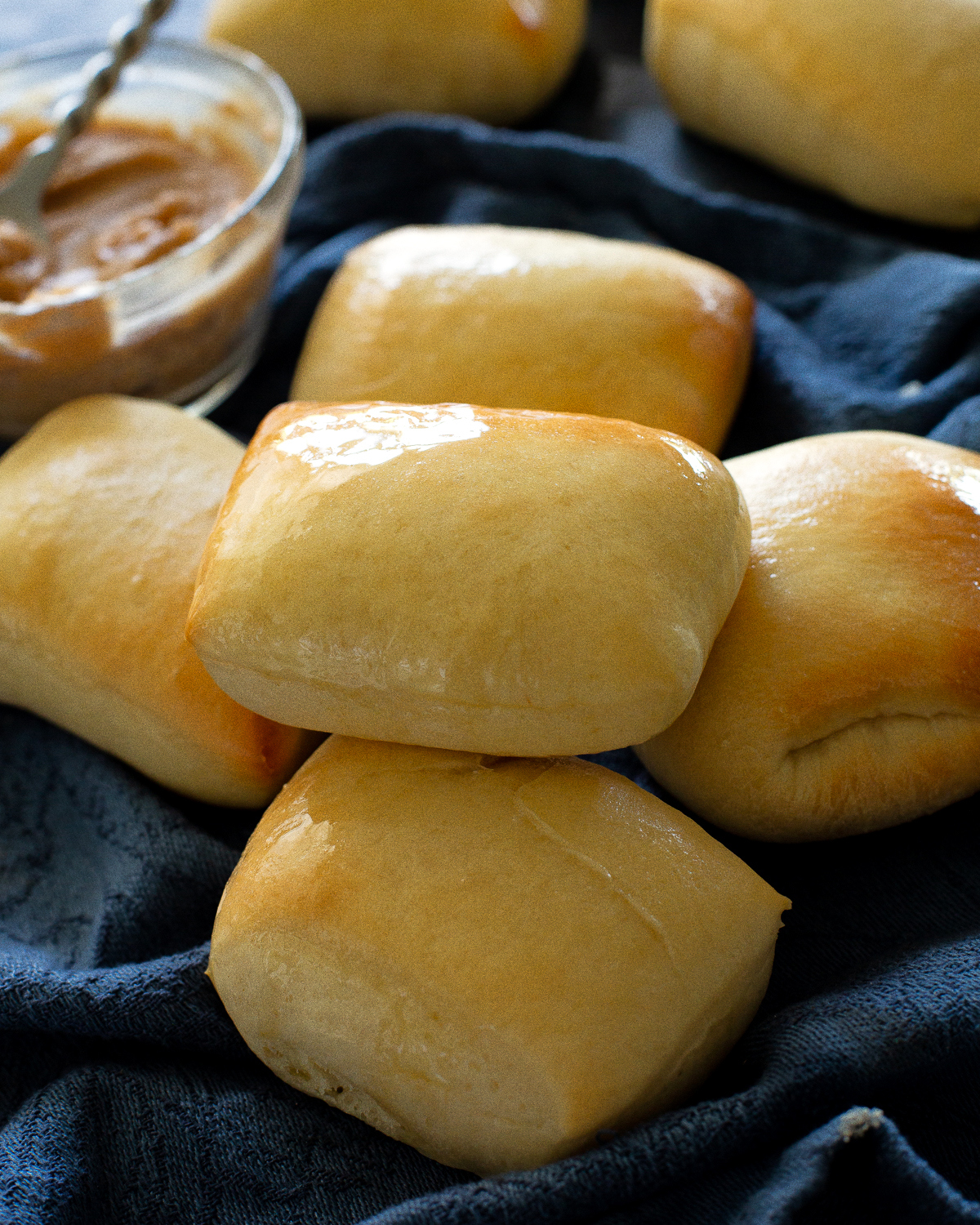
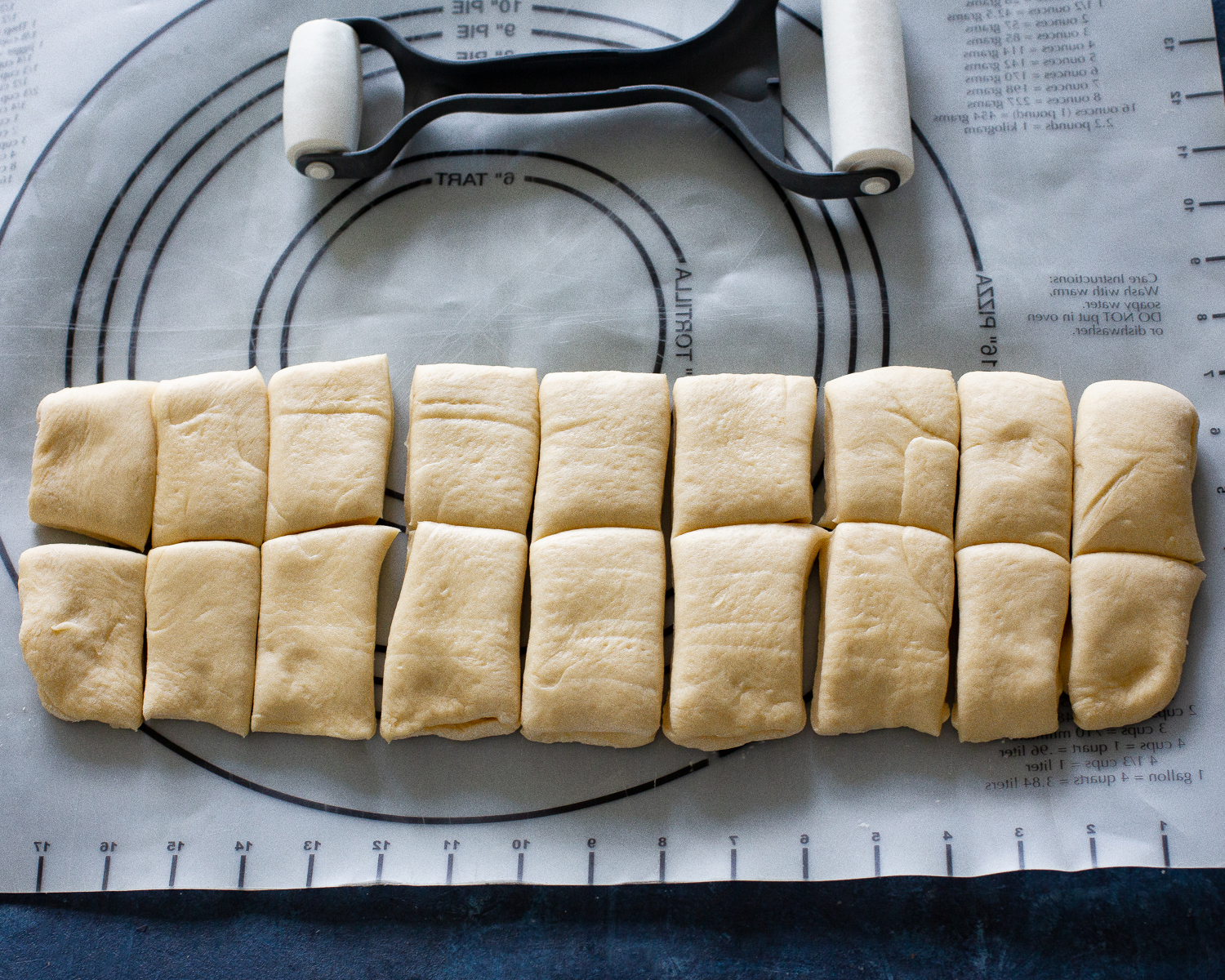
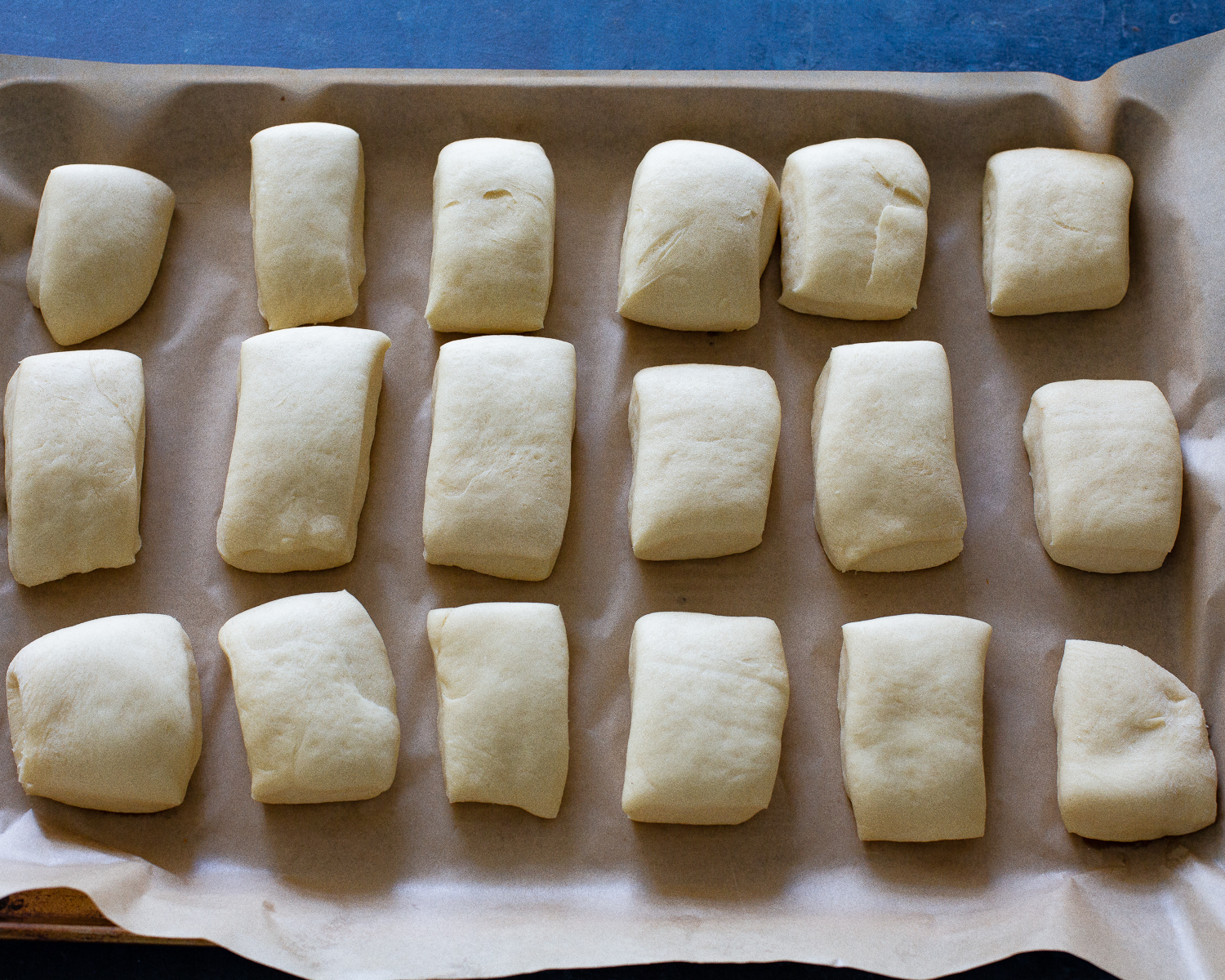
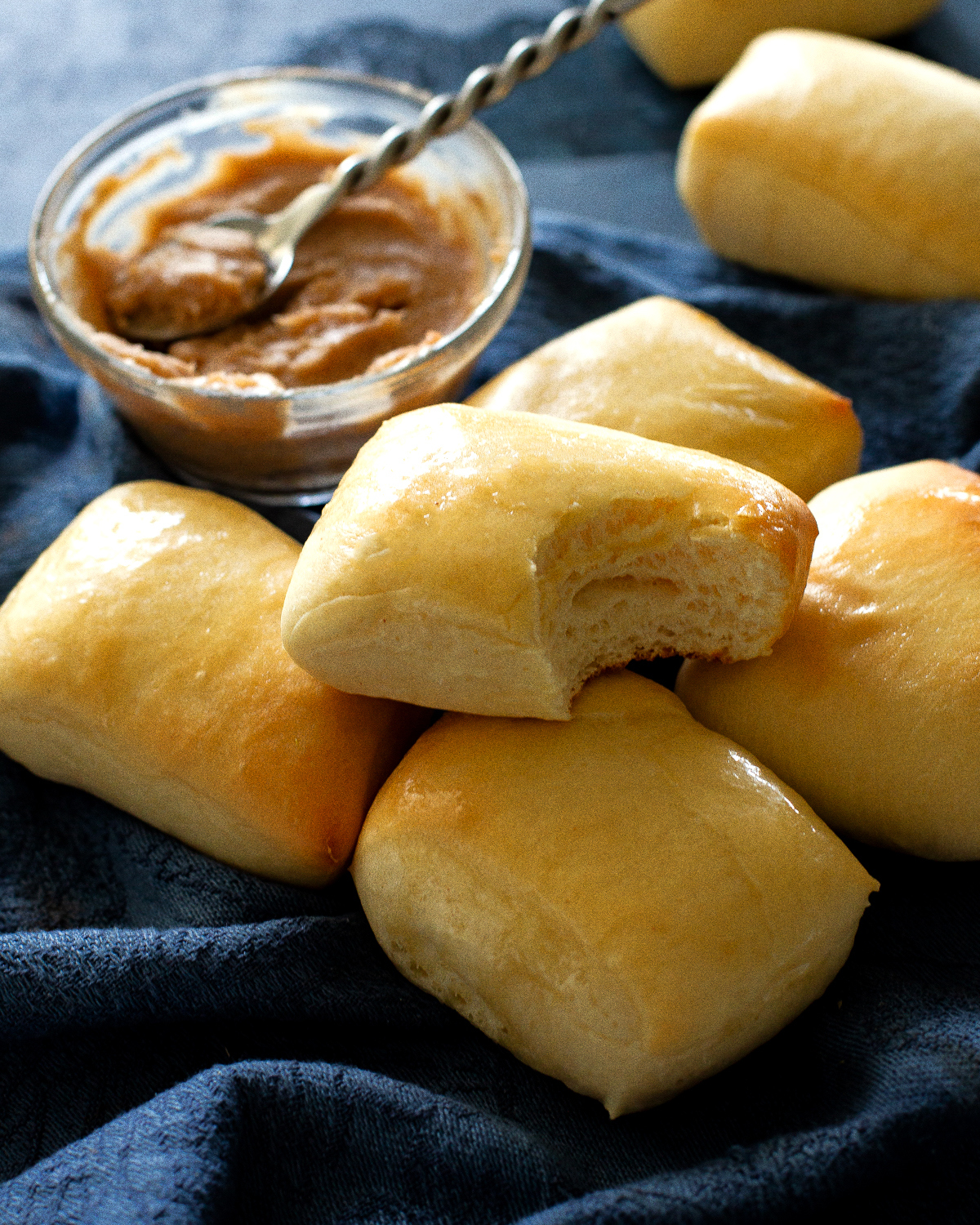
According to internal company lore and reports from staff members, the rolls are baked every five minutes to ensure they reach the customer at an optimal temperature. This commitment to freshness creates a sensory experience—the aroma of yeast and sugar—that serves as a powerful marketing tool from the moment a patron enters the establishment. The rolls themselves are a variation of a classic yeast dinner roll, but with a specific lean toward a higher sugar content and a distinctive square shape, achieved by rolling the dough into a thick rectangle and cutting it into uniform pieces rather than hand-rolling individual spheres.
The Rise of the Copycat Movement
The emergence of the "copycat recipe" phenomenon can be traced back to the early 2000s with the rise of internet food forums, but it reached its zenith during the social media era. Creators like Christy Denney, known professionally as "The Girl Who Ate Everything," have played a pivotal role in deconstructing these commercial recipes for the home cook. Denney’s work highlights a common realization among home bakers: the assumption that restaurant food is "shipped in" is often a misconception. When a chain as large as Texas Roadhouse—which operates over 600 locations—maintains a scratch-kitchen approach for its bread, it presents both a challenge and an opportunity for the domestic chef.
The process of perfecting a home version of the Texas Roadhouse roll involves a rigorous understanding of bread science. Traditional recipes for these rolls utilize a "sweet yeast dough" base. The enrichment comes from milk, butter, and eggs, which interfere with gluten development to produce a softer crumb than a standard baguette or sourdough. The specific sweetness, often a point of contention among recipe developers, is usually achieved through a combination of granulated sugar in the dough and honey in the accompanying butter.
Chronology of Development and Public Interest
The timeline of public fascination with Texas Roadhouse rolls reflects broader shifts in American dining habits:
- 1993–2000: The establishment of the Texas Roadhouse brand. The rolls are introduced as a complimentary staple, quickly becoming the most talked-about item on the menu, often overshadowing the steaks.
- 2005–2012: As the chain expands globally, the "secret recipe" becomes a holy grail for home cooks. Early digital recipes begin to circulate on message boards like Chowhound and AllRecipes.
- 2015–2019: The "Copycat" genre of food blogging explodes. Professional bloggers begin using search engine optimization (SEO) to target users looking for "Texas Roadhouse Rolls at home."
- 2020–Present: The COVID-19 pandemic and subsequent lockdowns lead to a surge in home baking. With restaurants closed or limited to takeout, the demand for "restaurant-style" comfort food at home reaches an all-time high. This period saw a 400% increase in searches for bread recipes, with Texas Roadhouse clones leading the category.
Technical Analysis: The Science of the Roll
To understand why these rolls are so difficult to replicate perfectly, one must look at the industrial-to-domestic translation of the recipe. Commercial kitchens use high-protein bread flour and industrial-grade yeast that may behave differently than the "All-Purpose" flour and "Active Dry" yeast found in a standard grocery store.
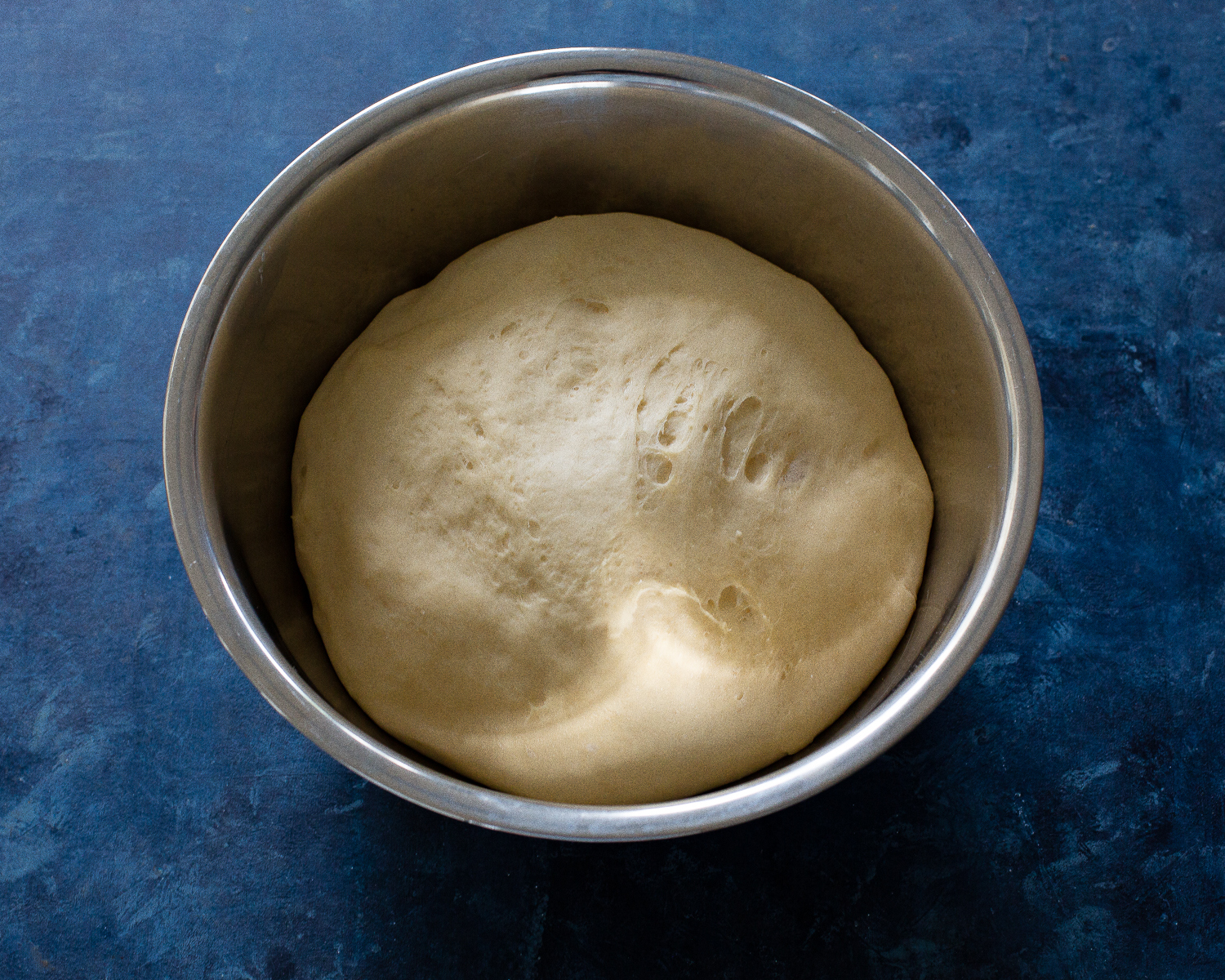
The hydration level of the dough is critical. Professional bakers note that a "tacky" but not "sticky" dough is the hallmark of a successful Texas Roadhouse clone. Over-flouring the dough during the kneading process—a common mistake for beginners—leads to a dense, heavy roll rather than the desired "cloud-like" texture. Furthermore, the proofing environment is essential. In a professional kitchen, proofing cabinets maintain a precise temperature and humidity. At home, bakers must often improvise by placing dough in a turned-off oven with a pan of steaming water to mimic these conditions.
The honey cinnamon butter is equally vital to the experience. This is a compound butter, which requires high-quality unsalted butter whipped to a specific aeration. The inclusion of honey provides a floral sweetness, while cinnamon adds a warmth that complements the yeastiness of the bread. From a chemical perspective, the salt content must be finely balanced to prevent the sugar from becoming cloying.
Economic Impact and Brand Strategy
The decision to offer "free" bread is a calculated economic strategy. While the labor and ingredient costs are significant, the "loss leader" effect of the rolls is undeniable. Industry analysts suggest that the rolls serve three primary functions:
- Satiety Management: By providing high-carb appetizers immediately, restaurants can manage customer patience during peak wait times for entrees.
- Brand Differentiation: In a crowded market of mid-tier steakhouses (such as Outback Steakhouse or LongHorn Steakhouse), a unique, craveable bread service creates a distinct competitive advantage.
- Social Media Currency: In the modern era, the aesthetic of a "basket of rolls" is highly "Instagrammable," providing the company with millions of dollars in earned media value through user-generated content.
Financial reports from Texas Roadhouse Inc. consistently show strong "Same-Store Sales" growth, often outpacing the general casual dining industry. Analysts frequently attribute this to "brand consistency," of which the rolls are the primary anchor.
Industry and Consumer Reactions
While some corporations are litigious regarding their intellectual property, Texas Roadhouse has generally taken a "soft" approach to copycat recipes. By allowing the mystique of the rolls to grow through home-baking communities, the brand benefits from a perpetual "halo effect." Every time a home cook attempts the recipe and finds it "not quite as good as the original," it reinforces the value proposition of visiting the restaurant.
Conversely, the consumer reaction has been one of empowerment. The ability to create a "Texas Roadhouse experience" at home for a fraction of the cost—especially during periods of high inflation—has turned home baking into a form of economic rebellion. A batch of 18 rolls made at home costs approximately $3.00 in ingredients, whereas a full meal for a family of four at the restaurant can exceed $100.00.
Broader Implications for Food Media
The obsession with Texas Roadhouse rolls signifies a shift in how the public consumes food content. We are moving away from "aspirational" cooking (fine dining techniques) toward "replicative" cooking (bringing the public square into the private kitchen). This trend has forced traditional food media outlets to adapt, focusing more on "hacks" and "clones" than on original culinary inventions.
Furthermore, the democratization of these recipes through bloggers like Christy Denney has bridged the gap between professional chefs and domestic cooks. When a brother or a friend working at a franchise shares the "secret" that the rolls are made from scratch, it demystifies the industrial food complex. It proves that the "magic" of commercial food is often just a combination of high-quality ingredients, specific temperatures, and the patience to let dough rise twice.
As we look toward the future of the casual dining industry, the Texas Roadhouse roll remains a benchmark for how a simple, flour-based product can define a multi-billion dollar enterprise. Whether enjoyed in a noisy dining room in the American Midwest or baked in a quiet kitchen following a digital guide, the roll represents a universal standard of comfort that continues to shape the way the world thinks about bread.