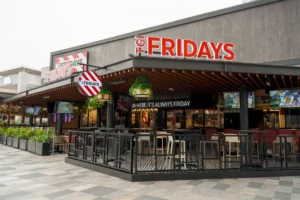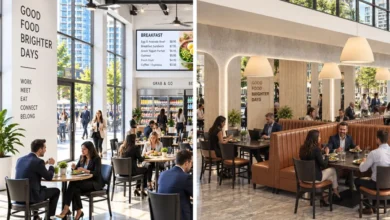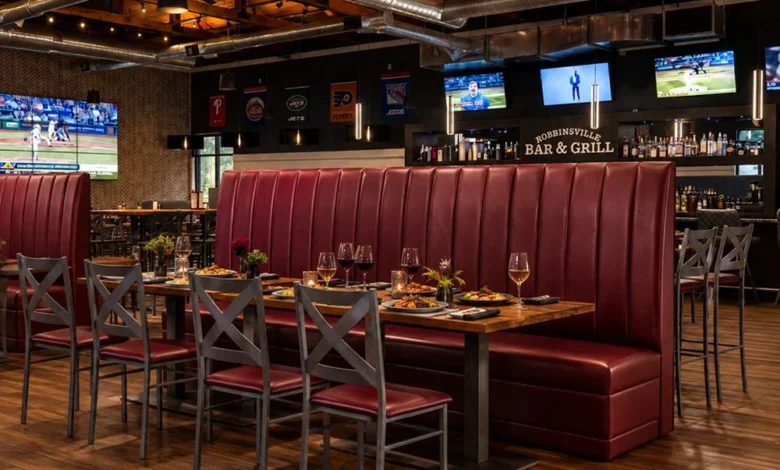
The modern restaurant industry operates on a premise far more intricate than simply providing sustenance. Today, a dining establishment functions as a curated experience, a temporary escape, and a venue for social interaction, where every detail contributes to the overall impression. Central to this multifaceted experience, and often underestimated in its profound impact, is restaurant seating. It transcends its basic function as a place to rest; it is a fundamental pillar of interior design, a strategic business asset, and a powerful determinant of customer satisfaction and loyalty.
The Evolution of the Dining Experience: From Utility to Immersion
Historically, restaurants emerged from inns and taverns, primarily serving as places for travelers or workers to procure a quick, functional meal. Seating, in these contexts, was utilitarian – robust, simple, and designed for efficiency rather than comfort or aesthetics. Over centuries, as societies became more affluent and leisure time increased, dining out evolved into a social activity. The late 19th and early 20th centuries saw the rise of grand dining rooms in hotels and standalone establishments, where opulent decor and formal service began to shape the perception of a meal beyond its nutritional value.
The latter half of the 20th century, and particularly the advent of the "experience economy" in the 21st century, dramatically accelerated this transformation. Consumers are no longer solely seeking delicious food; they crave an entire sensory journey, a memorable narrative that begins the moment they step through the door. This shift has elevated interior design, and particularly seating, from an afterthought to a primary consideration in restaurant conceptualization. The rise of social media platforms has further amplified this trend, with "Instagrammable" interiors becoming a powerful, organic marketing tool, where visually appealing and comfortable seating often takes center stage in shared photographs.
Seating as a Strategic Design Element: Beyond Mere Aesthetics

The careful selection and arrangement of restaurant seating are pivotal in crafting a compelling brand identity and operational efficiency. It’s a complex interplay of aesthetics, functionality, and psychological impact.
- Aesthetics and Brand Identity: Seating choices are immediate communicators of a restaurant’s theme, price point, and target demographic. A sleek, minimalist chair might signal a contemporary fine-dining establishment, while rustic wooden benches could suggest a casual, farm-to-table eatery. Plush, upholstered booths evoke luxury and privacy, ideal for intimate conversations, whereas high-top bar stools foster a more casual, social atmosphere. The materials, colors, and design language of chairs and booths are integral to visually reinforcing the restaurant’s unique narrative and attracting its desired clientele.
- Functionality and Flow: Beyond visual appeal, seating must facilitate smooth operations. Thoughtful layout ensures efficient traffic flow for both patrons and staff, minimizing bottlenecks and enhancing service delivery. The spacing between tables, the width of aisles, and the strategic placement of different seating types (e.g., booths along walls for stability, movable chairs for flexibility) all contribute to the restaurant’s operational rhythm. An optimized layout can also maximize seating capacity without compromising comfort, directly impacting potential revenue.
- Creating Intimacy and Social Zones: Different seating configurations allow restaurants to cater to diverse groups and create varied experiences within a single space. Half-circle or U-shaped booths offer a sense of privacy and enclosure, fostering intimate conversations and prolonged stays for couples or small families. Communal tables, conversely, encourage social interaction and are popular in casual dining or co-working-inspired cafes. Bar seating promotes a dynamic, often more informal atmosphere, ideal for solo diners or those seeking quick service and engagement with staff. The strategic use of varied seating types allows a restaurant to manage different social dynamics effectively.
- Materiality and Durability: The choice of materials for restaurant seating is a critical decision balancing aesthetic appeal with long-term practicality. Materials must withstand constant use, spills, and regular cleaning, requiring durability and ease of maintenance. Faux leather, treated wood, and high-performance fabrics are often favored for their resilience. The tactile experience of the material also contributes to comfort and the overall sensory impression, impacting how guests perceive the quality and value of their dining experience. Investing in high-quality, durable furniture from reputable manufacturers is not just a design choice but a shrewd financial one, reducing replacement costs and maintaining a pristine appearance over time.
The Psychological Impact of Comfort and Atmosphere
The analogy of the kitchen as the heart of the home, where families gather and memories are made, extends profoundly to the restaurant environment. Just as homeowners meticulously select furnishings to create a welcoming domestic space, restaurateurs strive to replicate this feeling of warmth and belonging in a commercial setting.
- Comfort and Dwell Time: Uncomfortable seating can significantly shorten a guest’s stay, regardless of the food quality. Conversely, comfortable chairs and plush booths encourage diners to relax, linger longer, and potentially order additional courses, beverages, or desserts. Industry studies consistently show a direct correlation between perceived comfort and increased average check values. When guests feel at ease, they are more inclined to immerse themselves in the experience, fostering a more positive and leisurely dining occasion.
- Perception of Value and Quality: Well-designed, comfortable, and well-maintained seating subconsciously signals attention to detail and a commitment to quality. This perception extends beyond the furniture itself to the food and service. A restaurant with worn-out or uncomfortable seating might, unfairly, be perceived as less attentive to overall quality, potentially deterring repeat visits. The sensory input from a comfortable chair – the texture of the fabric, the ergonomic support, the warmth of the material – all contribute to a heightened sense of luxury and care.
- Emotional Connection and Memory Formation: Dining out is increasingly about creating memories. Celebrations, business meetings, and casual gatherings are often anchored by the physical space. A unique booth, a particularly comfortable chair, or a well-positioned table can become part of the narrative of a memorable event. This emotional resonance is powerful; it’s what makes guests recommend a place to friends, share photos, and eagerly anticipate their next visit. The physical comfort provided by seating contributes significantly to the overall positive emotional state of the diner.
Economic Imperatives: Seating as a Business Driver
In an increasingly competitive hospitality landscape, where rising food costs, escalating labor expenses, and higher operating costs present continuous challenges, every aspect of the customer experience must be leveraged to maximize value. Strategic seating design is no longer a luxury but a crucial business strategy.
- Maximizing Revenue through Extended Stays: As mentioned, comfortable seating encourages longer dwell times. This directly translates to increased opportunities for upselling and cross-selling. A guest who feels relaxed is more likely to order an extra cocktail, an appetizer, or a dessert, significantly boosting the average check value. For a busy restaurant, even a slight increase in dwell time across all tables can lead to substantial revenue growth over a month or year.
- Customer Loyalty and Repeat Business: A positive dining experience, heavily influenced by comfort and atmosphere, is the bedrock of customer loyalty. When guests feel valued and comfortable, they are far more likely to return. Repeat customers are invaluable; they often spend more, require less marketing effort, and become advocates for the brand. Seating plays a silent but critical role in fostering this loyalty.
- Organic Marketing through Social Media: In the digital age, a visually appealing interior is a restaurant’s most potent marketing tool. Guests frequently photograph their meals and the ambiance, sharing these images across social media platforms. Stylish, unique, and comfortable seating often features prominently in these posts, generating free, authentic publicity. This organic reach can attract new customers eager to experience the "Instagrammable" environment for themselves.
- Differentiation in a Crowded Market: With a burgeoning number of dining options, differentiation is key. While exceptional food remains paramount, it is often the unique ambiance, heavily influenced by seating and design, that sets one restaurant apart from another. A distinctive seating arrangement or a signature booth design can become synonymous with a restaurant’s brand, creating a unique selling proposition that attracts and retains customers.
The Indispensable Role of Interior Designers and Furniture Manufacturers

Achieving this delicate balance of aesthetics, comfort, and functionality requires specialized expertise. Interior designers specializing in hospitality environments are adept at translating a restaurant owner’s vision into a tangible, operational space.
- Expertise in Cohesion: Designers understand how to integrate every element – from the overall layout of restaurant booths and tables to the choice of accent furniture, lighting fixtures, wall décor, serving trays, glassware, and dinnerware – into one unified, cohesive concept. Every detail is meticulously chosen to reinforce the restaurant’s personality and create a lasting impression. They can advise on optimal traffic flow, acoustics, and the psychological impact of color and texture.
- Collaboration with Restaurateurs: Successful restaurant design is a collaborative process. Designers work closely with owners to understand their culinary concept, operational needs, budget constraints, and desired customer experience. They provide invaluable insights into industry trends, material longevity, and regulatory compliance.
- Specialized Furniture Solutions: Furniture manufacturers play a critical role in bringing these designs to life. Companies like ModernLineFurniture.com specialize in providing a wide array of restaurant chairs, booths, bar tables, and table tops that meet the rigorous demands of commercial use. They offer customizable options, ensuring that each piece not only fits the aesthetic vision but also stands up to the wear and tear of daily operation, providing comfort and durability for years to come. Their expertise in commercial-grade materials and construction is vital for the longevity and safety of restaurant furnishings.
Future Trends in Restaurant Seating
The evolution of restaurant seating is ongoing, driven by changing consumer preferences, technological advancements, and a growing emphasis on sustainability.
- Sustainability: There is a rising demand for eco-friendly and sustainably sourced furniture. Manufacturers are increasingly incorporating recycled materials, responsibly harvested woods, and low-VOC (volatile organic compound) finishes. This aligns with a broader consumer trend towards ethical consumption and environmental consciousness.
- Flexibility and Adaptability: As dining spaces become more multi-functional, modular and flexible seating solutions are gaining traction. Movable partitions, reconfigurable booths, and lightweight chairs allow restaurants to quickly adapt their layout for different events, private parties, or changing service demands throughout the day.
- Technology Integration: While still emerging, future seating might incorporate subtle technological features, such as integrated wireless charging pads, discreet lighting controls, or even interactive surfaces, enhancing convenience and novelty for diners.
- Health and Hygiene: Post-pandemic, an increased focus on easily cleanable, antimicrobial materials and designs that facilitate social distancing without sacrificing ambiance is likely to continue influencing seating choices.
In conclusion, the chairs, booths, and tables within a restaurant are far more than mere functional objects. They are integral components of a carefully constructed experience, powerful tools for branding, critical drivers of business success, and silent architects of countless memories. In the dynamic world of hospitality, investing in thoughtfully designed, comfortable, and durable seating is not just a design decision; it is an essential strategic imperative that shapes perceptions, influences behavior, and ultimately defines the enduring legacy of a dining establishment. It is where conversations begin, celebrations happen, relationships grow, and lasting memories are created.