
3bc Best Baked Bean Casserole

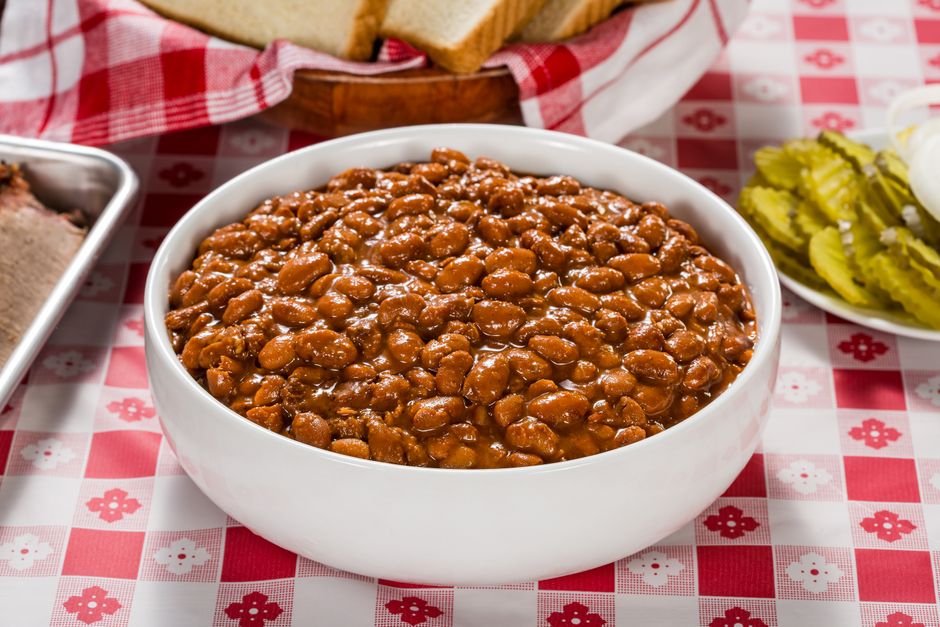
3BC: The Ultimate Baked Bean Casserole Recipe for Unforgettable Flavor
The quest for the perfect baked bean casserole is a culinary journey many embark upon, seeking a dish that transcends the ordinary. This 3BC (Best Baked Bean Casserole) recipe is meticulously crafted to deliver an explosion of savory, sweet, and smoky flavors, all unified in a comforting, deeply satisfying casserole. Forget the often-underwhelming store-bought versions; this homemade masterpiece elevates baked beans to an art form. We will delve into the foundational elements that make this casserole exceptional, from the careful selection of ingredients to the precise cooking techniques that ensure a rich, nuanced flavor profile. This isn’t just a side dish; it’s a star player, capable of transforming any meal into a memorable occasion.
The heart of any exceptional baked bean casserole lies in the quality of its base – the beans themselves. For the 3BC recipe, we advocate for a blend of dried beans, specifically navy beans and pinto beans, soaked and cooked to absolute perfection. This intentional combination offers a delightful textural contrast and a depth of flavor that canned beans simply cannot replicate. The soaking process is crucial, not only for softening the beans but also for reducing the phytic acid content, making them more digestible. Overnight soaking is the preferred method, allowing the beans to plump up and rehydrate thoroughly. After soaking, rinsing the beans is essential to remove any impurities. The cooking phase for dried beans is a slow and steady process. Simmering them gently in ample fresh water until they are tender but not mushy is key. This typically involves several hours of low heat. A small addition of a bay leaf and a pinch of baking soda during the cooking can aid in both tenderness and digestibility. Avoid overcooking, which can result in a mushy, unappealing texture. The goal is a bean that retains its integrity while yielding to a gentle bite. The residual cooking liquid from the dried beans, often referred to as "bean broth," is a treasure trove of flavor and should not be discarded. It contains starches and proteins that will contribute significantly to the final casserole’s body and richness. This flavorful liquid will form a vital part of the sauce, infusing every bite with authentic bean essence.
Beyond the beans, the flavor foundation of the 3BC casserole is built upon a carefully constructed aromatic base. This begins with finely dicing sweet yellow onions and sautéing them in rendered bacon fat or a high-quality olive oil until they are translucent and just beginning to caramelize. The caramelization process is paramount, unlocking the natural sugars in the onions and imparting a subtle sweetness and depth. Following the onions, minced garlic is introduced, sautéed for only a minute or two until fragrant. Overcooking garlic can lead to a bitter taste, so vigilance is important here. The aroma of onions and garlic gently softening in fat is the first indicator that something truly special is brewing. This aromatic foundation creates a savory canvas upon which all other flavors will be layered. The fat used, whether it’s bacon drippings for an undeniably smoky undertone or olive oil for a cleaner flavor, plays a crucial role in carrying these aromatic compounds. The gentle heat applied during sautéing ensures that these flavors meld and develop without becoming harsh. This methodical approach to building the aromatic base is a non-negotiable step in achieving the superior taste of the 3BC baked bean casserole.
The heart of the 3BC’s signature flavor profile lies in its carefully balanced sauce. This is where the magic truly happens, transforming simple ingredients into something extraordinary. The base of our sauce begins with the reserved liquid from cooking the dried beans, which we discussed earlier. To this, we add a rich, savory tomato paste, which provides a concentrated burst of tomato flavor and contributes to the sauce’s thickness. Next comes a good quality, smoky bacon. Finely diced and rendered until crispy, the bacon bits are then integrated into the sauce, their smoky essence permeating every element. This is a critical component for the characteristic baked bean flavor. We then introduce a touch of sweetness, essential for balancing the savory and smoky notes. Brown sugar, with its molasses undertones, is the ideal choice here, providing a deep, caramelly sweetness. Molasses itself is also a key player, adding an even more intense, slightly bitter sweetness that is characteristic of traditional baked beans. The type of molasses used – whether it’s unsulfured or blackstrap – will subtly alter the final flavor. Unsulfured offers a milder sweetness, while blackstrap provides a more robust, robust flavor. The judicious use of both ensures a complex sweetness. For acidity and tang, a splash of apple cider vinegar is incorporated. This brightens the sauce, cutting through the richness and preventing it from becoming cloying. Finally, a generous pinch of smoked paprika and a whisper of cayenne pepper add layers of smoky depth and a subtle hint of heat, respectively. These spices are not meant to overpower but to enhance the existing flavors. The meticulous blending of these ingredients creates a sauce that is simultaneously sweet, savory, smoky, and tangy, a testament to the careful consideration given to each component.
The assembly of the 3BC baked bean casserole is a deliberate process, designed to ensure even cooking and optimal flavor integration. After cooking the dried beans to tender perfection, they are drained, reserving the cooking liquid for the sauce. In a large mixing bowl, the tender beans are combined with the prepared aromatic base of sautéed onions and garlic, along with any rendered fat. The star of the show, the meticulously crafted sauce, is then poured over the beans. Gently fold all the ingredients together, ensuring that every bean is coated in the luscious sauce. The goal is to distribute the flavors evenly. Some recipes call for mixing everything directly in the baking dish, but a separate bowl allows for a more thorough and even coating of the beans, which translates to a more consistent flavor throughout the casserole. The texture of the beans should remain somewhat distinct, not broken down into a paste. If the mixture appears too thick, a little of the reserved bean cooking liquid can be added to achieve the desired consistency. The aim is a thick, rich sauce that will coat the beans without being overly watery.
The choice of baking dish and the baking method are crucial for achieving the perfect texture and flavor development in the 3BC baked bean casserole. A heavy-duty oven-safe dish, such as a cast-iron skillet or a ceramic casserole dish, is ideal. These materials distribute heat evenly, preventing hot spots and ensuring consistent cooking. Before transferring the bean mixture, the baking dish can be lightly greased to prevent sticking, though the rendered bacon fat in the bean mixture often provides sufficient lubrication. The casserole is then placed in a preheated oven, typically at a moderate temperature of around 350°F (175°C). This moderate temperature allows the flavors to meld and deepen over an extended period without burning the sugars. Initially, the casserole is baked uncovered for a portion of the cooking time. This allows some of the excess moisture to evaporate, concentrating the flavors and allowing the sauce to thicken. Following this, the casserole is typically covered with a lid or aluminum foil. This traps the steam, ensuring that the beans remain moist and tender throughout the baking process. The covered baking period is essential for allowing the flavors to fully integrate and for the casserole to achieve its characteristic dense, comforting texture. The total baking time will vary depending on the size of the dish and the oven, but it generally ranges from 1.5 to 3 hours. The casserole is ready when the sauce has thickened to a luscious consistency, the beans are tender, and the edges are bubbling gently. The aroma emanating from the oven during this stage is a powerful indicator of the deliciousness to come.
The final stages of preparation and serving are where the 3BC baked bean casserole truly shines. Once removed from the oven, allowing the casserole to rest for a short period is a critical, yet often overlooked, step. This resting period, typically 10-15 minutes, allows the flavors to settle and the sauce to redistribute, resulting in a more cohesive and flavorful dish. During this time, the intense heat dissipates slightly, making the casserole easier to serve and preventing the beans from breaking apart. While the casserole is resting, consider the garnishes that will elevate its visual appeal and flavor. Crispy, crumbled bacon is a classic and highly recommended topping, adding an extra layer of smoky crunch. Finely chopped fresh parsley or chives can provide a welcome burst of freshness and a vibrant color contrast. For those who appreciate a bit of heat, a sprinkle of red pepper flakes can be added. The 3BC baked bean casserole is incredibly versatile. It serves as an exemplary side dish for barbecued meats, fried chicken, or grilled fish. It’s also a star player at potlucks, picnics, and holiday gatherings, consistently drawing rave reviews. Its robust flavor profile makes it equally at home alongside more refined entrees. The satisfying combination of textures and flavors ensures it’s a crowd-pleaser, regardless of the occasion. The deep, comforting nature of this dish makes it suitable for any season, offering warmth and satisfaction on a cool evening or a flavorful accompaniment to summer’s bounty. Its ability to stand on its own as a hearty vegetarian main course, when paired with complementary sides like cornbread or a crisp salad, further solidifies its status as a culinary chameleon.
The exceptional nature of the 3BC baked bean casserole can be attributed to a synergistic interplay of specific ingredients and culinary techniques. Firstly, the foundational choice of using dried navy and pinto beans, meticulously soaked and cooked, provides a superior texture and depth of flavor compared to their canned counterparts. The inherent starches and proteins released during the slow cooking process contribute to the casserole’s body and richness. Secondly, the carefully constructed aromatic base, featuring caramelized onions and fragrant garlic sautéed in rendered bacon fat, lays a savory groundwork that is both complex and inviting. This initial flavor infusion is crucial for the overall success of the dish. Thirdly, the meticulously balanced sauce, incorporating the natural bean cooking liquid, rich tomato paste, smoky bacon, the nuanced sweetness of brown sugar and molasses, the tang of apple cider vinegar, and the subtle warmth of smoked paprika and cayenne pepper, creates a symphony of tastes. This intricate layering of sweet, savory, smoky, and tangy notes is the hallmark of this exceptional recipe. Fourthly, the slow and steady baking process, initiated uncovered to concentrate flavors and then covered to ensure moisture and tenderness, allows these diverse elements to meld and mature, developing a profound depth of flavor that intensifies with time. The use of heavy-duty bakeware further facilitates even heat distribution, promoting consistent cooking and preventing flavor loss through uneven evaporation. Finally, the post-baking rest period is a subtle yet significant contributor, allowing the flavors to harmonize and the sauce to achieve its optimal viscosity, thus enhancing the overall eating experience. This deliberate combination of ingredient quality, precise cooking methods, and thoughtful flavor balancing elevates the 3BC baked bean casserole from a simple side dish to a culinary masterpiece, consistently delivering an unforgettable taste experience. The inherent adaptability of this recipe, allowing for minor adjustments in sweetness, smokiness, or spice levels based on personal preference, further underscores its versatility and widespread appeal. This is not merely a recipe; it’s a benchmark for what a baked bean casserole can and should be.


