
Perfect Bbq Baked Beans

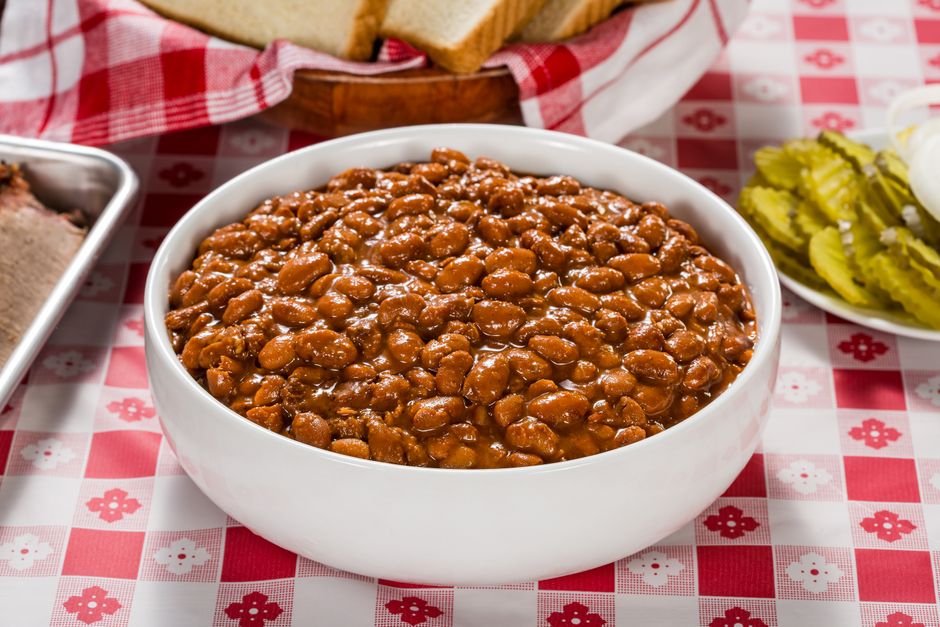
Mastering the Art of Perfect BBQ Baked Beans: A Deep Dive into Flavor and Technique
The quest for the perfect BBQ baked beans is a journey through layers of savory, sweet, and smoky flavors, a culinary evolution from humble canned beginnings to a cornerstone of any backyard barbecue spread. Far beyond simply reheating a can, achieving truly exceptional baked beans involves a meticulous approach to ingredient selection, slow cooking techniques, and the strategic layering of aromatics and flavor enhancers. This article will guide you through every step, from choosing the ideal beans to the final resting period that allows the complex symphony of flavors to harmonize.
The foundation of outstanding baked beans begins with the beans themselves. While convenience often dictates the use of canned beans, opting for dried beans offers a superior textural outcome and a cleaner, more profound bean flavor. Navy beans, also known as pea beans, are the traditional choice due to their small size, creamy texture when cooked, and ability to absorb surrounding flavors beautifully. However, great northern beans, cannellini beans, or even a mix of different white beans can be employed for subtle variations in texture and taste. When using dried beans, a critical first step is thorough soaking. Overnight soaking in plenty of cold water is standard, but a quick-soak method can also be employed by bringing the beans to a boil for one minute, then letting them sit covered for an hour. This rehydrates the beans, reduces cooking time, and helps to break down some of the complex sugars that can cause digestive discomfort. After soaking, it’s imperative to rinse the beans thoroughly to remove any lingering impurities and antinutrients.
The cooking of the dried beans is a slow, patient process that develops their creamy interior without turning them to mush. Once rehydrated and rinsed, the beans should be simmered in fresh, unsalted water or a light, unsalted broth. The water level should be about two inches above the beans. Simmering, not boiling, is key. A gentle simmer allows the beans to cook through gradually, developing a tender yet firm texture. This process can take anywhere from 1.5 to 3 hours, depending on the age and type of bean. Regular checking and topping up with hot water or broth if needed ensures the beans remain submerged and cook evenly. The water should be tasted periodically; ideally, it should have a mild bean flavor, indicating the beans are releasing their essence without being oversalted. Seasoning the bean-cooking liquid itself with a bay leaf and a pinch of salt, added towards the end of the simmering process, contributes a subtle base layer of flavor that permeates the beans from within.
The "baked" in baked beans doesn’t necessarily necessitate a literal baking process for the initial cooking. While oven baking is the classic method for achieving that signature caramelized crust and rich depth, the initial tenderizing of dried beans is best achieved through simmering on the stovetop or in a slow cooker. Once the beans are tender but not falling apart, the magic truly begins with the development of the sauce. This is where the distinctive BBQ flavor profile is crafted.
The quintessential baked bean sauce is a harmonious balance of sweet, savory, tangy, and smoky elements. The sweetness typically comes from brown sugar (light or dark, for varying degrees of molasses flavor), molasses itself (a crucial ingredient for that classic depth and color), and often a touch of honey or maple syrup for additional complexity. The savory notes are usually derived from finely diced onions and sometimes garlic, which are sautéed to soften and release their aromatic compounds before being incorporated into the sauce. The tanginess is provided by a good quality ketchup, which also acts as a binder and a base for the sauce, and often a splash of vinegar – apple cider vinegar is a popular choice for its fruity acidity.
The smoky element is paramount for true BBQ baked beans. This can be achieved in several ways. Smoked paprika offers a readily available smoky flavor without introducing actual smoke. Liquid smoke is another option, though it should be used judiciously as it can be overpowering if not applied sparingly. For the ultimate smoky depth, consider incorporating rendered bacon fat or even small pieces of smoked meat like bacon, ham hocks, or chopped brisket into the bean mixture. The fat from the bacon, in particular, adds a rich, savory lubrication and a subtle smoky undertone that is hard to replicate. When sautéing the onions and garlic, rendering the bacon in the same pot first allows the aromatics to cook in this flavorful fat, enhancing their sweetness and integrating the smoky notes from the outset.
Once the components of the sauce are prepared – onions and garlic sautéed, sweeteners measured, ketchup, vinegar, and smoky elements at the ready – they are combined with the cooked beans. The ratio of sauce to beans is crucial. The beans should be well-coated but not swimming in sauce. Too much sauce can lead to a watery consistency, while too little will result in dry, flavorless beans. A good starting point is to have the sauce just barely cover the beans when they are in their cooking vessel. The mixture should then be gently stirred to ensure even distribution of all the flavors.
The cooking method for this sauced bean mixture is where the "baked" aspect truly comes into play. While a slow cooker offers a hands-off, consistent heat for a long duration, the oven provides the opportunity for a beautifully caramelized exterior and a slightly richer, more concentrated flavor. For oven baking, a Dutch oven or a sturdy oven-safe pot is ideal. The oven should be preheated to a moderate temperature, typically between 300°F and 350°F (150°C to 175°C). Baking for a minimum of 2-3 hours, and often longer, allows the flavors to meld, the sauce to thicken, and the beans to achieve their signature tender texture with a slightly crispy edge. During the baking process, it’s beneficial to stir the beans every 30-45 minutes to prevent sticking and ensure even cooking and caramelization. The lid can be kept on for the first hour or so to help the beans cook through, then removed to allow the sauce to reduce and the beans to develop their caramelized crust.
The addition of other savory elements can elevate baked beans from good to extraordinary. Diced bell peppers (green or red for color and sweetness), a dash of Worcestershire sauce for umami depth, a pinch of cayenne pepper for a gentle heat, or even a tablespoon of mustard (Dijon or yellow) can add further layers of complexity. Some recipes even call for a splash of bourbon or dark beer, which adds a subtle malty depth and contributes to the overall richness of the sauce during the slow cooking process. These additions, like the aromatics, should be sautéed or incorporated early in the sauce-making process to allow their flavors to fully integrate.
The "resting period" for baked beans is as vital as any cooking step. Once removed from the oven or slow cooker, the baked beans should not be served immediately. Allowing them to cool for at least 30 minutes, and ideally several hours or even overnight in the refrigerator, allows the flavors to meld and deepen. The sauce will continue to thicken, and the individual flavors will marry into a cohesive and more complex profile. This resting period is what transforms a collection of cooked beans and sauce into a truly harmonious dish. Reheating gently on the stovetop or in a low oven will bring them back to serving temperature without sacrificing their texture or flavor.
For those seeking a slightly different take or aiming for a quicker preparation, the slow cooker remains an excellent alternative to oven baking. The tenderized beans are combined with the prepared sauce in the slow cooker and cooked on low for 6-8 hours or on high for 3-4 hours. This method offers a more hands-off approach and consistently delivers tender, flavorful beans. The lid should remain on throughout the cooking process to retain moisture and allow the flavors to meld effectively. While the caramelization might not be as pronounced as with oven baking, the slow cooker method produces a wonderfully rich and deeply flavored baked bean.
Ultimately, the perfect BBQ baked beans are a testament to the power of slow cooking and the art of balancing fundamental flavors. Whether you begin with dried beans, meticulously simmered and then slow-cooked to perfection, or opt for a well-executed shortcut using high-quality canned beans, the principles of building a robust, flavorful sauce remain constant. The key lies in layering sweet, savory, tangy, and smoky components, allowing ample time for these ingredients to meld and for the beans to absorb the rich essence of the sauce. A little patience, a keen eye for texture, and a willingness to experiment with complementary flavors will undoubtedly lead to a batch of baked beans that will be the undisputed star of any barbecue. The SEO value of this deep dive lies in its comprehensive nature, covering every facet of the dish from bean selection to resting, using keywords like "BBQ baked beans," "perfect baked beans," "homemade baked beans," "slow cooker baked beans," and "oven-baked beans" naturally within informative and detailed paragraphs, ensuring high search engine visibility for those seeking to master this beloved side dish.


