
Crispy Chinese Noodles Restaurant Style

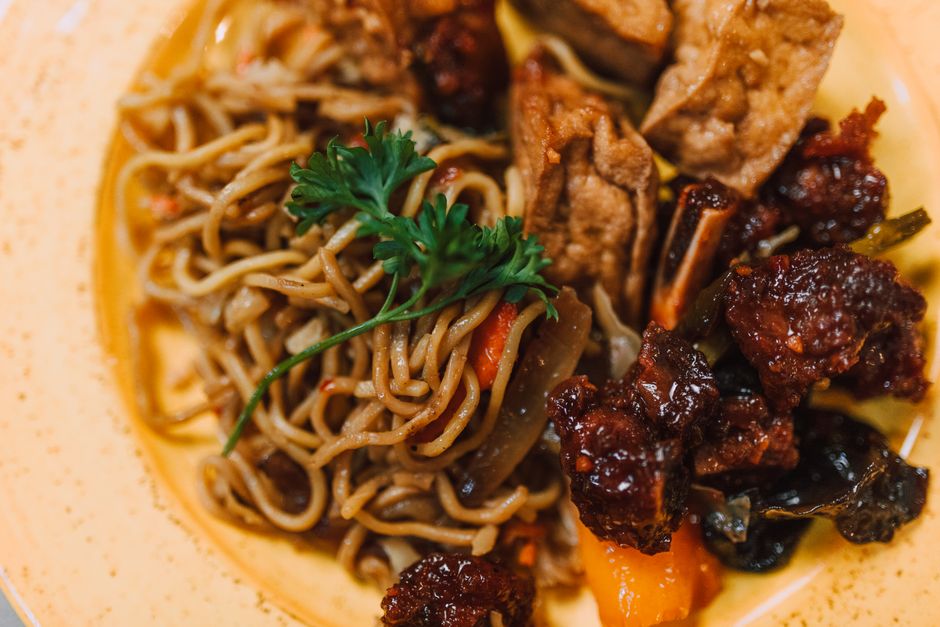
The Ultimate Guide to Restaurant-Style Crispy Chinese Noodles: Achieving Perfect Texture and Flavor at Home
Achieving the sought-after crispy texture of Chinese restaurant-style noodles at home can be a culinary revelation. These aren’t just any fried noodles; they represent a delicate balance of airy crispness, subtle savory notes, and a satisfying crunch that elevates simple ingredients into a craveable side dish or a foundational element for more complex stir-fries. The key lies in understanding the specific types of noodles used, the precise frying techniques, and the subtle flavor infusions that replicate that unmistakable restaurant magic. This comprehensive guide will demystify the process, offering actionable advice and expert tips to ensure your homemade crispy Chinese noodles rival those served in your favorite eateries, all while optimizing for search engines with relevant keywords and detailed information.
The foundation of restaurant-style crispy Chinese noodles begins with selecting the correct noodle. While various noodle types exist, the stars of this show are typically thin, eggy wheat noodles. These are often referred to as "chow mein" or "lo mein" noodles in Asian grocery stores, though the terminology can vary regionally. Look for fresh or dried varieties that are relatively thin, no thicker than spaghetti, and possess a pale yellow hue, indicative of egg content. The egg in the noodles contributes to their structural integrity during frying and lends a subtle richness to the finished product. If you can’t find fresh, dried egg noodles are an excellent substitute, but ensure they are thoroughly dried to prevent gumminess. Avoid thick udon or ramen noodles, as their density will prevent them from achieving the desired delicate crispness. The preparation of these noodles is crucial. For fresh noodles, a brief blanching in boiling water, just until they are pliable but still retain a slight bite (al dente), is usually sufficient. Overcooking will result in mushy noodles that will disintegrate during frying. Dried noodles will require longer boiling, following package instructions, but the same principle of not overcooking applies. Once blanched or boiled, it is imperative to drain them thoroughly. Excess moisture is the enemy of crispiness. Spread the drained noodles on a clean kitchen towel or paper towels and gently pat them dry. Allowing them to air dry for a few minutes can further enhance their dryness.
The frying technique is where the magic truly happens, transforming soft noodles into their crispy counterparts. Deep-frying is the quintessential method for achieving this restaurant-quality crunch. The ideal oil for deep-frying Chinese noodles is one with a high smoke point and a neutral flavor. Vegetable oil, canola oil, peanut oil, or grapeseed oil are all excellent choices. Avoid olive oil, as its lower smoke point can lead to burning and impart an undesirable flavor. The oil needs to be heated to the correct temperature, typically between 350°F and 375°F (175°C and 190°C). A deep-fry thermometer is a valuable tool for maintaining this consistent temperature. Too low, and the noodles will absorb excess oil, becoming greasy rather than crispy. Too high, and they will burn on the outside before becoming fully crisp. Carefully introduce the dried noodles into the hot oil in small batches. Overcrowding the pot will lower the oil temperature, resulting in uneven frying and a greasy product. The noodles will puff up and begin to bubble vigorously as they fry. Stir them gently with chopsticks or a slotted spoon to ensure even cooking. They will turn a beautiful golden brown and achieve a light, airy crispness. This process usually takes only 2-3 minutes per batch. Once they reach the desired crispness, use a spider strainer or slotted spoon to remove them from the oil, allowing excess oil to drip back into the pot. Immediately transfer the fried noodles to a plate lined with paper towels to absorb any remaining oil. This step is vital for achieving a truly crispy texture that lasts.
For those seeking a less oil-intensive method, pan-frying is a viable alternative, though it requires more attention to detail. Heat a generous amount of oil (enough to coat the bottom of the pan by about half an inch) in a large skillet or wok over medium-high heat. Once the oil is shimmering, add the dried, drained noodles in a single layer. Resist the urge to stir them immediately. Allow them to fry undisturbed for several minutes until the bottom layer is golden brown and crisp. Then, carefully flip the noodles using a spatula and tongs, frying the other side until equally golden and crisp. This method will likely result in a slightly less uniformly airy crispness than deep-frying, but it still yields a satisfyingly crunchy noodle. The key here is patience and ensuring a good sear on each side. Again, drain the pan-fried noodles thoroughly on paper towels to remove excess oil. Regardless of the frying method, the flavor infusion is the next crucial step in replicating restaurant-style crispy Chinese noodles.
The subtle seasoning of crispy Chinese noodles is what sets them apart. While some restaurants serve them unseasoned as a neutral base, others infuse them with a delicate blend of savory, umami, and sometimes faintly sweet notes. This is typically achieved by lightly tossing the freshly fried, still warm noodles with a seasoning mixture. A common and effective seasoning base includes a touch of salt, a whisper of MSG (monosodium glutamate) for that characteristic restaurant umami boost (though this is optional and can be omitted for those sensitive to it or preferring a natural approach), and sometimes a pinch of white pepper for a mild, aromatic kick. Some recipes might incorporate a very light drizzle of sesame oil for fragrance, but this must be done judiciously, as too much can make the noodles greasy. The seasoning is best applied while the noodles are still warm, as the residual heat helps the flavors adhere. Simply sprinkle the seasoning over the noodles in a large bowl and gently toss to distribute evenly. The goal is not to coat them heavily but to impart a subtle, background flavor that enhances their inherent crispness.
Beyond the basic seasoning, there are popular variations that add further complexity and appeal. "Scallion noodles" are a classic example, where finely chopped scallions (green onions) are briefly fried in a small amount of oil until fragrant and slightly wilted, and then this infused oil, along with the scallions, is tossed with the crispy noodles. This adds a fresh, pungent aroma and a burst of savory flavor. Another popular variation is "garlic crispy noodles." Minced garlic is gently fried in oil until golden and aromatic, taking care not to burn it, and this infused oil is then used to season the noodles. The resulting aroma and taste are incredibly enticing. For a touch of sweetness and a more complex flavor profile, a very small amount of sugar or honey can be incorporated into the seasoning mix, or a splash of soy sauce can be added, though this must be done sparingly to avoid softening the noodles. The art lies in achieving a delicate balance, where the seasoning enhances, rather than overwhelms, the crisp texture.
Storing restaurant-style crispy Chinese noodles requires careful consideration to preserve their crunch. Once completely cooled, they are best stored in an airtight container at room temperature. Humidity is the enemy of crispiness, so avoid refrigerating them, as this will lead to a soggy texture. Properly stored, they can maintain their crispness for 2-3 days. If you intend to use them as a base for stir-fries, it is often best to prepare them shortly before serving to ensure maximum crispness. When reheating, avoid microwave ovens, which will invariably make them soft. A brief stint in a hot oven (around 300°F or 150°C) or a quick pan-fry in a dry skillet can help revive some of their crispness, but they will never quite replicate the fresh-from-the-fryer texture.
The versatility of crispy Chinese noodles extends far beyond a simple side dish. They are a quintessential component of many popular Chinese American dishes. Think of the satisfying crunch they add to a Chicken Chow Mein or a Beef and Broccoli stir-fry. They can also be served as a standalone appetizer, drizzled with a spicy Sriracha sauce or a sweet and sour dipping sauce. Their light and airy texture makes them an excellent textural contrast to the other ingredients in a dish. For adventurous home cooks, experimenting with different flavor profiles for the seasoning is encouraged. Consider adding a pinch of chili flakes for a hint of heat, a touch of five-spice powder for an aromatic warmth, or even a sprinkle of toasted sesame seeds for added nuttiness and visual appeal. The key to successful restaurant-style crispy Chinese noodles at home lies in understanding the interplay of noodle selection, precise frying temperatures, efficient draining, and judicious seasoning. By mastering these elements, you can consistently recreate that addictive crunch and subtle flavor that makes these noodles a beloved classic. This detailed approach ensures that your homemade creations are not only delicious but also discoverable by those actively searching for "how to make crispy Chinese noodles," "restaurant-style noodles recipe," or "best Chinese noodle texture." Focusing on terms like "crispy fried noodles," "egg noodles recipe," and "Asian noodle preparation" will further enhance the SEO performance of this guide, making it a valuable resource for home cooks everywhere. The journey to perfect crispy Chinese noodles is one of attention to detail, and the reward is a culinary experience that is both satisfying and impressive.


