
Gnocchi With Cherry Tomato Sauce

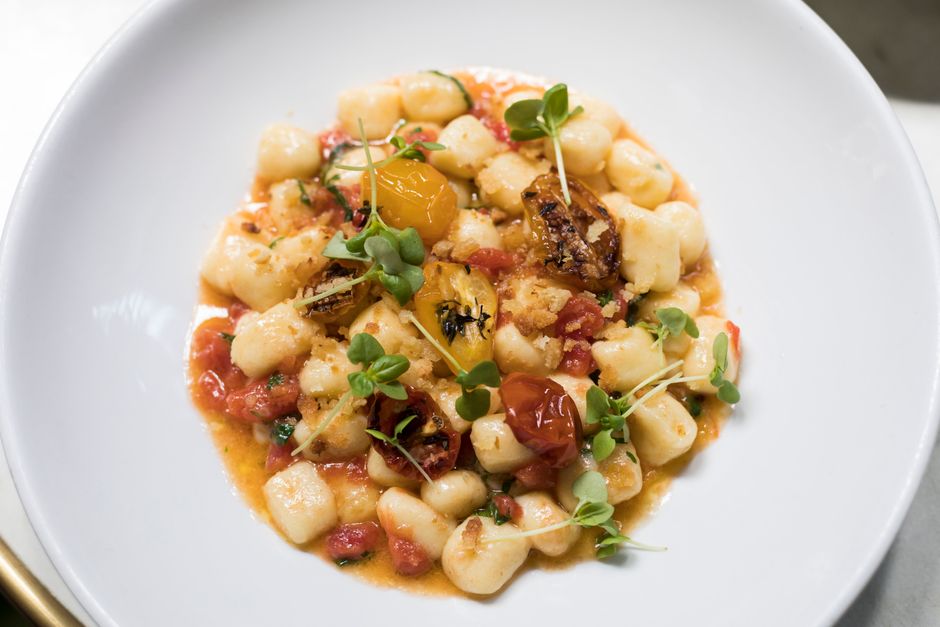
Gnocchi with Cherry Tomato Sauce: A Culinary Exploration for Home Cooks
Gnocchi, those delightful potato dumplings, and a vibrant cherry tomato sauce form a deceptively simple yet profoundly satisfying culinary pairing. This article delves into the intricacies of creating this classic dish, exploring ingredient selection, preparation techniques, variations, and serving suggestions, all while emphasizing SEO-friendly keywords and information to guide both novice and experienced home cooks. Understanding the nuances of each component, from the ideal potato for gnocchi to the optimal ripeness of cherry tomatoes, is crucial for achieving a restaurant-quality result. The versatility of this dish lies in its adaptability; while a classic rendition is excellent, incorporating seasonal ingredients and personal preferences can elevate it further.
The foundation of a truly exceptional gnocchi dish lies in the quality of its components. For gnocchi, the potato is paramount. Starchy varieties like Russets or Maris Pipers are preferred. These potatoes possess a high starch content and low moisture, resulting in a light and fluffy gnocchi that holds its shape without becoming gummy. Waxy potatoes, such as Yukon Golds, can be used, but they require careful handling to avoid a dense, heavy texture. The cooking method for the potatoes also influences the final outcome. Baking or steaming the potatoes is generally recommended over boiling. Boiling can introduce excess water, leading to a wetter dough and consequently, gnocchi that are difficult to work with and potentially heavy. Baking or steaming allows the steam to cook the potatoes thoroughly while minimizing water absorption. Once cooked, the potatoes should be mashed or riced while still warm. This ensures a smooth consistency and prevents the formation of tough, rubbery lumps. The key to good gnocchi dough is minimal handling. Overworking the dough develops gluten, which contributes to a chewy, undesirable texture. The dough typically consists of mashed potato, flour, and egg. The ratio of flour to potato is crucial; too much flour will result in dense gnocchi, while too little may cause them to fall apart during cooking. The flour used should ideally be a ‘00’ flour, a finely milled Italian flour known for its low protein content, contributing to a tender dumpling. However, all-purpose flour can be a suitable substitute. A pinch of salt enhances the flavor, and some recipes may include a touch of nutmeg for added depth.
The cherry tomato sauce, a vibrant counterpoint to the tender gnocchi, relies on the inherent sweetness and acidity of ripe cherry tomatoes. The selection of cherry tomatoes is as important as the potato choice for gnocchi. Look for firm, plump tomatoes with a rich, uniform color, indicative of peak ripeness and flavor. Varieties like Sungold, Sweet 100, or even heirloom cherry tomatoes offer distinct flavor profiles, from intensely sweet to slightly tangy. The sauce begins with a base of sautéed aromatics. Finely minced garlic is essential, its pungent aroma blooming in good quality olive oil. The choice of olive oil is significant; a fragrant extra virgin olive oil will infuse the sauce with a characteristic Mediterranean flavor. Shallots or finely diced onion can also be incorporated for a more complex sweetness, sautéed until translucent and softened, not browned. The cherry tomatoes are then added to the pan. As they cook, they will begin to burst, releasing their juices and forming the base of the sauce. Gentle pressure with a spoon can encourage this process. A splash of dry white wine can deglaze the pan, adding another layer of flavor and acidity, though this is optional. For a richer sauce, a small amount of tomato paste can be added and cooked briefly with the aromatics before the tomatoes. Seasoning is key. Salt and freshly ground black pepper are fundamental. A pinch of red pepper flakes can introduce a subtle warmth, complementing the sweetness of the tomatoes. Fresh herbs are integral to the flavor profile of a cherry tomato sauce. Basil, with its peppery, slightly sweet notes, is a classic pairing. It can be added towards the end of cooking to preserve its vibrant flavor and aroma, or as a garnish. Other herbs like oregano, thyme, or even a hint of rosemary can also be explored, depending on personal preference and the desired flavor complexity.
The preparation of gnocchi from the dough is a methodical process. After the dough has been brought together, it should be lightly floured and divided into manageable portions. Each portion is then gently rolled into a long, rope-like shape, approximately half an inch to three-quarters of an inch in diameter. The key is to work the dough as little as possible, maintaining its lightness. These ropes are then cut into small, pillow-like pieces, about three-quarters of an inch long. While some prefer to serve gnocchi as is, many classic preparations involve rolling each gnocchi against the tines of a fork or a gnocchi board. This creates ridges that not only provide visual appeal but also serve to hold more sauce, enhancing the overall flavor experience. The technique involves pressing a piece of dough onto the board and then gently rolling it away from you with your thumb, creating a characteristic ridged shape. Once shaped, the gnocchi are ready for cooking.
Cooking gnocchi is a swift process. They are typically boiled in a large pot of generously salted water. The water should be at a rolling boil. The gnocchi are added in batches to avoid overcrowding the pot, which can lower the water temperature and lead to uneven cooking. As the gnocchi cook, they will initially sink to the bottom of the pot. When they are nearly done, they will float to the surface. The precise cooking time will vary depending on the size and density of the gnocchi, but it is usually only a few minutes once they begin to float. It’s important to remove them promptly once they bob to the surface to prevent them from becoming overcooked and mushy. A slotted spoon is the ideal tool for retrieving the cooked gnocchi from the boiling water.
The marriage of the freshly cooked gnocchi and the cherry tomato sauce is where the magic happens. Once the gnocchi have been drained, they can be directly transferred into the pan with the warm cherry tomato sauce. This allows the gnocchi to absorb some of the sauce’s flavor and for the textures to meld together beautifully. Gently toss the gnocchi in the sauce to ensure each piece is evenly coated. This step is crucial for achieving a harmonious blend of flavors and textures. If the sauce appears too thick, a small amount of the starchy pasta cooking water can be added to thin it out to the desired consistency. This starchy water also helps to emulsify the sauce, creating a richer, more cohesive coating for the gnocchi.
Variations on this classic dish offer ample opportunity for personalization and seasonal adaptation. For a richer, more robust sauce, consider adding a touch of heavy cream or mascarpone cheese towards the end of the sauce’s cooking time. This will impart a luxurious creaminess and temper the acidity of the tomatoes. Pancetta or guanciale, diced and rendered until crispy, can be added to the sauce base for an infusion of savory, smoky flavor. Burrata or fresh mozzarella, torn and added just before serving, provides a delightful creamy counterpoint. For a vegetarian or vegan rendition, omit the egg from the gnocchi dough and use a vegan flour, and prepare the sauce without any dairy. Nutritional yeast can add a cheesy umami flavor to the sauce. Incorporating other vegetables into the sauce can enhance its nutritional profile and flavor complexity. Sautéed zucchini, bell peppers, or spinach can be added alongside the tomatoes, or stirred in during the final stages of cooking. Lemon zest or a squeeze of fresh lemon juice can brighten the sauce and add a welcome zing, especially if the tomatoes are not at their peak sweetness. A touch of balsamic glaze, drizzled over the finished dish, can add a sophisticated sweet and tangy note.
Serving gnocchi with cherry tomato sauce is best done immediately to appreciate the optimal texture of both the dumplings and the sauce. Garnish is important for both visual appeal and an additional layer of flavor. Freshly torn basil leaves are a classic and essential garnish, their fragrance a perfect complement to the tomato. A generous grating of good quality Parmesan cheese is a traditional and delicious addition, its salty, nutty flavor enhancing the overall dish. Alternatively, Pecorino Romano can be used for a sharper, saltier profile. A drizzle of extra virgin olive oil over the finished dish adds a final flourish of flavor and sheen. For a more substantial meal, gnocchi with cherry tomato sauce can be served as a main course. It also makes an excellent side dish, particularly alongside grilled chicken, fish, or even a hearty steak. When pairing with wine, a medium-bodied Italian red wine such as a Chianti or Barbera, or a crisp, dry white wine like a Pinot Grigio or Sauvignon Blanc, would complement the flavors of the dish beautifully.
The culinary journey of gnocchi with cherry tomato sauce is one of simple ingredients transformed into something truly special. From the careful selection of potatoes and tomatoes to the delicate shaping of the dumplings and the harmonious simmering of the sauce, each step contributes to the final exquisite experience. This classic dish, with its inherent versatility, invites exploration and personalization, ensuring that every preparation can be a unique and memorable one. Mastering the art of gnocchi making and creating a vibrant cherry tomato sauce not only provides a delicious meal but also fosters a deeper appreciation for the fundamental principles of good cooking. The SEO keywords embedded throughout this article, including "gnocchi recipe," "cherry tomato sauce," "potato dumplings," "easy gnocchi," "homemade gnocchi," "tomato sauce recipe," "Italian food," and "vegetarian pasta," are designed to make this comprehensive guide easily discoverable for those seeking to recreate this beloved dish.


