The Culinary Significance of Fish Head Curry at Kuala Lumpur’s Tugu View Cafe and its Role in Malaysian Gastro-Tourism

Malaysia’s status as a premier global destination for culinary tourism is fundamentally rooted in its historical role as a crossroads of the spice trade, a legacy that has fostered one of the most diverse food landscapes in the world. Central to this gastronomic identity is the dish known as Fish Head Curry, a preparation that exemplifies the synthesis of Malay, Indian, and Chinese culinary traditions. In the capital city of Kuala Lumpur, the Tugu View Cafe has emerged as a significant focal point for this dish, offering a window into the nation’s "nasi campur" (mixed rice) culture. This establishment, situated near the National Monument (Tugu Negara), serves as a case study in how traditional foodways intersect with national heritage and modern tourism.
The Genesis of Fish Head Curry: A Cultural Synthesis
To understand the prominence of Fish Head Curry at Tugu View Cafe, one must examine its origins, which date back to the mid-20th century in the Malay Peninsula. The dish is widely credited to the South Indian community in Singapore and Malaysia, who sought to cater to the tastes of Chinese diners. While Indian cuisine traditionally utilized fish steaks or whole small fish, Chinese culinary preferences often favored the fish head, regarded as a delicacy for its rich collagen content and varied textures.
By combining the robust, tamarind-based spice profiles of South Indian curries with the specific anatomical preferences of the local Chinese population, a unique fusion dish was born. Over decades, this dish was further adapted by the Malay community, who incorporated local ingredients such as coconut milk (santan) and specific indigenous herbs, resulting in the "Malay-style" fish head curry frequently found in Kuala Lumpur today. This evolution mirrors the broader history of Malaysia—a nation built on the integration of distinct ethnic groups into a cohesive social fabric.
Tugu View Cafe and the Nasi Campur Service Model
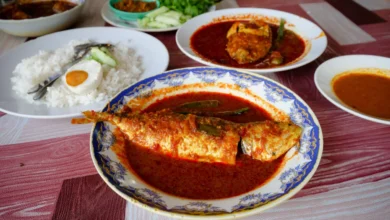
Tugu View Cafe operates primarily on the "nasi campur" model, a cornerstone of Southeast Asian lunchtime logistics. Nasi campur, which translates literally to "mixed rice," allows diners to select from an array of pre-prepared dishes—ranging from meats and seafood to tempered vegetables—which are then served over a central portion of steamed white rice. This buffet-style arrangement is not merely a convenience but a reflection of the agrarian and communal history of the region, where a variety of side dishes (lauk-pauk) would be shared among a family or community.
At Tugu View Cafe, the strategy for diners typically involves layering flavors. A common practice among local patrons involves the "banjir" (flooding) technique, where a generous amount of curry gravy is poured over the rice to ensure maximum flavor absorption. The cafe’s offerings include creamy and spicy curries, meaty soups, and a variety of locally grown fresh and steamed vegetables, providing a comprehensive representation of the Malaysian palate.

Technical Analysis of the Signature Dish: Red Snapper Curry
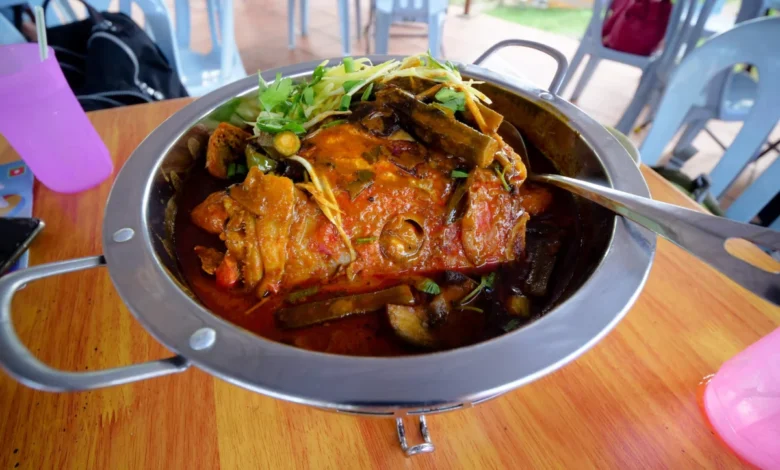
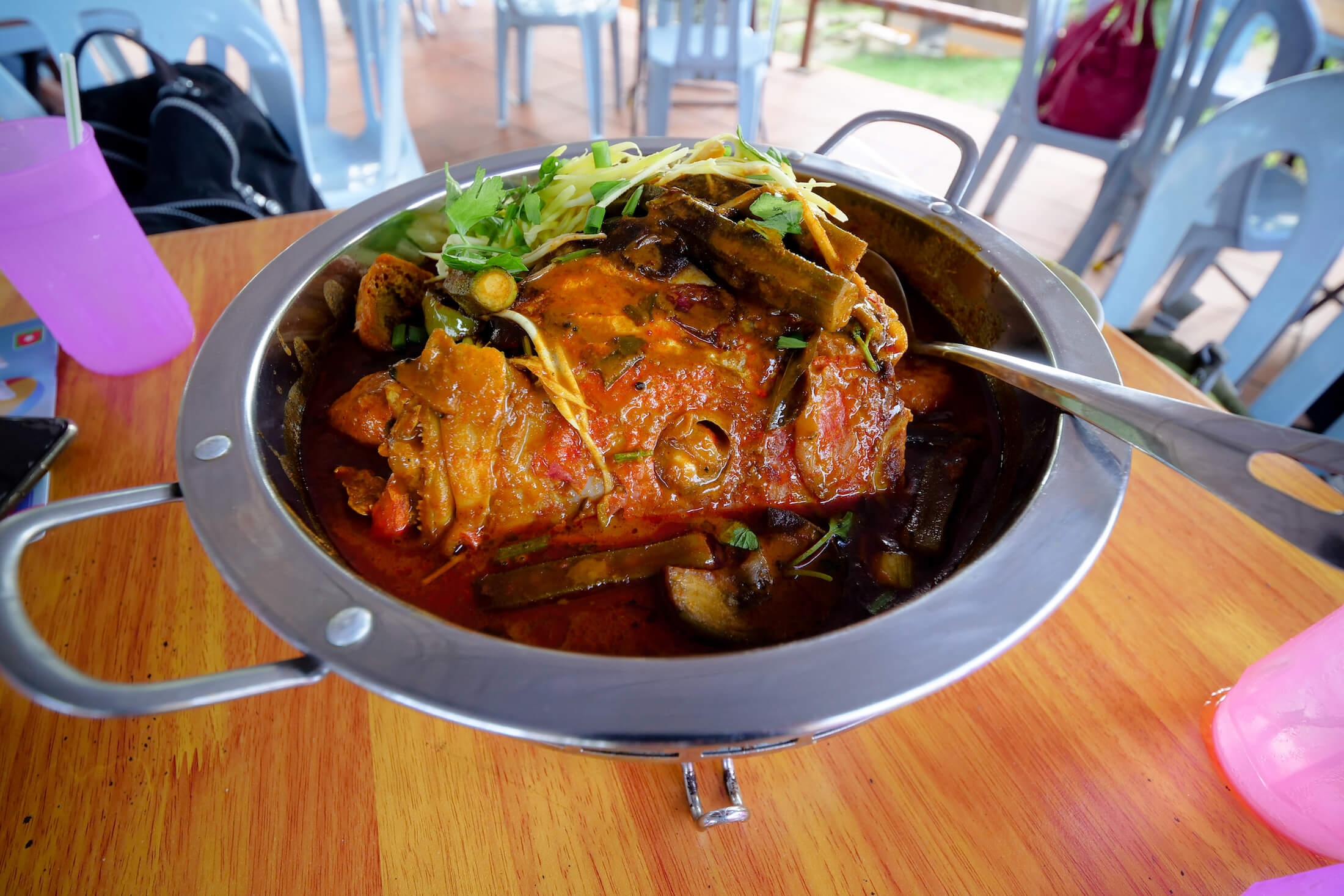
The centerpiece of the Tugu View Cafe experience is the Fish Head Curry, specifically utilizing the Red Snapper, known locally as "Ikan Merah." From a culinary perspective, the Red Snapper is selected for its firm flesh and the substantial amount of meat found within the cranial structure. The anatomy of the fish head—including the cheeks, eyes, and collar—offers a range of textures that are highly prized by connoisseurs.
The preparation at Tugu View Cafe involves simmering the snapper head in a deeply flavorful broth characterized by a balance of heat, acidity, and umami. Key components of this broth typically include:
- Aromatic Base (Rempah): A pounded paste of shallots, garlic, ginger, and galangal.
- Spice Blend: Heavy utilization of turmeric, chili powder, and coriander seeds.
- Acidic Agents: Tamarind (asam jawa) or dried tamarind peel (asam keping) to provide a sharp contrast to the richness of the fish.
- Vegetable Accoutrements: Okra (lady’s fingers) and firm tofu squares, which act as sponges for the curry broth.
The resulting dish is noted for its visual impact and its complexity. In a recent observation of the cafe’s operations, a full meal including a large fish head was priced at approximately 144 RM (US$35), though smaller portions are available for smaller groups, reflecting the dish’s status as a communal centerpiece rather than an individual entree.

Geographical and Historical Context: The Tugu Negara Connection
The location of Tugu View Cafe is of significant historical importance. The restaurant sits on a hill overlooking the Tugu Negara (National Monument), which was completed in 1966 to commemorate the soldiers who died in Malaysia’s struggle for freedom, particularly during the Malayan Emergency (1948–1960). Designed by American sculptor Felix de Weldon, the monument is a symbol of national sovereignty.
The proximity of a traditional Malay eatery to a site of such national gravity creates a symbolic link between the country’s political history and its culinary heritage. For many Malaysians, visiting the monument and subsequently dining at Tugu View Cafe is a ritual that reinforces national identity. The restaurant’s accessibility is somewhat unconventional; visitors arriving on foot from the nearby Lake Gardens must navigate several flights of stairs and pass through a commercial area selling local delicacies like frozen durian, highlighting the organic, often labyrinthine growth of Kuala Lumpur’s urban spaces.
Economic Impact and Gastro-Tourism Trends
The popularity of establishments like Tugu View Cafe is supported by data from the Ministry of Tourism, Arts and Culture (MOTAC) Malaysia. According to tourism expenditure surveys, food and beverage consistently rank as one of the top three spending categories for both domestic and international tourists in Malaysia. In 2019, prior to global travel disruptions, food and beverage accounted for approximately 13.3% of total tourist expenditure.

Gastro-tourism has been identified as a key growth sector for the Malaysian economy. The government’s "Malaysia Truly Asia" campaign has long leveraged the country’s culinary diversity to attract visitors. Dishes like Fish Head Curry serve as "hero products" in this marketing strategy. The Tugu View Cafe, while maintaining a low-profile approach to media—often discouraging extensive photography to maintain the pace of service for regular patrons—nevertheless benefits from the "viral" nature of modern food documentation by international travel influencers and food journalists.
Broader Implications for Malaysian Culinary Identity
The continued success of Tugu View Cafe and the enduring popularity of Fish Head Curry suggest several broader implications for Malaysian society:
- Preservation of Traditional Skills: The preparation of a complex rempah and the management of a large-scale nasi campur buffet require specialized knowledge and labor-intensive techniques that are being passed down through generations of cooks.
- Social Cohesion: The cafe serves a diverse clientele, including civil servants, laborers, and international tourists. In a multicultural society, the shared space of a nasi campur restaurant acts as a social leveler.
- Adaptability: While the core recipes remain traditional, the service model has adapted to the needs of a fast-paced urban environment, providing high-quality, nutritious meals to the Kuala Lumpur workforce.
Conclusion
The Tugu View Cafe stands as more than a mere eatery; it is a repository of Malaysian cultural history. Through its signature Fish Head Curry, it maintains a link to the spice-driven migrations of the past while serving the contemporary needs of a modern capital. As Malaysia continues to position itself as a global culinary hub, the intersection of history, geography, and flavor found at this hillside cafe remains a vital component of the nation’s soft power and economic vitality. The dish itself—a complex, spicy, and communal experience—remains a definitive example of how Malaysia has successfully blended disparate influences into a singular, world-class cuisine.