
Fresh Green Beans With Heaven Sauce

Fresh Green Beans with Heaven Sauce: A Culinary Revelation
The humble green bean, often relegated to a side dish afterthought, experiences a glorious transformation when paired with a truly exceptional sauce. This article delves deep into the creation, nuances, and profound deliciousness of fresh green beans with what can only be described as "heaven sauce." We will explore the foundational elements of achieving perfectly cooked fresh green beans, the intricate layers that constitute this divine sauce, and the culinary synergy that elevates this simple pairing to an unforgettable gastronomic experience. The goal is to equip readers with the knowledge and inspiration to recreate this masterpiece in their own kitchens, understanding every component for optimal flavor and texture.
Mastering the Art of Fresh Green Bean Preparation
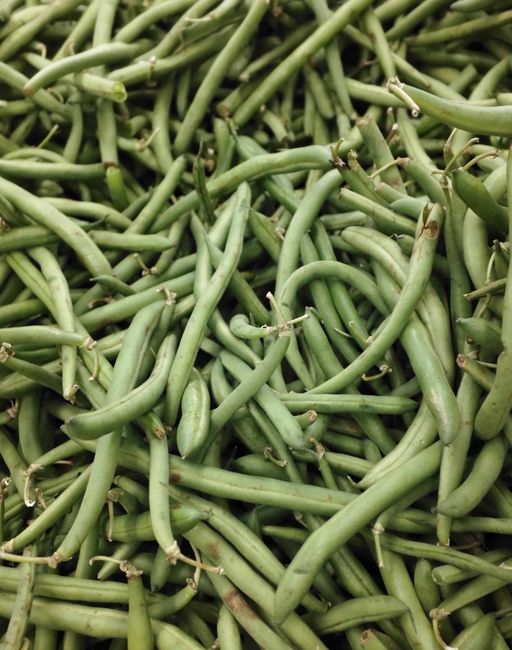
Before even contemplating the sauce, the integrity of the fresh green bean itself is paramount. The selection process begins with visually inspecting the beans. They should possess a vibrant green hue, indicating freshness and a good sugar content. Avoid beans that appear dull, shriveled, or have visible blemishes. The texture is equally crucial; they should be firm and crisp, snapping cleanly when bent. This snap is a direct indicator of their water content and inherent crispness, which will be vital for resisting overcooking.
The preparation involves a thorough washing under cool running water to remove any residual dirt or debris. Trimming the ends is the next essential step. This can be done manually, by snapping off the stem end and then slicing the other end, or more efficiently with a specialized green bean trimmer. For uniformity in cooking, it’s advisable to trim them to a similar length, typically around 2-3 inches. While some may prefer leaving them whole, trimming often enhances even cooking and makes them easier to eat.
The cooking method for fresh green beans significantly impacts their final texture and flavor. Blanching is widely considered the superior method for achieving perfectly crisp-tender beans that retain their bright green color and nutritional value. This involves submerging the trimmed beans in rapidly boiling salted water for a very brief period, usually 1-3 minutes, depending on their thickness. The salt in the water not only seasons the beans but also helps to preserve their vibrant color. Immediately after blanching, the beans must be plunged into an ice bath. This rapid cooling halts the cooking process, preventing them from becoming mushy and ensuring they retain their desirable al dente texture. This shock technique is fundamental to achieving the perfect “snap.”
Alternatively, steaming is another excellent method. Steaming gently cooks the beans without immersing them in water, thus preserving more of their nutrients and delicate flavor. Similar to blanching, the goal is to achieve a crisp-tender consistency. The steaming time will vary based on the thickness of the beans, typically ranging from 4-7 minutes. Oversteaming will result in a loss of texture and color, turning the beans limp and dull.
Sautéing can also be employed, either as a primary cooking method or as a finishing step after blanching or steaming. When sautéing from raw, it’s essential to use a sufficient amount of fat (butter or oil) and maintain a medium-high heat to promote quick cooking and caramelization. This method imparts a slightly nutty flavor and a more developed, less purely vegetal taste. However, it requires careful attention to avoid burning or uneven cooking.
Regardless of the chosen method, the overarching objective is to cook the green beans until they are tender but still possess a slight resistance to the bite. They should retain their vivid green color, a visual cue of their freshness and proper preparation. Overcooked green beans are a culinary sin, characterized by a dull, olive-green hue, a mushy texture, and a diminished flavor.
Deconstructing "Heaven Sauce": A Symphony of Flavors and Aromas
The term "heaven sauce" is not a rigidly defined culinary term but rather a descriptor for a sauce that transcends the ordinary, elevating a simple ingredient to celestial heights. For fresh green beans, this sauce is a harmonious blend of savory, umami-rich, slightly sweet, and aromatic elements, designed to complement, not overpower, the natural taste of the beans.
At its core, a foundational element of this heaven sauce is often a high-quality fat. Unsalted butter, clarified butter (ghee), or a good quality olive oil are excellent choices. Butter provides richness and a slightly sweet undertone, while olive oil contributes its own subtle fruity or peppery notes. The fat serves as the medium for infusing flavors and coating the green beans, ensuring each bite is imbued with the sauce’s essence.
A cornerstone of umami, crucial for that "heavenly" depth of flavor, is typically derived from one or a combination of ingredients. Finely minced garlic is almost indispensable, offering pungent warmth and complexity. Shallots, with their milder, sweeter onion flavor, are often preferred over regular onions for their more refined contribution. The judicious sautéing of these aromatics in the chosen fat is the first step in building the sauce’s flavor profile. They should be cooked until softened and fragrant, but not browned, to avoid introducing bitterness.
Beyond the foundational aromatics, the protein-based umami can come from several sources. A dash of soy sauce or tamari provides salinity and a deep, savory character. High-quality chicken or vegetable broth, reduced for concentration, can add body and complexity. For an even more intense umami experience, a small amount of anchovy paste, finely minced and thoroughly incorporated, can work wonders without imparting an overtly fishy taste. A touch of mushroom powder, derived from dried porcini or shiitake mushrooms, can also contribute a profound earthy, savory dimension.
Sweetness is a delicate balancing act in this sauce. A tiny pinch of sugar, or a drizzle of honey or maple syrup, can round out the flavors and counteract any potential bitterness from the vegetables or aromatics. The sweetness should be subtle, a whisper rather than a shout, designed to enhance the other flavors.
Acidity is another crucial component for brightness and balance. A squeeze of fresh lemon juice added at the very end of cooking provides a zesty lift that cuts through the richness of the fat and the depth of the umami. White wine vinegar or a splash of dry white wine, reduced in the sauce, can also introduce a welcome tang.
Herbs and spices play a vital role in defining the aromatic profile of the heaven sauce. Freshly chopped chives offer a delicate oniony freshness. Parsley, either flat-leaf or curly, adds a clean, herbaceous note. A pinch of red pepper flakes can introduce a subtle warmth that tingles on the palate. Nutmeg, grated finely, can add a warm, slightly sweet, and aromatic spice that pairs surprisingly well with green beans. Thyme, rosemary, or even a hint of sage, used sparingly, can contribute unique herbaceous complexities.
The texture of the sauce itself is also important. It should be a glossy, emulsified coating that clings to the green beans, not a watery liquid that pools at the bottom of the dish. Achieving this often involves a slight reduction of the liquid components and the natural emulsifying properties of the fat and aromatics. A small amount of cornstarch slurry, a mixture of cornstarch and water, can be used as a thickener if necessary, but it should be added with extreme care to avoid a gummy texture.
The Culinary Alchemy: Marrying Green Beans and Heaven Sauce
The true magic of this dish lies in the harmonious marriage of the perfectly cooked fresh green beans and the meticulously crafted heaven sauce. The process of combining them is as important as their individual preparation.
Ideally, the heaven sauce is prepared just before the green beans are finished cooking or immediately after they have been blanched and drained (but not necessarily dried completely – a little residual moisture can help emulsify the sauce). The warm green beans are then introduced to the sauce, which is typically kept over low heat.
Gently tossing the beans in the sauce ensures that every single bean is coated in its flavorful embrace. This is not a vigorous stirring; rather, a delicate folding motion to preserve the integrity of the beans’ texture. The residual heat from the beans will gently warm the sauce, and the sauce will, in turn, further tenderize the beans slightly without overcooking them.
The timing here is critical. The green beans should be added to the sauce when they are still warm and slightly al dente, allowing them to absorb the flavors for a brief period. Over-soaking them in the sauce will lead to a loss of their delightful crunch. Conversely, if the sauce is too hot or cooked for too long with the beans, they risk becoming mushy.
The goal is for the sauce to become a flavorful glaze, clinging to the surface of each green bean. The vibrant green of the beans should be contrasted with the glossy sheen of the sauce, creating an aesthetically appealing dish.
The finishing touches are the final flourish that elevates this dish from excellent to extraordinary. A sprinkle of toasted nuts, such as slivered almonds or chopped pecans, adds a delightful textural contrast and a nutty depth. A scattering of fresh herbs, like chopped parsley or chives, provides a burst of color and freshness. A final squeeze of lemon juice or a drizzle of high-quality extra virgin olive oil can further enhance the brightness and richness.
Nutritional Benefits and Culinary Versatility
Beyond its exceptional taste, fresh green beans are a nutritional powerhouse. They are an excellent source of dietary fiber, which aids in digestion and promotes satiety. They are also rich in vitamins, particularly Vitamin K, which is essential for blood clotting and bone health, and Vitamin C, a potent antioxidant that supports the immune system. Furthermore, green beans provide a good amount of folate, important for cell growth and development, and various minerals like potassium and magnesium.
The heaven sauce, while contributing significant flavor, can also be designed to be relatively healthy. By using lean fats and prioritizing fresh aromatics and herbs, the sauce can be enjoyed guilt-free. The umami-rich ingredients, while packed with flavor, often provide essential nutrients and amino acids.
The culinary versatility of fresh green beans with heaven sauce is also noteworthy. This dish serves as an exemplary side to a wide array of main courses. It pairs beautifully with grilled or roasted meats, such as chicken, steak, or lamb. It complements fish dishes, particularly flaky white fish like cod or halibut. For vegetarian and vegan diners, this dish is a flavorful addition to tofu, tempeh, or lentil-based mains.
Furthermore, this dish can be a star component of larger salads. Served chilled or at room temperature, the crisp green beans coated in the flavorful sauce can add texture and complexity to a mixed green salad. They can also be incorporated into grain bowls or as a sophisticated appetizer, served perhaps with a dollop of crème fraîche or a sprinkle of grated Parmesan cheese.
The adaptability of the "heaven sauce" itself allows for endless customization. Experimenting with different herbs, spices, and umami boosters can lead to variations that suit individual palates and dietary preferences. For instance, a touch of smoked paprika can introduce a smoky dimension, while a hint of curry powder can offer an exotic twist.
Conclusion: An Invitation to Culinary Bliss
Fresh green beans with heaven sauce are more than just a dish; they are a testament to the transformative power of thoughtful preparation and inspired flavor combinations. By mastering the art of cooking fresh green beans to achieve that perfect crisp-tender texture and by meticulously crafting a sauce that balances savory, sweet, and aromatic notes, one can unlock a truly divine culinary experience. This detailed exploration has illuminated the critical steps involved, from selecting the freshest beans to understanding the intricate layers of a truly exceptional sauce. The synergy between these two elements creates a dish that is both simple in its core ingredients and profound in its execution, offering a delightful and nutritious addition to any meal. Embrace the opportunity to recreate this culinary revelation and discover for yourself the heavenly pleasure that awaits.


