
Honey Mustard Ham Glaze

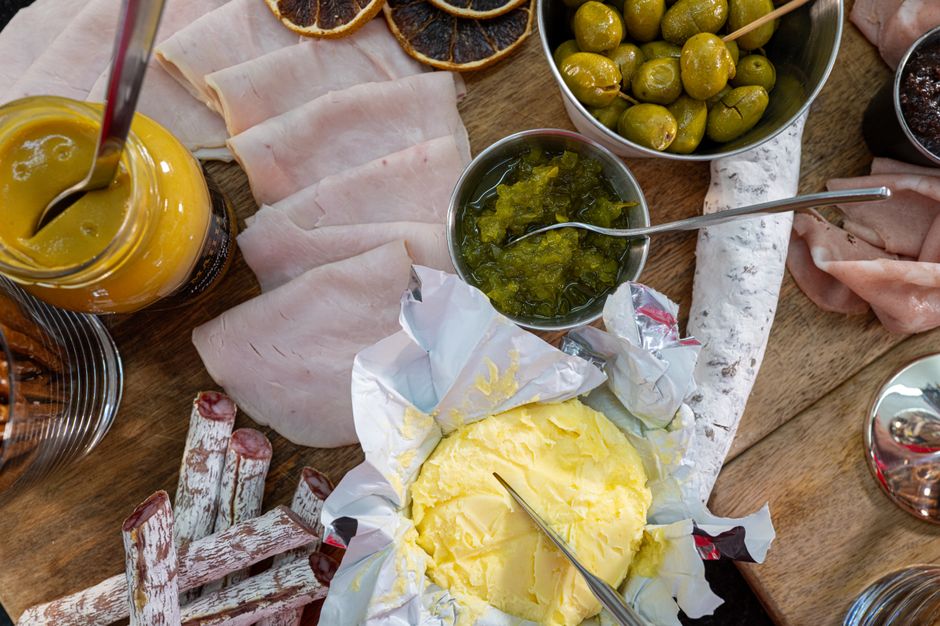
The Ultimate Honey Mustard Ham Glaze: A Flavorful Masterpiece
This article provides an in-depth guide to creating the ultimate honey mustard ham glaze. It explores the foundational elements of a successful glaze, delves into the nuances of ingredient selection, offers variations for different culinary preferences, and provides practical tips for application and storage. The focus is on achieving optimal flavor, texture, and visual appeal for your glazed ham, making it a standout centerpiece for any occasion. We will dissect the science behind emulsification and caramelization, ensuring a deep understanding of how to achieve a glossy, flavorful crust that permeates the meat.
The core components of any exceptional ham glaze are sweetness, tanginess, and a touch of savory depth. For a honey mustard glaze, this translates to the harmonious interplay between honey and mustard. Honey provides natural sweetness and a viscous texture that aids in coating the ham. Its floral notes can also introduce subtle complexities, depending on the type of honey used. Mustard, on the other hand, offers a pungent, tangy counterpoint that cuts through the richness of the ham and prevents the glaze from becoming cloying. The ideal ratio of honey to mustard is crucial for balance; too much honey can overpower, while too much mustard can create an unpleasantly sharp flavor. This balance is not static and can be adjusted based on personal preference and the specific type of mustard employed.
The choice of mustard significantly impacts the final flavor profile of the glaze. Dijon mustard, with its smooth texture and balanced peppery bite, is a classic and often preferred choice. Its complex flavor profile complements the sweetness of honey beautifully, creating a sophisticated glaze. Whole grain mustard offers a more rustic texture and a more assertive mustard flavor. The mustard seeds provide bursts of pungency and a pleasant chewiness within the glaze. Yellow mustard, while common, is typically milder and sweeter, making it a less intense option. It can be a good starting point for those who are new to honey mustard glazes or prefer a gentler flavor. For those seeking a bolder, more artisanal experience, a spicy brown mustard or even a stone-ground mustard can introduce exciting layers of heat and character. Experimentation with different mustard varieties is encouraged to discover personal favorites and tailor the glaze to specific ham types and desired flavor intensities.
Honey’s role extends beyond simple sweetness. Its viscosity contributes to the glaze’s ability to cling to the ham, forming a beautiful, caramelized crust during baking. Different types of honey offer distinct flavor profiles. Wildflower honey provides a complex, often fruity or floral sweetness. Clover honey is a more universally accessible option with a mild, clean flavor. Buckwheat honey, on the other hand, has a robust, molasses-like flavor that can add a dark, rich depth to the glaze, particularly appealing for a more intensely flavored ham. Manuka honey, known for its unique medicinal properties, also possesses a distinctive earthy flavor that can lend an unexpected sophistication to the glaze. The color of honey also plays a role in the visual appeal of the finished glaze; darker honeys will contribute to a richer, more deeply caramelized hue.
Beyond the primary honey and mustard components, a well-rounded glaze often benefits from additional flavor enhancers. A touch of acidity can further brighten the flavors and balance the sweetness. Apple cider vinegar is an excellent choice, its fruity tang complementing both honey and mustard. White wine vinegar offers a cleaner, sharper acidity. Lemon juice provides a fresh, citrusy note that can cut through richness and add a vibrant lift. For savory depth, a small amount of Worcestershire sauce can introduce umami notes and a subtle complexity that enhances the overall flavor profile without being overtly discernible. A pinch of garlic powder or a finely minced clove of fresh garlic can add a subtle aromatic warmth. Onion powder can provide a more rounded, savory undertone. The key is to use these additions sparingly, allowing the honey and mustard to remain the stars of the show.
The textural element of the glaze is as important as its flavor. A good glaze should be thick enough to coat the ham effectively without being overly syrupy or runny. This is achieved through a combination of the inherent viscosity of the honey and mustard, and potentially through a gentle reduction process. Over-boiling the glaze can lead to excessive evaporation of liquid, resulting in a sticky, overly concentrated glaze that may burn easily. Conversely, an under-cooked glaze may be too thin and drip off the ham during baking, failing to create the desired coating. A gentle simmer allows the flavors to meld and the glaze to thicken naturally. Some recipes might call for a thickening agent, such as a cornstarch slurry (cornstarch mixed with a small amount of water), but this is generally not necessary for a well-balanced honey mustard glaze where the natural properties of the ingredients are leveraged.
The application of the glaze is a critical step in achieving a perfect result. For most ham preparations, the glaze is applied during the final stages of cooking. This allows the sugars in the honey to caramelize without burning, creating a beautiful, glossy exterior. Typically, the ham is brushed with the glaze multiple times during the last 30-60 minutes of baking, allowing each layer to set and contribute to the overall crust. The temperature of the oven is also a factor. A moderately hot oven (around 350-375°F or 175-190°C) is usually ideal for glazing, providing enough heat for caramelization without scorching. For hams that have been pre-cooked or spiral-cut, the glaze can often be applied slightly earlier, as the internal temperature is already safe. Always refer to the specific instructions for your ham cut.
Variations on the classic honey mustard ham glaze can cater to a wide range of palates and culinary inspirations. For a spicier kick, incorporating a dash of cayenne pepper or red pepper flakes into the glaze will add a pleasant warmth. A touch of sriracha or your favorite hot sauce can introduce a more pronounced heat and a hint of garlic and vinegar. For a smoky dimension, a tablespoon of smoked paprika or a small amount of liquid smoke can transform the glaze. This is particularly effective for hams that are already smoked, enhancing their inherent flavor profile. For a sweeter, more dessert-like glaze, consider adding a touch of brown sugar or maple syrup alongside the honey. This will deepen the caramelization and introduce richer, more complex sweetness. Fruit-based additions can also elevate the glaze. A tablespoon of apricot jam or preserves, melted and incorporated into the glaze, will add a fruity sweetness and a beautiful sheen. A splash of orange juice can provide a bright, citrusy note that complements pork wonderfully.
The quality of the ingredients used directly influences the final outcome of the glaze. Opting for high-quality honey and a good-quality mustard will make a noticeable difference in flavor. Similarly, fresh, high-quality spices will contribute more vibrant aromas and tastes. For a more nuanced flavor, consider toasting whole mustard seeds before grinding them, or using freshly grated ginger instead of powder.
Storage of leftover glaze is straightforward. Once cooled, the glaze can be stored in an airtight container in the refrigerator for up to a week. It may solidify slightly due to the honey; gently warming it on the stovetop or in the microwave will restore its pourable consistency. Leftover glaze is also incredibly versatile and can be used as a dipping sauce for chicken fingers, as a marinade for pork chops, or even as a base for salad dressings. Its adaptability makes it a valuable addition to any culinary repertoire.
When preparing the glaze, it’s essential to avoid overcooking. Excessive heat can burn the sugars in the honey, leading to a bitter taste and a dark, unappetizing color. A gentle simmer is usually sufficient to meld the flavors and achieve the desired consistency. The glaze should be thick enough to coat the back of a spoon but still fluid enough to brush onto the ham easily. The goal is a glossy, slightly sticky finish that caramelizes beautifully in the oven.
The science behind the glaze’s transformation in the oven is primarily caramelization. As the sugars in the honey and any added sweeteners are heated, they undergo a complex chemical process that breaks them down and forms new compounds. These compounds are responsible for the brown color and the rich, nutty, and sometimes slightly bitter flavors associated with caramel. The proteins in the mustard also contribute to the Maillard reaction, another browning process that occurs when amino acids and reducing sugars are heated, contributing to a more complex flavor profile and a darker hue. The fat in the ham also plays a role, basting the glaze and contributing to its overall richness and moisture.
To achieve the most even coating, consider the shape of your ham. For whole hams or larger cuts, using a pastry brush to apply the glaze in thin, even layers is recommended. For spiral-cut hams, the glaze will naturally penetrate the crevices, so focus on ensuring an even coating over the entire surface. Some chefs recommend basting the ham with its own rendered juices between glaze applications to further enhance moisture and flavor.
The optimal temperature for glazing a ham is typically around 350°F to 375°F (175°C to 190°C). This temperature range provides enough heat for effective caramelization without causing the glaze to burn too quickly. Keep a close eye on the ham during this final stage of cooking, as ovens can vary in temperature. If the glaze appears to be browning too rapidly, you can loosely tent the ham with aluminum foil.
For those aiming for a visually stunning presentation, consider garnishing the glazed ham with fresh herbs like parsley or rosemary, or even a few slices of fruit that complement the glaze, such as orange or pineapple. These garnishes not only add to the aesthetic appeal but can also provide a fresh counterpoint to the rich, sweet glaze. The aroma that emanates from a perfectly glazed ham is an integral part of the dining experience, a testament to the careful balance of flavors and the transformative power of heat.
In conclusion, crafting the ultimate honey mustard ham glaze is an accessible yet rewarding culinary endeavor. By understanding the fundamental principles of flavor balance, ingredient selection, and application techniques, you can elevate your ham from a simple roasted meat to a truly memorable dish. Experimentation is encouraged, as the subtle nuances of different honeys, mustards, and spices can lead to unique and delicious variations. The goal is to create a glaze that is not only visually appealing but also imparts a depth of flavor that complements the inherent richness of the ham, making it the undeniable centerpiece of any meal.


