The Evolution of Modern Home Dining and the Nutritional Landscape of Deconstructed Comfort Foods through the Lens of the Burger Bowl Phenomenon

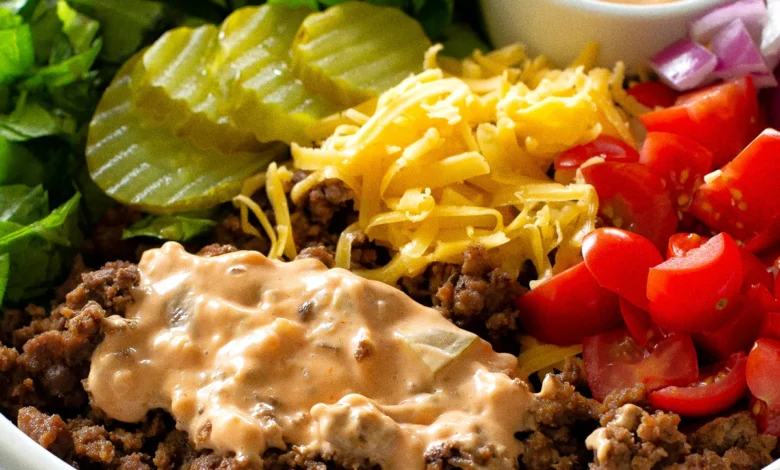
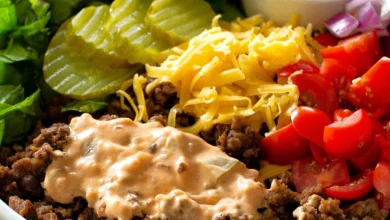
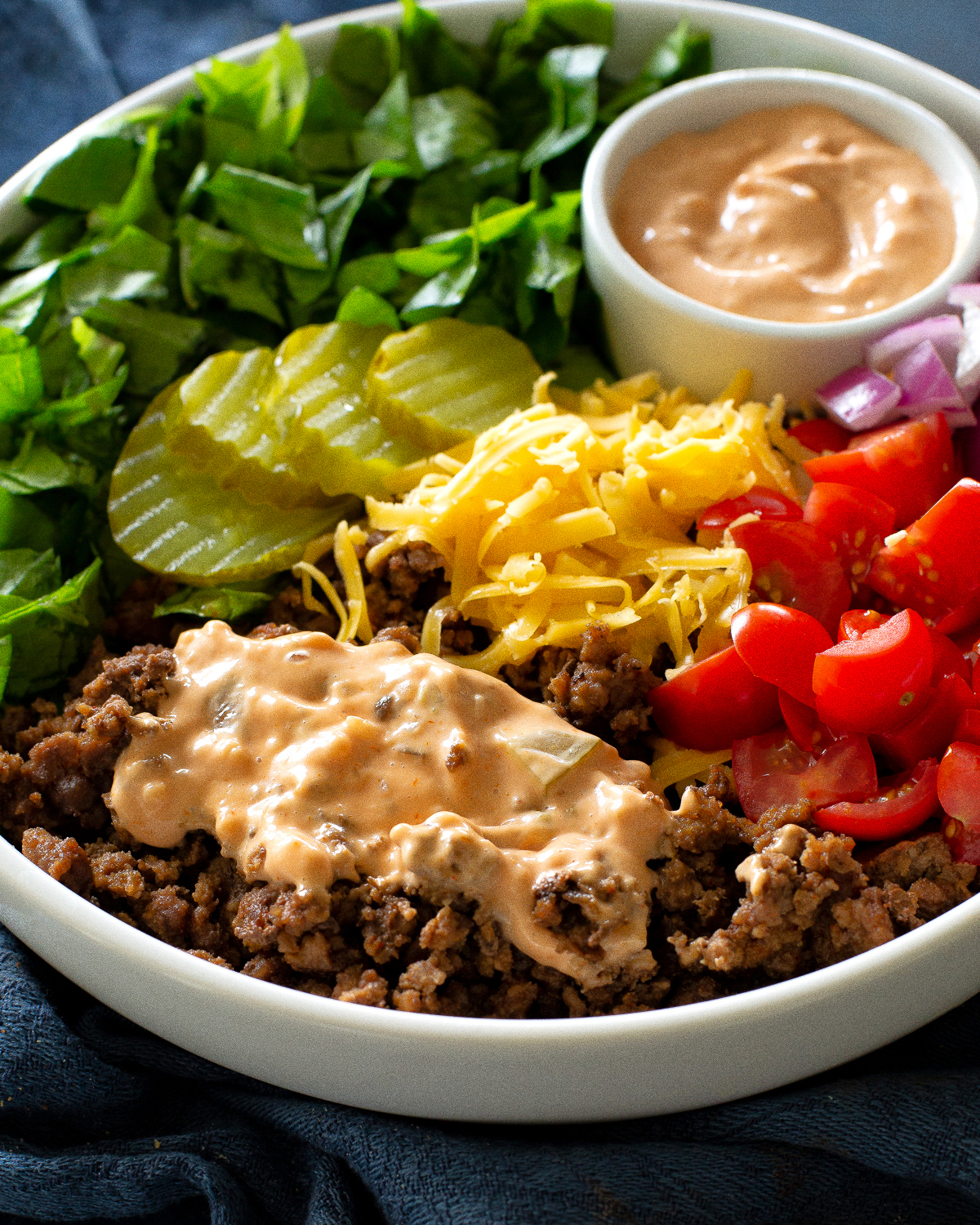
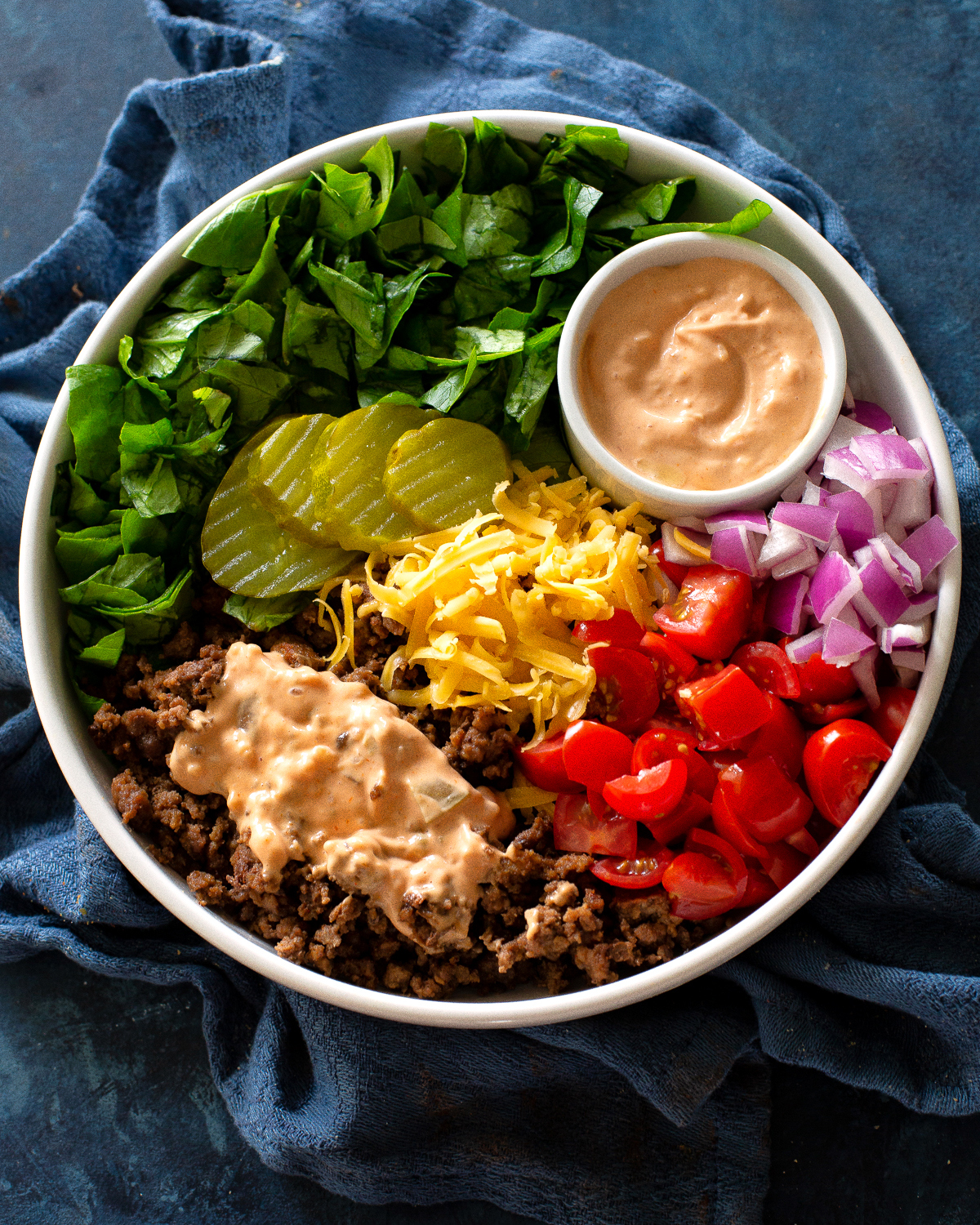
The contemporary culinary landscape is currently witnessing a significant shift toward the "deconstruction" of classic American staples, a trend most prominently exemplified by the rising popularity of the burger bowl. This gastronomic movement, which prioritizes the essential flavors of a traditional cheeseburger while omitting the traditional carbohydrate-heavy bun, represents a intersection of convenience, health-conscious dietary adjustments, and the modernization of family meal planning. The burger bowl, specifically a version popularized by culinary developer Christy Denney, consists of seasoned ground beef, fresh tomatoes, pickles, onions, and cheddar cheese, unified by a proprietary-style burger sauce designed to replicate the sensory experience of fast-food dining within a domestic setting.
The Rise of the Deconstructed Meal Trend
The transition from the traditional handheld hamburger to the bowl format is not merely a stylistic choice but a reflection of broader socio-cultural shifts in eating habits. Over the last decade, the "bowl" has become a dominant vessel in both fast-casual dining and home cooking. This trend began with the proliferation of grain bowls and poke bowls, eventually extending to comfort foods like the burger. By removing the bread, consumers are able to focus on high-protein content and fresh vegetable toppings, aligning with various dietary frameworks such as ketogenic, paleo, and gluten-free diets.
In the case of the Denney model, the recipe was developed over several years as a staple for high-energy household demands. The impetus for its wider publication came from a younger demographic—specifically a college-aged student—highlighting the appeal of this meal format to Gen Z and millennial consumers who value high-protein, customizable, and "Instagrammable" meals that do not require the structural integrity of a traditional sandwich.
Comprehensive Nutritional Analysis and Macronutrient Distribution
A detailed examination of the nutritional data for a standard serving of a burger bowl reveals a profile that is distinctly different from its fast-food counterparts. Based on a four-serving yield, a single portion of this meal contains approximately 565 calories. The macronutrient breakdown is particularly telling of its role in a modern diet:
- Protein Content: At 32 grams per serving, the burger bowl serves as a significant source of protein, essential for muscle repair and satiety.
- Carbohydrate Profile: The meal contains 14 grams of carbohydrates, of which 3 grams are fiber and 8 grams are sugars. This is a drastic reduction compared to a standard fast-food cheeseburger, which typically contains 35 to 50 grams of carbohydrates primarily sourced from refined flour in the bun.
- Lipid Profile: Total fat content is recorded at 42 grams, with 13 grams of saturated fat. While high, this is consistent with beef-based dishes. The presence of 13 grams of polyunsaturated fat and 12 grams of monounsaturated fat suggests a complex lipid profile influenced by both the meat and the oil-based burger sauce.
- Micronutrients and Minerals: The bowl is exceptionally high in Vitamin A (6,954 IU) and contains notable amounts of Vitamin C (16 mg), Calcium (279 mg), and Iron (4 mg). However, the sodium content is significant at 1,198 mg, representing roughly 50% of the recommended daily intake for an average adult, a factor largely attributed to the pickles, cheese, and seasoned sauce.
The Science of Flavor: Replicating the Fast-Food Experience
The primary appeal of the burger bowl lies in its ability to trigger the "craveability" factor associated with major fast-food chains. This is achieved through a strategic combination of acidity, fat, and umami. The "burger sauce"—a creamy, tangy emulsion—functions as the culinary bridge between the hot, savory beef and the cold, crisp vegetables.
The inclusion of pickles and onions provides the necessary acetic acid and sulfurous crunch to cut through the richness of the ground beef and cheddar cheese. Food scientists note that this specific combination of textures (the crunch of the lettuce and pickles versus the softness of the beef and cheese) and temperatures (hot meat versus cold toppings) is a hallmark of successful commercial food engineering. By replicating these variables at home, the burger bowl satisfies psychological cravings for "junk food" while providing a higher density of fresh micronutrients.
Chronology of Culinary Adaptation
The development of the burger bowl can be traced through several stages of domestic and commercial evolution:
- The Low-Carb Revolution (Early 2000s): The initial "bunless burger" appeared on menus as a response to the Atkins and South Beach diets, often served as a lettuce-wrapped patty.
- The Fast-Casual Bowl Era (2010-2015): Establishments like Chipotle and various Mediterranean chains normalized the "bowl" as a premium, customizable alternative to sandwiches.
- The Social Media Catalyst (2016-Present): Digital food influencers began "deconstructing" recipes to make them more visually appealing for platforms like Instagram and Pinterest. The "Big Mac Salad" or "Burger Bowl" became a viral sensation due to its vibrant colors and health-conscious framing.
- Domestic Standardization: Recipes like Denney’s represent the final stage of this evolution, where the dish moves from a trendy alternative to a standard weekly dinner rotation for families, even incorporating "fries" within the bowl to increase child-friendly appeal.
Economic and Practical Implications for the Modern Household
From a socio-economic perspective, the burger bowl addresses several challenges currently facing the average household. As food inflation impacts the cost of dining out, families are increasingly looking for ways to recreate "restaurant-style" meals at home. The burger bowl utilizes relatively affordable ingredients—ground beef, iceberg or romaine lettuce, and shelf-stable condiments—to produce a high-volume meal that mimics a more expensive retail experience.
Furthermore, the "bowl" format facilitates efficient meal prepping. Unlike a traditional burger, which becomes soggy if stored with its bun, the components of a burger bowl can be prepped in bulk and assembled at the moment of consumption. This makes it an ideal solution for college students and working professionals who require "grab-and-go" options that maintain their textural integrity over several days.
Official Responses and Culinary Expert Insights
While there are no official "government" responses to the burger bowl, nutritionists and culinary experts have frequently commented on the trend. Dietitians generally praise the format for increasing vegetable consumption, as the "bowl" naturally encourages a higher ratio of greens to meat than a sandwich would allow.
However, some health experts caution against the high sodium and saturated fat levels found in many "secret sauces" and seasoned beef recipes. The consensus among the health community is that while the burger bowl is a superior alternative to processed fast food, consumers should be mindful of portion sizes regarding cheese and high-calorie dressings.
Broader Impact on the Food Industry
The popularity of dishes like the burger bowl is forcing a reaction from the traditional fast-food industry. Major chains have begun to offer "protein styles" or "power bowls" to capture the market share of consumers who are moving away from bread. This shift indicates a long-term change in the American palate, where the flavor profile of the hamburger remains a cultural icon, but the delivery mechanism (the bun) is becoming optional.
In conclusion, the burger bowl is more than a simple recipe; it is a manifestation of modern dietary priorities. By combining the nostalgic flavor profile of an American classic with the functional benefits of a nutrient-dense bowl, it addresses the contemporary demand for meals that are simultaneously indulgent and health-aware. As home cooks continue to refine these deconstructed classics, the boundary between "fast food" and "functional food" continues to blur, creating a new standard for the American dinner table.