
Baked Pork Chops In Mushroom Sauce

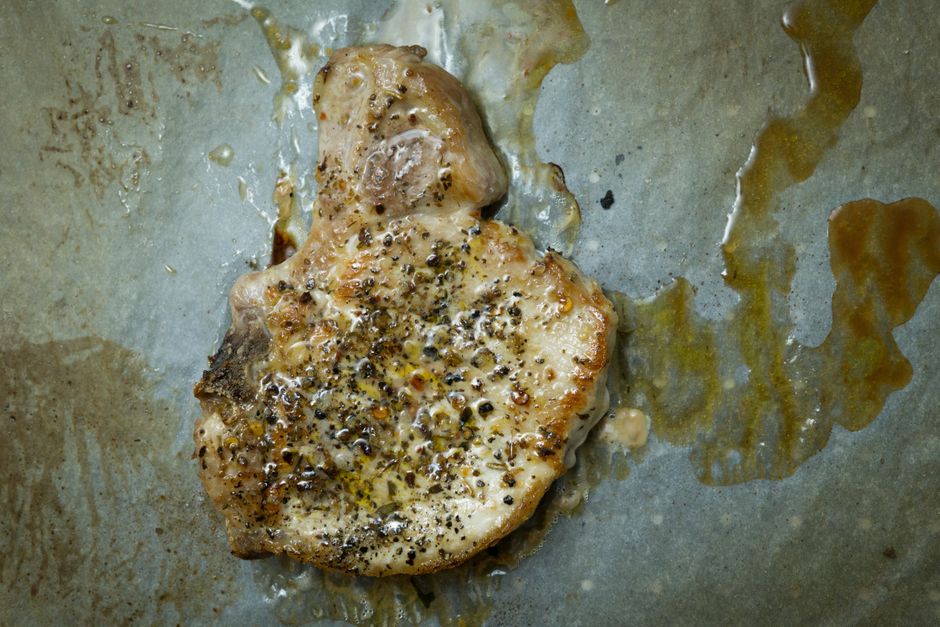
Mastering the Art of Baked Pork Chops with Creamy Mushroom Sauce: A Comprehensive Culinary Guide
Baked pork chops, when executed with precision and paired with a luxurious mushroom sauce, transcend the ordinary to become a centerpiece of any meal. This guide delves deep into the nuances of achieving perfectly cooked pork chops, exploring various cuts, seasoning techniques, and baking methodologies, all while mastering the creation of a rich, savory, and deeply satisfying mushroom sauce. Understanding the fundamental principles of pork cookery, from internal temperatures to resting periods, is paramount. Pork chops, inherently lean, can quickly transition from succulent to dry if overcooked. Therefore, vigilance and a keen understanding of doneness indicators are essential. The choice of pork chop cut significantly influences the cooking process and the final texture. Bone-in chops, such as rib chops or loin chops, tend to retain more moisture due to the presence of the bone and its insulating properties. The bone also imparts additional flavor during the baking process. Boneless pork chops, while offering convenience and quicker cooking times, require a more attentive approach to prevent drying. Common boneless cuts include pork loin chops and tenderloin medallions.
The foundation of any great baked pork chop lies in its seasoning. A simple yet effective approach involves a generous application of salt and freshly cracked black pepper. The salt not only enhances the natural pork flavor but also aids in retaining moisture through a process known as osmosis. For added depth, consider a dry rub. A classic rub might include garlic powder, onion powder, paprika (sweet or smoked for a deeper flavor profile), and a pinch of cayenne pepper for a subtle kick. Marinades offer another avenue for infusing flavor and tenderizing the meat. Acidic components like lemon juice, vinegar, or buttermilk can break down tough muscle fibers, while oil-based marinades help distribute fat-soluble flavors and prevent sticking during baking. Herbs, such as rosemary, thyme, and sage, complement pork beautifully and can be incorporated into rubs, marinades, or directly into the baking dish. The key is to allow sufficient marination time, typically a few hours or overnight in the refrigerator, to allow the flavors to penetrate.
The baking process itself is a critical stage. Preheating the oven to the correct temperature is non-negotiable. A common range for baking pork chops is between 375°F (190°C) and 400°F (200°C). Higher temperatures promote a quicker sear, creating a more desirable crust, while slightly lower temperatures offer a gentler cook, potentially resulting in a more evenly cooked interior. The thickness of the pork chop will dictate the precise baking time. Thicker chops (1 to 1.5 inches) will require longer cooking periods. A meat thermometer is an indispensable tool for ensuring pork chops are cooked to a safe and palatable internal temperature. For pork, the USDA recommends a minimum internal temperature of 145°F (63°C) followed by a three-minute rest. However, many culinary professionals advocate for cooking pork to 150°F (65°C) to 155°F (68°C) for a slightly more tender and moist result, still well within safe parameters. Overcooking beyond 160°F (71°C) will inevitably lead to dry, unappetizing pork.
The importance of resting the pork chops after baking cannot be overstated. This crucial step allows the juices, which have been driven to the center of the chop during cooking, to redistribute throughout the meat. Tent the baked pork chops loosely with aluminum foil and let them rest for at least 5 to 10 minutes. This resting period is also when the mushroom sauce is typically prepared, allowing the flavors to meld and the sauce to achieve its perfect consistency.
The mushroom sauce, the silken counterpoint to the savory pork, elevates this dish to gourmet status. The selection of mushrooms plays a significant role in the sauce’s flavor profile. While common white button mushrooms are accessible and provide a mild earthy flavor, consider exploring varieties like cremini, shiitake, or even a mix of wild mushrooms for a more complex and intense taste. Cremini mushrooms offer a deeper, more robust flavor than white buttons, while shiitakes impart a distinct umami richness. A medley of mushrooms will offer a symphony of textures and tastes.
The foundation of a great mushroom sauce often begins with sautéing aromatics. Finely minced garlic and shallots are ideal. Shallots, with their delicate sweetness, offer a nuanced flavor compared to the stronger bite of onions. Sautéing these in butter or a combination of butter and olive oil until softened and translucent releases their fragrance and lays the groundwork for the sauce’s flavor. The mushrooms are then added, typically sliced or quartered depending on their size. It’s crucial to cook the mushrooms until they release their moisture and begin to brown. This browning process, known as the Maillard reaction, is essential for developing deep, savory flavors. Avoid overcrowding the pan, as this will steam the mushrooms rather than sauté them, resulting in a less desirable texture and flavor.
Once the mushrooms are nicely browned and their liquid has evaporated, the deglazing process begins. This involves adding a liquid to the hot pan to lift any browned bits from the bottom, which are packed with flavor. A dry white wine, such as Sauvignon Blanc or Pinot Grigio, is a classic choice for deglazing, adding acidity and complexity. Alternatively, chicken or vegetable broth can be used. Allow the liquid to simmer and reduce by about half, concentrating its flavor.
The creamy element of the sauce is typically achieved through the addition of heavy cream or a combination of heavy cream and milk. For a richer, more decadent sauce, opt for heavy cream exclusively. For a slightly lighter option, a blend of half-and-half or even whole milk can be used, though the sauce may be thinner. The cream is added after the deglazing liquid has reduced, and the sauce is then simmered gently until it thickens to the desired consistency. Stirring frequently prevents scorching. A thickening agent, such as a roux (equal parts butter and flour cooked together) or a cornstarch slurry (cornstarch mixed with cold water), can be used if a thicker sauce is desired. However, with proper reduction of the liquids, a thickener may not be necessary.
Seasoning the mushroom sauce is as important as seasoning the pork chops. Salt and freshly cracked black pepper are essential, but consider additional flavor enhancers. A splash of Worcestershire sauce can introduce a complex umami note. Fresh herbs, such as thyme or parsley, chopped and stirred in at the end, add freshness and visual appeal. A squeeze of fresh lemon juice can brighten the flavors and cut through the richness of the cream. Taste and adjust seasoning as needed throughout the cooking process.
The final presentation of baked pork chops with mushroom sauce is an opportunity to showcase culinary artistry. Arrange the rested pork chops on a serving platter. Spoon a generous portion of the warm mushroom sauce over each chop, ensuring some of the succulent mushrooms are visible. Garnish with fresh chopped parsley or chives for a pop of color and herbaceousness.
Serving Suggestions and Pairings:
The versatility of baked pork chops with mushroom sauce allows for a wide range of accompaniments. Classic pairings include:
- Mashed Potatoes: Creamy, buttery mashed potatoes are a perfect canvas for soaking up the rich mushroom sauce. Consider garlic mashed potatoes or Parmesan mashed potatoes for an extra layer of flavor.
- Roasted Vegetables: Asparagus, green beans, Brussels sprouts, or root vegetables like carrots and parsnips, roasted until tender and slightly caramelized, provide a healthy and flavorful counterpoint.
- Rice Pilaf: A delicate rice pilaf, infused with subtle herbs and aromatics, offers a lighter alternative to potatoes.
- Crusty Bread: A warm, crusty baguette or sourdough is ideal for sopping up any lingering sauce.
- Pasta: While perhaps less traditional, a light pasta dish, such as angel hair or linguine, can also work as a side.
Variations and Culinary Adaptations:
While this recipe focuses on a classic approach, numerous variations can be explored:
- Herbal Infusions: Experiment with different fresh herbs in both the pork chop seasoning and the mushroom sauce. Rosemary, tarragon, and chives can offer distinct flavor profiles.
- Spicy Kick: Incorporate red pepper flakes into the pork chop seasoning or a pinch of cayenne pepper into the mushroom sauce for a subtle heat.
- Bacon Lardons: Add crispy cooked bacon lardons to the mushroom sauce for an added layer of savory richness and texture.
- Sherry or Brandy: Instead of white wine for deglazing, consider a splash of dry sherry or brandy for a more complex flavor profile in the mushroom sauce.
- Dijon Mustard: A tablespoon of Dijon mustard stirred into the mushroom sauce can add a tangy zest.
- Cheese: For an even more indulgent sauce, consider stirring in a small amount of grated Parmesan or Gruyère cheese at the end.
- Pork Chop Marinades: Explore marinades beyond the basic. A teriyaki marinade, a balsamic glaze, or a lemon-herb marinade can dramatically alter the pork chop’s flavor before baking.
Troubleshooting Common Issues:
- Dry Pork Chops: This is the most common pitfall. Ensure you are not overcooking. Use a meat thermometer and adhere to recommended internal temperatures. Resting the chops is also crucial.
- Watery Mushroom Sauce: Insufficient browning of the mushrooms or not allowing enough evaporation after deglazing can lead to a watery sauce. Cook mushrooms until their liquid has evaporated and the sauce has reduced sufficiently.
- Sauce Not Thickening: If the sauce remains too thin after simmering, a cornstarch slurry or a roux can be used as a last resort. Ensure proper ratios when making a roux to avoid a pasty texture.
- Mushrooms Too Soft/Mushy: Overcrowding the pan during sautéing can lead to steamed mushrooms. Cook mushrooms in batches if necessary to ensure proper browning and texture.
By understanding the fundamental techniques, experimenting with flavor profiles, and paying attention to detail, you can consistently create exceptional baked pork chops with a luscious mushroom sauce that will impress even the most discerning palates. This dish, when prepared with care, offers a comforting yet elegant dining experience, proving that simple ingredients, expertly handled, can yield extraordinary results. The interplay of tender pork, savory seasoning, and the rich, earthy notes of the mushroom sauce creates a harmonious culinary experience that is both satisfying and memorable.


