
Cucumber And Onion Relish

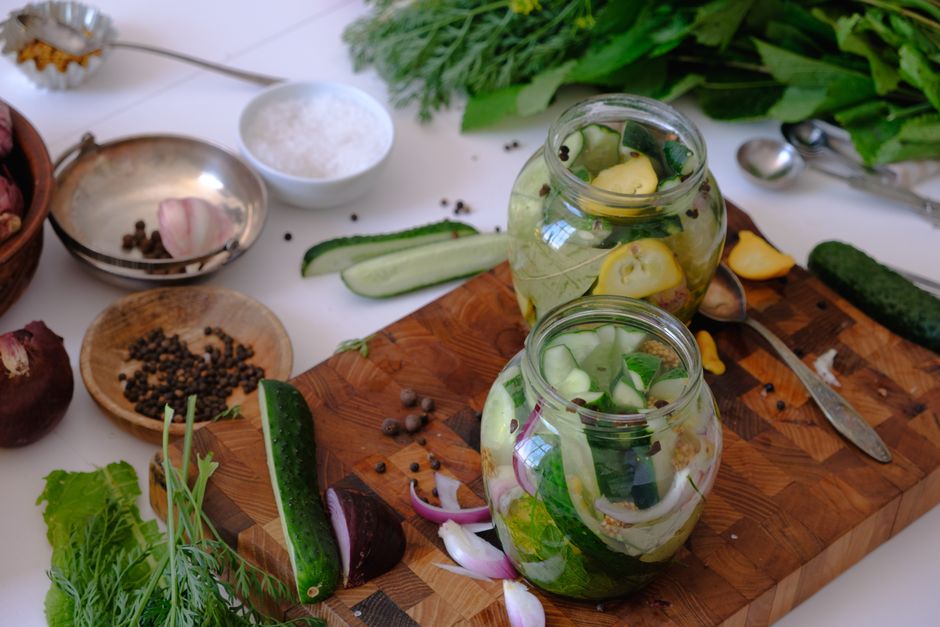
Cucumber and Onion Relish: A Zesty Condiment for Culinary Enhancement
Cucumber and onion relish is a versatile, bright, and tangy condiment that elevates a wide array of dishes. Its refreshing crunch and balanced sweet-and-sour profile make it an indispensable accompaniment to grilled meats, sandwiches, salads, and even as a topping for savory appetizers. This relish, often a no-cook preparation, relies on the natural crispness of fresh cucumbers and the pungent sweetness of onions, harmonized with vinegar, sugar, and spices. The simplicity of its ingredients belies its complex flavor, offering a palate-cleansing counterpoint to richer foods. Understanding the core components, preparation methods, and flavor variations of cucumber and onion relish unlocks its full culinary potential.
The primary ingredients, cucumbers and onions, form the foundation of this relish. Cucumbers, with their high water content and mild flavor, provide a refreshing, hydrating base. The choice of cucumber significantly impacts the relish’s texture and taste. English cucumbers, with their thin, edible skin and fewer seeds, are often preferred for their smooth texture and less watery consistency. Persian cucumbers, smaller and crisper, also lend themselves well to relish. For a more pronounced cucumber flavor, pickling cucumbers, with their thicker skin and more robust flesh, can be used, though seeding might be necessary to avoid a bitter aftertaste. The onion component brings a pungent, slightly sweet character. Red onions, with their vibrant color and milder, sweeter taste when raw, are a popular choice for their aesthetic appeal and delicate flavor. Yellow or sweet onions can also be used, offering a more assertive onion presence. Shallots, with their subtle, garlicky notes, provide an even more nuanced flavor profile. The interplay between the cool cucumber and the sharp onion is what defines the relish’s characteristic zest.
Beyond the foundational vegetables, the pickling liquid is crucial for both flavor and preservation. Vinegar is the cornerstone of this liquid, providing the essential acidity that balances the sweetness and cuts through richness. White distilled vinegar is a common choice for its neutral flavor and high acidity, ensuring a clean, bright taste. Apple cider vinegar introduces a subtle fruitiness and a warmer, more complex tang. Rice vinegar offers a milder, slightly sweeter acidity, ideal for those who prefer a less assertive vinegary note. The sugar element, typically granulated white sugar, balances the tartness of the vinegar and enhances the natural sweetness of the onions. Other sweeteners like honey or maple syrup can be introduced for distinct flavor profiles, though they might alter the clarity and shelf-life of the relish. Salt is indispensable for drawing out moisture from the vegetables, firming their texture, and enhancing all the other flavors. Spices and seasonings are where creativity truly shines. Common additions include mustard seeds, which release a pungent, slightly bitter note, and celery seeds, which contribute a subtle, herbaceous aroma. Black peppercorns, whether whole or ground, add a warming heat. Dill, fresh or dried, is a classic pairing with cucumber, bringing an unmistakable herbaceous freshness. Other spices that can be incorporated include coriander seeds for a citrusy warmth, red pepper flakes for a touch of heat, and even a pinch of turmeric for color and a mild earthy note.
The preparation of cucumber and onion relish typically involves a simple process of chopping, salting, and mixing. The vegetables are usually finely diced or thinly sliced to ensure even distribution of flavors and a pleasant texture. Salting is a critical step that draws excess moisture out of the cucumbers, preventing a watery relish and firming their crispness. This is often achieved by layering the chopped cucumbers with salt in a colander and allowing them to drain for a period, typically 30 minutes to an hour. The onions are also sometimes salted, depending on their pungency and desired outcome. After draining, the vegetables are thoroughly rinsed to remove excess salt and then gently squeezed to remove any remaining moisture. The pickling liquid, a mixture of vinegar, sugar, and spices, is then prepared. This can be done either by heating the ingredients to dissolve the sugar and meld the flavors, or by simply whisking them together for a no-cook relish. The drained vegetables are then combined with the pickling liquid and allowed to marinate. The marination time is crucial for the flavors to meld and the vegetables to soften slightly while retaining their crunch. A minimum of an hour is usually recommended, but overnight refrigeration allows for the most developed flavor.
The versatility of cucumber and onion relish stems from its adaptability to various cuisines and occasions. It serves as an exceptional topping for hamburgers and hot dogs, providing a refreshing contrast to the savory richness of grilled meats. In sandwiches, it adds a vibrant burst of flavor and texture, particularly with tuna salad, egg salad, or cold cuts. Its bright acidity makes it a welcome addition to fatty dishes, such as pulled pork or fried chicken, helping to cut through the richness and cleanse the palate. As a side condiment, it pairs beautifully with roasted or grilled vegetables, offering a zesty counterpoint. It can also be incorporated into potato salads and coleslaws to impart a lively, tangy dimension. For a more sophisticated application, it can be served with smoked salmon, seared scallops, or even alongside cheese platters, adding a bright, acidic element that complements the complexity of the other components. The visual appeal of a well-made cucumber and onion relish, with its vibrant colors and distinct textures, also contributes to its culinary desirability.
Beyond the classic preparations, numerous variations of cucumber and onion relish exist, catering to diverse palates and culinary trends. Some recipes incorporate fresh herbs like parsley, chives, or mint, adding further layers of herbaceousness and aroma. The addition of finely chopped bell peppers, such as red or yellow, can introduce a subtle sweetness and additional textural complexity. For a spicier kick, jalapeños or serrano peppers, finely diced and seeded, can be added to the relish, offering a significant heat component. Garlic, minced or crushed, can be introduced for a more pungent and savory flavor profile. Some regional variations might include additions like horseradish for a sharp, sinus-clearing bite or even a hint of mustard powder for a more pronounced mustard flavor. The choice of vinegar also significantly influences the final taste. A balsamic vinegar, while less traditional, can impart a rich, syrupy sweetness and a deeper, more complex flavor, though it might result in a darker, less vibrant relish. Experimentation with different ratios of vinegar to sugar allows for customization of the sweetness and tartness, catering to individual preferences.
The SEO potential of "cucumber and onion relish" lies in its specificity and the broad culinary appeal of its components. Keywords such as "easy cucumber relish recipe," "homemade onion relish," "quick relish," "condiment for sandwiches," "topping for hot dogs," and "savory relish" can be integrated naturally within the content. Discussing the health benefits of cucumbers, such as hydration and low calorie content, can also attract health-conscious readers. Highlighting the preservation aspects, like "refrigerator pickle relish" or "shelf-stable relish," can appeal to those interested in food preservation. The term "zesty" and "tangy" are descriptive adjectives that searchers often use when looking for flavor profiles. Including variations like "spicy cucumber relish" or "sweet onion relish" further broadens the keyword reach. The visual appeal of the relish can be emphasized with descriptions that lend themselves to image searches, such as "vibrant relish" or "colorful cucumber relish."
The shelf life and storage of cucumber and onion relish are important considerations for home cooks. Properly prepared and stored in an airtight container in the refrigerator, a no-cook relish typically lasts for several weeks. The acidity of the vinegar acts as a natural preservative, inhibiting the growth of spoilage microorganisms. Over time, the vegetables will continue to soften, and the flavors will deepen. It’s advisable to taste the relish periodically to assess its quality and flavor development. If any signs of spoilage, such as mold, off-odors, or a change in texture, are detected, the relish should be discarded. For longer-term storage, some recipes might involve a canning process, which sterilizes the relish and allows for shelf-stable storage at room temperature. However, for most home preparations, refrigeration is the standard and most practical method. The key to maximizing shelf life lies in ensuring that the vegetables are thoroughly drained of moisture before combining them with the pickling liquid and that the relish is stored in a clean, airtight container.
In conclusion, cucumber and onion relish is a culinary cornerstone, offering a delightful balance of crispness, tang, and sweetness. Its ease of preparation, coupled with its remarkable versatility, makes it a valuable addition to any kitchen. From simple weeknight meals to elaborate gatherings, this zesty condiment has the power to transform ordinary dishes into extraordinary culinary experiences. The ability to customize its flavor profile through ingredient selection and spice combinations ensures that cucumber and onion relish can be tailored to a wide range of tastes and preferences, solidifying its status as a universally appreciated condiment.


