
Lemon Poppy Seed Cake

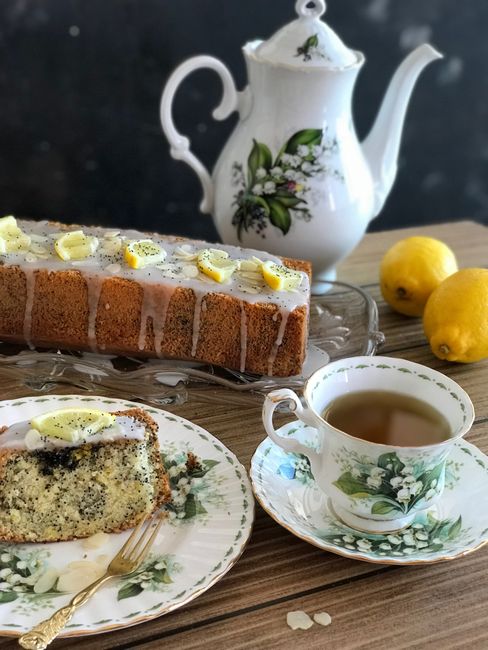
Lemon Poppy Seed Cake: A Zesty, Textured Culinary Delight
Lemon poppy seed cake stands as a testament to the power of simple, yet brilliant, flavor combinations. Its appeal lies in the harmonious marriage of bright, tangy lemon and the subtle, nutty crunch of poppy seeds, all bound together in a tender, moist crumb. This classic cake transcends seasons and occasions, gracing brunch tables, afternoon tea spreads, and celebratory gatherings with its vibrant presence. Understanding the nuances of its ingredients, preparation, and variations is key to achieving a truly exceptional bake, one that delights both the palate and the eye. The foundation of any great lemon poppy seed cake is the quality of its citrus. Fresh lemons are paramount, their zest providing concentrated bursts of aromatic oil that imbue the cake with its signature fragrance and flavor. The juice, too, plays a crucial role, contributing tartness and moisture. The poppy seeds, while seemingly unassuming, are the textural counterpoint, offering a delightful pop with every bite, preventing the cake from becoming one-dimensional. Their earthy undertones complement the sweetness of the sugar and the richness of the butter or oil.
The art of making lemon poppy seed cake often begins with the creaming method, a foundational technique in baking that involves whipping butter and sugar together until light and fluffy. This process aerates the mixture, creating tiny air pockets that contribute to a lighter, more tender cake texture. The softened butter, at room temperature, should be pale yellow and have a creamy consistency. Granulated sugar, when creamed with the butter, dissolves partially, contributing to the sweetness and encouraging further aeration. Egg incorporation follows, typically one at a time, allowing each egg to be fully emulsified into the butter-sugar mixture before adding the next. Eggs provide structure, richness, and act as a binder. Their protein content coagulates during baking, setting the cake’s form. For lemon poppy seed cake, the lemon zest is often added at this stage, allowing the oils to infuse into the fat and sugar, maximizing their flavor impact.
The dry ingredients, typically all-purpose flour, baking powder, and salt, are usually whisked together separately. Baking powder is the primary leavening agent, producing carbon dioxide gas when heated, causing the cake to rise. Salt, while a flavor enhancer, also balances the sweetness and can subtly strengthen gluten development in the flour. The moist ingredients, often a combination of milk or buttermilk, and sometimes sour cream or yogurt, provide additional moisture and tenderness. Buttermilk, with its slight acidity, reacts with the baking soda (if used in conjunction with baking powder) to create a more tender crumb. The method of combining the wet and dry ingredients is critical. Often, the dry ingredients are added to the wet in alternating additions, starting and ending with the dry. This technique, known as the "muffin method" or a variation thereof, prevents overmixing, which can develop the gluten in the flour too much, leading to a tough cake. A gentle folding motion is preferred.
The poppy seeds are typically stirred in at the very end of the mixing process, ensuring they are evenly distributed throughout the batter without being crushed or overmixed. The quantity of poppy seeds can vary greatly depending on personal preference. Some recipes call for a mere tablespoon or two for a subtle hint, while others demand a quarter cup or more for a pronounced textural element. The batter for lemon poppy seed cake is usually thick but pourable. It’s then transferred into a prepared baking pan. Loaf pans, Bundt pans, and round cake pans are all suitable, each offering a slightly different aesthetic and baking characteristic. Grease and flouring the pan, or lining it with parchment paper, is essential for easy release and to prevent sticking.
Baking time and temperature are crucial variables. A moderate oven temperature, typically around 325-350°F (160-175°C), is ideal for lemon poppy seed cake. Too high a temperature can cause the outside to cook too quickly while the inside remains undercooked, or lead to excessive browning. Too low a temperature can result in a cake that is too dense and dry. The cake is done when a toothpick or cake tester inserted into the center comes out clean. The cooling process is equally important. Allowing the cake to cool in the pan for 10-15 minutes before inverting it onto a wire rack to cool completely helps prevent it from breaking or collapsing. This gradual cooling allows the cake’s internal structure to stabilize.
The lemon poppy seed cake is not merely a base for frosting; its inherent flavors are often celebrated through simpler adornments. A classic glaze is a popular choice, often made with powdered sugar and fresh lemon juice. The acidity of the lemon juice cuts through the sweetness of the powdered sugar, creating a balanced and tangy coating that complements the cake perfectly. The consistency of the glaze can be adjusted by varying the ratio of lemon juice to powdered sugar. A thinner glaze will create a more delicate coating, while a thicker one will provide a more substantial layer. Another popular accompaniment is a simple dusting of powdered sugar, which highlights the cake’s golden-brown hue and offers a subtle sweetness without overwhelming the lemon and poppy seed flavors. For those seeking a richer topping, a cream cheese frosting or a lemon buttercream can be employed, though these should be applied judiciously to avoid masking the cake’s primary flavors.
Variations on the classic lemon poppy seed cake abound, catering to different dietary needs and flavor preferences. Gluten-free versions can be achieved by substituting all-purpose flour with a gluten-free blend, often incorporating ingredients like almond flour, rice flour, or tapioca starch. Ensuring proper binding agents, such as xanthan gum, are included is vital for structure in gluten-free baking. Vegan adaptations can be made by replacing eggs with flax eggs (ground flaxseed mixed with water) or commercial egg replacers, and butter with plant-based butter or oil. Dairy milk can be substituted with almond milk, soy milk, or oat milk. The inherent tanginess of lemon can also be amplified by incorporating a lemon curd filling or a lemon syrup soak. A lemon syrup, made by simmering lemon juice and sugar, can be brushed over the warm cake to infuse it with extra moisture and a more intense lemon flavor.
The poppy seeds themselves can be prepared in various ways. Some bakers advocate for toasting the poppy seeds lightly before adding them to the batter. This process can enhance their nutty flavor and aroma, adding another layer of complexity to the cake. However, care must be taken not to burn them, as this can result in a bitter taste. The size of the poppy seeds also plays a role in their visual and textural impact. Smaller, finer poppy seeds will distribute more evenly and provide a subtler crunch, while larger seeds will be more prominent.
The history of lemon poppy seed cake, while not definitively documented, likely emerged from European baking traditions, where citrus fruits and seeds were readily available and utilized in confectionery. The combination of lemon and poppy seeds is a natural pairing, with the tartness of the lemon balancing the earthiness of the seeds, a common practice in many savory and sweet dishes. The cake’s popularity surged with advancements in home baking and the accessibility of ingredients like baking powder, which allowed for lighter, more consistent results. Its enduring appeal lies in its straightforward elegance and the universally beloved combination of bright citrus and satisfying texture.
From a nutritional perspective, while lemon poppy seed cake is an indulgence, the poppy seeds do offer some beneficial nutrients. They are a source of dietary fiber, manganese, calcium, and magnesium. The lemon provides Vitamin C. However, like most cakes, it is primarily a source of carbohydrates and fats, and should be enjoyed in moderation as part of a balanced diet.
The versatility of lemon poppy seed cake extends beyond its consumption. It can be a canvas for creative decoration. Using edible flowers, candied lemon slices, or a delicate drizzle of contrasting icing can elevate its visual appeal for special occasions. The dense crumb of a well-made lemon poppy seed cake also makes it suitable for toasting and serving with butter or jam, offering a delightful breakfast or snack option. The inherent moistness of the cake ensures it remains enjoyable even when stored for a few days. Proper storage, in an airtight container at room temperature, helps maintain its freshness. Refrigeration is generally not recommended unless it is frosted with a cream cheese or dairy-based frosting, as it can dry out the cake.
The process of making lemon poppy seed cake is often seen as a therapeutic endeavor. The rhythmic whisking, the zesting of the lemon, the fragrant aroma that fills the kitchen as it bakes – all contribute to a satisfying culinary experience. It’s a recipe that can be passed down through generations, a cherished part of family traditions. The simplicity of its core ingredients belies the depth of flavor and texture it offers, making it a timeless classic that continues to win hearts and palates. The key to mastering lemon poppy seed cake lies in understanding the interplay of its components and executing each step with care and attention. From selecting the freshest lemons to achieving the perfect crumb, every detail contributes to the final, delicious outcome.


