Slow Cooker Mojo Pork
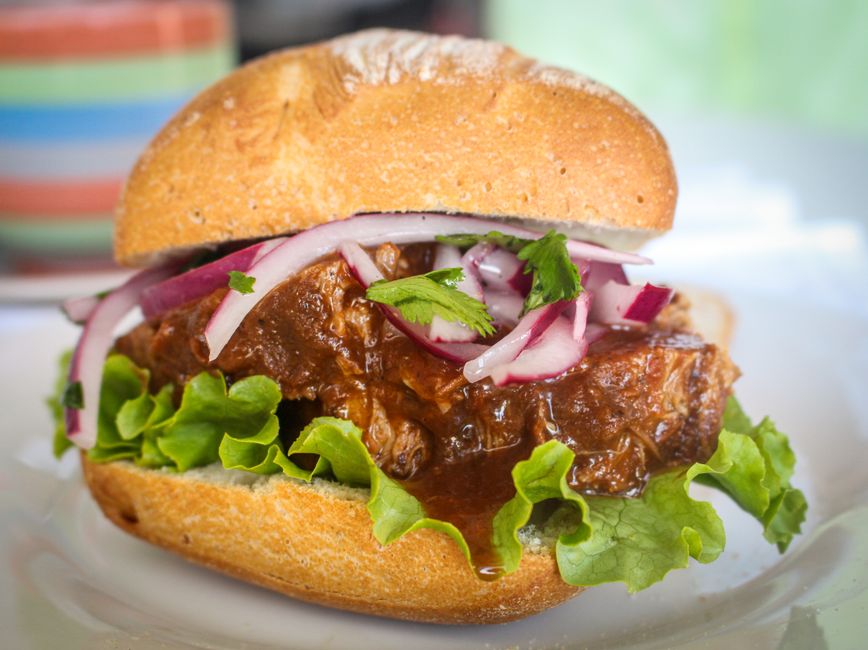
Slow Cooker Mojo Pork: A Comprehensive Guide to Authentic Cuban Flavor
Slow cooker mojo pork, a cornerstone of Cuban cuisine, offers a remarkably simple yet deeply flavorful way to prepare this succulent roast. The magic lies in the mojo marinade, a vibrant concoction of citrus, garlic, and spices that tenderizes and infuses the pork with an unforgettable tangy, garlicky essence. This guide provides a thorough exploration of the dish, from ingredient selection and preparation to slow cooker techniques, serving suggestions, and troubleshooting, ensuring anyone can achieve restaurant-quality results at home. Understanding the fundamentals of a classic mojo marinade is paramount. At its heart, mojo is a blend of sour orange juice (or a combination of orange and lime/lemon juice to mimic its tang), abundant minced garlic, oregano, cumin, and salt. Some variations include black pepper, bay leaves, or even a touch of vinegar. The goal is to create a robust, acidic base that breaks down the pork’s connective tissues, yielding unparalleled tenderness, while simultaneously imparting a complex flavor profile.
The pork cut is crucial for successful slow cooker mojo pork. Shoulder, also known as Boston butt or pork butt, is the undisputed champion for this recipe. Its generous marbling of fat renders down during the slow cooking process, basting the meat and preventing it from drying out, resulting in an exceptionally moist and flavorful result. Look for a cut with good intramuscular fat distribution. A boneless pork shoulder can be easier to handle and cut, but a bone-in shoulder will often yield even deeper flavor. The size of the pork shoulder will dictate cooking time, so it’s important to factor this into your planning. Aim for a piece that will fit comfortably in your slow cooker, leaving a little room for the marinade to circulate.
Preparing the pork shoulder for the slow cooker involves a few key steps to maximize flavor absorption. First, trim away any excessive, hard fat caps. While some fat is desirable for moisture and flavor, large, thick layers can sometimes remain unpleasantly chewy. Pat the pork shoulder thoroughly dry with paper towels. This step is vital for allowing the mojo marinade to adhere to the surface of the meat and for achieving a better sear, if you choose to brown the pork beforehand. Seasoning the pork generously with salt and freshly ground black pepper before applying the mojo is another important step that enhances the overall taste. The salt draws out some moisture initially, which then mixes with the seasoning, creating a flavorful brine that penetrates the meat.
The mojo marinade is the soul of this dish. To prepare it, you’ll need fresh ingredients for the most vibrant flavor. For the citrus component, traditionalists insist on sour oranges, also known as Seville oranges. Their distinct tartness is balanced by a subtle sweetness. If sour oranges are unavailable, a common and effective substitute is to combine fresh orange juice (about 2 parts) with fresh lime juice or lemon juice (about 1 part). The acidity from the citrus is critical for tenderizing the pork. Next, a substantial amount of garlic is essential. Do not be shy with the garlic; it’s a defining characteristic of mojo. Mince it finely or use a garlic press for optimal diffusion. Dried oregano, preferably Mexican oregano for its earthier notes, and ground cumin are the foundational spices. Black pepper, freshly ground, adds a gentle warmth. For a more complex flavor, consider adding a bay leaf. Whisk all these ingredients together in a bowl. The ratio of citrus to garlic and spices can be adjusted to personal preference, but a good starting point is roughly 1 cup of citrus juice, 8-10 cloves of minced garlic, 1 tablespoon of dried oregano, 1 teaspoon of ground cumin, and a generous pinch of salt and black pepper.
For optimal flavor, it’s highly recommended to marinate the pork overnight, or for at least 4-6 hours. Place the dried and seasoned pork shoulder in a large zip-top bag or a non-reactive container. Pour the prepared mojo marinade over the pork, ensuring it is fully submerged. Seal the bag or cover the container and refrigerate. The longer the pork marinates, the deeper the flavor will penetrate. This marination process is where the magic truly begins, transforming a humble cut of pork into something extraordinary.
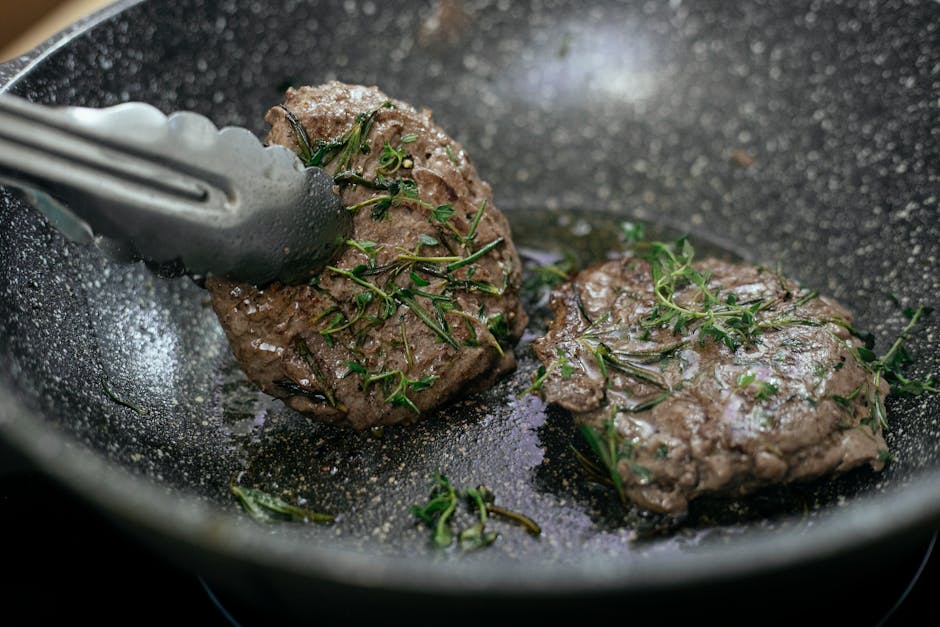
Browning the pork shoulder before slow cooking is an optional but highly recommended step that significantly enhances the final flavor and texture. This process, known as the Maillard reaction, creates a savory crust on the exterior of the meat, adding depth and complexity that slow cooking alone cannot replicate. Heat a few tablespoons of high-smoke-point oil (like canola, vegetable, or avocado oil) in a large, heavy-bottomed skillet or Dutch oven over medium-high heat. Once the oil is shimmering, carefully sear the pork shoulder on all sides until deeply browned and caramelized. This will take several minutes per side. Don’t overcrowd the pan; work in batches if necessary to ensure proper browning. This step contributes significantly to the overall richness of the dish and is well worth the extra effort.
Once browned, transfer the seared pork shoulder to the basin of your slow cooker. Pour any remaining mojo marinade from the browning pan over the pork. If you skipped the browning step, simply place the marinated pork shoulder directly into the slow cooker and pour the marinade over it. Ensure the pork is nestled comfortably in the slow cooker. You can add additional liquid to the slow cooker if desired, though the marinade often provides sufficient moisture. A small amount of chicken or vegetable broth, or even water, can be added if you are concerned about dryness, but it is generally not necessary with pork shoulder.
The cooking process in the slow cooker is where patience yields delicious rewards. Cook the mojo pork on the LOW setting for 8-10 hours, or on the HIGH setting for 4-6 hours. The exact cooking time will depend on the size of your pork shoulder and your specific slow cooker model. The goal is to cook the pork until it is fork-tender, meaning it can be easily shredded with a fork. Resist the urge to lift the lid frequently, as this releases heat and prolongs the cooking time. The slow, moist heat of the slow cooker gently breaks down the connective tissues in the pork, resulting in incredibly tender and succulent meat.
After the pork has reached optimal tenderness, remove it from the slow cooker and place it on a cutting board or in a large bowl. The pork should be so tender that it falls apart easily. Using two forks, shred the pork into bite-sized pieces. Discard any large pieces of fat or connective tissue that did not render down. At this stage, you can strain the cooking liquid from the slow cooker, skim off any excess fat, and then return some of the flavorful liquid to the shredded pork to keep it moist. This liquid is intensely flavored and adds another layer of deliciousness to the finished dish. Some people prefer to reserve the liquid for making gravy or sauces.
Serving slow cooker mojo pork offers a multitude of delicious possibilities, reflecting its versatility in Cuban and Latin American cuisine. The most traditional pairing is with arroz moro (Moorish rice), a dish of rice and black beans cooked together. The tangy pork complements the earthy rice and beans perfectly. Another classic accompaniment is tostones (twice-fried plantains), which provide a satisfying crispy contrast to the tender pork. The shredded mojo pork can be served simply alongside these traditional sides, or it can be incorporated into other dishes.
Beyond traditional pairings, shredded mojo pork is an excellent filling for Cuban sandwiches. Layer it on Cuban bread with ham, Swiss cheese, pickles, and mustard, then press it until golden and melty. It’s also fantastic as a topping for rice bowls, tacos, or even loaded baked potatoes. The vibrant flavor profile makes it a welcome addition to many culinary creations. Don’t underestimate the power of the reserved cooking liquid. It can be reduced into a flavorful sauce or used as a base for other dishes.
Troubleshooting common issues can help ensure perfect results every time. If the pork is dry, it’s likely due to cooking time or cut selection. Ensure you are using a well-marbled cut like pork shoulder and that you haven’t overcooked it. If the flavor is too bland, consider increasing the garlic, citrus, and spices in the mojo marinade. Next time, marinate for longer. If the pork is not tender, it simply needs more cooking time. Patience is key with slow cooking. Ensure your slow cooker is functioning correctly and set to the appropriate temperature. Overcrowding the slow cooker can also lead to uneven cooking and less flavorful results.
Storage and reheating are straightforward. Leftover slow cooker mojo pork can be stored in an airtight container in the refrigerator for up to 3-4 days. Reheat gently in a saucepan over low heat with a splash of additional liquid, or in the microwave, ensuring it doesn’t dry out. Freezing is also an option; store in freezer-safe containers for up to 2-3 months. Thaw overnight in the refrigerator before reheating.
The economic benefits of slow cooker mojo pork are also noteworthy. Pork shoulder is typically one of the more affordable cuts of pork, and the slow cooker method allows you to transform a budget-friendly cut into a restaurant-quality meal. This makes it an ideal option for feeding a crowd or for meal prepping. The extended cooking time also allows for hands-off preparation, freeing up valuable time in the kitchen.
To optimize for search engines, consider using relevant keywords throughout the article. Terms like "slow cooker pork recipe," "Cuban mojo pork," "easy pork shoulder recipe," "tender shredded pork," "citrus marinated pork," and "best slow cooker pork" will help users find this comprehensive guide. The detailed breakdown of ingredients, steps, and serving suggestions, combined with practical tips and troubleshooting, contributes to its SEO value by providing comprehensive and useful information. The use of clear headings and subheadings further enhances readability and search engine crawlability. The inherent value of a well-written, informative article that addresses user intent is a primary driver of SEO success.
In conclusion, slow cooker mojo pork is a culinary triumph that marries simplicity with profound flavor. By understanding the nuances of ingredient selection, marinade preparation, and slow cooking techniques, anyone can master this beloved dish. Its adaptability in serving, affordability, and inherent deliciousness make it a perennial favorite for home cooks seeking authentic and satisfying meals. The fundamental principles outlined herein provide a robust framework for creating exceptional slow cooker mojo pork, ensuring a consistently flavorful and tender outcome.