
Pork Chops In Garlic Mushroom Sauce

Pork Chops in Garlic Mushroom Sauce: A Culinary Masterpiece
Pork chops, a versatile and beloved cut of meat, reach peak deliciousness when bathed in a rich, aromatic garlic mushroom sauce. This recipe transcends simple weeknight meals, elevating humble pork chops into a restaurant-quality dish that impresses with its depth of flavor and elegant presentation. The key lies in harmonizing the savory earthiness of mushrooms, the pungent kick of garlic, the subtle sweetness of onions, and the creamy richness of the sauce, all perfectly complementing the tender, juicy pork. This exploration delves into the nuances of preparing this dish, from selecting the ideal pork chops to mastering the art of the sauce, offering a comprehensive guide for home cooks seeking to recreate this culinary triumph.
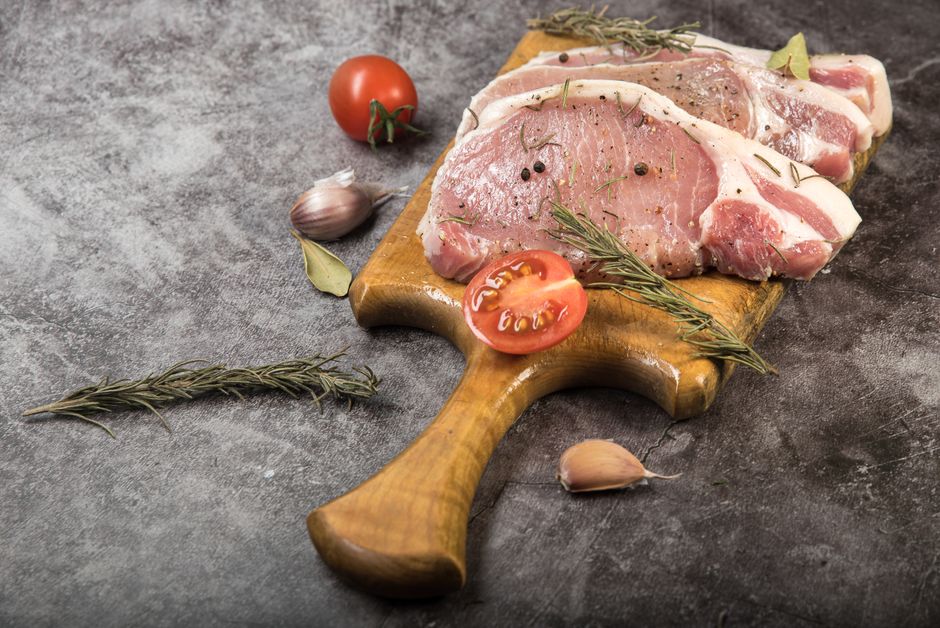
The foundation of any exceptional pork chop dish begins with the selection of the pork itself. Bone-in or boneless? Thick-cut or thin-cut? Each choice impacts the cooking time and final texture. For this garlic mushroom sauce preparation, bone-in pork chops are often preferred. The bone not only imparts extra flavor as it cooks but also helps to insulate the meat, preventing it from drying out and contributing to a more succulent result. Opt for chops that are at least 1 to 1.5 inches thick. Thicker chops allow for a wider margin of error during cooking, making it easier to achieve a perfectly cooked interior without overcooking the exterior. Look for pork with good marbling, those small flecks of fat distributed throughout the meat. This intramuscular fat renders during cooking, basting the chop from within and contributing significantly to its juiciness and flavor. Avoid chops that appear excessively lean, as they are more prone to dryness. When purchasing, observe the color. Fresh pork should have a pinkish-red hue. Avoid any meat that appears greyish or overly pale. The fat cap, if present, should be firm and white. For the garlic mushroom sauce, the pork chops will be seared to develop a beautiful crust, locking in juices and providing a textural contrast to the tender interior. This initial searing step is crucial for flavor development.
Mushrooms, the star of the sauce, offer a diverse range of flavors and textures that can be leveraged for maximum impact. While common button mushrooms are readily available and acceptable, exploring varieties like cremini (baby bellas), shiitake, or even a blend can elevate the sauce considerably. Cremini mushrooms offer a slightly more intense, earthy flavor than button mushrooms and a firmer texture. Shiitake mushrooms bring a distinct umami depth and a chewier bite. For a truly complex flavor profile, consider using a mix of mushrooms. Clean mushrooms gently with a damp paper towel or a soft brush; avoid washing them under running water, as they absorb moisture and can become waterlogged, hindering their ability to brown properly. Slice the mushrooms uniformly to ensure they cook evenly and integrate seamlessly into the sauce. The size of the slices can be adjusted to personal preference, but a medium slice is generally recommended for optimal texture and sauce consistency.
Garlic, another cornerstone of this recipe, provides its characteristic pungent aroma and savory bite. Fresh garlic is non-negotiable for optimal flavor. Pre-minced garlic from a jar often lacks the vibrancy and intensity of freshly minced cloves. The amount of garlic can be adjusted to individual taste, but a generous quantity is essential to infuse the sauce with its signature flavor. Mince the garlic finely, or even consider crushing it with the side of a knife before mincing for a more intense release of its essential oils. When sautéing the garlic, it’s important to do so with care to avoid burning. Burnt garlic turns bitter, negatively impacting the entire dish. A gentle sauté over medium-low heat until fragrant is the goal.
The aromatic foundation for the sauce is typically built with onions or shallots. Shallots, with their milder, sweeter flavor and delicate texture, are a superb choice for a refined sauce. They caramelize beautifully, adding a subtle sweetness that balances the savory elements. Finely dice the shallots or onions to ensure they soften and become translucent without becoming overly dominant in the sauce. Sautéing them until they are soft and translucent, often referred to as "sweating" them, releases their natural sugars and creates a smooth base for the sauce. This step, performed before the mushrooms are added, allows the onions/shallots to cook through without competing for browning space with the mushrooms.
The cooking process for the pork chops themselves is a critical determinant of their succulence. A common and highly effective method involves pan-searing followed by a brief braise or oven finish. Begin by patting the pork chops thoroughly dry with paper towels. This is a crucial step for achieving a good sear. Moisture on the surface of the meat will steam it rather than sear it, preventing the development of a desirable golden-brown crust. Season the pork chops generously on both sides with salt and freshly ground black pepper. The salt helps to draw out moisture initially, which then reabsorbs, seasoning the meat more deeply. Heat a heavy-bottomed skillet, preferably cast iron, over medium-high heat. Add a high-smoke-point oil, such as canola, vegetable, or grapeseed oil. Once the oil is shimmering, carefully place the seasoned pork chops into the hot skillet. Avoid overcrowding the pan; cook the chops in batches if necessary to ensure proper searing. Sear for approximately 3-4 minutes per side, or until a deep golden-brown crust has formed. The exact searing time will depend on the thickness of the chops and the heat of your skillet.
Once the pork chops are seared, they are often removed from the skillet temporarily while the sauce is prepared. This allows for precise control over the sauce-making process and prevents the pork from overcooking while the sauce simmers. The same skillet used for searing the pork chops is ideal for building the sauce, as it will retain the flavorful fond, those browned bits stuck to the bottom of the pan, which will dissolve into the sauce, adding immense depth of flavor. After removing the pork, reduce the heat to medium. Add a bit more oil if the pan is dry, and then add the diced shallots or onions. Sauté until softened and translucent, about 3-5 minutes. Next, add the minced garlic and cook for another minute until fragrant, being careful not to burn it.
The mushrooms are then introduced to the skillet. Sauté the mushrooms, stirring occasionally, until they release their moisture and begin to brown, developing a rich, earthy flavor. This browning process is essential for maximizing their taste. Once the mushrooms are well-cooked and slightly browned, it’s time to deglaze the pan. This involves adding a liquid to the hot skillet to dissolve the browned bits (fond) from the bottom. A dry white wine, such as Sauvignon Blanc or Pinot Grigio, is an excellent choice for deglazing. Its acidity cuts through the richness and adds a bright note to the sauce. Alternatively, chicken or beef broth can be used, or even water in a pinch, though wine will contribute the most complex flavor. Pour in the liquid and scrape the bottom of the skillet with a wooden spoon, releasing all those flavorful browned bits. Let the liquid simmer and reduce by about half, allowing the alcohol to evaporate and the flavors to concentrate.
Now, the creamy element of the sauce is introduced. Heavy cream is the classic choice for its richness and ability to create a luscious, velvety texture. Half-and-half can be used for a slightly lighter sauce, but it may not achieve the same level of decadence. Pour the heavy cream into the skillet and bring the sauce to a gentle simmer. Stir in any desired herbs, such as fresh thyme or rosemary, which complement the earthy flavors of the mushrooms and garlic beautifully. Season the sauce with salt and freshly ground black pepper to taste. The sauce should thicken as it simmers. If it becomes too thick, a splash of broth or water can be added to thin it out. If it’s not thick enough, a cornstarch slurry (1 tablespoon cornstarch mixed with 2 tablespoons cold water) can be whisked in and simmered until thickened.
Once the sauce has reached the desired consistency and seasoning, the seared pork chops are returned to the skillet. Nestle them into the sauce, ensuring they are at least partially submerged. Spoon some of the sauce over the tops of the chops. Cover the skillet and let the pork chops simmer gently in the sauce for a few minutes, allowing them to finish cooking through and absorb the flavors of the sauce. The exact simmering time will depend on the thickness of the chops and whether they were fully cooked during the initial searing. For bone-in chops, aim for an internal temperature of 145°F (63°C) for medium-rare to medium, or slightly higher if preferred. Using an instant-read thermometer is the most accurate way to ensure proper doneness. Overcooked pork chops will be dry and tough, so vigilant monitoring is key.
For serving, the pork chops are typically placed on a plate, with a generous ladleful of the garlic mushroom sauce spooned over the top. The glistening sauce, studded with tender mushrooms and flecked with herbs, is visually appealing and promises a burst of flavor. This dish pairs exceptionally well with a variety of side dishes. Creamy mashed potatoes are a classic accompaniment, their smooth texture and mild flavor acting as a perfect canvas for the rich sauce. Roasted vegetables, such as asparagus, broccoli, or Brussels sprouts, offer a healthy and vibrant contrast. A simple side salad with a light vinaigrette can also provide a refreshing counterpoint to the richness of the pork and sauce. For a more substantial meal, consider serving with pasta, like fettuccine or pappardelle, to soak up every last drop of the delicious sauce.
The versatility of pork chops in garlic mushroom sauce extends beyond basic preparation. Variations on the sauce itself can introduce exciting new dimensions. A splash of Dijon mustard can add a tangy complexity. A touch of Worcestershire sauce can deepen the umami notes. For a touch of heat, a pinch of red pepper flakes can be incorporated. If a dairy-free option is desired, a cashew cream or coconut milk can be substituted for heavy cream, though this will alter the flavor profile. For a richer, more robust sauce, a splash of brandy or sherry can be added during the deglazing process. The key to successful adaptation lies in understanding the balance of flavors and adjusting ingredients incrementally.
In conclusion, pork chops in garlic mushroom sauce represent a harmonious confluence of simple ingredients transformed into an extraordinary meal. The careful selection of pork, the skillful preparation of aromatic vegetables and earthy mushrooms, and the creation of a luxurious, flavorful sauce all contribute to its enduring appeal. This recipe is a testament to the fact that with a little attention to detail and a commitment to quality ingredients, even a seemingly straightforward dish can achieve culinary greatness, satisfying discerning palates and creating memorable dining experiences. The rich, savory, and deeply satisfying nature of this dish makes it a perennial favorite, a comforting yet sophisticated choice that consistently delights.


