
What Is A Butter Bell

What is a Butter Bell? The Essential Guide to Soft Butter on Demand
A butter bell, also known by several other names including a butter crock, butter keeper, or butter dish with water seal, is a specialized kitchen utensil designed to store butter at room temperature while preventing it from spoiling or becoming contaminated. Its primary function is to provide consumers with soft, spreadable butter without the need for refrigeration. The core of its design lies in a two-piece system: an outer crock and an inner insert. The inner insert holds the butter and fits snugly into the outer crock, which is then filled with water. This water creates an airtight seal, effectively blocking out oxygen and preventing the butter from oxidizing and going rancid. Simultaneously, by being submerged in water, the butter is kept at a consistent, cool room temperature, ideal for spreading.
The traditional butter bell, and the most common design, operates on a simple yet effective principle of anaerobic storage. The inner bell, typically ceramic, has a lid that is inverted to hold a stick of butter. This bell is then placed inside a larger crock filled with a specific amount of water. When the bell is seated, the water level rises and creates a barrier, isolating the butter from the air. Oxygen is the main culprit behind butter spoilage, leading to rancidity and an unpleasant taste and smell. By excluding oxygen, the butter bell significantly extends the shelf life of butter at room temperature. This is particularly advantageous for households that consume butter regularly and prefer the convenience of having it ready to spread at any moment, rather than waiting for chilled butter to soften.
The history of the butter bell can be traced back to European culinary traditions, where preserving food at room temperature was a common practice before the widespread availability of refrigeration. While the exact origin is debated, similar butter-keeping devices existed for centuries. The modern iteration, as we know it today, gained significant popularity in the late 20th century, offering a practical and aesthetic solution for butter storage. Many butter bells are designed with aesthetics in mind, serving not just as a functional item but also as a decorative piece on the kitchen counter or dining table. They come in a variety of colors, materials, and styles, from simple and minimalist to ornate and artisanal, allowing them to complement diverse kitchen décor.
The functionality of a butter bell is rooted in basic principles of food preservation and thermodynamics. The water seal is paramount. The water acts as a physical barrier, preventing air from reaching the butter. This is similar to how some other foods are preserved, such as olives in brine. The temperature of the water is also important. Ideally, the room temperature should be between 65-75°F (18-24°C) for optimal butter bell performance. In warmer climates or warmer kitchens, the butter may soften too much, while in cooler environments, it might remain too hard. The water itself helps to regulate the temperature of the butter, keeping it cooler than the ambient air. The ceramic material of most butter bells also contributes to temperature regulation due to its porous nature and ability to dissipate heat.
Using a butter bell is a straightforward process, once understood. First, the inner bell is filled with softened butter, usually by pressing a stick of butter into the inverted lid. It’s crucial to pack the butter firmly to avoid air pockets. The excess butter is then scraped off to ensure a flush surface. Next, the outer crock is filled with fresh, cool water, typically to a designated fill line or until it reaches the brim of the inner bell when inserted. The inner bell, with the butter-laden lid, is then carefully placed into the outer crock. The water will rise and create the seal. It is essential to change the water every 1-3 days, depending on the ambient temperature and humidity, to maintain freshness and prevent bacterial growth. Using fresh water also helps maintain the integrity of the seal and keeps the butter at the optimal temperature.
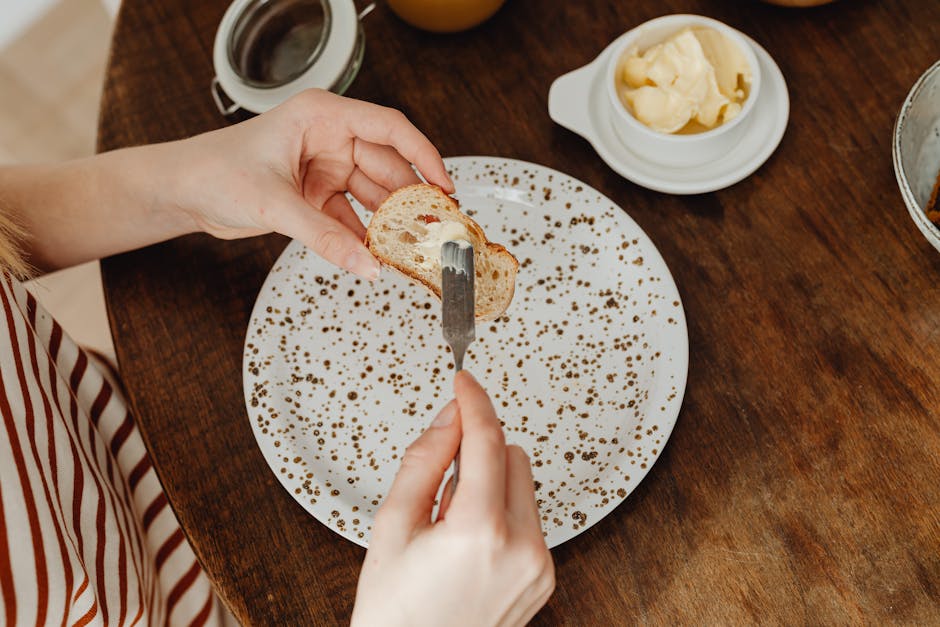
The benefits of using a butter bell are numerous and cater to various consumer needs. The most obvious advantage is having soft, spreadable butter readily available. This eliminates the frustration of trying to spread hard butter on toast, baked goods, or other items, which can tear delicate bread or lead to uneven distribution. For bakers and cooks, having softened butter is often a crucial ingredient for recipes requiring creaming butter and sugar, or for achieving the right texture in doughs and batters. Beyond convenience, butter bells can also be seen as a more natural and traditional method of storing butter, appealing to those seeking to reduce their reliance on refrigeration for certain items. This can contribute to minor energy savings, though this is not the primary driver for most users.
However, there are also considerations and potential drawbacks to be aware of when using a butter bell. The effectiveness is highly dependent on ambient room temperature. In very hot climates or during summer months, the butter might become too soft and even melt, defeating the purpose of the seal. Conversely, in very cold environments, the butter might still be too hard to spread easily. The system requires regular maintenance, specifically the daily or every-other-day changing of the water, which some users might find cumbersome. There’s also a learning curve to correctly packing the butter and ensuring a proper seal. If not packed correctly, air can still get in, leading to faster spoilage. Furthermore, butter stored in a butter bell is more susceptible to absorbing odors from the surrounding environment, so it’s important to keep the kitchen free of strong smells.
The materials commonly used for butter bells are primarily ceramic, but they can also be found in stoneware, porcelain, and even some plastics. Ceramic is a popular choice due to its durability, non-porous nature (when glazed), and its ability to maintain a consistent temperature. Stoneware and porcelain offer similar benefits. The glaze applied to ceramic butter bells is important as it seals the pores and prevents the ceramic from absorbing odors or moisture. The quality of the glaze and the thickness of the ceramic can impact the product’s longevity and its temperature-regulating properties. Some higher-end butter bells may also feature decorative elements like hand-painted designs or unique lid shapes.
The dimensions and capacity of butter bells can vary. Most are designed to hold a standard 1/2 cup (1 stick) of butter, which is common in the United States. However, some larger models are available, or those designed for European butter sticks, which are typically longer and thinner. The size of the outer crock also varies, influencing the overall footprint on the countertop. When choosing a butter bell, consider the amount of butter you typically use, the available counter space, and your personal aesthetic preferences.
The proper care and cleaning of a butter bell are essential for hygiene and longevity. After each use, the inner bell and lid should be thoroughly washed with warm, soapy water. It’s important to remove all butter residue to prevent the build-up of bacteria. The outer crock can also be washed similarly. Some ceramic butter bells are dishwasher safe, but it’s always advisable to check the manufacturer’s instructions. Handwashing is generally recommended to preserve the glaze and finish, especially for decorative pieces. Allowing the pieces to dry completely before reassembling is also important.
The popularity of butter bells can be attributed to several factors, including a growing interest in traditional food preservation methods, a desire for convenience in the kitchen, and the aesthetic appeal of these functional pieces. They offer a charming and practical alternative to refrigeration for a staple food item. The visual appeal of a butter bell on a kitchen counter, showcasing fresh butter ready for immediate use, is a significant draw for many consumers. It adds a touch of rustic elegance or modern simplicity, depending on the design.
When considering the optimal environment for a butter bell, it’s crucial to understand that it’s designed for room temperature storage, not for hot climates. Ideal conditions are typically found in temperate environments or air-conditioned kitchens. If your home tends to be warm, you might find that the butter softens too much, or even melts. In such cases, a butter bell might not be the most suitable solution, or you might need to be more diligent about changing the water and monitoring the butter’s consistency. Conversely, if you live in a very cool climate, the butter might remain too hard.
The term "butter bell" is a brand name that has become widely adopted as a generic term for this type of butter keeper. It was trademarked by the company Butter Bell Ltd. Therefore, technically, not all butter keepers that function in the same way are butter bells, but in common parlance, the terms are often used interchangeably. Other brand names for similar products might exist, but the underlying principle of the water-sealed butter crock remains the same.
In summary, a butter bell is a two-piece ceramic or stoneware container designed for storing butter at room temperature. It utilizes a water seal to create an anaerobic environment, preventing spoilage and oxidation, while keeping the butter at a consistently soft and spreadable temperature. Its historical roots in food preservation and its practical benefits for everyday use have cemented its place as a popular kitchen accessory for those who value convenience, tradition, and ready access to soft butter. Careful usage, regular water changes, and appropriate room temperatures are key to maximizing its effectiveness and ensuring the quality of the butter stored within.


