Baked Potato Soup With Rivels
The Ultimate Guide to Baked Potato Soup with Rivel Soup
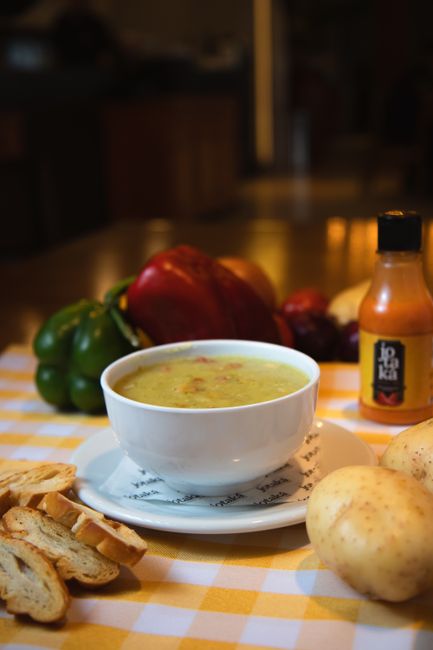
Baked potato soup with rivels is a hearty, comforting, and deeply satisfying dish, perfect for chilly evenings or any time a craving for classic, home-style cooking strikes. This recipe elevates the humble baked potato into a creamy, flavorful soup, studded with tender, doughy rivels. The combination of velvety potato, rich broth, and the unique texture of the rivels creates a culinary experience that is both rustic and refined. Understanding the components, the cooking process, and the variations allows for a truly exceptional bowl of soup.
The Foundation: Perfectly Cooked Potatoes
The success of baked potato soup hinges on the quality and preparation of the potatoes. Russet potatoes are the ideal choice due to their high starch content, which contributes to a creamy, thick texture when mashed or blended. Opt for medium to large-sized potatoes that are firm and free of blemishes. The "baked" aspect of the soup is crucial. While some recipes might boil the potatoes, baking them first imparts a deeper, more caramelized flavor that boiled potatoes simply cannot replicate. This roasting process concentrates the natural sugars in the potato, adding a nuanced sweetness and a wonderfully earthy aroma.
To bake the potatoes, preheat your oven to 400°F (200°C). Thoroughly wash and scrub the potatoes to remove any dirt. Pierce each potato several times with a fork. This allows steam to escape during baking, preventing them from bursting. For an extra crispy skin, which can be incorporated into the soup for added flavor and texture, rub the potatoes with a little olive oil and sprinkle with salt before baking. Place the potatoes directly on the oven rack or on a baking sheet. The baking time will vary depending on the size of the potatoes, but generally, they will take 45 to 75 minutes, or until they are tender when pierced with a fork. Allow the potatoes to cool slightly, then scoop out the flesh, leaving the skins behind (unless you plan to use them). The skins, if incorporated, add a delightful chewy texture and a hint of bitterness that balances the richness of the soup.
Building the Creamy Base: Aromatics and Fat
The flavor base of this soup is built upon a foundation of sautéed aromatics and a rich liquid. Begin by finely dicing a yellow onion and mincing several cloves of garlic. In a large pot or Dutch oven, melt butter over medium heat. The amount of butter will contribute to the richness of the soup. Add the diced onion and cook until softened and translucent, about 5-7 minutes. Avoid browning the onion at this stage; the goal is to gently sweat them to release their sweetness. Add the minced garlic and cook for another minute until fragrant, being careful not to burn it.
Once the aromatics are softened, it’s time to introduce the potatoes. Add the scooped-out potato flesh to the pot. For an extra layer of flavor, you can add crumbled cooked bacon at this stage. The rendered fat from the bacon will add a smoky depth to the soup.
The Liquid Element: Broth and Dairy
The liquid component of the soup is typically a combination of chicken or vegetable broth and some form of dairy for creaminess. Chicken broth provides a more robust flavor, while vegetable broth is a suitable vegetarian option. Use good quality broth for the best results. Pour enough broth into the pot to generously cover the potatoes and aromatics. The amount of broth will determine the final consistency of the soup. Start with a moderate amount, as you can always add more later.
For the dairy, heavy cream is the classic choice for achieving a luxurious, velvety texture. However, half-and-half or even milk can be used for a lighter version. Some recipes also incorporate sour cream or cream cheese for added tang and richness. Stir the dairy into the soup, ensuring it’s well combined.
Achieving Silky Smoothness: Blending Techniques
Once the ingredients are in the pot, the next step is to achieve that signature creamy texture. There are several effective blending methods. The most common is using an immersion blender directly in the pot. This is the easiest and least messy method. Carefully insert the immersion blender into the soup and blend until smooth and creamy. Be sure to keep the blender head submerged to avoid splattering.
Alternatively, you can carefully transfer the soup in batches to a regular blender. Fill the blender only about halfway, as hot liquids can expand. Remove the small cap from the blender lid and cover the opening with a folded kitchen towel to allow steam to escape. Blend until smooth. Return the blended soup to the pot. For a very rustic texture, you can mash some of the potatoes with a potato masher, leaving some chunks for variation.
The Star Addition: Making Rivel Soup
Rivel soup, also known as German spaetzle or dumplings, adds a unique and delightful textural dimension to baked potato soup. These small, chewy dumplings are incredibly simple to make and require just a few basic ingredients.
To make the rivels, whisk together one large egg, about ½ cup of all-purpose flour, and a pinch of salt in a small bowl. The consistency of the dough should be thick and sticky, but not runny. You may need to adjust the amount of flour slightly. The key is to create a dough that is just scoopable but holds its shape.
Once the soup is simmering and the potato base is blended, it’s time to add the rivels. Bring the soup to a gentle simmer. Using a small spoon or a teaspoon, drop small dollops of the rivel dough directly into the simmering soup. The rivels will cook and puff up as they simmer.
Simmering to Perfection: Cooking the Rivel Soup
Allow the rivels to simmer in the soup for about 5-10 minutes, or until they float to the surface and are cooked through. They should be tender and slightly chewy. Avoid overcooking, which can make them mushy. While the rivels are cooking, season the soup generously with salt and freshly ground black pepper. Taste and adjust seasonings as needed.
Optional Additions and Flavor Enhancements
The beauty of baked potato soup with rivels lies in its versatility. While the classic recipe is delicious on its own, there are numerous ways to customize it to your preferences.
Cheeses: Shredded cheddar cheese is a classic pairing. Stir it into the soup during the last few minutes of cooking, allowing it to melt and create a cheesy, gooey texture. Other excellent cheese options include Gruyère, Monterey Jack, or a sharp white cheddar.
Bacon: As mentioned earlier, crumbled cooked bacon is a must-have for many. It adds a salty, smoky crunch that complements the creamy soup perfectly.
Garnishes: Fresh chives or chopped green onions are essential for a burst of fresh flavor and color. A dollop of sour cream or Greek yogurt can add extra creaminess and a touch of tang. A sprinkle of paprika or a dash of hot sauce can also elevate the flavor profile.
Vegetables: While not traditional, you can incorporate other vegetables into the soup. Sautéed leeks or celery can add additional layers of flavor. Corn kernels, added during the last few minutes of cooking, can provide a sweet crunch.
Herbs: Fresh parsley or dill, chopped and stirred in just before serving, can add a bright, herbaceous note.
Spices: A pinch of nutmeg can add a subtle warmth. Smoked paprika can enhance the smoky notes, especially if you’re not using bacon.
Thickening Agents: If the soup isn’t as thick as you’d like, you can create a slurry by whisking together 1-2 tablespoons of cornstarch with an equal amount of cold water. Stir this slurry into the simmering soup and cook for a few minutes until it thickens. Alternatively, you can blend in an extra baked potato or a tablespoon of cream cheese.
Troubleshooting Common Issues
Even with straightforward recipes, issues can arise. Understanding how to address them ensures a perfect bowl of soup every time.
Too Thin: If your soup is too thin, the best course of action is to thicken it. As mentioned above, a cornstarch slurry is effective. Alternatively, you can mash more cooked potato and stir it in, or blend in a tablespoon of cream cheese. Allowing the soup to simmer uncovered for a while can also help some of the liquid evaporate, thus thickening the soup.
Too Thick: If the soup is too thick, simply thin it out by gradually adding more broth or milk until you reach your desired consistency.
Rivel Soup Sticking Together: If your rivels are clumping, it’s likely that the dough is too wet or the soup isn’t simmering gently enough. Ensure your dough is thick enough to hold its shape, and maintain a gentle simmer when dropping them in. Stirring the soup occasionally while the rivels cook can also help prevent sticking.
Lumpy Soup: Lumps in the soup usually occur if the potatoes weren’t cooked until very tender or if the blending wasn’t thorough. If you don’t have an immersion blender or a good blender, using a potato masher to break down the potatoes as much as possible before adding liquid can help.
The Perfect Serving Suggestion
Baked potato soup with rivels is a meal in itself, but it pairs wonderfully with a variety of accompaniments. A crusty baguette or sourdough bread is perfect for dipping into the creamy soup. A simple green salad with a light vinaigrette offers a refreshing contrast. For a more substantial meal, consider serving it alongside grilled cheese sandwiches or a ham sandwich. The comforting nature of this soup makes it ideal for sharing. Serve it hot, steaming, and generously garnished.
Nutritional Considerations and Variations
While a classic baked potato soup with rivels is rich and indulgent, there are ways to make it lighter or cater to specific dietary needs.
Lighter Version: Use low-fat milk or half-and-half instead of heavy cream. Reduce the amount of butter used. Incorporate more broth and fewer potatoes. Consider using leaner bacon or omitting it altogether.
Vegetarian/Vegan: For a vegetarian version, use vegetable broth. For a vegan version, omit the dairy entirely and use plant-based milk (such as unsweetened cashew or almond milk) and a vegan butter substitute. Ensure your bacon substitute is also vegan. Nutritional yeast can add a cheesy flavor without dairy.
Gluten-Free: For a gluten-free soup, simply omit the rivels or substitute them with gluten-free gnocchi or small pasta shapes. Ensure any thickening agents used are gluten-free.
The enduring appeal of baked potato soup with rivels lies in its ability to evoke a sense of warmth, comfort, and home. It’s a recipe that celebrates simple, wholesome ingredients, transforming them into something truly special. Whether you’re a seasoned cook or just starting out, this recipe is a rewarding endeavor that will undoubtedly become a favorite in your culinary repertoire. The combination of the creamy, flavorful potato base and the chewy, satisfying rivels creates a symphony of textures and tastes that is simply irresistible.