
Kale And Quinoa Salad

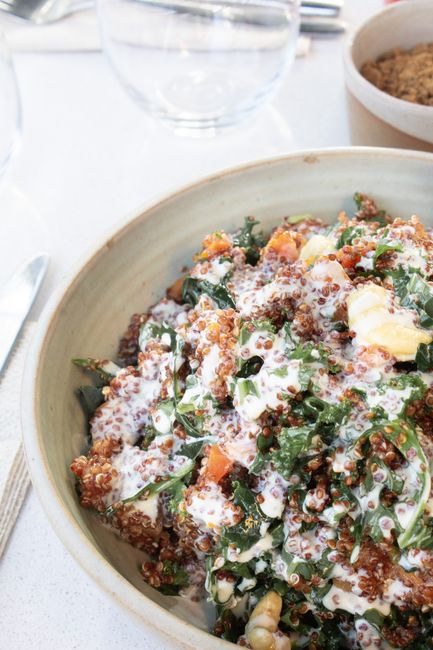
Kale Quinoa Salad: The Ultimate Nutritional Powerhouse and Culinary Chameleon
Kale quinoa salad transcends its simple description to become a culinary and nutritional titan. This dish, born from the union of two of the planet’s most nutrient-dense ingredients, offers a compelling synergy of flavors, textures, and health benefits. Kale, a cruciferous powerhouse, provides a robust foundation rich in vitamins A, C, and K, as well as an impressive array of antioxidants and fiber. Quinoa, a complete protein and ancient grain, contributes essential amino acids, complex carbohydrates for sustained energy, and further fiber. Together, they form a salad that is not only incredibly satisfying and delicious but also a potent weapon in the arsenal of healthy eating, supporting everything from immune function and bone health to digestive regularity and muscle development. The versatility of this salad is a key factor in its enduring popularity. It’s not a static recipe but a dynamic template, adaptable to a myriad of dietary preferences and seasonal ingredient availability. Whether aiming for a light lunch, a hearty main course, or a nutrient-packed side dish, the kale quinoa salad consistently delivers. Its ability to absorb dressings and flavors makes it an ideal canvas for a wide spectrum of culinary creativity, ensuring that it never becomes monotonous. This article will delve deep into the foundational components of this extraordinary salad, explore its extensive health advantages, provide foundational recipe structures, and discuss the myriad of customization options that elevate it from a simple meal to a personalized wellness experience.
The Nutritional Architects: Kale and Quinoa
At the heart of this salad lie kale and quinoa, each a champion in its own right. Kale, a member of the Brassica family, boasts an unparalleled nutrient profile. It is an exceptional source of Vitamin K, crucial for blood clotting and bone health, often surpassing daily recommended intake in a single serving. Its Vitamin A content, primarily in the form of beta-carotene, is vital for vision, immune function, and skin health. The significant presence of Vitamin C aids in collagen production and acts as a powerful antioxidant, combating free radical damage. Beyond vitamins, kale is laden with minerals like calcium, manganese, and potassium, contributing to overall physiological balance. Its fiber content, both soluble and insoluble, supports digestive health, promotes satiety, and helps regulate blood sugar levels. Moreover, kale contains glucosinolates, compounds that research suggests may have anti-cancer properties. The slight bitterness and robust texture of kale, when prepared correctly, add a sophisticated depth to the salad.
Quinoa, often hailed as a “supergrain,” stands out for its complete protein status, meaning it contains all nine essential amino acids that the human body cannot produce on its own. This makes it an invaluable protein source, particularly for vegetarians and vegans. It is also a good source of iron, magnesium, phosphorus, and zinc, all essential for various bodily functions, from energy production to immune support. Quinoa’s fiber content further bolsters its digestive benefits and contributes to sustained energy release, preventing the sharp spikes and crashes often associated with refined carbohydrates. Its mild, slightly nutty flavor and fluffy texture provide a pleasing contrast to the hearty kale, creating a balanced and satisfying mouthfeel. The combination of kale’s dense micronutrient profile and quinoa’s complete protein and complex carbohydrate structure creates a synergistic nutritional impact that few other salads can rival. This foundational pairing ensures that each serving of kale quinoa salad is a significant contributor to overall dietary well-being.
Crafting the Foundation: Basic Kale Quinoa Salad Recipe Structure
A fundamental kale quinoa salad recipe provides a solid starting point, easily adaptable to individual tastes and dietary needs. The core components involve preparing the kale and quinoa, followed by the integration of a simple, flavor-enhancing dressing.
Quinoa Preparation:
- Rinsing: Crucial for removing saponins, naturally occurring compounds that can impart a bitter taste. Rinse quinoa thoroughly under cold running water in a fine-mesh sieve until the water runs clear.
- Ratio: A standard ratio of 1 part quinoa to 2 parts liquid (water or broth) is optimal for cooking.
- Cooking: Bring the quinoa and liquid to a boil, then reduce heat, cover, and simmer for approximately 15-20 minutes, or until the liquid is absorbed and the quinoa is tender and fluffy.
- Resting: Allow the cooked quinoa to sit, covered, for 5 minutes off the heat before fluffing with a fork. This allows steam to redistribute, resulting in a lighter texture.
- Cooling: For salads, it’s best to let the quinoa cool to room temperature before combining with other ingredients to prevent wilting delicate components.
Kale Preparation:
- Washing and Drying: Thoroughly wash kale leaves and spin or pat them dry. Excess moisture can dilute the dressing.
- De-stemming: Remove the tough, woody stems by holding the base of the stem and pulling the leaves away.
- Chopping: Finely chop the kale leaves into bite-sized pieces. Smaller pieces are easier to chew and absorb dressing better.
- Massaging (Optional but Recommended): To tenderize kale and reduce its bitterness, a simple massaging technique is highly effective. Place the chopped kale in a bowl and add a small amount of olive oil (about 1 teaspoon per cup of kale) and a pinch of salt. Gently massage the kale with your hands for 2-3 minutes until it softens and darkens in color. This breaks down some of the tough cell walls.
Basic Dressing:
- Emulsion: A simple vinaigrette forms the backbone of many kale quinoa salads. A basic ratio of 3 parts olive oil to 1 part acid (lemon juice, apple cider vinegar, red wine vinegar) is a good starting point.
- Flavor Enhancers: Whisk in Dijon mustard for emulsification and tang, minced garlic for pungency, a touch of honey or maple syrup for sweetness, and salt and freshly ground black pepper to taste.
Assembly:
Combine the cooled, cooked quinoa and the massaged, chopped kale in a large bowl. Pour the dressing over the ingredients and toss thoroughly to ensure even coating. Allow the salad to sit for at least 10-15 minutes (or longer for more developed flavor) before serving to allow the ingredients to meld and the kale to further soften.
The extensive health benefits of kale quinoa salad are a primary driver of its popularity and justify its status as a staple in health-conscious diets. The synergistic effect of kale and quinoa creates a nutritional profile that supports a vast array of bodily functions. Kale’s potent antioxidant capacity, stemming from compounds like Vitamin C, beta-carotene, and flavonoids, plays a critical role in combating oxidative stress. This cellular damage, caused by free radicals, is implicated in chronic diseases, aging, and inflammation. By neutralizing these harmful molecules, kale helps protect cells and tissues from damage, contributing to long-term health and disease prevention.
The high fiber content in both kale and quinoa is paramount for digestive health. Fiber adds bulk to stool, promoting regular bowel movements and preventing constipation. It also acts as a prebiotic, feeding beneficial gut bacteria, which are increasingly recognized for their influence on immunity, mood, and overall well-being. Furthermore, the fiber in quinoa and kale contributes to satiety, helping individuals feel fuller for longer, which can be instrumental in weight management efforts by reducing overall calorie intake.
Quinoa’s status as a complete protein source is particularly significant. Protein is essential for building and repairing tissues, producing enzymes and hormones, and supporting immune function. For individuals who do not consume meat or animal products, quinoa offers a readily available and easily digestible source of all essential amino acids, crucial for muscle maintenance and growth. The complex carbohydrates in quinoa provide sustained energy release, avoiding the rapid blood sugar fluctuations associated with refined grains, making it an excellent choice for individuals managing diabetes or seeking stable energy levels throughout the day.
The mineral density of kale quinoa salad is another significant advantage. Kale is rich in calcium, vital for bone health, and potassium, which plays a role in blood pressure regulation. Quinoa contributes magnesium, essential for hundreds of biochemical reactions in the body, including energy production and muscle function, and iron, crucial for oxygen transport in the blood. This combination of macro- and micronutrients makes kale quinoa salad a truly comprehensive dietary intervention for supporting a healthy lifestyle.
Customization and Flavor Profiles: Elevating Your Kale Quinoa Salad
The true magic of kale quinoa salad lies in its unparalleled adaptability. It serves as a magnificent canvas, readily embracing a diverse range of additions that cater to every palate and dietary requirement. This chameleon-like quality ensures that the salad remains exciting and nourishing, preventing culinary stagnation.
Vegetable Additions:
The inherent heartiness of kale and quinoa allows for the incorporation of a vast spectrum of vegetables, adding color, texture, and an even broader range of micronutrients.
- Crunchy Elements: Thinly sliced bell peppers (red, yellow, orange), shredded carrots, diced celery, and thinly sliced radishes provide a satisfying textural contrast and a burst of freshness.
- Sweetness and Juiciness: Roasted sweet potatoes or butternut squash, diced apples or pears, and fresh berries (strawberries, blueberries, raspberries) introduce natural sweetness and a softer texture.
- Savory Notes: Cherry tomatoes (halved), corn kernels (fresh or roasted), roasted broccoli or cauliflower florets, and sautéed mushrooms add depth and umami.
- Pungent and Zesty: Finely diced red onion or shallots, chopped chives, or green onions offer a sharp counterpoint.
Protein Boosters:
While quinoa is a complete protein, augmenting the salad with additional protein sources can transform it into a more substantial meal.
- Legumes: Black beans, chickpeas, kidney beans, or cannellini beans are excellent, fiber-rich additions that boost protein and add a creamy texture.
- Nuts and Seeds: Toasted almonds, walnuts, pecans, pumpkin seeds, sunflower seeds, or hemp seeds provide healthy fats, protein, and a satisfying crunch. They also contribute important minerals and antioxidants.
- Avocado: Diced or sliced avocado adds creamy richness, healthy monounsaturated fats, and a dose of potassium.
- Cooked Grains/Pseudo-grains: Farro, barley, or couscous can add further complexity and texture.
- Animal Proteins (Optional): For non-vegetarian versions, grilled chicken breast, flaked salmon, shrimp, or hard-boiled eggs can be incorporated.
Flavor Enhancers and Dressings:
The dressing is paramount in harmonizing the flavors of the salad. Beyond the basic vinaigrette, numerous options exist to elevate the taste profile.
- Citrus Zest and Juices: Lemon, lime, or orange zest and juice add brightness and acidity.
- Herbs: Freshly chopped herbs like parsley, cilantro, mint, basil, dill, or thyme infuse the salad with aromatic complexity.
- Spices: A pinch of red pepper flakes for heat, cumin for earthiness, or smoked paprika for a smoky note can transform the flavor profile.
- Nut Butters: A tablespoon of tahini or peanut butter whisked into the dressing can create a creamy, nutty, and rich flavor.
- Umami Boosters: A splash of soy sauce or tamari, a dollop of pesto, or a sprinkle of nutritional yeast can add savory depth.
- Creamy Dressings: Greek yogurt or avocado-based dressings offer a richer, creamier alternative to vinaigrettes.
Dietary Adaptations:
Kale quinoa salad is inherently accommodating for various dietary needs.
- Vegan: Ensure all dressing ingredients are plant-based.
- Gluten-Free: Quinoa is naturally gluten-free, making the base salad suitable. Be mindful of any added grains or processed ingredients.
- Nut-Free: Omit nuts and seeds, focusing on other textural additions like roasted chickpeas or crunchy vegetables.
- Low-FODMAP: Select vegetables carefully and use a dressing based on approved ingredients.
By strategically combining these elements, a kale quinoa salad can be transformed from a simple side dish into a complete, satisfying, and nutritionally dense meal that caters to an infinite array of preferences and dietary goals.
The Impact of Preparation Methods on Texture and Flavor
The way kale and quinoa are prepared significantly influences the final texture and flavor profile of the salad, impacting palatability and nutrient absorption.
Kale Preparation Nuances:
- Raw Kale: While nutritious, raw kale can be tough and bitter for some palates. The key to enjoying raw kale in salads is fine chopping and thorough massaging. Massaging with a bit of olive oil and acid (like lemon juice) breaks down the tough cell walls, tenderizing the leaves and mellowing the bitterness. This technique is crucial for making raw kale approachable and enjoyable.
- Lightly Steamed or Blanched Kale: For a softer texture, kale can be lightly steamed or blanched. Steaming for 2-3 minutes until the leaves are bright green and slightly tender, then shocking them in ice water to stop the cooking process, preserves nutrients and achieves a pleasant, yielding texture. Blanching involves briefly immersing kale in boiling water, then immediately transferring to ice water. This method offers a similar tenderizing effect.
- Sautéed Kale: Sautéing kale with garlic and olive oil until wilted adds a delicious depth of flavor and a tender, almost chewy texture. This method is ideal when a warmer, more robust salad is desired.
Quinoa Preparation Enhancements:
- Cooking Liquid: While water is standard, cooking quinoa in vegetable broth or chicken broth (for non-vegetarian options) infuses it with additional flavor from the outset.
- Toasting Quinoa: Before cooking, toasting the dry quinoa in a dry skillet over medium heat for a few minutes until fragrant can enhance its nutty flavor and create a slightly chewier texture. Be careful not to burn it.
- Adding Aromatics: During the cooking process, adding a bay leaf, a clove of garlic, or a sprig of rosemary to the cooking liquid can impart subtle aromatic notes to the quinoa.
The interplay of these preparation methods allows for a dynamic and adaptable kale quinoa salad. For instance, a salad featuring finely massaged raw kale and fluffy, room-temperature quinoa provides a refreshing crunch and a light, vibrant profile, ideal for summer. Conversely, a salad incorporating lightly steamed kale and slightly warmer, broth-cooked quinoa, perhaps with roasted vegetables, offers a more comforting and deeply flavored experience, suitable for cooler months. The deliberate choice of preparation techniques directly influences the textural dynamics and flavor complexity, offering a pathway to a truly personalized and enjoyable kale quinoa salad.
SEO Keywords: Kale Quinoa Salad, Quinoa Kale Salad Recipe, Healthy Kale Salad, Superfood Salad, Nutrient-Dense Salad, Protein-Rich Salad, Gluten-Free Salad, Vegan Kale Salad, Easy Kale Salad, Best Kale Quinoa Salad, Kale and Quinoa Benefits, Salad Recipes, Healthy Eating, Diet Salad, Weight Loss Salad, Immune Boosting Salad, Antioxidant Salad, Fiber Rich Salad, Complete Protein Salad, Versatile Salad.


