Cream Of Asparagus Soup I
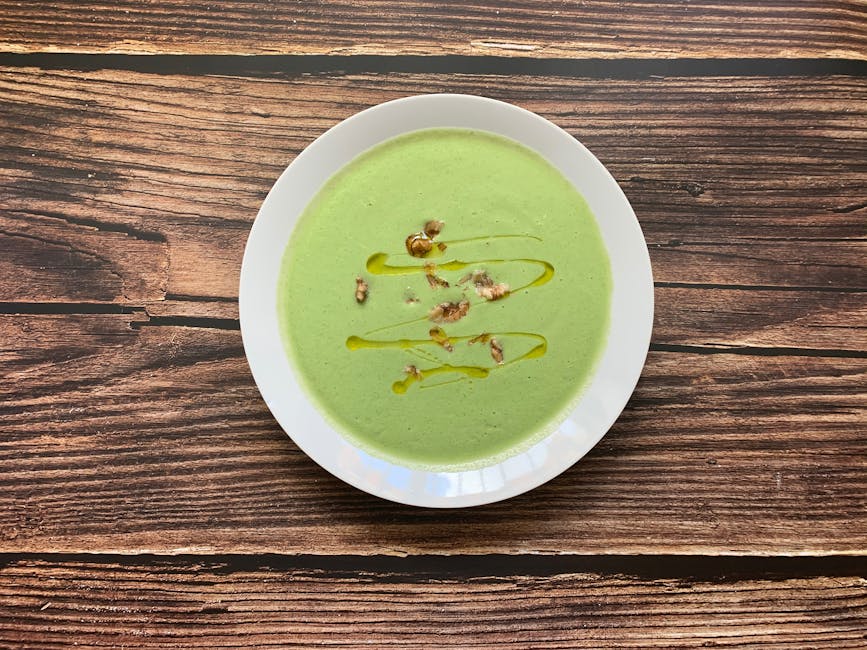
The Ultimate Cream of Asparagus Soup Recipe: A Culinary Masterpiece for Every Season
Cream of asparagus soup is a classic springtime dish, but its rich, velvety texture and vibrant green hue make it a comforting and elegant choice year-round. This comprehensive guide will delve into every aspect of creating the perfect cream of asparagus soup, from selecting the finest asparagus to mastering the art of achieving a luxuriously smooth consistency. We’ll explore the essential ingredients, offer variations for different dietary needs and flavor profiles, and provide detailed instructions to ensure your culinary success. Whether you’re a seasoned chef or a beginner in the kitchen, this recipe will empower you to create a truly remarkable cream of asparagus soup that will impress your guests and satisfy your own palate.
The foundation of any exceptional cream of asparagus soup lies in the quality of its primary ingredient: asparagus. When selecting asparagus, look for spears that are firm, crisp, and have tightly closed tips. The color should be a vibrant green, with no signs of wilting or discoloration. Thicker spears tend to be more tender and flavorful than very thin ones, though both can be used successfully. Avoid asparagus that appears limp or has started to open its tips, as this indicates it is past its prime. Freshness is paramount; the sooner you can use your asparagus after purchasing, the brighter and more pronounced its flavor will be in the soup. For optimal results, aim to use asparagus within a few days of bringing it home. Store it upright in a glass with an inch or two of water, loosely covered with a plastic bag, in the refrigerator. This will help maintain its crispness. When preparing the asparagus, it’s crucial to remove the woody ends. This can be done by snapping the spears; they will naturally break at the point where the woody part begins. Alternatively, you can use a vegetable peeler to shave off the tough outer layer of the lower portion of the stalk. The tops of the asparagus spears are particularly tender and flavorful and should be reserved for garnish. The stalks, after snapping or peeling, will form the bulk of the soup’s body.
The creamy texture of cream of asparagus soup is achieved through a combination of dairy and a thickening agent, often in the form of a roux. A roux is a fundamental cooking technique made by cooking equal parts flour and fat (butter is traditional and highly recommended for flavor) over medium heat. The longer the roux is cooked, the darker it becomes and the less thickening power it possesses. For a delicate cream soup like this, a white roux, cooked for just a minute or two until the raw flour smell dissipates, is ideal. This ensures a smooth, lump-free base without imparting any undesirable cooked flour flavor. The fat, typically unsalted butter, not only binds the flour but also contributes a rich mouthfeel and subtle nutty notes. Using high-quality butter is a small detail that can make a significant difference in the overall flavor profile of your soup. Once the roux is ready, it’s crucial to gradually whisk in the liquid – usually a combination of vegetable or chicken broth and milk or cream. Adding the liquid too quickly will result in lumps. A gentle, steady whisking motion is key to creating a velvety smooth sauce. The choice of milk or cream will influence the richness and decadence of the soup. Whole milk offers a good balance, while heavy cream will yield an incredibly luxurious and indulgent experience.
The flavor base of cream of asparagus soup is typically built with aromatics like onion and garlic. Finely dicing a yellow or sweet onion and sautéing it in the butter (before or after the roux, depending on your preference and technique) until translucent and softened is essential for developing sweetness and depth. The gentle cooking of the onion releases its natural sugars, providing a subtle sweetness that complements the asparagus. Garlic, minced or finely chopped, is then added and cooked for just about a minute until fragrant. Be careful not to burn the garlic, as this can impart a bitter taste. Fresh herbs also play a vital role in enhancing the asparagus flavor. Fresh parsley, chives, or even a touch of tarragon can elevate the soup to new heights. The bright, clean flavor of parsley is a classic pairing, while chives add a mild oniony bite. Tarragon, with its subtle anise-like notes, offers a more sophisticated and complex flavor profile. Fresh herbs should ideally be added towards the end of the cooking process or as a garnish to preserve their vibrant color and delicate aroma. Dried herbs can be used, but their flavor is more concentrated and less nuanced, so they should be added earlier in the cooking process and used sparingly.
The cooking process for cream of asparagus soup is relatively straightforward, involving sautéing aromatics, cooking the asparagus, blending, and finishing with dairy. Begin by sautéing the finely diced onion in butter in a large pot or Dutch oven over medium heat until softened and translucent, about 5-7 minutes. Add the minced garlic and cook for another minute until fragrant. Next, add the trimmed and chopped asparagus stalks to the pot. Cook, stirring occasionally, until the asparagus begins to soften slightly, about 3-5 minutes. This initial sautéing helps to release some of the asparagus’s natural flavors. Pour in the vegetable or chicken broth and bring the mixture to a simmer. Cover the pot and let it cook for about 10-15 minutes, or until the asparagus is tender. Once the asparagus is tender, carefully transfer the soup to a blender or use an immersion blender to purée the soup until completely smooth. If using a standard blender, work in batches and do not overfill it, as hot liquids can expand. Always vent the blender lid slightly by removing the center cap and covering it with a kitchen towel to allow steam to escape. Return the puréed soup to the pot over low heat. Stir in your chosen dairy – milk, half-and-half, or heavy cream – and heat gently without boiling. Boiling can cause dairy to curdle. Season generously with salt and freshly ground black pepper to taste. The salt is crucial for bringing out the natural sweetness of the asparagus and balancing the flavors.
For those seeking a lighter or dairy-free version of cream of asparagus soup, several effective substitutions can be made without compromising the overall deliciousness. Coconut milk, particularly full-fat canned coconut milk, offers a wonderfully creamy and rich alternative to dairy cream. Its subtle tropical sweetness can complement the asparagus beautifully. When using coconut milk, it’s important to ensure it’s well-chilled before opening, as this can help to separate the cream from the liquid, allowing you to use the thicker cream portion for maximum richness. Unsweetened almond milk or cashew milk can also be used, but they tend to be thinner and may require additional thickening. For a nut-free option, oat milk or soy milk are viable choices, though their flavors can be more pronounced. When incorporating plant-based milks, it’s often best to add them towards the end of the cooking process and heat gently to avoid any potential separation or curdling. To thicken a dairy-free soup, you can create a slurry of cornstarch or arrowroot starch mixed with a small amount of cold water or plant-based milk and whisk it into the simmering soup. Another excellent dairy-free thickening agent is a purée of cooked cannellini beans or silken tofu, which can add creaminess and protein without altering the flavor significantly.
Variations on the classic cream of asparagus soup can cater to diverse palates and dietary preferences, transforming this simple soup into a personalized culinary creation. For a spicier kick, a pinch of red pepper flakes can be added during the sautéing of the aromatics, or a swirl of sriracha or chili oil can be drizzled on top before serving. Lemon zest or a squeeze of fresh lemon juice added at the very end of cooking brightens the soup and adds a refreshing tang that beautifully complements the asparagus. For a more substantial meal, consider adding cooked chicken, shrimp, or white beans to the soup after puréeing. A hint of nutmeg, freshly grated, can add a warm, subtly sweet undertone that pairs exceptionally well with creamy soups. For a more gourmet touch, a drizzle of truffle oil or a sprinkle of toasted pine nuts or slivered almonds as a garnish can elevate the soup to restaurant quality. If you enjoy a more herby soup, consider adding fresh dill or mint for a unique and refreshing twist. When experimenting with variations, always taste and adjust seasonings as you go.
Serving cream of asparagus soup is an opportunity to present a visually appealing and gastronomically satisfying dish. The vibrant green hue is naturally appealing, and a few thoughtful garnishes can enhance its beauty and flavor. Reserved asparagus tips, blanched or sautéed until tender-crisp, are a classic and elegant garnish. A swirl of heavy cream or a dollop of crème fraîche can add an extra touch of luxury. Freshly chopped chives or parsley provide a pop of color and a burst of fresh herb flavor. Croutons, whether homemade or store-bought, add a delightful textural contrast. For a more decadent garnish, a sprinkle of grated Parmesan cheese or a drizzle of high-quality olive oil can be used. Consider pairing your cream of asparagus soup with crusty bread for dipping, a light salad, or a delicate sandwich for a complete and satisfying meal. The soup can be served hot, as is traditional, or chilled for a refreshing springtime appetizer. When serving chilled, ensure the soup is thoroughly cooled before refrigerating, and then stir well before serving.
Storage and reheating of cream of asparagus soup are straightforward, ensuring you can enjoy this delightful dish at your convenience. Cooled cream of asparagus soup can be stored in an airtight container in the refrigerator for up to 3-4 days. When reheating, it’s best to do so gently over low heat on the stovetop, stirring frequently. Avoid high heat or rapid boiling, as this can cause the soup to separate or scorch, especially if dairy or dairy substitutes have been used. If the soup seems too thick after refrigeration, you can thin it out with a splash of milk, broth, or water until it reaches your desired consistency. For longer storage, cream of asparagus soup can be frozen. Allow the soup to cool completely before transferring it to freezer-safe containers or bags. Leave a little headspace in the container, as liquids expand when frozen. Frozen soup can be stored for up to 2-3 months. When ready to use, thaw the soup overnight in the refrigerator and then reheat gently on the stovetop as described above. Some separation may occur during the freezing and thawing process; this is normal and can usually be remedied by thorough stirring while reheating.
In conclusion, mastering the art of cream of asparagus soup is a rewarding culinary endeavor. By understanding the importance of fresh ingredients, employing proper cooking techniques, and embracing the flexibility of variations and substitutions, you can consistently create a soup that is both elegant and deeply satisfying. This detailed exploration has provided the knowledge and tools necessary to elevate your cream of asparagus soup from a simple dish to a true culinary highlight, suitable for any occasion and adaptable to any dietary need. Experiment, taste, and enjoy the process of creating this timeless classic.