
Persian New Year Recipes

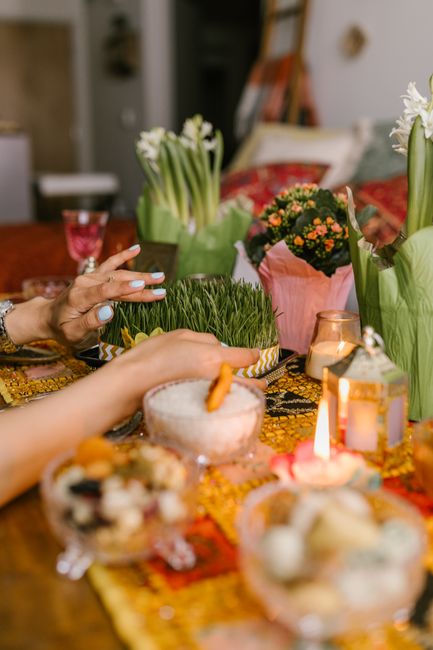
A Culinary Journey Through Norouz: Essential Persian New Year Recipes for an Unforgettable Celebration
The arrival of Norouz, the Persian New Year, marks a vibrant celebration of renewal, rebirth, and the enduring spirit of spring. At the heart of this ancient festival lies a rich tapestry of culinary traditions, where every dish on the Haft-Seen table and in the celebratory feasts carries symbolic meaning and a taste of heritage. This comprehensive guide delves into essential Persian New Year recipes, offering detailed instructions, ingredient lists, and SEO-optimized insights to help you recreate these iconic flavors and impress your guests. From the fragrant rice dishes that form the backbone of Persian cuisine to the sweet confections that signify a prosperous year ahead, we explore the recipes that define Norouz. Understanding the cultural significance of each dish enhances the cooking experience, transforming meal preparation into an act of honoring tradition and welcoming the season of growth.
Sabzi Polo ba Mahi: The Quintessential Norouz Feast
Sabzi Polo ba Mahi, a fragrant rice pilaf studded with fresh herbs and served with perfectly cooked fish, is arguably the most iconic dish of Norouz. The name itself reflects its components: "Sabzi" meaning herbs, "Polo" meaning rice, and "Mahi" meaning fish. The diverse array of herbs represents the reawakening of nature and the bounty of the earth. The fish symbolizes life and rebirth. Preparing this dish requires attention to detail, particularly in achieving the fluffy, separated grains of rice characteristic of Persian pilaf.
Ingredients for Sabzi Polo:
- 2 cups long-grain basmati rice
- 1/2 cup mixed fresh herbs, finely chopped (parsley, cilantro, dill, chives, fenugreek leaves)
- 1/4 cup fresh spinach, finely chopped (optional, for deeper green color)
- 3 tablespoons vegetable oil or ghee
- 1 teaspoon turmeric powder
- Salt and black pepper to taste
- 2-3 tablespoons butter
Ingredients for Mahi (Fish):
- 1 pound firm white fish fillets (such as sea bass, cod, or snapper)
- 2 tablespoons fresh lemon juice
- 1 teaspoon ground turmeric
- 1/2 teaspoon garlic powder
- Salt and black pepper to taste
- 2-3 tablespoons olive oil or vegetable oil for pan-frying
Instructions for Sabzi Polo:
- Rice Preparation: Rinse the basmati rice thoroughly under cold water until the water runs clear. Soak the rice in salted warm water for at least 30 minutes, or up to 2 hours. This step is crucial for achieving fluffy, separated rice.
- Parboiling the Rice: Drain the soaked rice and bring a large pot of salted water to a rolling boil. Add the drained rice and boil for 5-7 minutes, or until the rice grains are slightly tender but still firm to the bite. Drain the rice in a fine-mesh colander.
- Preparing the Pot: In a non-stick pot or Dutch oven, heat the vegetable oil or ghee over medium heat. Add the turmeric and stir for about 30 seconds until fragrant.
- Creating the Tahdig (Crust): You can create a tahdig layer to prevent the rice from sticking and to provide a crispy bottom. Either layer thinly sliced potatoes, lavash bread, or a mixture of rice with a little oil and turmeric at the bottom of the pot.
- Layering the Sabzi Polo: Carefully add about one-third of the parboiled rice to the pot, spreading it evenly. Sprinkle half of the chopped fresh herbs over the rice. Add another third of the rice, followed by the remaining herbs. Top with the final layer of rice.
- Steaming the Rice: Create steam holes in the top layer of rice by poking holes with a wooden spoon handle. Drizzle 2-3 tablespoons of water or chicken broth over the rice. Dot the top with small pieces of butter.
- Cooking the Polo: Cover the pot tightly with a lid, wrapping the lid in a clean kitchen towel to absorb excess steam and prevent condensation from dripping onto the rice. Cook over medium-low heat for 5-10 minutes until steam begins to escape, then reduce the heat to low and steam for 40-50 minutes, or until the rice is fully cooked and fluffy.
Instructions for Mahi:
- Marinating the Fish: Pat the fish fillets dry with paper towels. In a shallow dish, combine lemon juice, turmeric, garlic powder, salt, and pepper. Place the fish fillets in the marinade, ensuring they are well coated. Let marinate for 15-20 minutes.
- Cooking the Fish: Heat the olive oil in a non-stick skillet over medium-high heat. Carefully place the marinated fish fillets in the hot skillet. Cook for 3-4 minutes per side, or until the fish is opaque and cooked through. Adjust cooking time based on the thickness of the fillets.
Serving: Gently fluff the Sabzi Polo with a fork. Serve the fragrant herb rice alongside the pan-fried fish, allowing the vibrant green of the herbs to contrast with the golden hue of the fish.
Kookoo Sabzi: The Fragrant Herb Frittata
Kookoo Sabzi is a delightful and nutritious frittata-like dish, packed with an abundance of fresh herbs and often featuring walnuts and barberries for a delightful textural and flavor contrast. It’s a staple on the Norouz table, symbolizing the flourishing of nature. Its versatility allows it to be served as a main course, appetizer, or side dish.
Ingredients:
- 4 cups mixed fresh herbs, finely chopped (parsley, cilantro, dill, chives, mint, spinach)
- 4 large eggs
- 1/4 cup all-purpose flour
- 1 teaspoon baking powder
- 1/2 teaspoon salt
- 1/4 teaspoon black pepper
- 1/4 teaspoon turmeric powder
- 1/4 cup chopped walnuts (optional)
- 2 tablespoons barberries, rinsed and drained (optional)
- 3-4 tablespoons vegetable oil or ghee for frying
Instructions:
- Herb Preparation: Wash and thoroughly dry all fresh herbs. Finely chop them.
- Egg Mixture: In a large bowl, whisk the eggs until well combined. Add the flour, baking powder, salt, pepper, and turmeric. Whisk until smooth.
- Combining Ingredients: Gently fold the chopped herbs, walnuts, and barberries (if using) into the egg mixture. Ensure the herbs are evenly distributed.
- Cooking the Kookoo: Heat 2-3 tablespoons of vegetable oil or ghee in a non-stick skillet over medium heat. Pour the kookoo mixture into the skillet, spreading it evenly.
- Frying: Cook for 8-10 minutes on the first side, until the bottom is golden brown and set. Carefully flip the kookoo (you can use a plate to assist with this) and cook for another 7-10 minutes on the second side, until cooked through and golden brown.
- Alternative Baking Method: For a healthier option, pour the mixture into a greased 8×8 inch baking dish and bake at 375°F (190°C) for 25-30 minutes, or until a toothpick inserted into the center comes out clean.
Serving: Let the Kookoo Sabzi cool slightly before slicing. It can be served warm or at room temperature. Traditionally, it’s served with yogurt or pickles.
Morasa Polo: The Jeweled Rice of Celebration
Morasa Polo, meaning "jeweled rice," is a visually stunning and exquisitely flavored dish reserved for special occasions, making it a perfect centerpiece for Norouz feasts. Its name comes from the vibrant toppings that resemble precious jewels, including candied orange peel, slivered almonds, and barberries. This sweet and savory rice dish embodies the richness and celebratory spirit of the New Year.
Ingredients:
- 2 cups long-grain basmati rice
- 1/4 cup vegetable oil or ghee
- 1 teaspoon turmeric powder
- Salt to taste
- For the Toppings:
- 1 cup thinly julienned candied orange peel
- 1/2 cup slivered almonds, lightly toasted
- 1/2 cup barberries, rinsed and drained
- 2 tablespoons sugar
- 2 tablespoons butter
Instructions:
- Rice Preparation: Rinse the basmati rice thoroughly and soak it in salted warm water for at least 30 minutes. Drain well.
- Parboiling the Rice: Bring a large pot of salted water to a rolling boil. Add the drained rice and boil for 5-7 minutes until al dente. Drain the rice.
- Preparing the Pot: Heat the vegetable oil or ghee in a non-stick pot over medium heat. Add the turmeric and stir until fragrant.
- Creating the Tahdig: Layer thinly sliced potatoes or lavash bread at the bottom of the pot for tahdig.
- Layering the Morasa Polo: Add about one-third of the parboiled rice to the pot, followed by a layer of the julienned candied orange peel. Add another third of the rice, followed by a sprinkle of slivered almonds. Top with the final layer of rice.
- Steaming the Rice: Create steam holes in the rice. Drizzle 2-3 tablespoons of water or rosewater over the rice. Dot with butter.
- Cooking the Polo: Cover the pot tightly and steam over low heat for 40-50 minutes until the rice is fully cooked and fluffy.
- Preparing the Barberry Topping: While the rice is steaming, melt the butter in a small skillet over medium heat. Add the rinsed barberries and sugar. Cook for 2-3 minutes, stirring constantly, until the barberries plump up and the sugar dissolves, creating a slightly syrupy glaze. Be careful not to overcook, as barberries can become bitter.
Serving: Gently fluff the Morasa Polo. Serve by carefully spooning the rice onto a platter, ensuring some of each topping is visible. Garnish with the prepared barberry mixture, toasted almonds, and candied orange peel.
Shirini Norouzi: Sweet Confections for a Sweet Year
No Norouz celebration is complete without a delightful array of sweet treats. These confections, often simple yet elegant, are shared with loved ones, symbolizing a wish for a sweet and prosperous year.
1. Naan-e Nokhodchi (Chickpea Flour Cookies)
These delicate, melt-in-your-mouth cookies are a Norouz staple. Their crumbly texture and subtle cardamom flavor are truly addictive.
Ingredients:
- 2 cups chickpea flour (besan)
- 1 cup all-purpose flour
- 1 cup unsalted butter, softened
- 3/4 cup powdered sugar
- 1 teaspoon ground cardamom
- Pinch of salt
Instructions:
- In a large bowl, cream together the softened butter and powdered sugar until light and fluffy.
- Gradually add the chickpea flour, all-purpose flour, cardamom, and salt. Mix until a soft dough forms.
- Shape the dough into small balls or press it into cookie molds.
- Place the cookies on a baking sheet lined with parchment paper.
- Bake at 325°F (160°C) for 15-20 minutes, or until the edges are lightly golden. Do not overbake, as they should remain soft.
- Let the cookies cool completely on the baking sheet before handling, as they are fragile when warm.
2. Sohan Asali (Honey Toffee)
Sohan Asali is a rich, crunchy toffee made with honey, sugar, and nuts. It’s a decadent treat that signifies abundance and good fortune.
Ingredients:
- 1 cup sugar
- 1/2 cup honey
- 1/4 cup water
- 1/4 cup slivered almonds or pistachios
- 1 tablespoon butter
- 1/2 teaspoon cardamom powder (optional)
Instructions:
- In a heavy-bottomed saucepan, combine the sugar, honey, and water. Cook over medium heat, stirring until the sugar dissolves.
- Bring the mixture to a boil and continue cooking without stirring until it reaches the hard crack stage (300-310°F or 150-155°C) on a candy thermometer.
- Remove from heat and quickly stir in the slivered nuts, butter, and cardamom powder (if using).
- Pour the hot toffee mixture onto a greased baking sheet or a silicone mat, spreading it thinly.
- Allow to cool completely until hard, then break into pieces. Store in an airtight container.
3. Ghorabiyeh (Almond Meringue Cookies)
These light and airy almond cookies are made with egg whites, sugar, and ground almonds. They offer a delicate sweetness and a satisfying crunch.
Ingredients:
- 2 large egg whites, at room temperature
- 1/4 teaspoon cream of tartar
- 1 cup granulated sugar
- 1 cup finely ground almonds
- 1/2 teaspoon almond extract
Instructions:
- Preheat oven to 300°F (150°C). Line baking sheets with parchment paper.
- In a clean, dry bowl, beat the egg whites with an electric mixer until frothy. Add the cream of tartar and continue beating until soft peaks form.
- Gradually add the granulated sugar, one tablespoon at a time, beating until stiff, glossy peaks form.
- Gently fold in the ground almonds and almond extract.
- Drop spoonfuls of the meringue mixture onto the prepared baking sheets.
- Bake for 20-25 minutes, or until the cookies are lightly golden and firm to the touch.
- Let the cookies cool on the baking sheets for a few minutes before transferring them to a wire rack to cool completely.
By mastering these essential Persian New Year recipes, you can infuse your Norouz celebration with the authentic flavors and rich symbolism of this cherished tradition. Each dish is an invitation to connect with history, family, and the joyous spirit of spring’s arrival. These recipes are not merely about sustenance; they are about storytelling, memory, and the enduring celebration of life.


