Black Eyed Peas And Ham Hocks
Black Eyed Peas and Ham Hocks: A Southern Culinary Cornerstone – Flavor, Nutrition, and Preparation
Black eyed peas and ham hocks represent a foundational dish within Southern cuisine, celebrated for its rich flavor profile, comforting texture, and significant nutritional benefits. This humble pairing of legumes and cured pork has transcended generations, evolving from sustenance for working families to a beloved staple on holiday tables and everyday menus alike. Understanding the nuances of preparing and enjoying this dish involves appreciating the quality of ingredients, the science behind flavor development, and the inherent health advantages. The heart of this dish lies in the slow, gentle cooking process, which allows the peas to become tender and absorb the smoky, savory essence of the ham hock. This transformation is not merely culinary; it’s a testament to how simple, readily available ingredients can yield profound and satisfying results. The ham hock, in particular, acts as a flavor powerhouse, its collagen and fat rendering down over time to create a deeply unctuous broth that permeates every single pea. This process is crucial, as it dictates the final texture and taste of the dish, moving beyond mere boiled peas to a complex and integrated flavor experience. The preparation, while seemingly straightforward, requires patience and an understanding of how heat and time interact to unlock the full potential of both components.
The nutritional profile of black eyed peas and ham hocks is remarkably impressive, offering a synergistic blend of essential nutrients. Black eyed peas are a powerhouse of plant-based protein and dietary fiber, crucial for digestive health, satiety, and blood sugar regulation. Their fiber content aids in lowering cholesterol and promoting a healthy gut microbiome. Furthermore, these legumes are rich in essential minerals such as iron, crucial for oxygen transport and energy production, and folate, vital for cell growth and DNA synthesis, particularly important during pregnancy. They also provide a good source of potassium, which helps regulate blood pressure. When combined with ham hocks, the dish gains a significant amount of protein and B vitamins from the pork. While ham hocks are often perceived as fatty, their contribution to the dish is primarily flavor, and the rendered fat can be carefully managed during preparation. The protein from the ham hock contributes to muscle building and repair, and B vitamins like B12 and niacin play roles in energy metabolism and nervous system function. The slow cooking process also helps to make the nutrients in both the peas and the ham hock more bioavailable, meaning the body can absorb and utilize them more effectively. This makes the dish a nutrient-dense option for a healthy and satisfying meal, offering a balanced combination of macronutrients and micronutrients that support overall well-being.
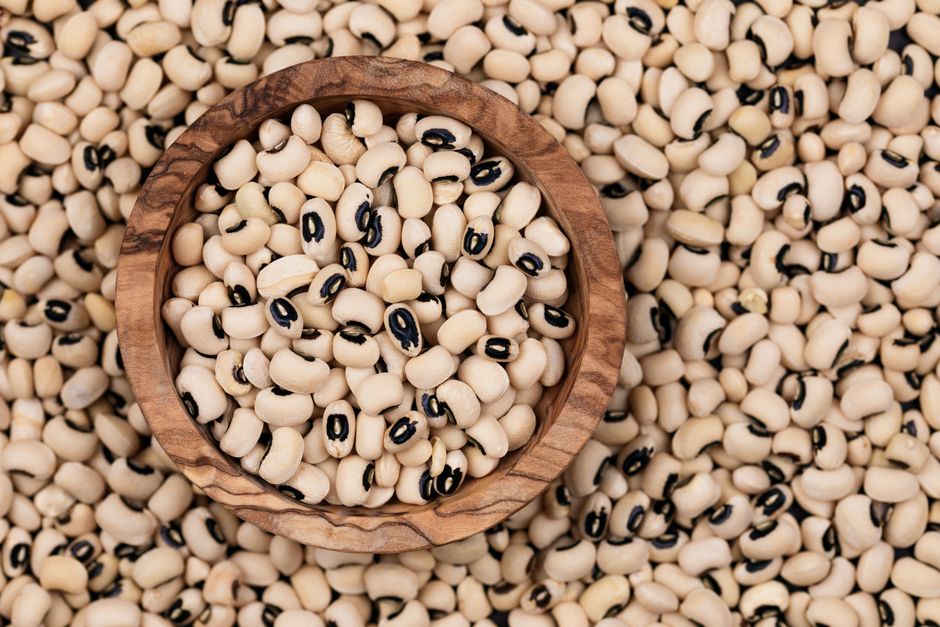
Selecting high-quality ingredients is paramount to achieving an exceptional black eyed peas and ham hocks dish. For the black eyed peas, opting for dried beans is generally preferred over canned, as they offer a superior texture and allow for greater control over the cooking process. When choosing dried black eyed peas, inspect them for uniformity in size and color, and ensure they are free from debris or broken peas. Proper storage of dried beans, in a cool, dry place, will maintain their freshness and ensure optimal cooking results. For the ham hock, a smoked ham hock is the quintessential choice, providing the signature smoky depth of flavor. Look for a ham hock that is well-cured and appears plump. While the visible fat might seem substantial, it is this fat and the connective tissue within the hock that render down during slow cooking, imparting immense flavor and richness to the broth. If available, a smoked shank or even a piece of cured pork shoulder can be used as an alternative, though the distinct flavor of a ham hock is widely recognized and sought after for this specific dish. The quality of the pork directly impacts the salinity and smokiness of the final product, so choosing a reputable butcher or brand can make a discernible difference. The integration of these high-quality components sets the stage for a truly authentic and flavorful experience.
The preparation of black eyed peas and ham hocks is a process that rewards patience and embraces the magic of slow cooking. The initial step involves thoroughly rinsing the dried black eyed peas under cold running water to remove any dust or debris. While some recipes call for soaking the peas overnight, a quicker method involves a "quick soak" by bringing the rinsed peas to a boil in water for one minute, then removing them from the heat, covering, and letting them stand for one hour. This method softens the peas and reduces cooking time without compromising their texture. The ham hock should also be rinsed. Once the peas are ready, they are combined in a large pot or Dutch oven with the rinsed ham hock. Water is added to cover the peas and ham hock by at least two inches. A fundamental element of this dish’s flavor development is the initial simmering. The pot is brought to a boil, then the heat is reduced to a low simmer, covered, and allowed to cook for an extended period, typically 1.5 to 3 hours, depending on the age and type of the dried peas. During this slow simmer, the ham hock will release its savory essence, tenderizing the peas and creating a rich, flavorful broth. It is crucial to monitor the liquid level and add more water or broth if necessary to keep the peas submerged. As the peas approach tenderness, the ham hock can be removed, the meat carefully separated from the bone, chopped into bite-sized pieces, and returned to the pot. This allows for easier consumption and ensures an even distribution of the pork throughout the dish.
Seasoning is the next critical phase in transforming the simmered peas and ham hock into a culinary masterpiece. While the ham hock provides a significant salt and smoky base, judicious additional seasoning is required to elevate the flavors. A common starting point is the addition of aromatics. Finely minced onion, garlic, and sometimes celery (the "holy trinity" of Southern cooking, though often simplified to onion and garlic for this dish) are sautéed separately in a little oil or rendered ham fat until softened and fragrant. These sautéed aromatics are then stirred into the pot of peas and ham hock. This foundational sautéing step is crucial for building layers of flavor; raw aromatics would not impart the same depth. Beyond these basics, the spice palette can be expanded. A pinch of red pepper flakes or a dash of cayenne pepper can introduce a subtle warmth and complexity, a characteristic often found in authentic Southern preparations. Black pepper, freshly ground, is also essential for adding a pungent counterpoint to the richness. Some cooks also opt for bay leaves, which impart a subtle, earthy aroma. The key to seasoning black eyed peas and ham hocks is to taste and adjust throughout the cooking process. The ham hock’s saltiness can vary, so it’s advisable to add salt incrementally rather than all at once. Allowing the flavors to meld together during the final stages of simmering ensures a cohesive and deeply satisfying taste.
Serving black eyed peas and ham hocks is an integral part of the culinary experience, and this dish is incredibly versatile. Traditionally, it is served as a hearty side dish, its rich flavors and textures complementing a wide range of main courses. It pairs exceptionally well with grilled or fried pork chops, fried chicken, or any roasted meat. Its comforting nature also makes it a popular accompaniment to seafood, particularly fried fish. However, black eyed peas and ham hocks can also stand alone as a substantial main course, especially when served with a side of cornbread. The crumbly, slightly sweet cornbread is the perfect vehicle for sopping up the flavorful broth. For a lighter yet still satisfying meal, it can be served over fluffy white rice, allowing the peas and broth to be absorbed by the grains. Garnish is often simple but effective. A sprinkle of fresh parsley or chopped green onions adds a touch of freshness and visual appeal, cutting through the richness of the dish. A dollop of hot sauce is a common and beloved addition for those who enjoy an extra kick of heat, further enhancing the savory notes. The flexibility of this dish allows it to be adapted to various dining occasions, from casual weeknight meals to festive holiday gatherings, demonstrating its enduring appeal and its status as a true Southern classic.
The historical significance and cultural context of black eyed peas and ham hocks are deeply intertwined with the history of the American South. Originating in Africa and brought to the Americas through the transatlantic slave trade, black eyed peas became a staple food, particularly in the Southern United States, where they thrived in the climate and were an accessible source of protein and nutrients. Ham hocks, a less expensive cut of pork, were also a common and economical way to add flavor and sustenance to meals for many families, especially those with limited resources. This dish thus emerged as a testament to resourcefulness and culinary ingenuity, transforming humble ingredients into a nourishing and flavorful meal. Its association with good luck, particularly on New Year’s Day in some Southern traditions where eating black eyed peas is believed to bring prosperity and good fortune for the year ahead, further cements its cultural importance. The combination of peas and pork represents a harmonious blend of plant and animal protein, a fundamental aspect of many traditional diets. The slow cooking method itself reflects a past where time was less of a constraint and cooking was often a communal activity, allowing for the development of deep, complex flavors over hours. This dish is not just food; it’s a culinary narrative, a taste of history that continues to be savored and celebrated.
Variations and adaptations of the classic black eyed peas and ham hocks recipe abound, reflecting regional preferences and evolving culinary trends. While the smoked ham hock is traditional, some recipes utilize other cured pork products for a different flavor profile. Smoked turkey legs or wings can be used as a leaner alternative, offering a distinct smoky flavor while reducing the fat content. For those seeking a vegetarian or vegan option, the ham hock can be omitted entirely, and the peas can be simmered in vegetable broth. In this case, smoked paprika, liquid smoke, or sautéed mushrooms can be incorporated to mimic the savory, smoky depth of the ham hock. The spice level can also be adjusted according to individual preference. Some variations include the addition of diced jalapeños or other chili peppers for increased heat and a fruity undertone. The inclusion of other vegetables, such as diced bell peppers or tomatoes, can add further complexity and color to the dish. Some cooks may also incorporate a touch of vinegar, such as apple cider vinegar or white vinegar, towards the end of the cooking process to brighten the flavors and add a subtle tanginess. These modifications demonstrate the inherent adaptability of the dish, allowing it to be enjoyed by a wider audience with diverse dietary needs and flavor preferences, while still retaining the essence of its comforting and savory character.
The cooking process for black eyed peas and ham hocks also presents opportunities for leveraging modern culinary techniques and tools to optimize flavor and efficiency. While a slow simmer on the stovetop remains the most traditional and arguably the most effective method for achieving tender peas and deeply infused broth, the advent of electric pressure cookers has revolutionized this process for many home cooks. Utilizing a pressure cooker can significantly reduce the cooking time from hours to mere minutes, while still allowing for the tenderization of the peas and the melding of flavors from the ham hock. When using a pressure cooker, it is essential to adjust the liquid ratios and cooking times accordingly, typically referring to the manufacturer’s guidelines for legumes. Similarly, slow cookers can be employed for an extended, low-and-slow cooking experience, mimicking the traditional stovetop method with less active oversight. This is ideal for busy individuals who want to prepare the dish in the morning and have it ready by dinner. Regardless of the cooking method employed, the principles of low heat, ample liquid, and sufficient cooking time remain paramount for extracting the full flavor from the ham hock and achieving the perfect tender consistency for the black eyed peas. These modern appliances offer convenience without necessarily sacrificing the authentic taste and texture that make this dish so beloved.
The relationship between black eyed peas and ham hocks extends beyond the plate, impacting agricultural practices and food economics. Black eyed peas are a resilient legume, able to grow in a variety of conditions, making them a valuable crop in many agricultural regions, particularly in the Southern United States. Their cultivation contributes to crop rotation, improving soil health and reducing the need for synthetic fertilizers. The demand for ham hocks, while often seen as a byproduct, supports the pork industry and provides a cost-effective flavoring agent for countless dishes. The popularity of this dish also influences the market for dried beans, with consumers increasingly seeking out high-quality, dried varieties over processed alternatives. This trend supports smaller farms and artisanal producers who focus on quality and traditional growing methods. Furthermore, the accessibility and affordability of both black eyed peas and ham hocks make this dish a cornerstone of economical home cooking, providing a nutritious and satisfying meal without breaking the bank. This economic aspect is crucial, especially in times of fluctuating food prices, ensuring that healthy and flavorful meals remain within reach for a broad segment of the population. The enduring appeal of this dish thus has ripple effects throughout the agricultural and food systems.