
Stuffed Pork Chops I

Mastering the Art of Stuffed Pork Chops: A Comprehensive Guide to Flavor, Technique, and Perfect Results
Stuffed pork chops represent a culinary triumph, transforming a common cut of meat into a sophisticated and deeply satisfying dish. This article serves as an exhaustive guide, delving into every facet of creating exceptional stuffed pork chops, from selecting the ideal cut to achieving restaurant-quality presentation. We will explore various stuffing preparations, essential cooking techniques, troubleshooting common issues, and tips for maximizing flavor and visual appeal. The goal is to equip home cooks with the knowledge and confidence to consistently produce delicious and memorable stuffed pork chops.
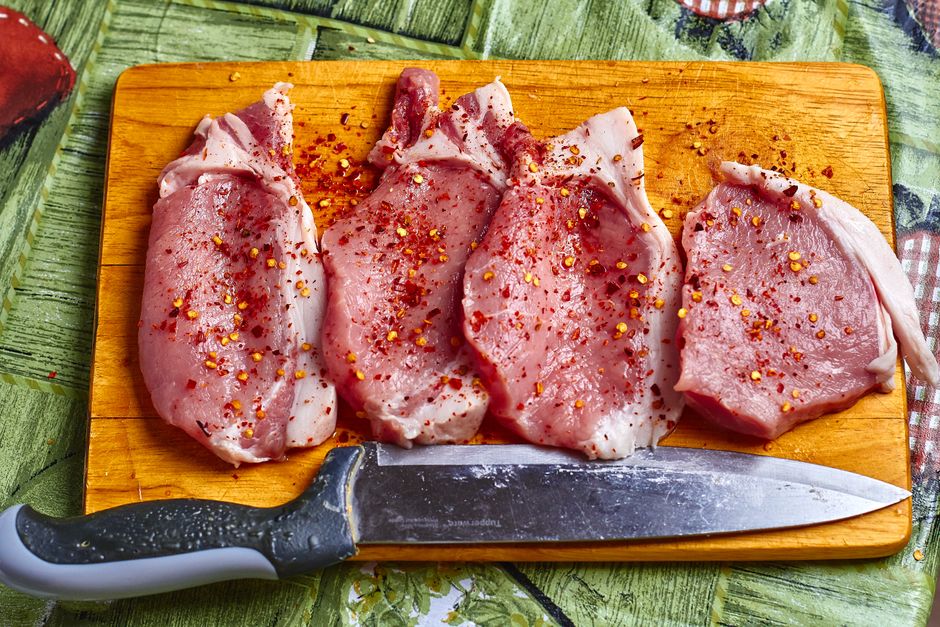
The foundation of any great stuffed pork chop lies in the quality of the pork itself. For this preparation, bone-in or boneless, thick-cut pork chops are paramount. Aim for chops at least 1 to 1.5 inches thick; this thickness provides a buffer against overcooking and allows for ample space to create the stuffing pocket. Bone-in chops, specifically bone-in rib chops or loin chops, offer superior moisture and flavor due to the presence of the bone. The marrow within the bone imparts a richness that is difficult to replicate in boneless cuts. When choosing boneless, opt for loin chops, which tend to be more tender and flavorful than sirloin chops. Look for pork with good marbling – those thin streaks of fat interspersed within the muscle – as this fat will render during cooking, basting the meat and keeping it moist. Avoid excessively lean pork, as it is more prone to drying out. The USDA recommends an internal temperature of 145°F (63°C) for pork, followed by a three-minute rest, ensuring both safety and a succulent outcome.
Creating the stuffing pocket is a critical step and requires careful technique. For bone-in chops, a skilled hand can carefully create a pocket by slicing horizontally into the thickest part of the meat, stopping about half an inch from the bone and the opposite side. Imagine creating a flap that can be opened to receive the stuffing. For boneless chops, the same technique applies, slicing into the side to create a deep pocket. Alternatively, a chef can butterfly the chop, slicing it almost completely in half horizontally and then opening it like a book, creating a larger surface area for stuffing. The key is to avoid cutting all the way through, ensuring the stuffing remains contained. Some home cooks prefer to sear the chops before stuffing, which can add a beautiful crust and initial layer of flavor. However, this method can make it more challenging to create a clean pocket without tearing the seared exterior. Searing after stuffing is generally more manageable and allows the juices from the pork to meld with the stuffing during cooking.
The possibilities for pork chop stuffing are virtually limitless, offering a canvas for diverse flavor profiles. Classic options include savory breadcrumb-based stuffings, often enriched with aromatic vegetables, herbs, and sometimes sausage. A popular breadcrumb stuffing might feature finely diced onions and celery sautéed in butter until softened, combined with toasted breadcrumbs (stale bread pulsed in a food processor), fresh sage, thyme, rosemary, and a binder like beaten egg or chicken broth. For a richer stuffing, consider incorporating crumbled cooked pork sausage (sweet Italian, breakfast, or even chorizo for a spicy kick), pancetta, or bacon. These additions introduce additional fat and deep umami notes.
Beyond breadcrumbs, grains and rice offer excellent stuffing bases. Wild rice, with its nutty flavor and chewy texture, pairs wonderfully with pork. A wild rice stuffing could include sautéed mushrooms, dried cranberries for a touch of tartness and sweetness, toasted pecans or walnuts for crunch, and a flavorful broth. Quinoa, with its complete protein profile and light texture, is another healthy and flavorful option. A quinoa stuffing might incorporate roasted sweet potatoes, black beans, corn, cilantro, and lime juice for a Southwestern flair.
Fruit-based stuffings offer a delightful contrast to the savory pork. Apples, pears, and dried fruits like apricots or figs are excellent choices. An apple and cheddar stuffing is a perennial favorite, combining diced tart apples, sharp cheddar cheese, sautéed onions, and seasoned breadcrumbs. The sweetness of the apple caramelizes during cooking, while the cheese adds a creamy, tangy element. For a more autumnal profile, consider a pear, walnut, and gorgonzola stuffing, where the pungent cheese complements the sweet pear and earthy nuts.
The technique for stuffing the chops requires patience and a gentle touch. Once the pocket is created, it should be filled generously but not overstuffed, as the stuffing will expand slightly during cooking. Use a spoon to carefully press the stuffing into the pocket, ensuring it’s distributed evenly. After stuffing, it’s crucial to secure the chops to prevent the stuffing from escaping. The most common method is to use kitchen twine to tie the chops at intervals, creating a neat package. Alternatively, toothpicks can be used to "pin" the opening closed, though this is less secure and can be more challenging to remove cleanly. Some cooks advocate for using small metal skewers, which offer excellent security.
Cooking stuffed pork chops can be achieved through various methods, each yielding slightly different results. Pan-searing followed by oven-finishing is a widely favored technique. This method allows for the development of a beautiful golden-brown crust on the exterior of the pork while ensuring the interior cooks evenly to the desired temperature. Begin by preheating your oven to around 375°F (190°C). Heat an oven-safe skillet (cast iron is ideal) over medium-high heat with a tablespoon or two of high-smoke-point oil, such as canola or grapeseed. Once the oil is shimmering, carefully place the stuffed pork chops into the hot skillet, ensuring not to overcrowd the pan. Sear for 2-3 minutes per side, until a deep golden-brown crust forms. Transfer the skillet to the preheated oven and roast for 15-25 minutes, or until an instant-read thermometer inserted into the thickest part of the pork (not touching the stuffing) registers 145°F (63°C).
Braising offers another exceptional method for cooking stuffed pork chops, particularly for thicker cuts or those that might benefit from longer, slower cooking to tenderize. This technique involves searing the chops as described above, then deglazing the pan with a liquid – such as chicken broth, white wine, or even apple cider – and then placing the seared chops into a baking dish with the braising liquid. Cover the dish tightly with foil or a lid and cook in a preheated oven at a lower temperature, around 325°F (160°C), for 45-60 minutes, or until the pork is tender and the internal temperature reaches 145°F (63°C). Braising results in incredibly moist and flavorful pork, with the stuffing absorbing the rich braising liquid.
Grilling stuffed pork chops presents a smoky, outdoor flavor profile. Ensure the grill is preheated to medium-high heat. Sear the chops over direct heat for 2-3 minutes per side to develop grill marks and a crust. Then, move them to indirect heat, cover the grill, and cook for 15-25 minutes, or until the internal temperature reaches 145°F (63°C). Be mindful of flare-ups, which can scorch the exterior before the interior is cooked. Using a drip pan beneath the chops can help mitigate this.
The "rest" period after cooking is non-negotiable for perfectly cooked stuffed pork chops. Once removed from the oven or grill, tent the chops loosely with foil and let them rest for at least 5-10 minutes. This allows the juices, which have been driven to the center of the meat during cooking, to redistribute throughout the chop, ensuring a moist and tender bite. Cutting into the chops too soon will result in those precious juices escaping onto the plate.
Troubleshooting common issues with stuffed pork chops can elevate your cooking from good to great. A primary concern is dryness. This can stem from overcooking, choosing too lean a cut, or not allowing adequate resting time. Monitoring the internal temperature with a reliable thermometer is crucial. Another issue is stuffing leakage. This can be mitigated by not overstuffing, ensuring the pocket is well-formed, and securing the chops adequately with twine or toothpicks. If some stuffing does escape, it can often be spooned back onto the plate around the chop. Uneven cooking can occur, particularly with very thick chops. Searing well and finishing in the oven or braising helps to ensure even heat penetration. For very thick chops, you might consider reducing the oven temperature slightly and increasing the cooking time, or even pre-cooking the stuffing slightly before filling.
Enhancing flavor and visual appeal is the final touch. A simple pan sauce can elevate stuffed pork chops to a new level. After removing the chops from the skillet, deglaze the pan with a splash of wine, broth, or cider, scraping up any browned bits. Reduce the liquid until slightly thickened, and whisk in a knob of butter for richness. Fresh herbs, such as parsley or chives, can be sprinkled over the finished dish for a burst of color and freshness. A dollop of applesauce or a side of sautéed greens like spinach or kale complements the richness of the pork. Presentation matters, so consider serving the chops whole, allowing guests to appreciate the stuffed interior, or slicing them to showcase the layers of pork and stuffing.
The versatility of stuffed pork chops makes them suitable for a range of occasions. For everyday meals, simpler breadcrumb or vegetable-based stuffings are practical and satisfying. For special occasions or dinner parties, more elaborate stuffings incorporating gourmet ingredients like truffles, wild mushrooms, or premium cheeses can impress. Understanding the fundamental principles of selecting pork, creating the pocket, preparing diverse stuffings, and mastering cooking techniques empowers home cooks to confidently create a wide array of delicious and visually appealing stuffed pork chops. This comprehensive approach ensures that each bite is a testament to thoughtful preparation and culinary skill.


