
Mujaddara Arabic Lentil Rice

Mujaddara: A Timeless Arabic Lentil and Rice Staple – A Deep Dive into History, Preparation, Variations, and Nutritional Powerhouse
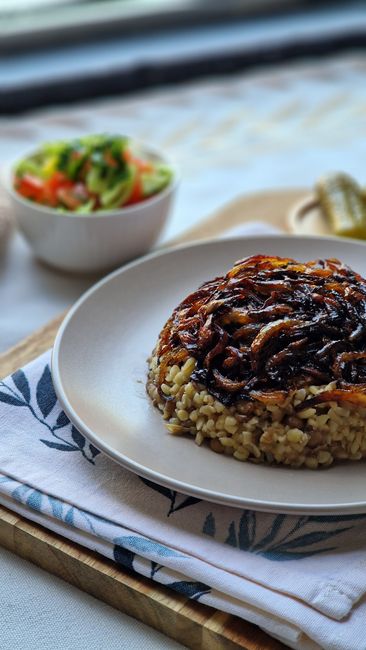
Mujaddara, a foundational dish in Arabic cuisine, translates literally to "pockmarked" or "speckled," a fitting descriptor for the characteristic appearance of lentils and rice intermingled. This seemingly simple dish, composed primarily of lentils, rice, and caramelized onions, boasts a rich history and a profound cultural significance that extends far beyond its humble ingredients. Its origins are deeply rooted in the Levant, encompassing regions like Palestine, Lebanon, Syria, and Jordan, where it has been a staple for centuries, revered for its affordability, versatility, and nutritional density. Historically, mujaddara was a peasant’s dish, born out of necessity and resourcefulness. Lentils, being an abundant and inexpensive source of protein and fiber, were a cornerstone of diets for working-class families. Rice, another staple grain, further enhanced its sustenance. The slow caramelization of onions, a process requiring time and patience, transformed them into a sweet and savory flavor enhancer, elevating the dish from basic sustenance to a beloved culinary creation. This traditional preparation method, focusing on extracting maximum flavor from simple ingredients, reflects a deep understanding of food and a respect for the natural sweetness of vegetables. The ubiquity of mujaddara across various Arabic-speaking countries speaks to its adaptable nature and its ability to resonate with diverse palates, making it a truly pan-Arabian delight. Its enduring popularity is a testament to its satisfying texture, comforting warmth, and the unparalleled depth of flavor achieved through its minimalist yet masterful approach to cooking.
The preparation of classic mujaddara, while straightforward, demands attention to detail to achieve its signature textures and flavors. The core ingredients are green or brown lentils, medium-grain rice (such as basmati or jasmine, though Egyptian rice is also common), and a generous quantity of onions. The process begins with rinsing the lentils and then simmering them in water until they are tender but not mushy. Simultaneously, the onions are thinly sliced and slowly sautéed in ample olive oil over medium-low heat. This crucial step, caramelization, is what imbues mujaddara with its characteristic sweetness and depth. It’s a patient process, requiring constant stirring to prevent burning and to encourage even browning. The onions are cooked until they are a deep golden-brown, almost mahogany, releasing their natural sugars and developing a complex, savory aroma. Once the lentils are cooked, they are drained, reserving some of their cooking liquid. The rice is then added to the pot with the lentils, along with the caramelized onions and their infused oil. A crucial element for achieving the perfect consistency is the liquid used for cooking the rice. Typically, a combination of the reserved lentil cooking liquid and fresh water is employed, seasoned with salt and often a pinch of cumin or coriander. The mixture is brought to a boil, then reduced to a simmer, covered, and cooked until the rice is tender and the liquid is absorbed. The final dish is characterized by the distinct separation of individual grains of rice and the tender, slightly al dente lentils, all enveloped in the rich, sweet essence of the caramelized onions. The reserved onion-infused oil is often drizzled over the top before serving, adding an extra layer of richness and visual appeal.
Variations of mujaddara abound, reflecting regional preferences and the availability of ingredients. The most common distinction lies between "Mujaddara Mufalfala" (also known as Mujaddara Safra or Yellow Mujaddara) and "Mujaddara Makhmusa" (also known as Mujaddara Hamra or Red Mujaddara). Mujaddara Mufalfala typically uses split yellow lentils (though green or brown lentils can also be used) and is often cooked with more water, resulting in a looser, more porridge-like consistency. The rice is cooked directly with the lentils, and the caramelization of onions might be less intense. This version is often perceived as lighter and quicker to prepare. Mujaddara Makhmusa, on the other hand, utilizes whole brown or green lentils and often a shorter grain rice. The lentils are cooked until very tender, and the rice is added towards the end, creating a denser, heartier dish. The caramelization of onions is usually more pronounced in this version, contributing to its deeper color and richer flavor. Another significant variation is the addition of herbs and spices. While cumin and coriander are common, some recipes incorporate cinnamon, allspice, or even a touch of cardamom for added warmth and complexity. In some regions, particularly in Palestine, a drizzle of tahini sauce or a dollop of plain yogurt is a popular accompaniment, adding a creamy tang that contrasts with the sweetness of the onions. Another regional twist involves adding bulgur wheat alongside or instead of rice, creating a distinct texture and nutty flavor profile. The type of lentil used also influences the final outcome, with split red lentils yielding a softer texture and a quicker cooking time compared to whole green or brown lentils. These diverse interpretations showcase the adaptability of mujaddara, allowing it to be customized to individual tastes and available resources.
Mujaddara is far more than just a simple lentil and rice dish; it is a nutritional powerhouse, offering a wealth of health benefits. Lentils, the star ingredient, are exceptionally rich in plant-based protein, essential for muscle repair and growth, and are a complete protein source when combined with rice. They are also an excellent source of dietary fiber, crucial for digestive health, promoting satiety, and helping to regulate blood sugar levels. The high fiber content in lentils can contribute to a feeling of fullness, aiding in weight management. Furthermore, lentils are packed with essential vitamins and minerals, including iron, folate, potassium, and magnesium. Iron is vital for oxygen transport in the blood and preventing anemia, while folate plays a crucial role in cell division and DNA synthesis, making it particularly important during pregnancy. Potassium helps to regulate blood pressure, and magnesium is involved in numerous bodily functions, including nerve and muscle function. Rice, particularly brown rice, contributes complex carbohydrates for sustained energy release and further dietary fiber. The generous use of olive oil in the preparation of mujaddara provides healthy monounsaturated fats, which are beneficial for cardiovascular health and can help lower bad cholesterol levels. The caramelized onions, beyond their flavor contribution, offer antioxidants and beneficial compounds. While the cooking process can reduce some of the heat-sensitive nutrients, the overall nutritional profile of mujaddara remains impressive. Its status as a vegetarian and vegan-friendly dish further enhances its appeal to a health-conscious population seeking nutrient-dense and ethically sourced meals. The synergy of these ingredients creates a balanced and satisfying meal that supports overall well-being.
The versatility of mujaddara extends to its serving suggestions and accompaniments. It is often served as a main course, particularly for lunch or a light dinner, and is equally popular as a side dish to complement grilled meats, roasted vegetables, or a flavorful stew. The traditional pairing includes a crisp, refreshing salad, often a simple cucumber and tomato salad dressed with lemon juice and olive oil, or a fattoush, a vibrant salad with toasted pita bread. Pickled vegetables, such as pickled turnips or cucumbers, provide a tangy counterpoint to the sweetness of the mujaddara. Plain yogurt or a dollop of labneh (strained yogurt) offers a cooling contrast and a creamy texture. For those who enjoy a bit of heat, a side of chili sauce or harissa can be offered. The unique sweetness and savoriness of the caramelized onions make mujaddara a dish that stands on its own, but its ability to be enhanced by various accompaniments allows for a diverse and flavorful dining experience. The inclusion of fresh herbs like parsley or cilantro as a garnish adds a burst of freshness and color. The humble origins of mujaddara have evolved, and it is now a celebrated dish in vegetarian and vegan restaurants worldwide, often presented with modern twists, such as the addition of roasted root vegetables or a sprinkle of toasted nuts for added texture. Its enduring appeal lies in its ability to be both comforting and sophisticated, adaptable to both everyday meals and more festive occasions.
The cultural significance of mujaddara cannot be overstated. It is a dish deeply embedded in the culinary heritage of the Middle East, representing more than just sustenance. It is a symbol of home, comfort, and family gatherings. The aroma of simmering lentils and caramelizing onions is a nostalgic scent for many, evoking memories of childhood kitchens and communal meals. In times of hardship, mujaddara has historically served as an affordable and filling option, embodying resilience and resourcefulness. Its simplicity belies its profound impact, fostering a sense of community and shared identity through its preparation and consumption. It is a dish that transcends social strata, enjoyed by all. The communal aspect of preparing and sharing mujaddara often strengthens bonds within families and communities. It is a dish that can be prepared in large batches, easily feeding a crowd, making it ideal for celebrations and gatherings. The act of patiently caramelizing onions, a task that requires time and attention, can also be a meditative and grounding experience, further connecting individuals to their food and heritage. The shared experience of enjoying mujaddara, with its comforting flavors and textures, fosters a sense of belonging and continuity. Its enduring presence on tables across generations is a testament to its deeply ingrained cultural importance and its ability to nourish both the body and the soul.
The SEO potential of mujaddara as a search term is significant, driven by increasing global interest in Middle Eastern cuisine and plant-based diets. Keywords such as "lentil rice recipe," "Arabic lentil dish," "vegetarian Middle Eastern food," "vegan lentil recipe," "how to caramelize onions," and "healthy lentil dishes" all directly relate to mujaddara. Optimizing content with these terms, alongside variations like "Mujaddara recipe," "authentic Mujaddara," and "traditional Mujaddara," can significantly improve search engine rankings. The long-tail keywords, such as "easy Mujaddara recipe for beginners" or "healthy Mujaddara for weight loss," further broaden the reach. Including high-quality images and videos of the preparation process can enhance user engagement and improve SEO by increasing dwell time on the page. Structured data markup, such as recipe schema, can help search engines understand the content and display rich snippets in search results, making it more appealing to users. Furthermore, highlighting the nutritional benefits and dietary adaptability (vegan, vegetarian, gluten-free if prepared without cross-contamination) caters to a growing segment of health-conscious online searchers. Encouraging user-generated content, such as recipe reviews and variations shared in comments, can also boost SEO by creating fresh, relevant content and demonstrating community engagement. The inherent appeal of a historically significant, nutritionally dense, and adaptable dish like mujaddara positions it as a prime candidate for high search visibility.
In conclusion, mujaddara is a culinary masterpiece born from simplicity, boasting a rich history, remarkable versatility, and significant nutritional value. Its ability to transcend cultural boundaries and appeal to a wide range of dietary preferences solidifies its status as a beloved staple. From its humble peasant origins to its celebrated presence in modern kitchens, mujaddara continues to nourish, comfort, and connect people through its timeless flavors and profound cultural significance. Its SEO potential is vast, reflecting the growing global demand for healthy, authentic, and culturally rich culinary experiences. The enduring appeal of this Arabic lentil and rice dish lies in its ability to offer a satisfying, wholesome, and deeply flavorful meal, prepared with minimal ingredients and maximum impact.


