Chinese Chicken Fried Rice Ii
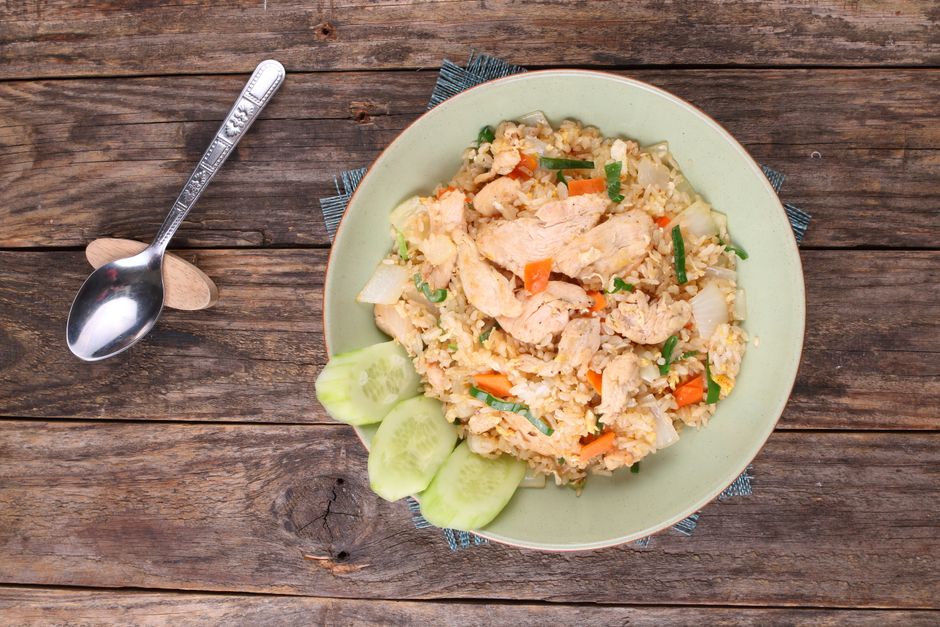
Chinese Chicken Fried Rice II: A Culinary Deep Dive into an Elevated Classic
Chinese Chicken Fried Rice II transcends the basic iteration, presenting a more nuanced and flavorful experience for the home cook. This isn’t merely about throwing ingredients together; it’s a deliberate construction of taste and texture, employing specific techniques to achieve restaurant-quality results. At its core, the "II" signifies an upgrade, a refinement. We’re talking about achieving that perfect balance of fluffy, slightly chewy rice, tender, savory chicken, and a medley of vibrant vegetables, all bound together by a deeply umami-rich sauce. This article will meticulously dissect each component, providing actionable advice and explanations to elevate your fried rice game.
The Foundation: Rice, the Unsung Hero
The quality of your rice is paramount. For Chinese Chicken Fried Rice II, day-old, cold cooked rice is non-negotiable. Freshly cooked rice contains too much moisture, leading to a clumpy, mushy final product. The ideal rice is long-grain, such as jasmine or basmati. These varieties are less starchy and will separate beautifully when stir-fried. The night before, cook your rice according to package directions, ensuring it’s slightly drier than you might prefer for regular consumption. Spread the cooked rice thinly on a baking sheet and allow it to cool completely, then refrigerate it overnight. This allows the grains to firm up and dry out, creating the perfect canvas for frying. When you’re ready to cook, gently break apart any large clumps with your hands. Avoid over-manipulating, as this can release starches.
The Protein: Tender and Flavorful Chicken
Chicken, in this iteration, is not just an addition; it’s a flavor carrier. We recommend using boneless, skinless chicken thighs. Thighs are more forgiving than breasts, remaining moist and tender even with the high heat of stir-frying. Slice the chicken thighs into bite-sized pieces, about 1/2 inch thick. Before frying, marinating the chicken is crucial for infusing it with flavor and ensuring tenderness. A simple but effective marinade for Chinese Chicken Fried Rice II includes: soy sauce (low sodium is preferred to control saltiness), Shaoxing wine (essential for authentic Chinese flavor, substituting with dry sherry or even a splash of rice vinegar if unavailable), a pinch of white pepper, and a teaspoon of cornstarch. The cornstarch acts as a tenderizer and helps create a slight barrier that keeps the chicken moist during cooking. Marinate for at least 30 minutes, or up to a few hours in the refrigerator.
The Aromatics: Building Layers of Flavor
Aromatics are the backbone of any stir-fry, and Chinese Chicken Fried Rice II is no exception. Finely minced garlic and ginger are the absolute stars here. Aim for a generous amount – roughly 2-3 cloves of garlic and a 1-inch piece of ginger per serving. The finely minced texture ensures they release their pungent oils quickly when heated, perfuming the entire dish. Green onions, also known as scallions, are another vital aromatic. Separate the white and green parts. The white parts, thinly sliced, will be stir-fried early on with the garlic and ginger to release their subtle sweetness and pungency. The green parts, sliced diagonally, will be added towards the end of cooking for a fresh, vibrant crunch and a pop of color.
The Vegetables: A Symphony of Color and Crunch
The choice and preparation of vegetables are critical to the textural complexity of Chinese Chicken Fried Rice II. We’re looking for a balance of color, flavor, and crispness. Classic additions include:
- Peas: Frozen peas are perfectly acceptable and convenient. Add them towards the end of cooking to prevent them from becoming mushy.
- Carrots: Finely diced or julienned carrots add sweetness and a vibrant orange hue. Ensure they are cut uniformly for even cooking.
- Bell Peppers: Red, yellow, or orange bell peppers, finely diced, contribute sweetness and a delightful chew. Green bell peppers can also be used, but their flavor can be more assertive.
- Corn: Fresh or frozen corn kernels add pops of sweetness and texture.
- Bean Sprouts: For an extra layer of crunch and freshness, add bean sprouts in the final minute of cooking.
The key with vegetables is to cut them into small, uniform pieces. This ensures they cook quickly and evenly without overcooking.
The Sauce: The Umami Bomb
The sauce is what ties everything together, providing that signature savory depth. For Chinese Chicken Fried Rice II, we move beyond just soy sauce. A well-balanced sauce for this dish typically includes:
- Soy Sauce: The primary source of saltiness and umami. Low-sodium soy sauce is recommended.
- Oyster Sauce: Adds a rich, savory, and slightly sweet depth that is characteristic of authentic Chinese cooking.
- Sesame Oil: Toasted sesame oil provides a nutty, aromatic finish. Add this towards the end of cooking, as its flavor is delicate.
- Shaoxing Wine: Contributes complexity and depth, and helps to tenderize the chicken.
- A touch of Sugar: A small amount of sugar balances the saltiness of the soy sauce and oyster sauce, creating a more rounded flavor profile.
- Cornstarch Slurry: A small amount of cornstarch mixed with water (about 1 teaspoon cornstarch to 2 tablespoons water) is often added at the end to slightly thicken the sauce, ensuring it coats the rice and ingredients beautifully.
Mix all the sauce ingredients (except the cornstarch slurry and toasted sesame oil) in a small bowl beforehand. This allows you to add it quickly and evenly during the stir-frying process.
The Cooking Process: The Art of the Wok
The stir-frying technique is paramount for achieving the desired texture and flavor in Chinese Chicken Fried Rice II. A wok is the ideal cooking vessel due to its sloped sides and high heat conductivity, allowing for even cooking and quick evaporation of moisture.
- Sear the Chicken: Heat your wok over high heat until it’s smoking. Add a tablespoon of high-smoke-point oil, such as peanut oil, vegetable oil, or canola oil. Add the marinated chicken in a single layer, ensuring not to overcrowd the wok. Sear until browned on all sides, then remove the chicken from the wok and set aside.
- Sauté Aromatics: Add another tablespoon of oil to the wok. Add the minced garlic, ginger, and the white parts of the green onions. Stir-fry for about 30 seconds until fragrant, being careful not to burn the garlic.
- Cook the Vegetables: Add the harder vegetables first, such as carrots and bell peppers. Stir-fry for 1-2 minutes until they begin to soften. Then, add the peas and corn and stir-fry for another minute.
- Introduce the Rice: Push the vegetables to the side of the wok and add a little more oil if needed. Add the cold cooked rice. Break it up with your spatula and stir-fry it with the vegetables, ensuring it heats through and begins to lightly crisp. This process of stir-frying the rice is what gives it that desirable slightly chewy, toasted texture.
- Combine and Sauce: Return the seared chicken to the wok. Pour the pre-mixed sauce over the rice and ingredients. Stir everything together quickly and evenly, ensuring the sauce coats all the components.
- Thicken and Finish: If using, pour in the cornstarch slurry and stir continuously until the sauce thickens slightly and coats the rice. Finally, stir in the green parts of the green onions and a drizzle of toasted sesame oil.
- Serve Immediately: Fried rice is best enjoyed immediately. The textures are at their peak when freshly cooked.
Variations and Enhancements for Chinese Chicken Fried Rice II
While the core recipe provides a solid foundation, Chinese Chicken Fried Rice II offers ample room for personalization and enhancement:
- Adding Egg: A classic addition is scrambled egg. Push the rice and vegetables to the side of the wok, add a beaten egg to the cleared space, scramble it until just set, then incorporate it into the rest of the ingredients.
- Incorporating Other Proteins: While chicken is the star, consider adding shrimp, thinly sliced pork, or even firm tofu for a vegetarian option. Ensure these proteins are cooked appropriately and added at the right stage of the stir-fry.
- Spicy Kick: For those who enjoy heat, add a pinch of red pepper flakes with the aromatics or a swirl of sriracha or chili garlic sauce at the end.
- Umami Boost: A tablespoon of mushroom soy sauce can add another layer of deep, earthy umami. A sprinkle of MSG (monosodium glutamate), if desired, will also amplify the savory notes significantly.
- Textural Contrast: Consider adding toasted cashews or peanuts in the final minutes for an extra crunch and nutty flavor.
- Fresh Herbs: While green onions are standard, a small amount of fresh cilantro, chopped, can add a bright, herbaceous note for some palates.
Troubleshooting Common Fried Rice Pitfalls
Even with meticulous preparation, issues can arise. Here are some common problems and their solutions:
- Clumpy Rice: This almost always stems from using freshly cooked rice or not allowing the cooked rice to cool and dry sufficiently. Ensure your rice is at least a day old and has been refrigerated.
- Mushy Vegetables: This happens when vegetables are overcooked. Cut them into uniform, small pieces and add them to the wok in stages, cooking harder vegetables first. Don’t overcrowd the wok, which can steam the vegetables rather than fry them.
- Greasy Fried Rice: Too much oil is the culprit. Use a high-smoke-point oil and add it in stages as needed. Ensure your wok is sufficiently hot before adding ingredients.
- Bland Flavor: Insufficient aromatics or an unbalanced sauce are common causes. Don’t be shy with the garlic and ginger. Ensure you have a good balance of soy sauce, oyster sauce, and other seasonings in your sauce. Taste and adjust as you go.
- Burnt Aromatics: Garlic and ginger cook very quickly. Stir-fry them for a short period and be vigilant. If they start to brown too quickly, lower the heat or add a splash of liquid to deglaze.
The SEO Advantage: Keywords and Content Structure
This article is designed with SEO in mind. Key phrases like "Chinese chicken fried rice," "how to make fried rice," "authentic fried rice recipe," "best fried rice," and "wok cooking" are strategically incorporated. The structure, with clear headings and detailed explanations for each component, makes it easy for search engines to index and for users to find the information they need. The focus on actionable advice and troubleshooting further enhances its value and searchability. The detailed breakdown of ingredients, techniques, and variations provides comprehensive content that addresses user queries comprehensively.
Conclusion: Mastering the Elevated Fried Rice
Chinese Chicken Fried Rice II is more than just a dish; it’s a testament to the power of technique and ingredient selection. By understanding the nuances of rice preparation, protein marination, aromatic layering, vegetable selection, and the art of the wok, you can consistently produce a fried rice that rivals your favorite Chinese restaurant. This elevated classic is a rewarding culinary endeavor, offering a flavorful and satisfying meal that is both accessible and endlessly adaptable. Mastering this dish opens the door to a world of delicious stir-fry possibilities.