
Best Dry Food Storage Containers

The Ultimate Guide to Best Dry Food Storage Containers: Preserving Freshness and Maximizing Kitchen Efficiency
Selecting the right dry food storage containers is paramount for maintaining the freshness, flavor, and nutritional value of your pantry staples. Beyond simple organization, effective storage solutions prevent pest infestation, reduce food waste, and contribute to a more streamlined and efficient kitchen. This comprehensive guide explores the essential features, materials, and types of dry food storage containers, offering insights to help consumers make informed decisions for their specific needs. Understanding the nuances of different container designs and materials will significantly impact how long your dry goods remain palatable and safe to consume. From airtight seals to durable construction, each element plays a crucial role in preserving your investment in food.
The primary function of any dry food storage container is to create a barrier against external elements that degrade food quality. Moisture is a major culprit, leading to staleness, clumping, and the growth of mold and mildew. Oxygen, while essential for life, contributes to oxidation, which can affect flavor, color, and nutritional content, particularly in fats and oils found in items like nuts and seeds. Pests, including insects like weevils and pantry moths, as well as rodents, can quickly render stored food inedible and unsanitary. Therefore, the most critical feature of a superior dry food storage container is an airtight seal. This seal typically involves a lid that creates a vacuum or a tight compression against the container’s rim. Look for containers with silicone gaskets, rubber seals, or locking mechanisms that firmly secure the lid in place, preventing the ingress of air and moisture. Some high-end containers even incorporate a vacuum pump system to actively remove air, further enhancing preservation.
Material selection is another crucial factor influencing the efficacy, durability, and safety of dry food storage containers. BPA-free plastics are a popular choice due to their affordability, lightweight nature, and shatter-resistance. However, it’s essential to opt for food-grade plastics that are specifically designed for food storage. Some plastics can leach chemicals, especially when exposed to heat or acidic foods, so always look for BPA-free and food-grade certifications. Glass containers offer excellent inertness, meaning they won’t react with food and impart unwanted flavors. They are also non-porous, making them hygienic and easy to clean, and they are resistant to staining and odor absorption. While more fragile than plastic, tempered glass containers can withstand accidental drops better. Stainless steel containers are incredibly durable and non-reactive, making them ideal for long-term storage of bulk items. They are also resistant to rust and corrosion. However, they are opaque, making it difficult to see the contents, and can be heavier than other options. Silicone containers, while often used for flexible storage, are generally not the best choice for long-term dry food preservation due to their inherent flexibility and potential for less effective airtight seals. For dry goods, rigid materials like plastic, glass, or stainless steel are typically preferred.
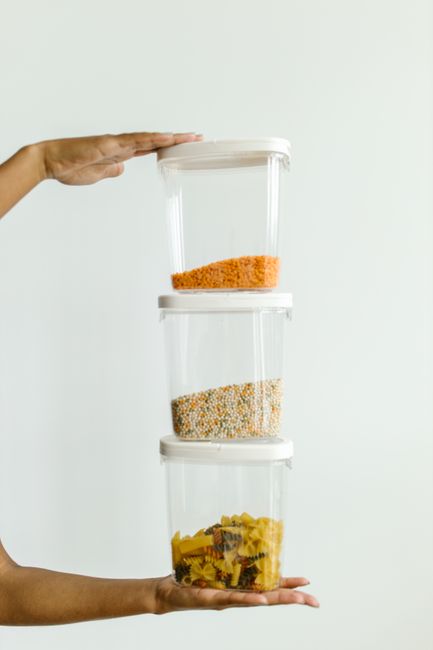
The design and functionality of the container are equally important for usability and organization. Stackable containers are indispensable for maximizing vertical space in pantries, cabinets, and refrigerators. Look for designs that allow containers to nest securely on top of each other without slipping. Modular systems, where containers of various sizes can be combined and arranged efficiently, offer further customization for specific storage needs. Clear containers are highly beneficial as they allow for quick identification of contents, reducing the time spent searching and preventing accidental purchase of duplicate items. Square or rectangular containers are more space-efficient than round ones, as they eliminate wasted space between cylindrical shapes. Containers with pour spouts or integrated scoops can simplify dispensing, especially for items like flour, sugar, or rice, minimizing mess and ensuring accurate measurements. The opening size of the container should also be considered. Wider openings make it easier to fill and scoop out contents, particularly for bulkier items.
When it comes to specific types of dry food storage, different items benefit from tailored solutions. Airtight food storage containers are the go-to for staples like pasta, rice, beans, flour, sugar, oats, and cereals. For baking ingredients, clear, stackable containers with precise measurement markings are ideal. Nuts and seeds, rich in oils, are susceptible to rancidity. Storing them in airtight containers in a cool, dark place, or even the refrigerator or freezer, can significantly extend their shelf life. Cookie jars are designed not just for aesthetics but also to keep cookies and other baked goods fresh and crispy. Look for those with a tight-fitting lid, often with a rubber or silicone seal. Bread boxes are excellent for keeping bread and other baked goods at room temperature without them drying out or becoming stale too quickly. They create a slightly humid environment that preserves freshness. Spice racks and containers are crucial for maintaining the potency of herbs and spices. Small, airtight containers, preferably made of glass or opaque materials to protect from light, are best. Exposure to light, heat, and air degrades the essential oils that give spices their flavor and aroma.
For bulk purchasing, which is often more economical and environmentally friendly, investing in larger capacity dry food storage containers is recommended. Large pantry canisters designed for kilos of flour, sugar, or pet food are essential for keeping these staples organized and fresh. These often feature robust locking mechanisms and durable construction. Dry-fit storage bins made from food-grade plastic or metal can be excellent for storing large bags of pet food, dry pasta, or grains. They provide a barrier against moisture and pests in humid environments. For very long-term storage or in areas prone to significant pest issues, considering food-grade metal bins with latches offers a robust and secure solution.
Beyond the basic functionality, consider the maintenance and longevity of your storage solutions. Ease of cleaning is a significant factor. Containers that are dishwasher safe (check manufacturer instructions, especially for plastic lids) will save time and effort. For hand-washing, smooth surfaces and simple designs without too many nooks and crannies are easier to sanitize. Durability is also paramount to avoid frequent replacements, which is both costly and generates waste. Shatter-resistant plastics and tempered glass offer good resilience. Stainless steel is virtually indestructible. When choosing plastic, opt for thicker, higher-quality materials that are less prone to scratching or cracking.
The size and shape of containers should align with the typical quantities of dry goods you purchase and store. If you often buy large bags of rice, you’ll need larger containers. If you tend to buy smaller amounts of specialty flours, smaller, more specialized containers will suffice. The overall footprint of the containers when stored also matters. Maximize your pantry space by selecting containers that fit snugly together and utilize vertical space effectively. Consider containers with transparent bodies to easily see the fill level and identify contents at a glance. This not only helps with inventory management but also prevents you from buying duplicates.
When it comes to specific pantry items, consider their unique needs. For cereals, airtight containers prevent staleness and clumping, preserving that satisfying crunch. Look for tall, narrow containers that fit easily on pantry shelves and are easy to pour from. Flour and sugar are prone to clumping if exposed to moisture. Airtight containers with wide openings are essential for easy scooping. Some containers come with integrated sifting mechanisms or leveling devices, which can be a bonus for bakers. Pasta, while relatively stable, can become stale and absorb odors if left exposed. Airtight containers are the best way to maintain its texture and flavor. For pet food, large, airtight containers are crucial to maintain freshness, prevent spoilage, and deter pests. Dry pet food can become rancid over time, affecting its taste and nutritional value.
The evolution of food storage technology has also introduced some innovative solutions. Vacuum-sealed containers utilize a pump to remove air, creating a vacuum that significantly slows down oxidation and spoilage. These are particularly effective for items like coffee beans, nuts, and dried fruits. Inert gas flushing is another advanced technique used in commercial packaging but can be replicated to some extent with specialized home systems. However, for most home kitchens, robust airtight seals are sufficient. The key is to understand that different dry foods have varying shelf lives and sensitivities. For instance, whole grains will last longer than finely ground flour. Nuts, with their high oil content, will spoil faster than dried beans. Tailoring your storage solutions to these specific needs will yield the best results.
Furthermore, consider the environmental impact of your choices. Opting for durable, reusable containers over single-use bags or flimsy packaging is a more sustainable approach. Many brands now offer eco-friendly materials or have robust recycling programs. When selecting containers, think about their lifespan. A well-made glass or stainless steel container can last for decades, significantly reducing waste and cost over time. Even high-quality BPA-free plastic containers, when cared for properly, can provide years of reliable service. The initial investment in quality storage solutions often pays for itself through reduced food waste and the ability to purchase in bulk.
In conclusion, the selection of best dry food storage containers is a multifaceted decision that hinges on understanding the principles of food preservation, material science, and practical kitchen organization. Prioritizing airtight seals, selecting appropriate materials, and opting for functional, stackable designs will not only extend the shelf life of your dry goods but also contribute to a more efficient, organized, and less wasteful kitchen. By investing in quality storage solutions, consumers can ensure their pantry staples remain fresh, flavorful, and safe to consume, maximizing their value and minimizing their environmental footprint. The ultimate goal is to create a sanctuary for your dry goods, protecting them from the elements and keeping them ready for use whenever inspiration strikes.


