
Compote With Frozen Berries

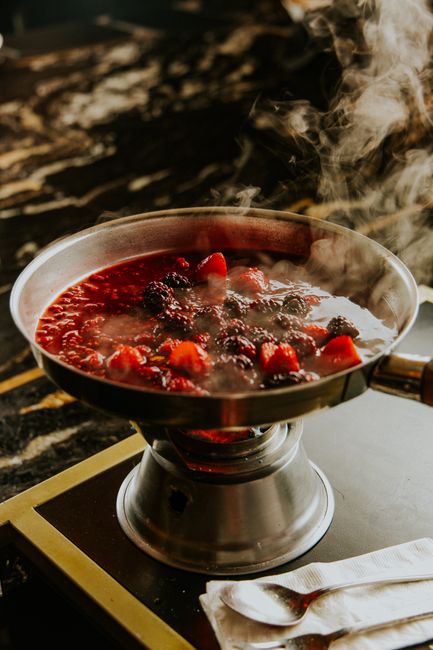
The Ultimate Guide to Delicious Compote with Frozen Berries: A Culinary Essential
Compote, a simple yet elegant fruit preparation, transcends seasonal limitations when utilizing frozen berries. This versatile culinary staple, traditionally made by simmering fruit with sugar and a liquid, transforms readily available frozen fruits into a vibrant, flavorful topping, filling, or standalone dessert. The beauty of compote lies in its adaptability. Whether you’re a seasoned chef or a novice in the kitchen, creating a perfect berry compote with frozen ingredients is an achievable and rewarding endeavor. This article will serve as your comprehensive guide, delving into the nuances of ingredient selection, preparation techniques, troubleshooting, and creative applications, all optimized for search engine visibility.
The inherent advantage of using frozen berries for compote is their year-round accessibility and often more economical price point compared to fresh, out-of-season produce. Commercial freezing processes rapidly lock in nutrients and flavor, meaning that frozen berries can be just as, if not more, flavorful and visually appealing than their fresh counterparts when transformed into compote. The slightly softer texture that can result from freezing is actually beneficial for compote, as the berries break down more readily during the cooking process, contributing to a smoother, more integrated sauce. Common choices for berry compote include strawberries, blueberries, raspberries, blackberries, and mixed berry blends. The specific berry or combination chosen will significantly influence the final flavor profile and color. For instance, a compote featuring raspberries and blackberries will yield a more tart and deeply hued result, while a strawberry and blueberry blend will be sweeter and brighter. Experimentation is key to discovering your personal favorite flavor combinations.
Crafting a basic berry compote with frozen ingredients is a straightforward process that requires minimal specialized equipment. The fundamental ratio generally involves a primary fruit component, a sweetener, and a liquid. The quantity of sweetener is adjustable to personal preference and the inherent sweetness of the berries themselves. A common starting point is a ratio of approximately 1 cup of frozen berries to 2-4 tablespoons of sugar. However, this can be adjusted downwards if using naturally sweet berries like strawberries, or upwards if using tart varieties like raspberries. The liquid component serves to facilitate the cooking process and create the desired saucy consistency. Water is the most neutral option, allowing the berry flavor to shine. Other liquids, such as fruit juice (apple, white grape), a splash of red wine, or even a liqueur like Grand Marnier or Chambord, can add layers of complexity and sophistication to the compote.
The preparation begins by combining the frozen berries, sweetener, and liquid in a saucepan over medium heat. It is crucial to resist the urge to stir vigorously at the outset. Allowing the mixture to gently heat and the berries to begin releasing their juices naturally will prevent them from becoming overly mushy before they’ve had a chance to cook properly. As the berries thaw and soften, you can then begin to stir gently. The cooking time will vary depending on the type of berries and the desired consistency, but typically ranges from 10 to 20 minutes. The compote is ready when the berries have softened and broken down to a pleasing degree, and the liquid has thickened into a syrupy sauce. For a smoother compote, you can gently mash some of the berries against the side of the pan with your spoon as they cook. Conversely, for a chunkier compote, exercise more restraint in mashing.
Achieving the perfect consistency is a hallmark of excellent compote. If the compote appears too thin after the initial cooking time, several methods can be employed to thicken it. The most common and effective is to continue simmering the compote uncovered, allowing the excess liquid to evaporate. Another option is to create a slurry by whisking together a small amount of cornstarch or arrowroot powder with an equal amount of cold water, then gradually stirring this mixture into the simmering compote. Cook for another minute or two until the compote has thickened. Be cautious not to add too much thickener, as it can alter the flavor and texture. If the compote is too thick, a small amount of additional liquid (water, juice, or wine) can be stirred in to thin it to the desired consistency.
Flavor enhancement is where compote truly shines. Beyond the basic sugar and liquid, a plethora of ingredients can elevate the humble berry compote to culinary artistry. A squeeze of fresh lemon or lime juice added towards the end of the cooking process provides a bright, acidic counterpoint that balances the sweetness and intensifies the berry flavor. Vanilla extract or a vanilla bean scraped into the compote during cooking imparts a warm, aromatic sweetness. Spices like cinnamon sticks, a pinch of nutmeg, or a star anise can add warmth and complexity, particularly suited for autumn or winter berries. Fresh herbs, such as mint or basil, can offer a surprising and refreshing twist, especially with summer berries like strawberries. A tiny pinch of salt, often overlooked, can actually enhance the sweetness and overall depth of flavor.
For those seeking a more refined compote, incorporating a touch of alcohol can be a game-changer. A splash of port wine or a fortified wine can add a rich, complex depth. Liqueurs, as mentioned earlier, offer specific flavor profiles – Chambord for raspberry notes, Grand Marnier for orange essence, or kirsch for cherry undertones. It is generally advisable to add alcohol towards the end of the cooking process to allow some of the alcohol to evaporate while leaving its flavor behind.
The visual appeal of compote is as important as its taste. The rich, jewel-toned hues of berry compote are naturally enticing. To enhance this, consider what you’re serving it with. The vibrant colors of the compote will pop against neutral backdrops like plain yogurt, vanilla ice cream, or cheesecake. Garnishes can further elevate the presentation. A sprig of fresh mint, a dusting of powdered sugar, a sprinkle of toasted nuts, or even a few extra fresh berries can transform a simple bowl of compote into an impressive dessert.
Storage and shelf life are practical considerations for any homemade preparation. Once cooled, compote can be stored in an airtight container in the refrigerator for up to 10-14 days. For longer storage, freezing is an excellent option. Allow the compote to cool completely, then transfer it to freezer-safe containers or bags. It can be frozen for up to 3-6 months. Thaw overnight in the refrigerator before using. It’s important to note that while freezing is convenient, the texture of the compote may slightly alter upon thawing, becoming a little more liquid.
The versatility of berry compote extends far beyond a simple dessert topping. Its applications in the kitchen are remarkably diverse. As a breakfast accompaniment, it’s a superb addition to pancakes, waffles, French toast, and oatmeal. Its sweet and tart notes cut through the richness of these morning staples beautifully. For baked goods, compote can serve as a delicious filling for cakes, tarts, hand pies, and crumbles. It can also be swirled into muffin or scone batter before baking for bursts of berry flavor.
In savory dishes, berry compote can offer an unexpected and delightful contrast. Its sweetness and acidity can complement richer meats like duck, pork, or venison. A dollop of berry compote alongside a cheese board can provide a sweet counterpoint to salty cheeses. It can also be incorporated into vinaigrettes for salads, adding a fruity tang. The possibilities are truly limited only by your culinary imagination.
Troubleshooting common compote issues ensures a consistently successful outcome. If your compote is gritty, this is often due to undissolved sugar. Ensure you stir the mixture thoroughly until the sugar is fully incorporated, especially at the beginning of the cooking process. If it lacks sweetness, add more sugar gradually, tasting as you go. If it’s too tart, a little more sugar or a small amount of honey can rectify this. If the berries haven’t broken down sufficiently, continue simmering, or gently mash them as described earlier. Overcooking can lead to a burnt flavor; if this occurs, it’s best to discard the batch and start anew.
For those prioritizing a healthier approach to compote, sugar substitutes can be employed. Stevia, erythritol, or monk fruit sweetener can be used, but it’s important to note that they may affect the texture and flavor slightly. Adjusting the quantity is crucial, as these sweeteners are often much more potent than granulated sugar. Opting for a lower liquid-to-fruit ratio and relying on the natural sweetness of the berries can also reduce the overall sugar content.
When purchasing frozen berries, look for bags that are free from excessive ice crystals, which can indicate thawing and refreezing, potentially impacting quality. Varieties like "individually quick frozen" (IQF) are often preferred as they prevent clumping and allow for easier measurement of individual berries. While most commercially frozen berries are suitable for compote, consider the quality of the berries themselves. A high-quality blend of berries will yield a superior compote.
In conclusion, the art of creating exceptional compote with frozen berries is an accessible and immensely rewarding culinary skill. By understanding the fundamental principles of fruit selection, sweetener and liquid ratios, cooking techniques, and flavor enhancements, you can consistently produce a delicious and versatile accompaniment. Whether you’re aiming for a quick breakfast topping, a sophisticated dessert filling, or an innovative savory element, berry compote with frozen berries stands as a testament to the power of simple ingredients transformed through thoughtful preparation. Its enduring appeal lies in its adaptability, its vibrant flavors, and its ability to bring a burst of fruity goodness to countless dishes, year-round. Mastering this technique empowers home cooks to elevate their everyday meals and impress with seemingly effortless elegance.


