
Old Fashioned Ozarks Meatloaf

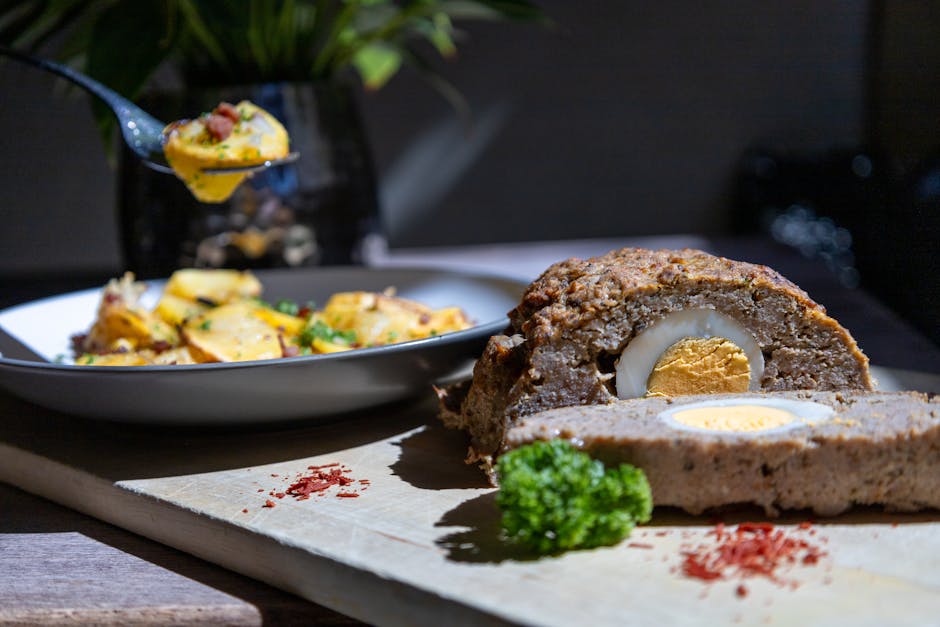
The Enduring Appeal of Old Fashioned Ozarks Meatloaf: A Culinary Cornerstone
Old fashioned Ozarks meatloaf is more than just a meal; it’s a culinary cornerstone, a deeply ingrained part of the region’s heritage, and a testament to the power of simple, honest ingredients transformed into deeply satisfying comfort food. This isn’t the elaborate, multi-component meatloaf found in gourmet magazines, but rather a humble, straightforward preparation that relies on a judicious blend of ground meats, aromatic vegetables, binding agents, and a signature sweet and tangy glaze. Its enduring appeal lies in its unpretentious nature, its affordability, and its ability to evoke feelings of warmth, nostalgia, and familial connection. The Ozarks, a sprawling, often rugged region encompassing parts of Missouri, Arkansas, Oklahoma, and Kansas, has a culinary tradition shaped by necessity, resourcefulness, and a profound respect for the bounty of the land. Meatloaf, in its most basic form, perfectly embodies these principles. It’s a dish that could be made with whatever ground meat was available, whether it be beef, pork, or a combination, often stretched with ingredients like breadcrumbs or oatmeal to make it go further. The inherent simplicity of its preparation also made it a perfect meal for busy families, allowing for hands-off cooking while still delivering a hearty and nourishing result.
The foundational element of any authentic Ozarks meatloaf is, unequivocally, the meat. While beef is the most common and widely recognized base, the true Ozarks tradition often embraces a blend of ground meats for enhanced flavor and texture. A classic combination features ground beef for richness and structure, ground pork for moisture and a subtle sweetness, and sometimes even ground veal for a tender, delicate finish. The fat content of the ground meat is crucial. Leaner meats, while healthier, can result in a dry, crumbly meatloaf. A judicious amount of fat, typically in the range of 15-20%, is essential for a moist and succulent final product. Many home cooks in the Ozarks would have purchased or ground their own meat, allowing them to control the cut and fat ratio. This hands-on approach to ingredient sourcing further cemented the meatloaf’s place as a meal born from necessity and personal touch. The choice of grind also plays a role; a medium grind is generally preferred over a very fine grind, as it provides a more pleasing texture and prevents the meatloaf from becoming too dense or paste-like.
Beyond the meat, the aromatic foundation of Ozarks meatloaf is built upon finely minced or grated onions and sometimes bell peppers. These vegetables, when cooked, soften and release their moisture, contributing to the overall moistness of the loaf and infusing it with subtle sweetness and savory depth. Garlic, while not always present in the most ancient iterations, has become a common and welcome addition, offering a pungent counterpoint to the richness of the meat. The key to incorporating these vegetables is to mince them as finely as possible to ensure they are evenly distributed throughout the meat and to avoid any large, unappetizing chunks. Some cooks might sauté these vegetables briefly before adding them to the meat mixture to soften them further and mellow their raw flavor, a practice that adds another layer of complexity and ensures a more harmonious blend of ingredients.
The binding agents in Ozarks meatloaf are vital for holding the mixture together and preventing it from crumbling during baking. The most traditional and widely used binder is stale bread or breadcrumbs. Soaked in milk or water until softened, then squeezed dry, these bread elements absorb excess moisture from the meat and create a tender, yielding texture. Oatmeal, particularly rolled oats, is another popular and highly effective binder in Ozarks cooking. It provides a pleasant chewiness and absorbs liquid efficiently, contributing to a moist meatloaf. Eggs are indispensable for their protein structure, acting as a powerful binder and enriching the overall flavor and color of the loaf. The ratio of these binding agents is important; too little, and the meatloaf will fall apart; too much, and it can become dense and gummy.
Seasoning is where personal preference and regional variations truly shine in Ozarks meatloaf. Salt and freshly ground black pepper are the absolute essentials, providing the fundamental flavor profile. Beyond these basics, a symphony of other seasonings can be employed. Worcestershire sauce, with its complex umami notes and hint of tang, is a near-ubiquitous addition, deepening the savory character of the meat. Ketchup, often mixed directly into the meatloaf as well as forming the base of the glaze, adds a touch of sweetness and acidity. Mustard, whether in powder form or as prepared mustard, provides a subtle sharpness that cuts through the richness. Other common additions include paprika for color and mild warmth, dried herbs like thyme or oregano for herbaceous complexity, and occasionally a pinch of cayenne pepper for a faint whisper of heat. The art of seasoning lies in balance, creating a harmonious flavor profile that complements, rather than overpowers, the inherent taste of the meat.
The preparation of the meatloaf mixture is a hands-on affair, a tactile experience that connects the cook to the food. In the Ozarks, this was often a family affair, with generations of cooks imparting their techniques and secrets. The ground meats, finely minced vegetables, binders, eggs, and seasonings are combined in a large bowl. The key here is gentle mixing. Overworking the meat mixture can develop the proteins too much, resulting in a tough, dense meatloaf. The goal is to incorporate the ingredients just until they are evenly distributed, ensuring a tender and cohesive loaf. Some cooks prefer to lightly form the mixture into a loaf shape directly in the baking pan, while others might form it on a baking sheet lined with parchment paper or foil. The shape of the loaf can also influence cooking time and evenness of cooking; a flatter, more elongated loaf will cook more evenly than a thick, rounded one.
The glaze is arguably the most distinctive and beloved component of an old fashioned Ozarks meatloaf. It’s what elevates the humble meatloaf to something truly special, transforming it from a simple baked dish into a visually appealing and flavor-packed centerpiece. The classic Ozarks glaze is a delightful marriage of sweet and tangy, typically built upon a foundation of ketchup. Brown sugar is a common addition, providing a deep caramel sweetness that caramelizes beautifully during baking. Vinegar, whether white vinegar, apple cider vinegar, or even pickle juice, introduces a crucial acidic counterpoint that balances the sweetness and adds a delightful tang. Mustard, again, can be incorporated for an extra layer of flavor. Some variations might include a splash of Worcestershire sauce or even a touch of maple syrup for added complexity. The glaze is usually brushed onto the meatloaf about halfway through the baking process, allowing it to cook down and form a sticky, luscious coating. This dual application of glaze, both mixed in and brushed on top, ensures a full spectrum of flavor and texture.
Baking the meatloaf is a process that requires attention to temperature and timing to ensure it is cooked through without becoming dry. A moderate oven temperature, typically between 350°F and 375°F (175°C to 190°C), is ideal. This allows the meatloaf to cook gently, preventing the exterior from burning before the interior is done. The internal temperature is the ultimate indicator of doneness; a meat thermometer inserted into the center of the loaf should register at least 160°F (71°C) for ground beef and pork mixtures. The baking time will vary depending on the size and shape of the meatloaf, but generally ranges from 45 minutes to 1 hour and 15 minutes. Resting the meatloaf after baking is a crucial, often overlooked step. Allowing the meatloaf to rest for 10-15 minutes before slicing allows the juices to redistribute throughout the loaf, resulting in a more moist and tender final product. This resting period is essential for achieving that signature Ozarks meatloaf succulence.
Serving Ozarks meatloaf is as much about tradition as it is about taste. It’s a dish that has graced countless family dinner tables, often accompanied by a selection of beloved comfort food sides. Mashed potatoes are a classic pairing, their creamy texture and neutral flavor providing a perfect canvas for the rich meatloaf and its glaze. Green beans, either cooked until tender with a hint of salt pork or served steamed with a touch of butter, offer a fresh, vegetal counterpoint. Corn on the cob, especially during the summer months, is another quintessential Ozarks accompaniment, its sweetness a natural complement to the savory meatloaf. Baked beans, particularly a slow-cooked, molasses-sweetened variety, are another popular choice that echoes the sweet and savory flavor profile of the meatloaf itself. Gravy, often made from the pan drippings, is another common addition, further enhancing the richness of the meal. The beauty of Ozarks meatloaf is its versatility; it’s equally at home served as a hearty main course or enjoyed cold the next day, sliced and placed on a sandwich.
The enduring popularity of old fashioned Ozarks meatloaf can be attributed to several factors. Firstly, its inherent simplicity and affordability make it accessible to everyone, a crucial aspect in a region that has historically valued resourcefulness. Secondly, its comforting and familiar flavors evoke a sense of nostalgia, transporting diners back to childhood memories of home-cooked meals and family gatherings. It’s a taste of tradition, a reminder of simpler times, and a testament to the power of humble ingredients to create something truly satisfying. The Ozarks meatloaf is not about culinary trends or fleeting fads; it is a steadfast culinary anchor, a dish that has stood the test of time and continues to bring comfort and joy to generations of eaters. Its legacy is deeply intertwined with the history and culture of the Ozarks, a culinary symbol of resilience, community, and the enduring appeal of a well-made, honest meal.
The SEO value of this topic lies in its broad appeal to those searching for classic comfort food recipes, regional culinary traditions, and family-friendly meal ideas. Keywords such as "old fashioned meatloaf recipe," "Ozarks cooking," "traditional meatloaf," "ground beef recipes," "comfort food," "easy dinner ideas," and "recipe with ketchup glaze" will resonate with a wide audience. Furthermore, exploring variations like "pork and beef meatloaf" or "meatloaf with oatmeal binder" can capture niche search queries. The emphasis on historical context and traditional methods also appeals to a segment of the audience interested in the roots of American cuisine. By providing detailed information on ingredients, preparation, and serving suggestions, this article aims to be a comprehensive resource for anyone looking to recreate or learn more about this beloved regional dish. The timeless nature of this recipe ensures its continued relevance and searchability for years to come.


